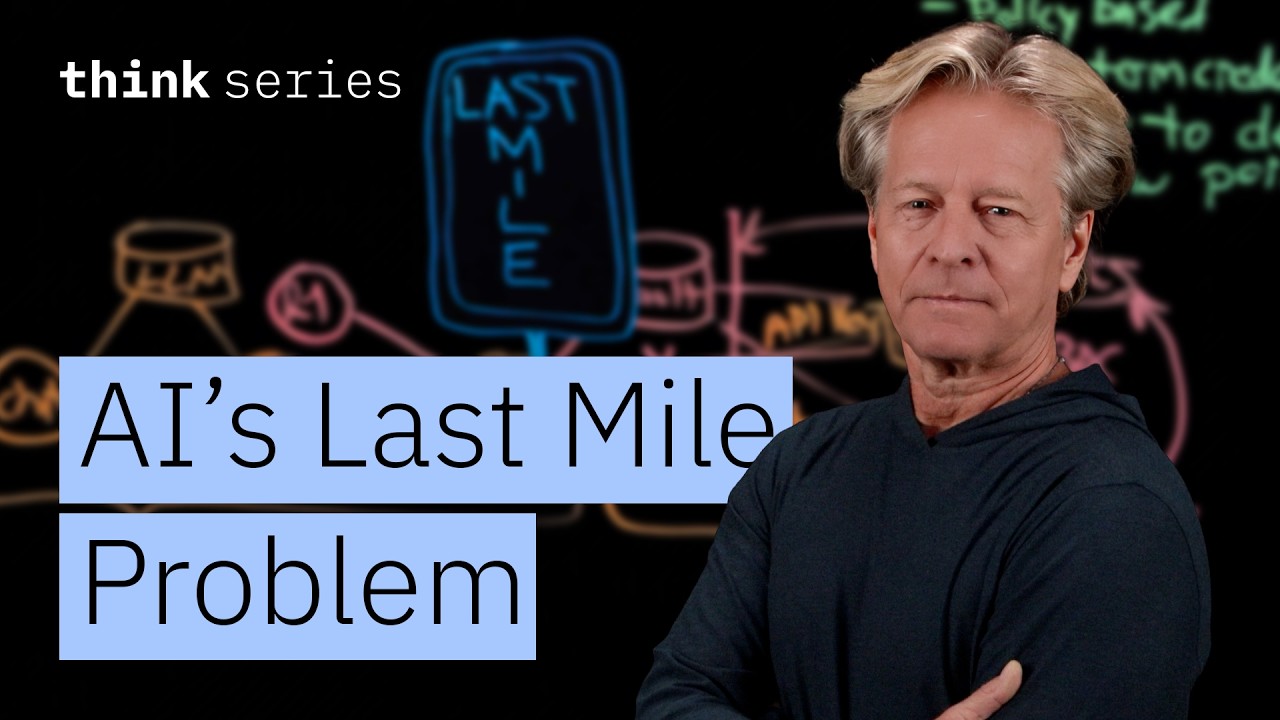
AI agents introduce a critical security gap when connecting to legacy enterprise systems, known as the 'agentic last mile identity problem'. This summary explains how losing user identity, context, and delegation breaks zero-trust principles and outlines a solution using a policy-driven vault to manage access and issue short-term credentials.
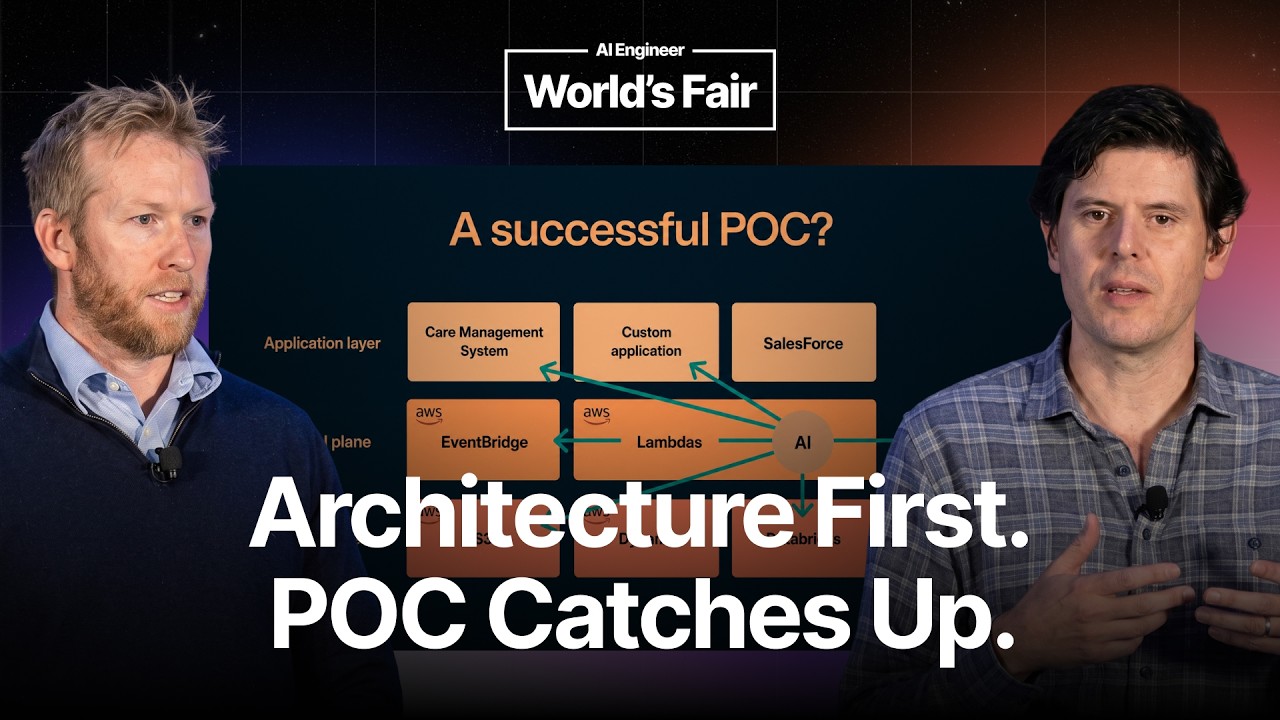
Stop AI Agents From SQL Injecting Your Database
Averi Kitsch, Staff Software Engineer at Google, outlines a four-step evolution for securing AI agents that access databases, moving from dangerous, model-controlled tools to a zero-trust architecture. Drawing on insights from over 20 million monthly tool calls, the talk provides a practical roadmap for preventing data leaks by separating identities, constraining actions, and removing credentials and PII from the agent's control.
Claude Security’s public beta, OpenAI’s five-point plan and cybersecurity’s Y2K moment
Explore the AI industry's "Y2K moment" in cybersecurity, as major players like OpenAI, Anthropic, and CrowdStrike form coalitions to tackle threats. This summary also delves into a new framework for AI agent identity based on Zero Trust principles and analyzes the "Copy Fail" Linux vulnerability, a decade-old flaw uncovered by AI, highlighting the escalating need for proactive vulnerability research.
Security for Mythos-Era Agentic Risks — with Rubrik’s Anneka Gupta and Cal Al-Dhubaib
Rubrik’s Anneka Gupta and Cal Al-Dhubaib discuss the escalating cybersecurity risks posed by powerful AI agents, the necessity of a "zero trust" mindset, and how platforms like Rubrik provide cyber-resilience through advanced visibility, governance, and remediation tools in the new agentic era.
Perplexity Comet, agentic blabbering, and the shift-left failure
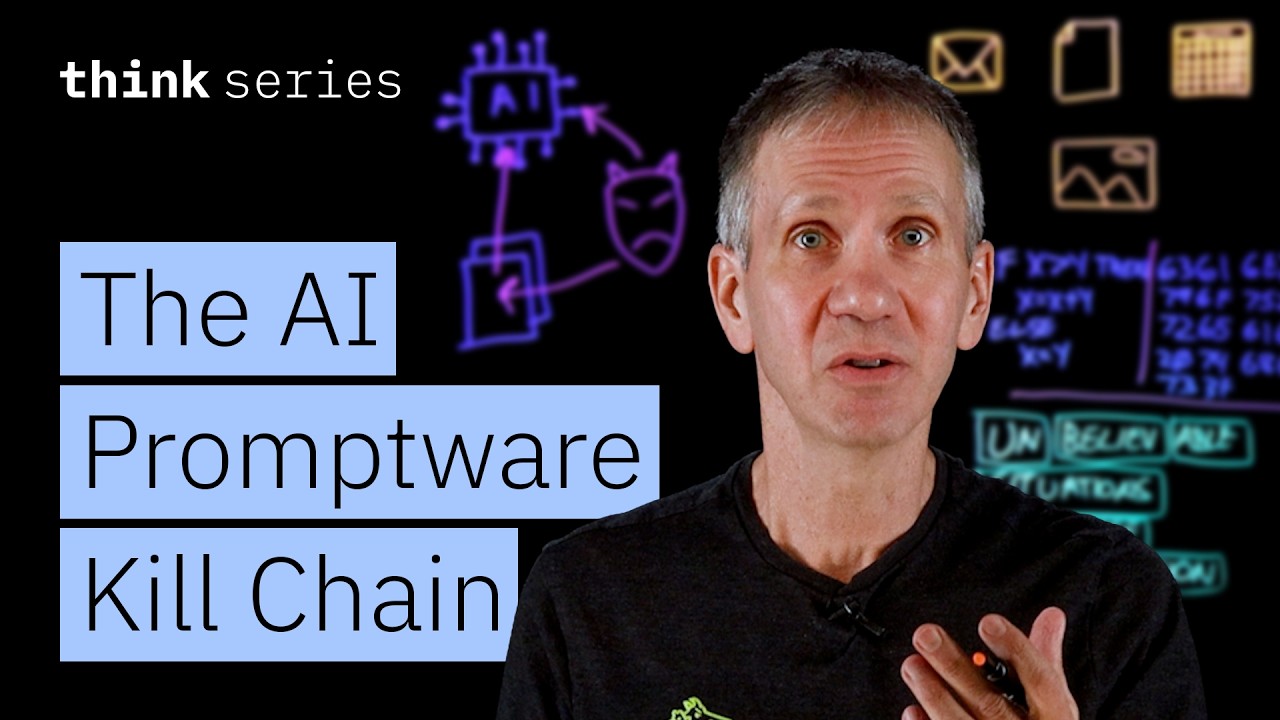
This episode explores the security risks of AI, including 'agentic blabbering' in AI browsers that aids phishing attacks, the ability of models like Claude Opus to resurrect vulnerabilities in legacy code, the debate on 'shift left' security practices, and new threats like AI-generated 'ephemeral malware' and the challenges of the post-authentication perimeter.
Agentic AI introduces a massive number of non-human identities that traditional, human-centric Identity and Access Management (IAM) systems are not equipped to handle. This creates significant security gaps, including lack of accountability, overprivilege, risky delegation, and the dangerous 'last mile' problem. The solution lies in adopting a Zero Trust approach with five key imperatives: registering all agents, stripping static privileges for just-in-time access, tying actions to intent, enforcing security at the point of use, and proving control through comprehensive audits. Implementing this requires a combination of orchestration, governance, and unified observability across security, IT, and development teams.