Web sockets

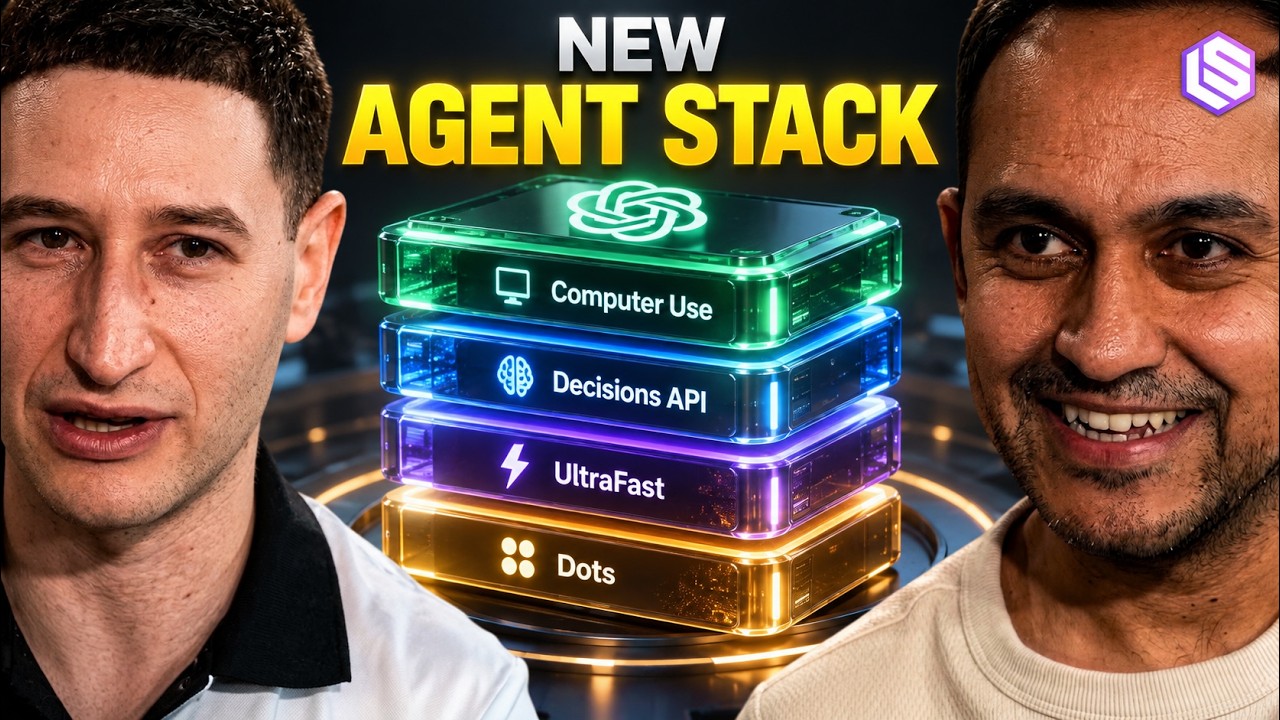
Inside OpenAI DevDay: Superhuman Computer Use, Decisions API, and the AI Cloud — Ari & Nikunj

Inside OpenAI DevDay: Superhuman Computer Use, Decisions API, and the AI Cloud — Ari & Nikunj

OpenAI has unveiled significant advancements in its AI agents and developer APIs, transforming Computer Use into a self-debugging system capable of superhuman speeds. Key innovations include multimodal interfaces, the Agents API for building on OpenAI's harness, and a new API stack featuring async tool calling, UltraFast inference, and the rapidly developed Decisions API for fast classification. These advancements, coupled with robust caching and context compaction, pave the way for an "AI cloud" with higher-level primitives for developers.
Why Your AI UX Is Broken (and It's Not the Model's Fault) — Mike Christensen, Ably

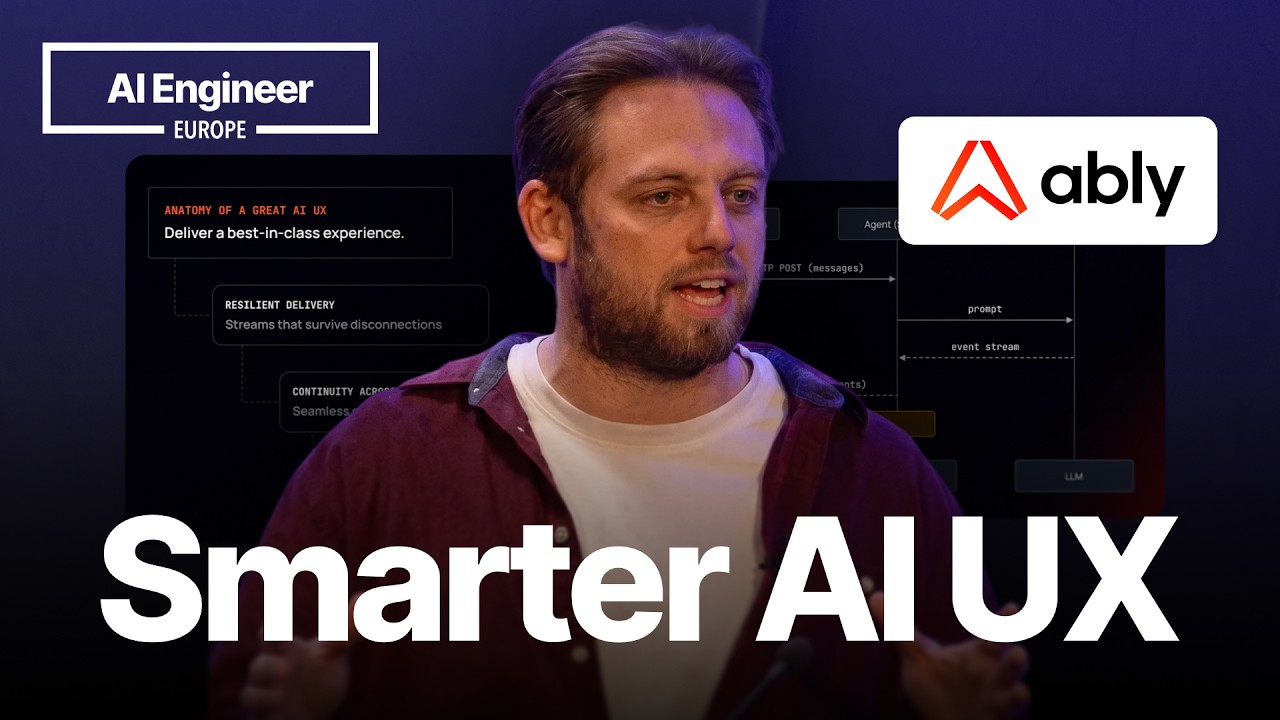
Why Your AI UX Is Broken (and It's Not the Model's Fault) — Mike Christensen, Ably

Mike Christensen from Ably critiques the standard HTTP streaming (SSE) approach for AI chat applications, highlighting its fragility and limitations. He introduces the "durable session" pattern, a persistent, shared resource built on pub/sub principles, to create resilient, multi-device AI experiences with live, bidirectional control.

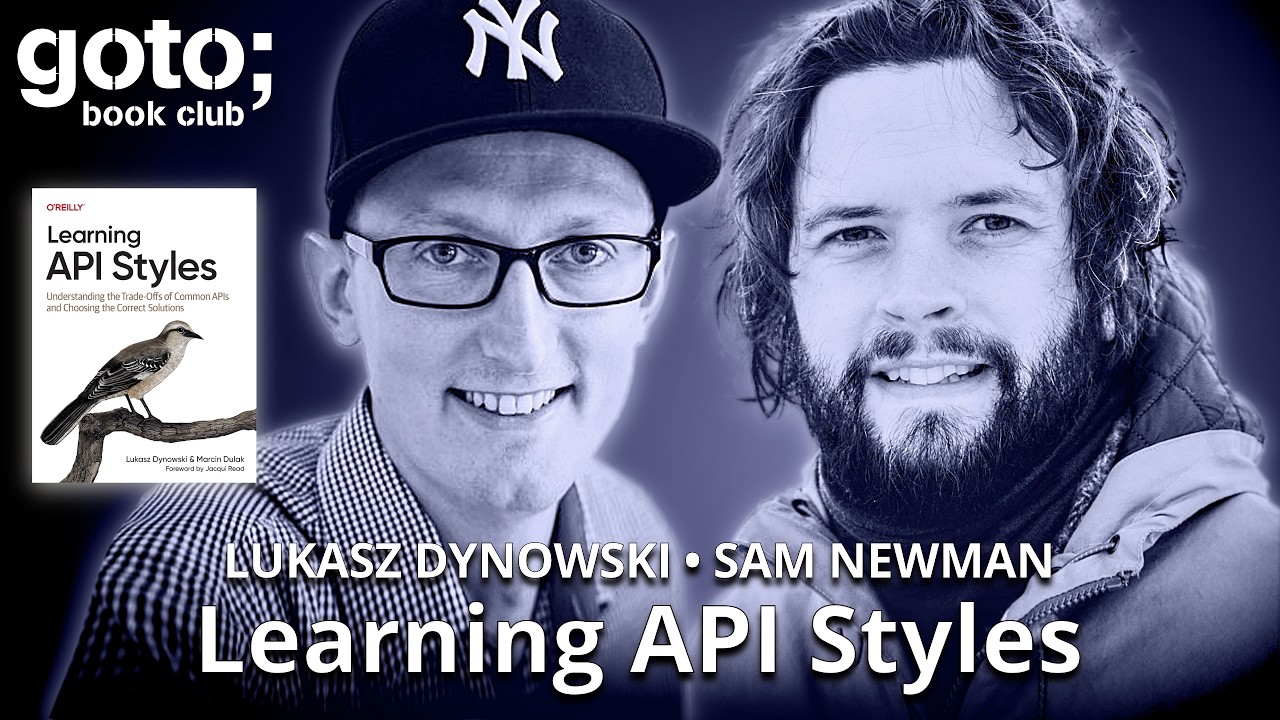
Learning API Styles • Lukasz Dynowski & Sam Newman • GOTO 2026

Learning API Styles • Lukasz Dynowski & Sam Newman • GOTO 2026

This GOTO Book Club episode features an in-depth conversation between Sam Newman and Lukasz Dynowski, co-author of "Learning API Styles," exploring the foundational network layer of APIs, various API styles, critical trade-off decisions, and future trends like WebTransport and gRPC. The discussion emphasizes treating APIs as products, understanding consumer context, and the eight key characteristics of a well-designed API, complemented by a cautionary tale on database access.

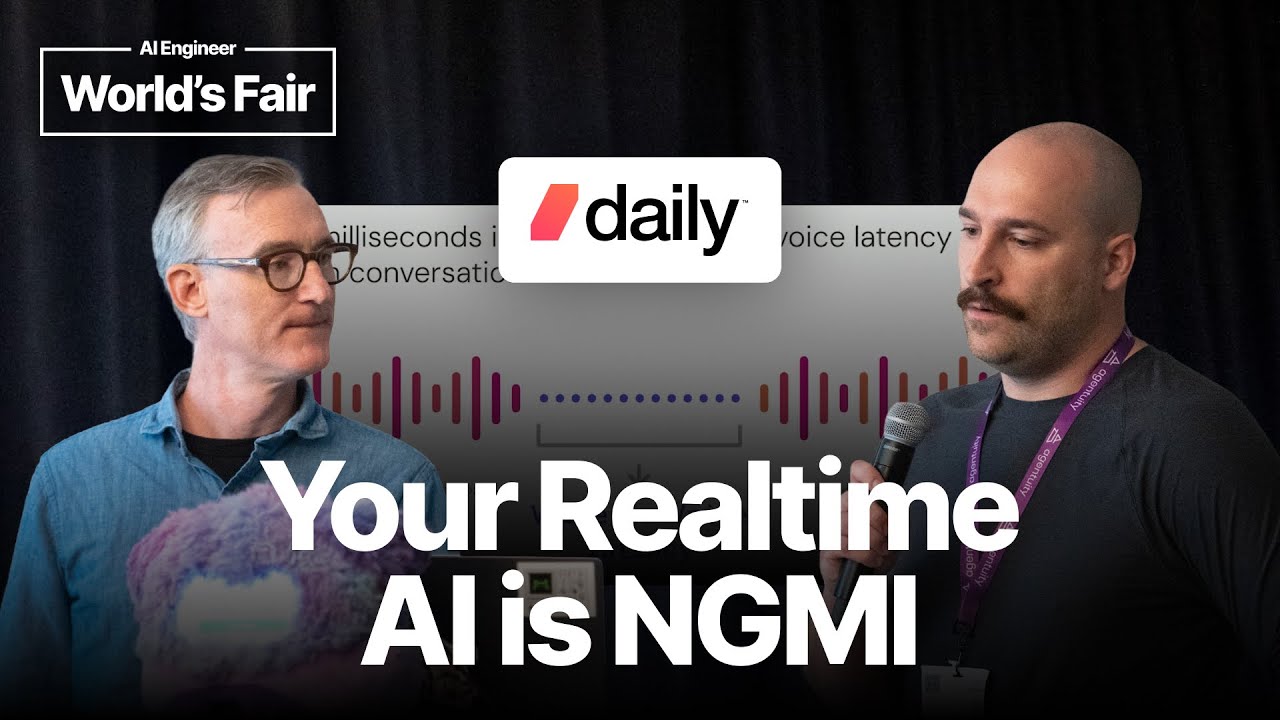
Your realtime AI is ngmi — Sean DuBois (OpenAI), Kwindla Kramer (Daily)

Your realtime AI is ngmi — Sean DuBois (OpenAI), Kwindla Kramer (Daily)

Sean DuBois (OpenAI, Pion) and Kwindla Hultman Kramer (Daily, Pipecat) argue that to build successful real-time AI applications, developers must start from the network layer up, prioritizing WebRTC over WebSockets to manage latency effectively and enable advanced features like interruption and state management.