Vertical ai

AI in NYC: How Tenex Builds an AI-Native Engineering Team — Alex Lieberman & CJ Hess

AI in NYC: How Tenex Builds an AI-Native Engineering Team — Alex Lieberman & CJ Hess

Alex Lieberman and CJ Hess of Tenex discuss how an AI-native engineering consultancy organizes its work around outcomes, not hours. They cover story-point compensation, the MetaHarness workflow that keeps plans and decisions in Git, token economics and model choices, the gap between enterprise AI rollouts and production agents, why vertical AI and mid-tier SaaS may or may not survive, and what this means for jobs and New York's AI scene.
Why Building an AI Agent Is Easier Than Deploying One

Why Building an AI Agent Is Easier Than Deploying One

Vladimir Keil, co-founder and CEO of Lio, joins Seema Amble and Elena Burger to explain why AI-native startups can beat incumbent software vendors even when those vendors own the customer, the data, and the system of record. The discussion covers the work that happens outside systems of record in enterprise procurement, Lio's multi-agent architecture spanning retrieval through principal agents, how buyers learn to trust agents with consequential negotiations, and what happens when suppliers and buyers both run agents.

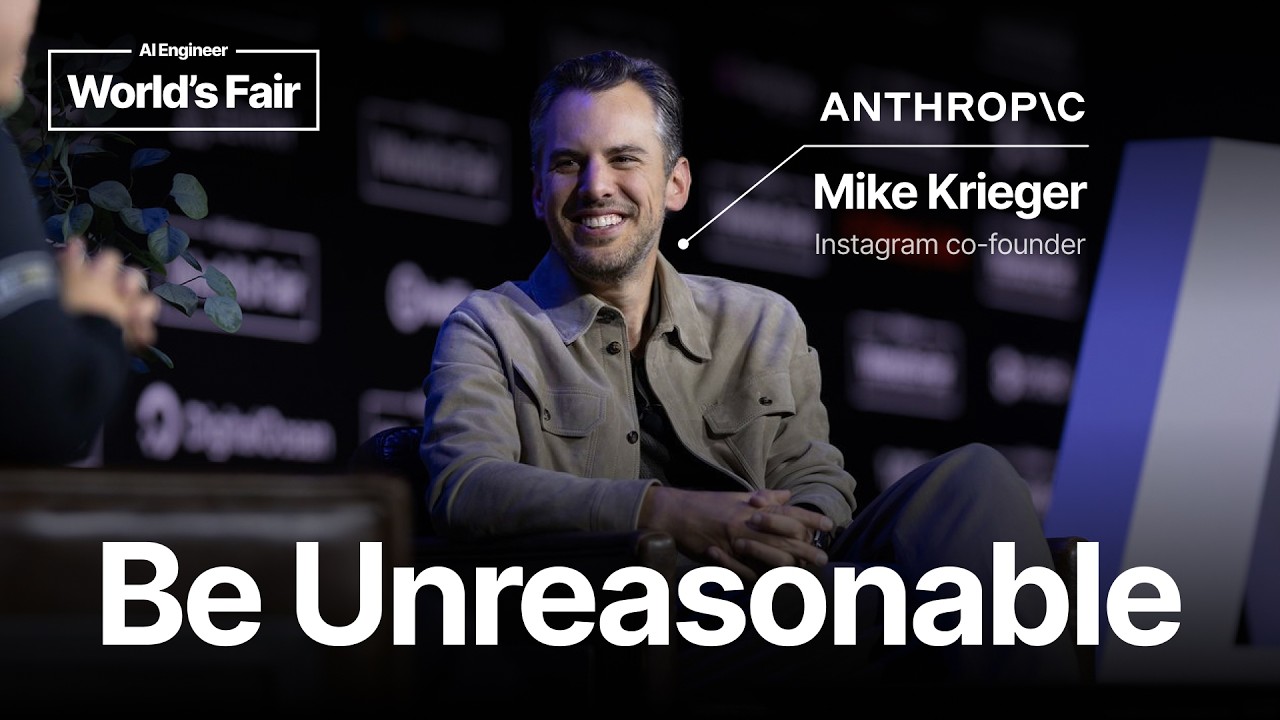
How Anthropic Builds: Lessons from Labs — Mike Krieger, Anthropic

How Anthropic Builds: Lessons from Labs — Mike Krieger, Anthropic

Mike Krieger, a former CPO at Anthropic, details his transition to an IC role to build directly with AI, advocating for "unreasonable" asks like porting entire codebases. He shares lessons from Instagram on scaling and highlights Anthropic's internal use of Claude as a proactive teammate, flexible lab structure, and critical insights on AI product design, vertical applications, and mental health in the fast-paced AI industry.

Why the Best AI Stories Aren't About AI  (with Steve Mock)

Why the Best AI Stories Aren't About AI (with Steve Mock)

Steve Mock, investor and entrepreneur, discusses aisavedme.org, a platform born from his father's question, "How does one use AI?". The site gathers real-world stories of AI's positive impact, revealing surprising human outcomes in healthcare, education, and personal fulfillment, often less about technology and more about connection. He also shares his unique no-code journey in building the site and his venture capital insights into the "data flywheel" and "vertical AI" as key to successful investments.

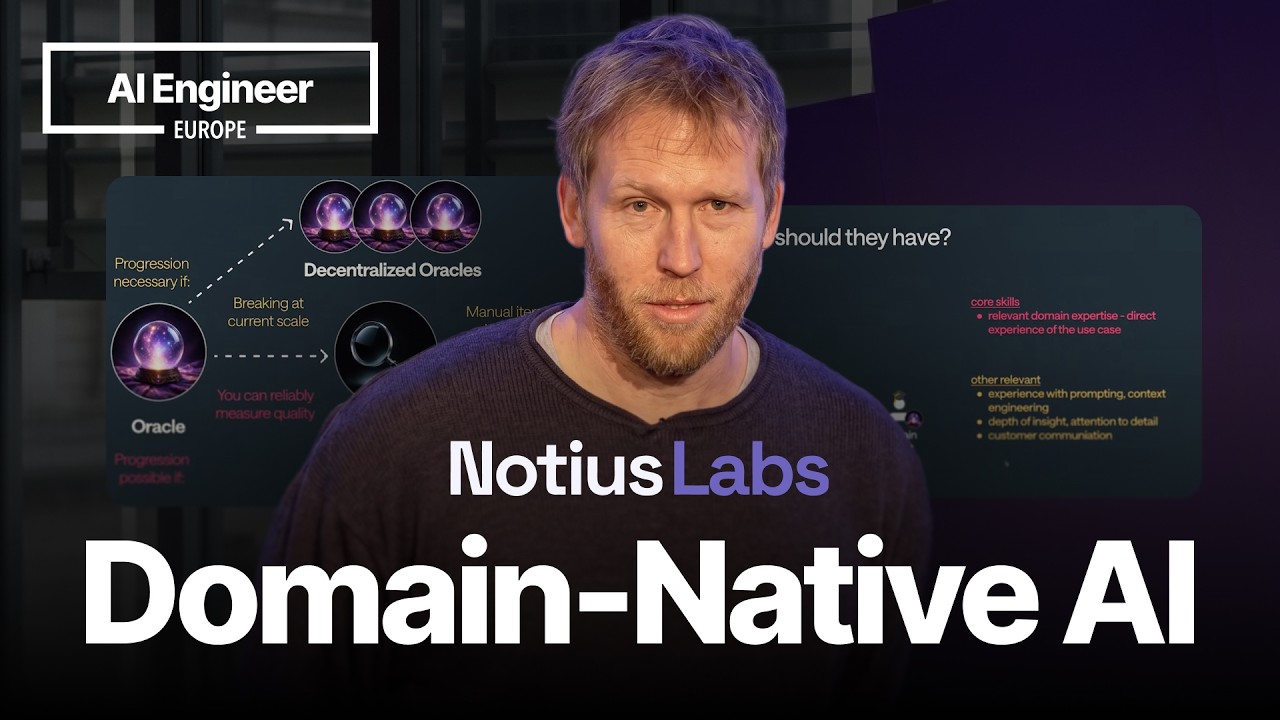
How to Leverage Domain Expertise — Chris Lovejoy, Notius Labs

How to Leverage Domain Expertise — Chris Lovejoy, Notius Labs

Chris Lovejoy argues that winning in vertical AI is an organizational challenge, not just a technical one. He introduces a framework of three roles for domain experts—Oracle, Evaluator, and Architect—to effectively embed their knowledge into AI products, illustrated with case studies from companies like Granola and Anterior.

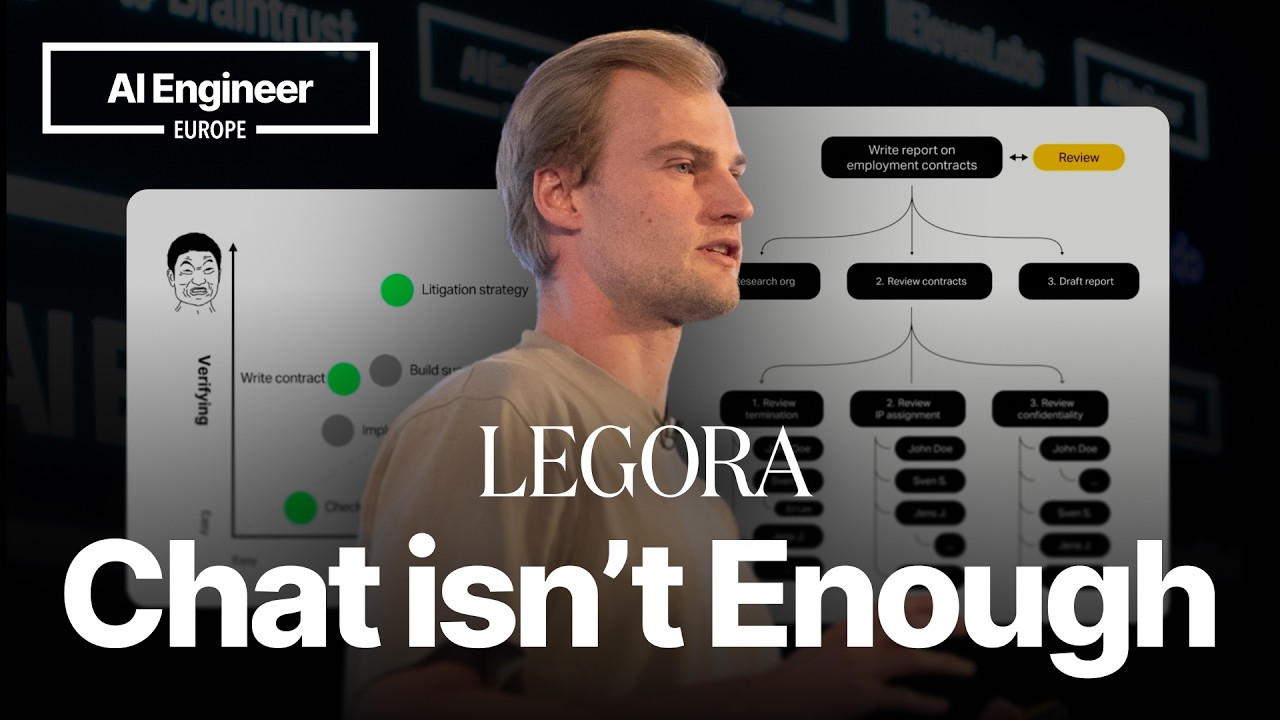
Agents need more than a chat - Jacob Lauritzen, CTO Legora

Agents need more than a chat - Jacob Lauritzen, CTO Legora

Jacob Lauritzen, CTO of Legora, argues that as AI agents tackle more complex work, the bottleneck shifts from task execution to planning and review. He proposes a framework for human-agent collaboration based on increasing 'trust' and 'control', and advocates for moving beyond simple chat interfaces to high-bandwidth, domain-specific artifacts like documents and structured reviews for more effective collaboration.