State management

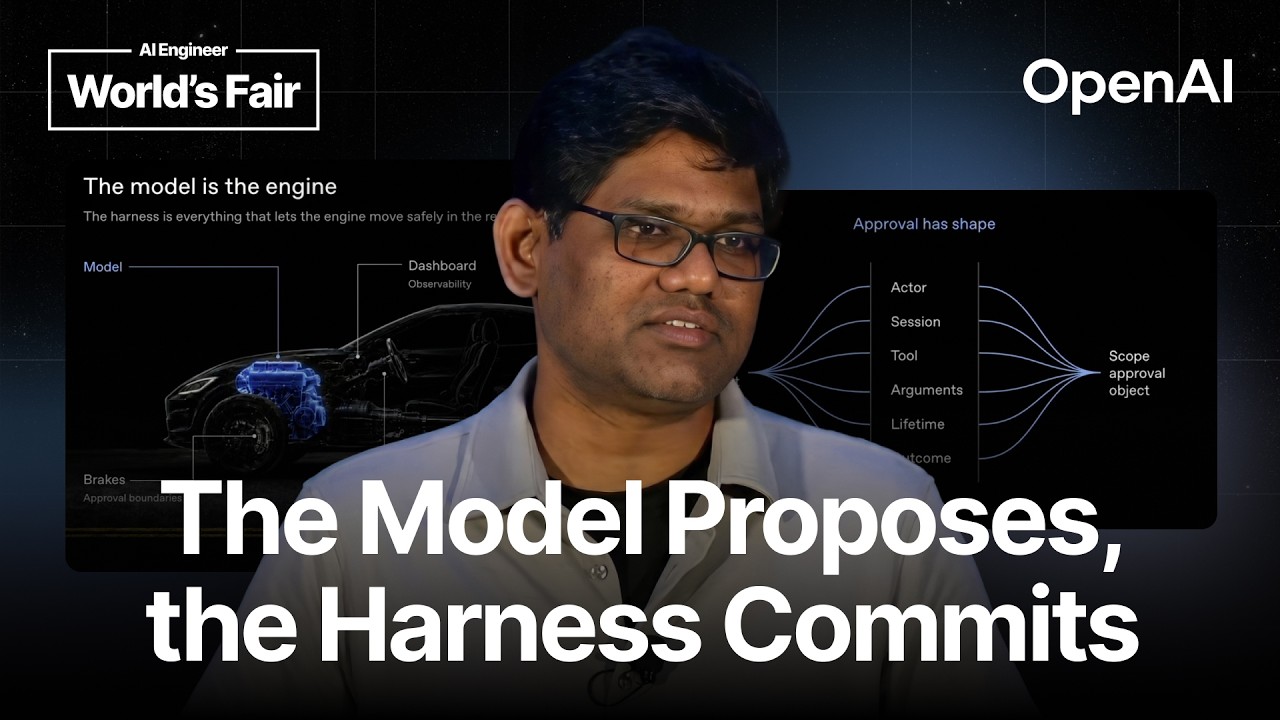
Your Agent Didn't Fail. Your Harness Did. — Vinoth Govindarajan, OpenAI

Your Agent Didn't Fail. Your Harness Did. — Vinoth Govindarajan, OpenAI

Vinoth Govindarajan's talk addresses critical 'harness failures' in AI agents, arguing these, rather than model errors, are the root cause of most production incidents. He introduces the core contract: 'A model proposes, the harness commits, and a receipt proves it,' and outlines five key boundaries (state ownership, ordering, deadlines, authority, user-visible proof) that lead to failures like silent success and incomplete reality. The talk culminates in a practical 'run receipt audit' with five questions to diagnose and ensure reliable agent behavior.
From Chaos to Choreography: Multi-Agent Orchestration Patterns That Actually Work — Sandipan Bhaumik

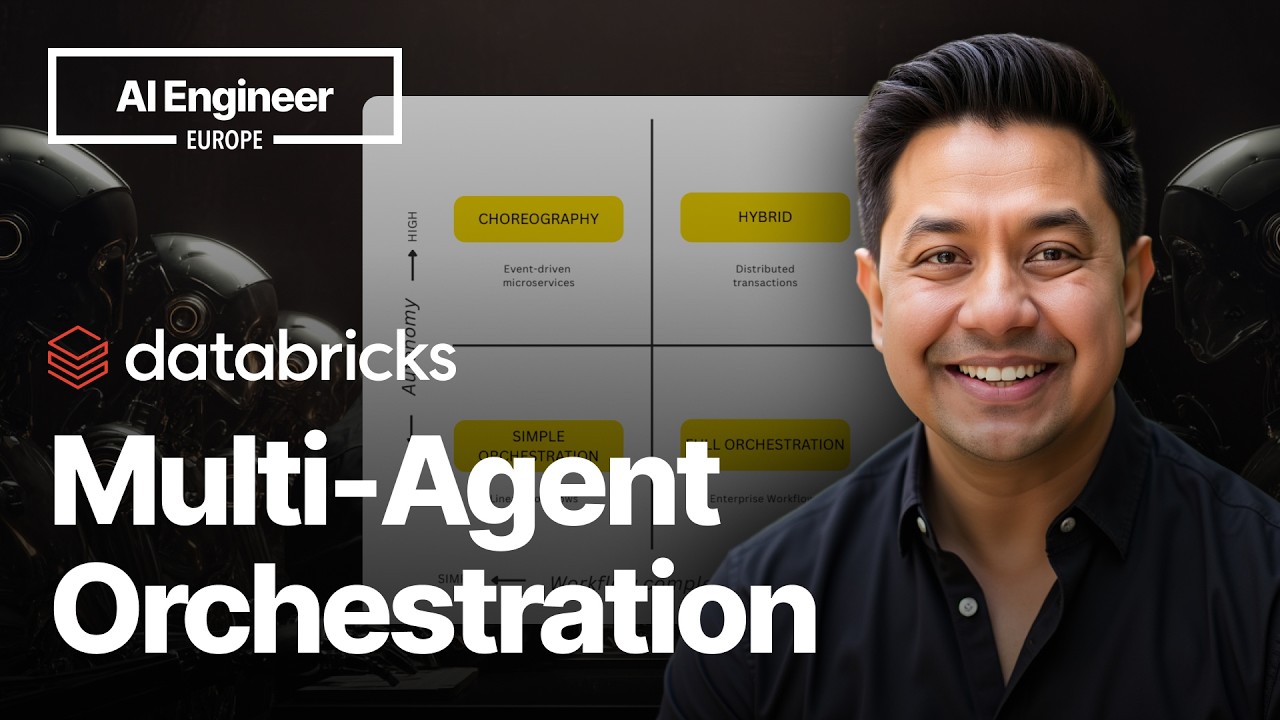
From Chaos to Choreography: Multi-Agent Orchestration Patterns That Actually Work — Sandipan Bhaumik

Sandipan Bhaumik from Databricks explains that scaling from one to many AI agents is a distributed systems problem, not an AI one. He details common architectural anti-patterns like shared mutable state that cause race conditions and silent failures. The talk provides a practical framework based on distributed systems engineering, covering crucial patterns like choreography vs. orchestration, immutable state management with versioning, data contracts, and failure recovery using circuit breakers and compensation (Saga) patterns. Bhaumik illustrates how to build a robust, production-grade multi-agent architecture using tools like Databricks, LangGraph, and MLflow.

Real-Time Voice Agents in Production

Real-Time Voice Agents in Production

Panos Stravopodis, CTO of Elyos AI, shares the infrastructure and orchestration challenges of building production-ready voice AI agents. He details the four pillars for success—latency, consistency, context, and recovery—and provides engineering patterns for error handling, context management, and achieving conversational coherence in real-time systems.