Software development

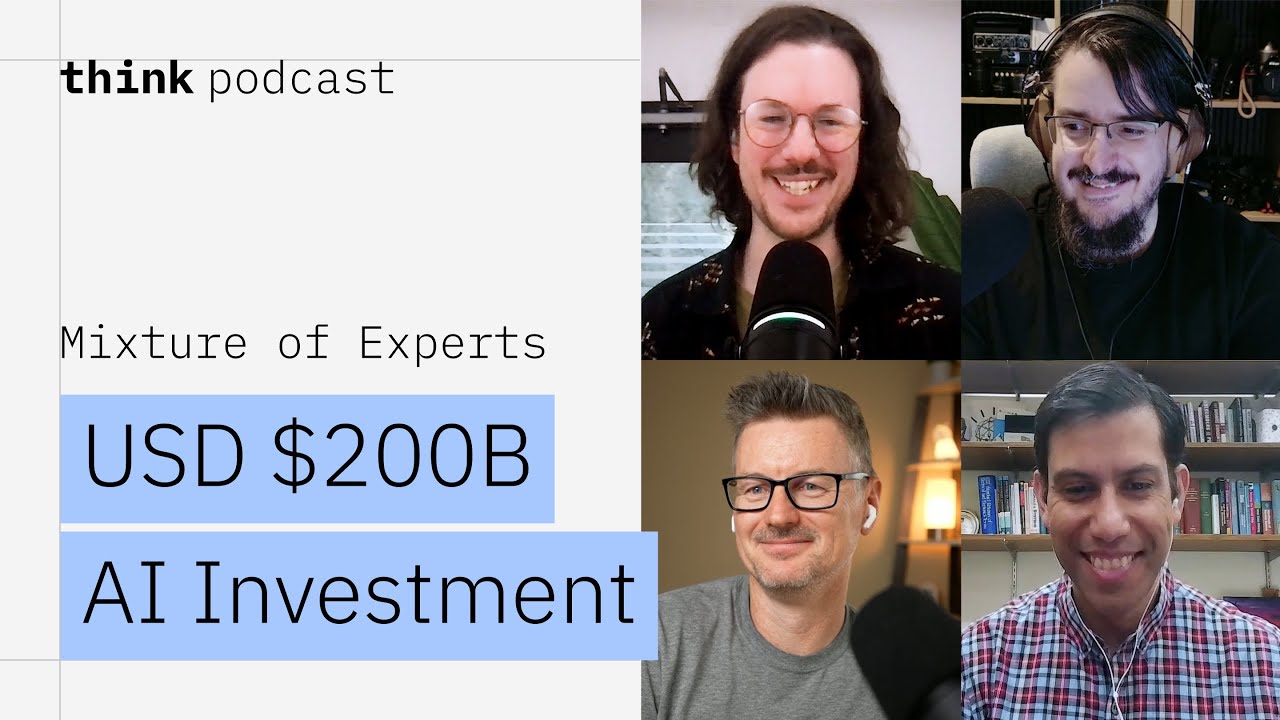
India's USD $200B AI hub & Claude builds C compiler

India's USD $200B AI hub & Claude builds C compiler

Experts from IBM discuss Google's $200B AI investment in India, Claude's autonomous C compiler creation, the significant security risks in AI agent skills, and the looming AI ROI problem facing IT leaders, debating the shift from per-token to value-based pricing.

From SaaS to AI-First: How Companies Are Reshaping Innovation

From SaaS to AI-First: How Companies Are Reshaping Innovation

Hosts Sarah and Elad discuss the "SaaS-apocalypse," arguing that while AI is fundamentally changing software, the death of SaaS is overstated in the short term. They explore the unprecedented speed of revenue growth and collapsing token costs in the AI era, the new challenges in engineering management like "coding slop," and the strategic imperatives for founders to build durable, multi-product companies in a rapidly changing landscape.

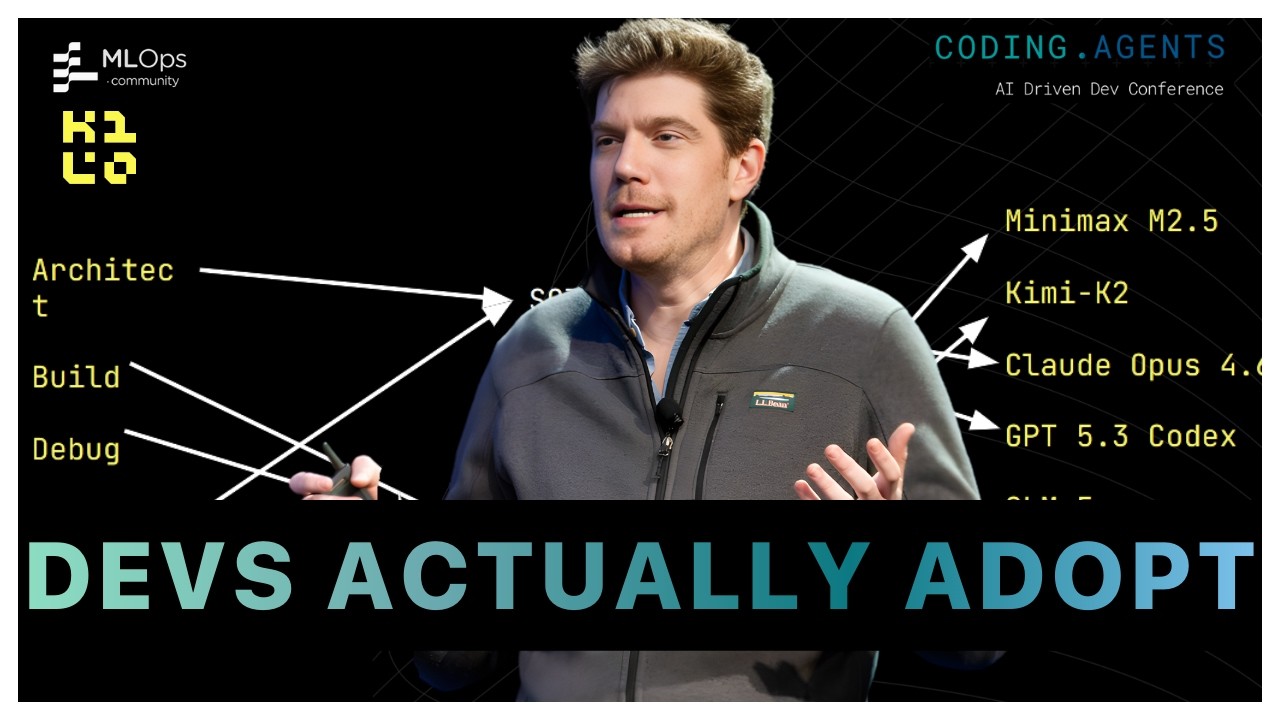
Boris Cherny: How We Built Claude Code

Boris Cherny: How We Built Claude Code

Boris Cherny, creator of Claude Code, shares the development philosophy behind the AI coding tool, emphasizing building for future models, leveraging latent user demand, and the surprising longevity of the terminal interface.

Codex launch & OpenClaw/Moltbook chaos: This week in AI agents

Codex launch & OpenClaw/Moltbook chaos: This week in AI agents

The panel discusses OpenAI's new Codex application, framing it as a necessary 'table stakes' move in the competitive AI coding agent market rather than a game-changer. The conversation pivots to the importance of agent orchestration as the next frontier for value creation and monetization. They also explore the Moltbook (OpenClaw) phenomenon—a social network for AI agents—debating whether it's a valuable sociological experiment or a mere novelty, while highlighting the significant security vulnerabilities and practical hurdles it exposes.

Context Engineering Our Way to Long-Horizon Agents: LangChain’s Harrison Chase

Context Engineering Our Way to Long-Horizon Agents: LangChain’s Harrison Chase

Harrison Chase, co-founder of LangChain, explains the evolution of AI agents from early, rigid scaffolding to modern, flexible "harnesses." He argues that "context engineering"—managing what an LLM sees—is the key to building effective long-horizon agents. Chase also explores how agent development differs from traditional software, highlighting the critical role of traces as the new source of truth and memory systems that enable agents to improve themselves over time.

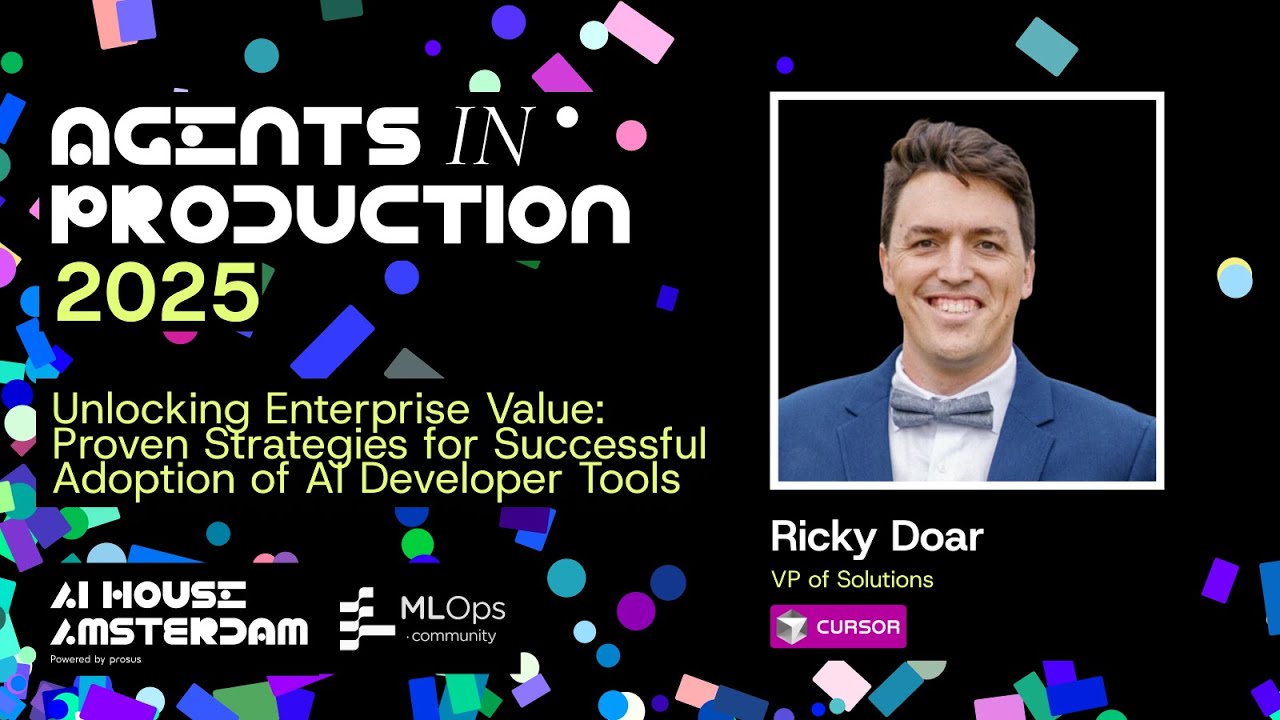
Co-Engineering: The New Era of Human-AI Collaboration

Co-Engineering: The New Era of Human-AI Collaboration

Kiriti Badam from OpenAI introduces 'co-engineering,' a new paradigm where humans and AI agents collaborate as teammates in the software development lifecycle. He outlines key principles for effectively integrating AI agents into enterprise workflows, focusing on context management, security, and iterative improvement.