SDLC

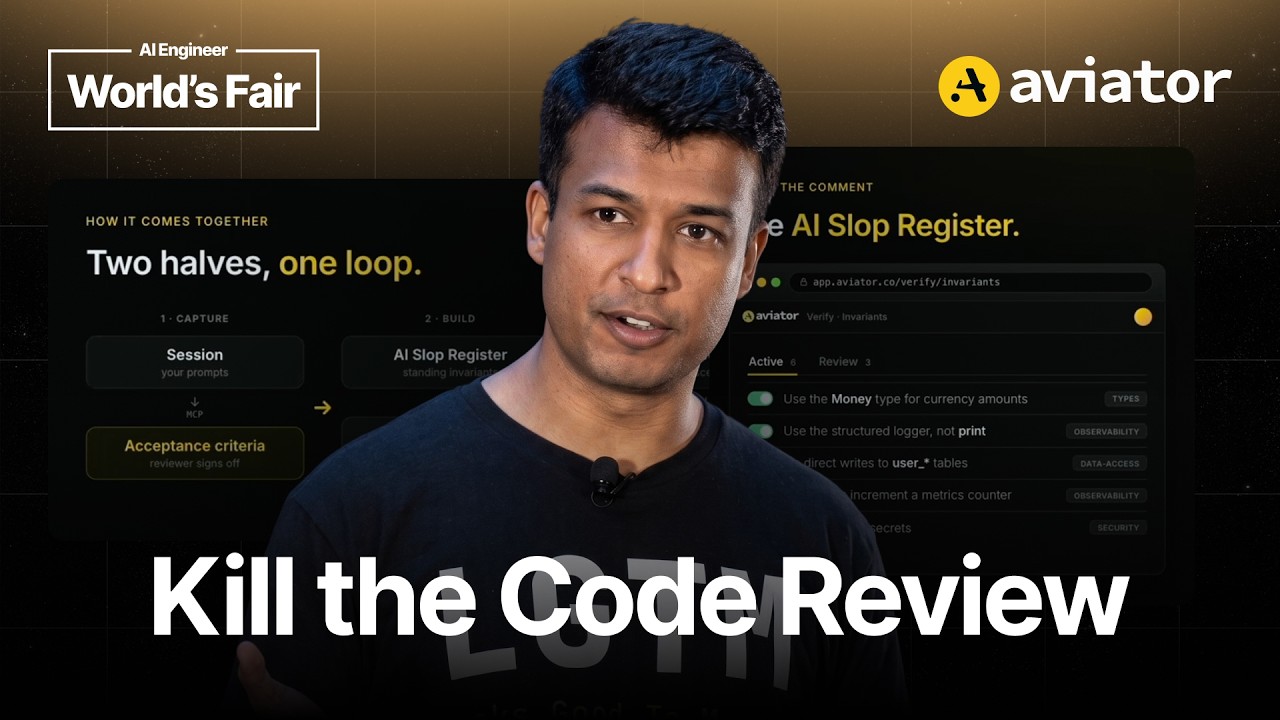
How to Kill the Code Review — Ankit Jain, Aviator

How to Kill the Code Review — Ankit Jain, Aviator

Ankit Jain argues that traditional line-by-line code review is defunct, with AI reviewing code that humans no longer read. He asserts that code review's vital, often overlooked, purpose is 'alignment'—knowledge sharing, mentorship, and architectural feedback—which current AI-driven workflows fail to capture. His proposal involves capturing user-AI interaction prompts as acceptance criteria, generating test plans with an 'AI Slop Registry' (codified recurring review comments), and verifying changes against live previews. The new review surface becomes the 'intent and evidence' rather than the code diff, preserving collaboration and ensuring semantic accuracy.

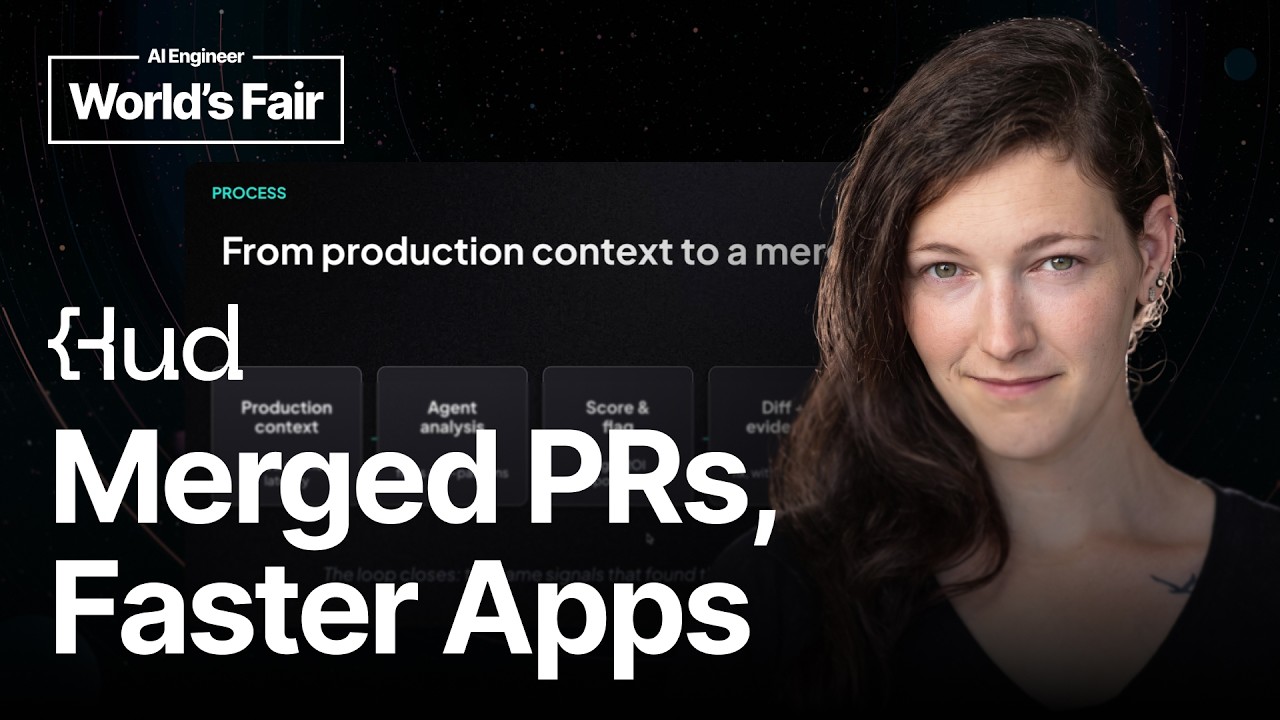
From Blind Spots to Merged PRs: Continuous Agentic Performance Optimization - May Walter, Hud

From Blind Spots to Merged PRs: Continuous Agentic Performance Optimization - May Walter, Hud

May Walter, CTO of Hud, details a real-world case study on integrating AI agents into the SDLC for continuous performance optimization. The talk covers Hud's runtime intelligence layer, which uses production context to identify and fix high-ROI performance issues like N+1 queries and missing database indexes. It highlights the technical approach, challenges, and the development of a human-friendly reporting system that delivers measurable P90 latency improvements, enabling proactive optimization in mature codebases.

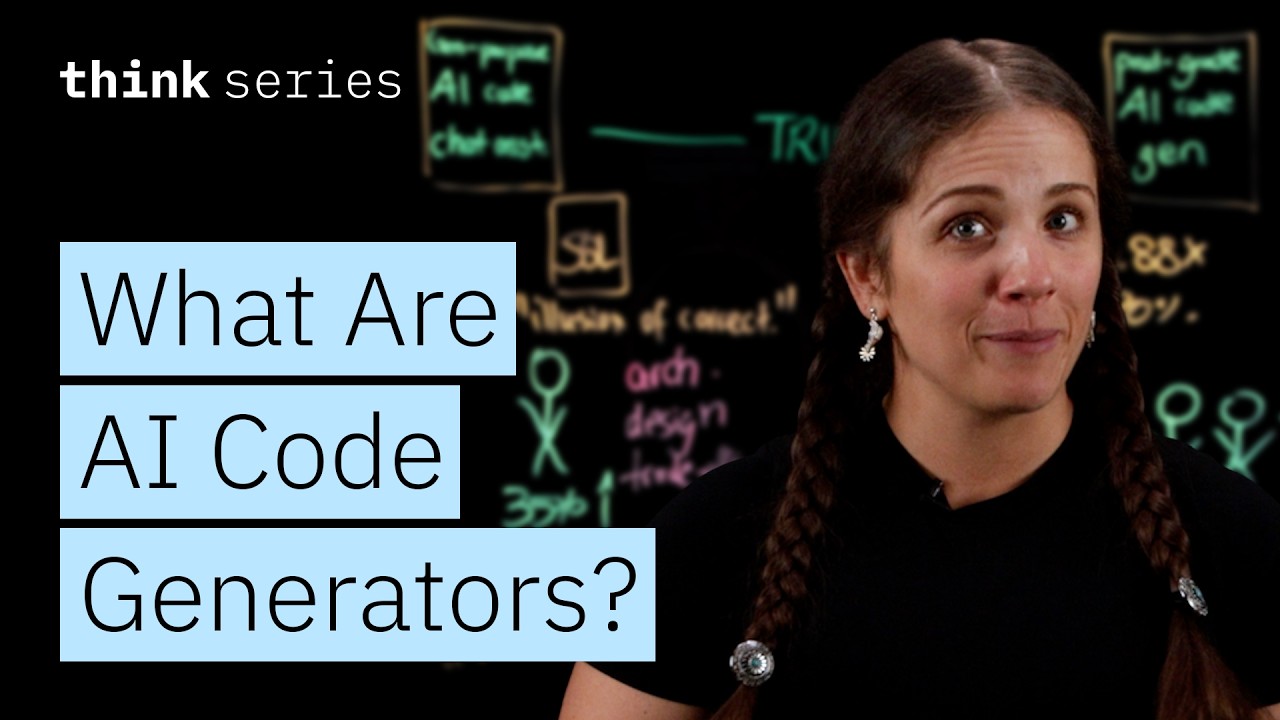
What is an AI Code Generator? LLM Coding, Productivity, & Risk

What is an AI Code Generator? LLM Coding, Productivity, & Risk

AI code generators leverage LLMs to translate natural language into code, significantly boosting developer productivity and job satisfaction by automating boilerplate and accelerating learning. However, they introduce risks like subtle security vulnerabilities and require rigorous human review. Evaluating tools hinges on trust, demanding features like data provenance, governance, secure deployment, and curated training data for enterprise adoption.

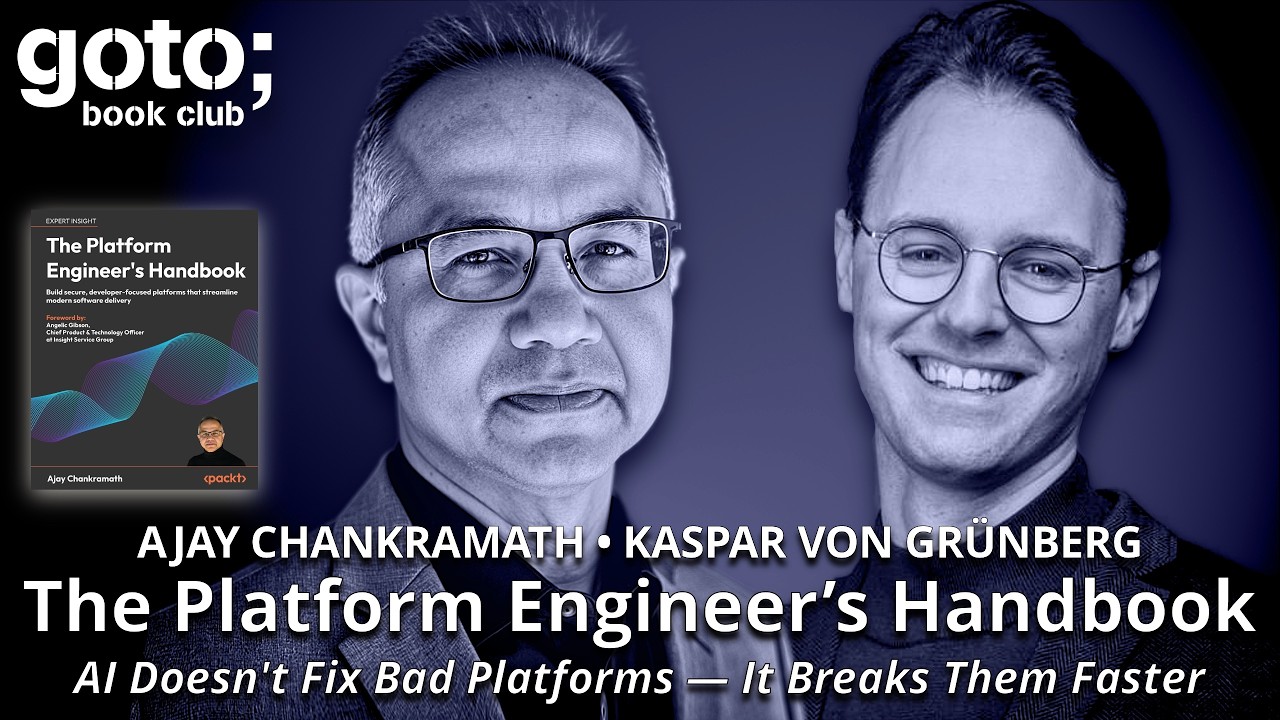
The Platform Engineer’s Handbook • Ajay Chankramath & Kaspar von Grünberg • GOTO 2026

The Platform Engineer’s Handbook • Ajay Chankramath & Kaspar von Grünberg • GOTO 2026

This conversation with Ajay Chankramath, author of 'The Platform Engineer’s Handbook,' delves into why practical, code-first guidance is essential for building Internal Developer Platforms. He argues that developer adoption failures stem from a "product discipline gap," not a technology one, emphasizing developer experience as a first-class outcome. The discussion covers the book's arc from foundations to enterprise-grade features and its focus on 100% open-source, vendor-agnostic tooling. Crucially, it highlights how agentic AI raises the stakes for platform engineering, requiring new IDP layers for agent context, memory, and guardrails, asserting that these must be built, owned, and operated internally for safe and productive AI adoption.

How To Build a GenAI-Augmented Software Organization • Marko Klemetti & Kris Jenkins • GOTO 2025

How To Build a GenAI-Augmented Software Organization • Marko Klemetti & Kris Jenkins • GOTO 2025

Marko Klemetti and Kris Jenkins explore how Generative AI is not just another tool but the next major paradigm shift in software development, forcing a radical reinvention of team structures, management roles, and the entire SDLC to achieve a 'five-minute-to-production' North Star.

Vibe Coding with Confidence — Itamar Friedman, Qodo

Vibe Coding with Confidence — Itamar Friedman, Qodo

Itamar Friedman of Qodo argues that the future of AI in software development lies in moving beyond simple code generation to 'vibe coding with confidence.' This is achieved through multi-agent workflows, grounded in team standards and orchestrated via the Command Line Interface (CLI), enabling a holistic AI-driven approach across the entire SDLC.