
Scalable ai

Semantic Blindness: 500,000 Sensors Confused an LLM - Raahul Singh & Vanč Levstik, Phaidra

Semantic Blindness: 500,000 Sensors Confused an LLM - Raahul Singh & Vanč Levstik, Phaidra

Modern LLMs struggle with combinatorial engineering problems in industrial settings due to "Semantic Blindness" – an inability to understand physical system topology, scale efficiently, or handle repetitive naming conventions. This talk introduces a hybrid AI architecture that combines LLMs for high-level planning with deterministic systems for execution, leveraging hierarchical structures and pattern-based search. This approach achieves 100% accuracy and flat operational costs at massive scales, demonstrating an "inversion" of the Software 1.0/3.0 paradigm where AI-native systems mature by integrating deterministic code for reliable, structured tasks.
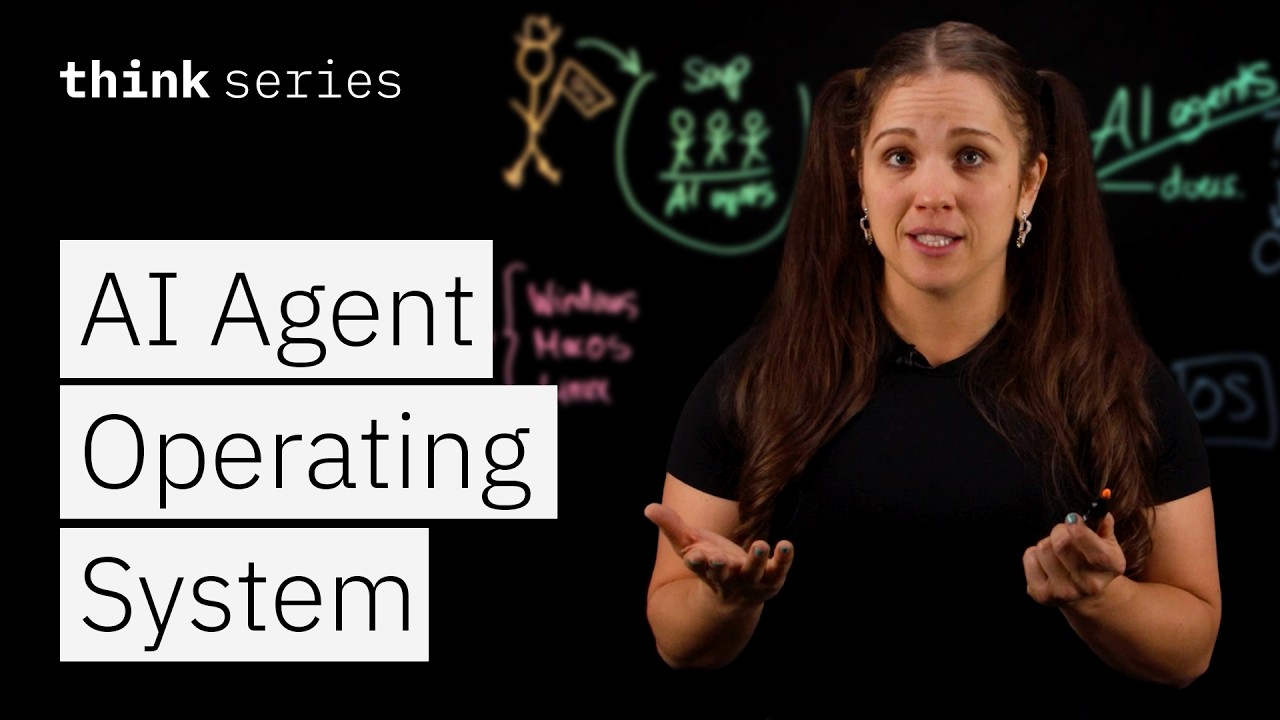
Why AI Agents Need an Operating System

Why AI Agents Need an Operating System

Current AI agents are powerful but lack memory, context, and safety, behaving like "genius goldfish." This summary explains the necessity of an AI Agent Operating System (OS) to provide essential infrastructure for managing memory, tools, identity, and governance, making agents reliable, scalable, and trustworthy.

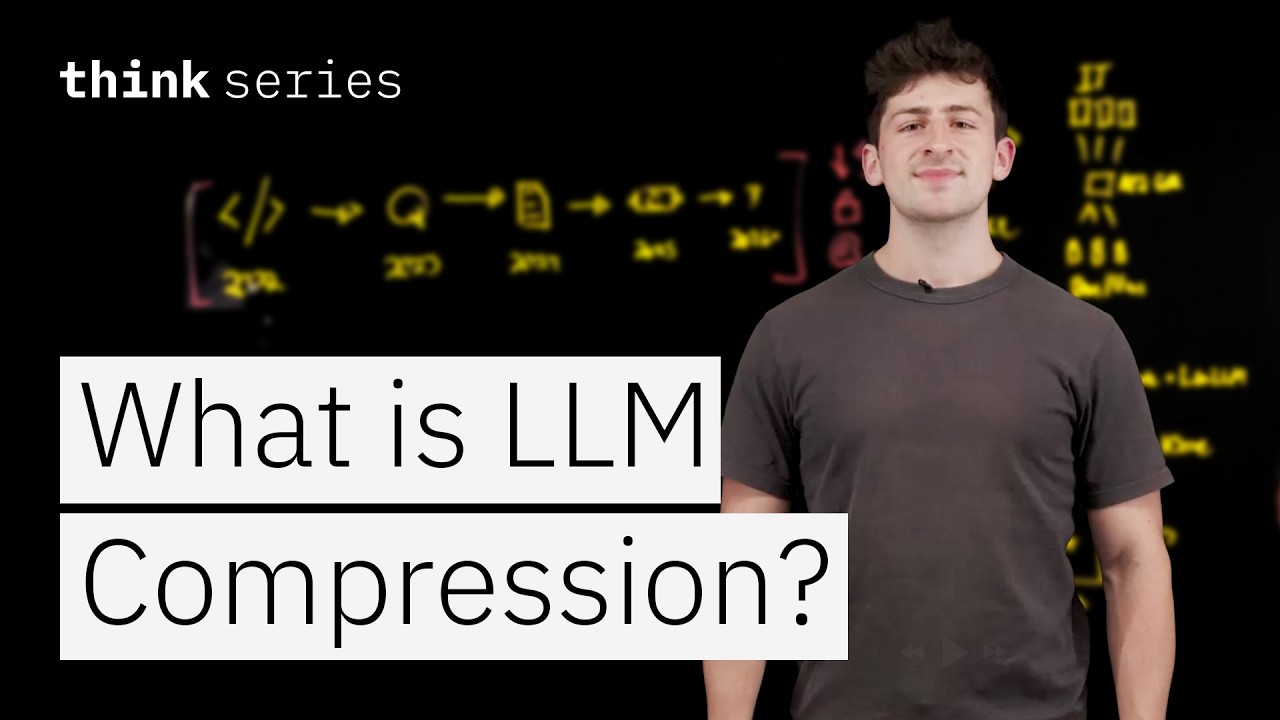
LLM Compression Explained: Build Faster, Efficient AI Models

LLM Compression Explained: Build Faster, Efficient AI Models

Learn how AI model compression and quantization techniques are essential for optimizing Large Language Model (LLM) performance and significantly reducing inference costs in production. This deep dive covers practical examples, benefits like reduced latency and increased throughput, and strategies for different AI use cases, demonstrating how to deploy scalable AI with minimal accuracy degradation.