Product development

Peter Steinberger: What Happens When 4.7 Million People Let It Cook

Peter Steinberger: What Happens When 4.7 Million People Let It Cook

Peter Steinberger, founder of OpenClaw, shares the candid story of building one of the world's largest open-source AI projects. Starting from a personal annoyance, OpenClaw went viral, leading to both immense success and unforeseen challenges, including burnout, security pressures, and feature creep. He offers invaluable lessons on product-market fit, managing hyper-growth in open source, the peril of dependencies, and the philosophy that "fun is velocity" in building impactful technology.

How Forward Deployed Engineering is done at Cognition — Jia Wu

How Forward Deployed Engineering is done at Cognition — Jia Wu

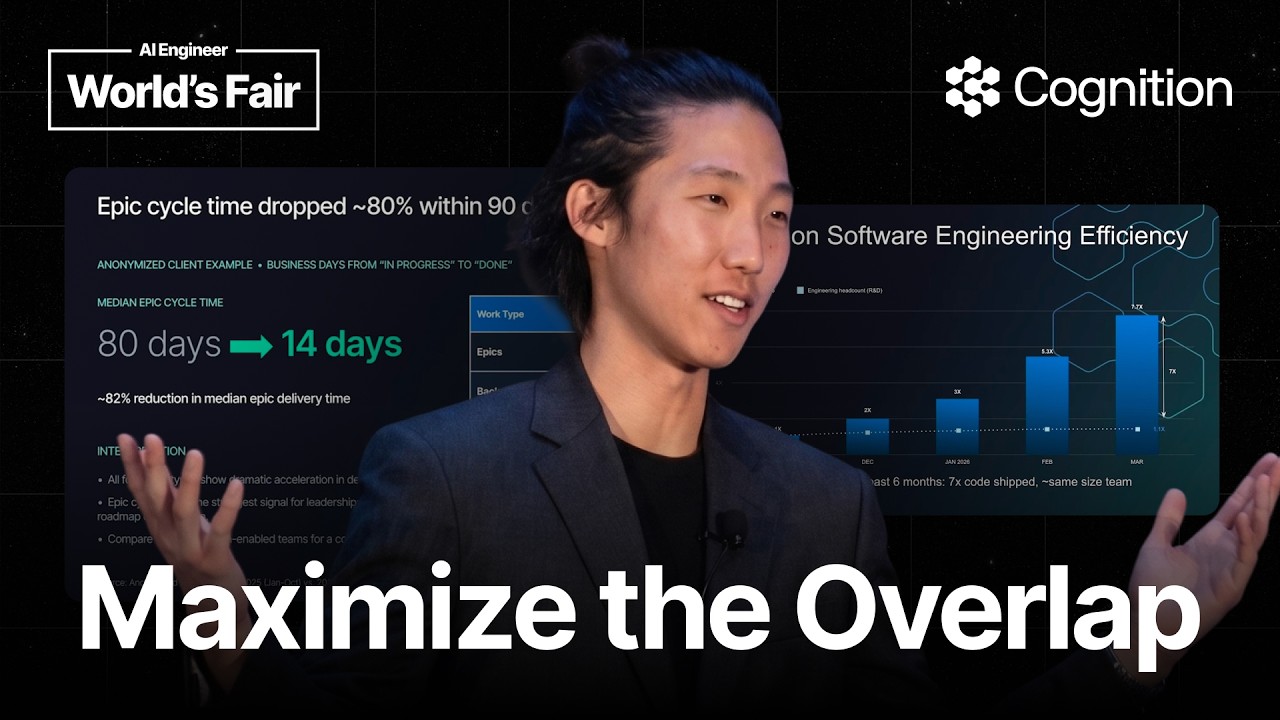
Cognition's deployed engineering team focuses on measuring customer outcomes, not just token usage, achieving significant productivity gains with their AI agent, Devin. This involves understanding deep business problems, strategically applying Devin's capabilities, and feeding insights back to product development, fundamentally reshaping the role of a deployed engineer.

How Forward Deployed Engineering is done at Ramp — Leo Mehr

How Forward Deployed Engineering is done at Ramp — Leo Mehr

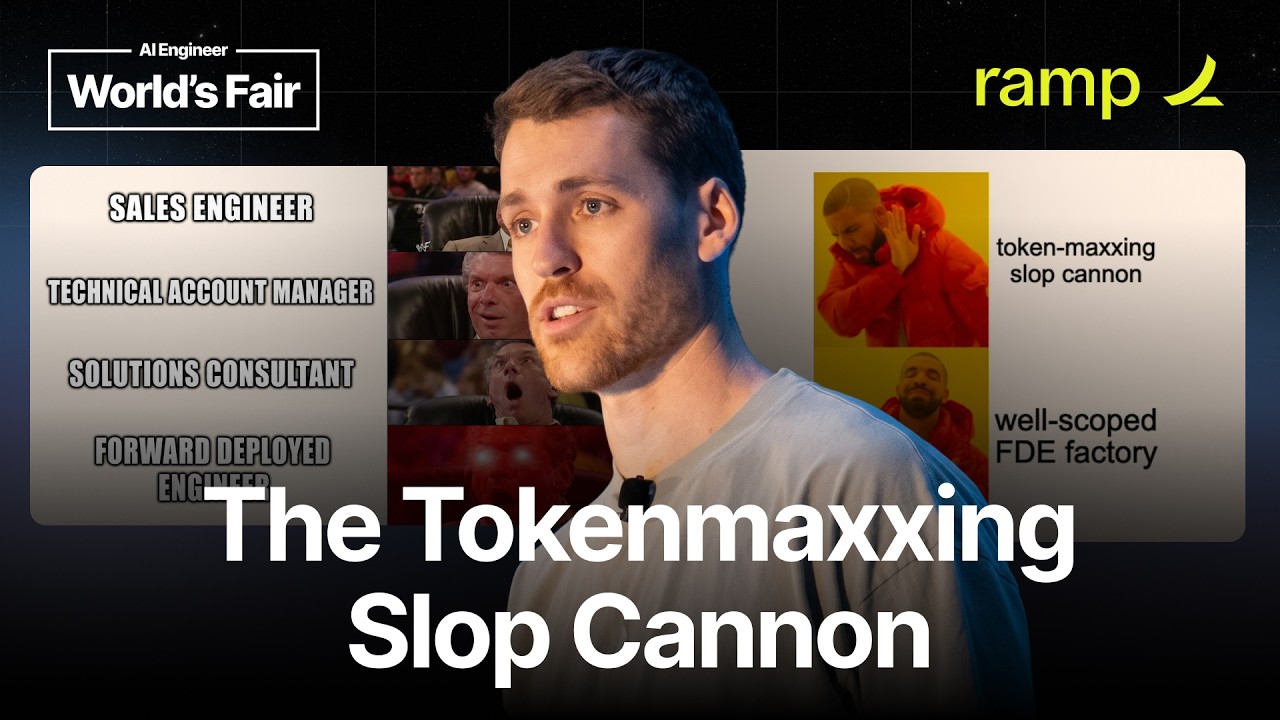
Leo Mehr, Director of Engineering at Ramp, outlines two critical principles for Forward Deployed Engineering (FDE): "Always Be Scoping" to ensure the delivery of the right product by deeply understanding customer needs and context, and "Scale with Tokens" by strategically integrating AI agents into FDE workflows. He highlights Ramp's success in automating request intake and spec generation using AI, emphasizing the need for both human judgment and AI-driven efficiency to thrive in the future.

How Forward Deployed Engineering is done at Kepler — Vinoo Ganesh

How Forward Deployed Engineering is done at Kepler — Vinoo Ganesh

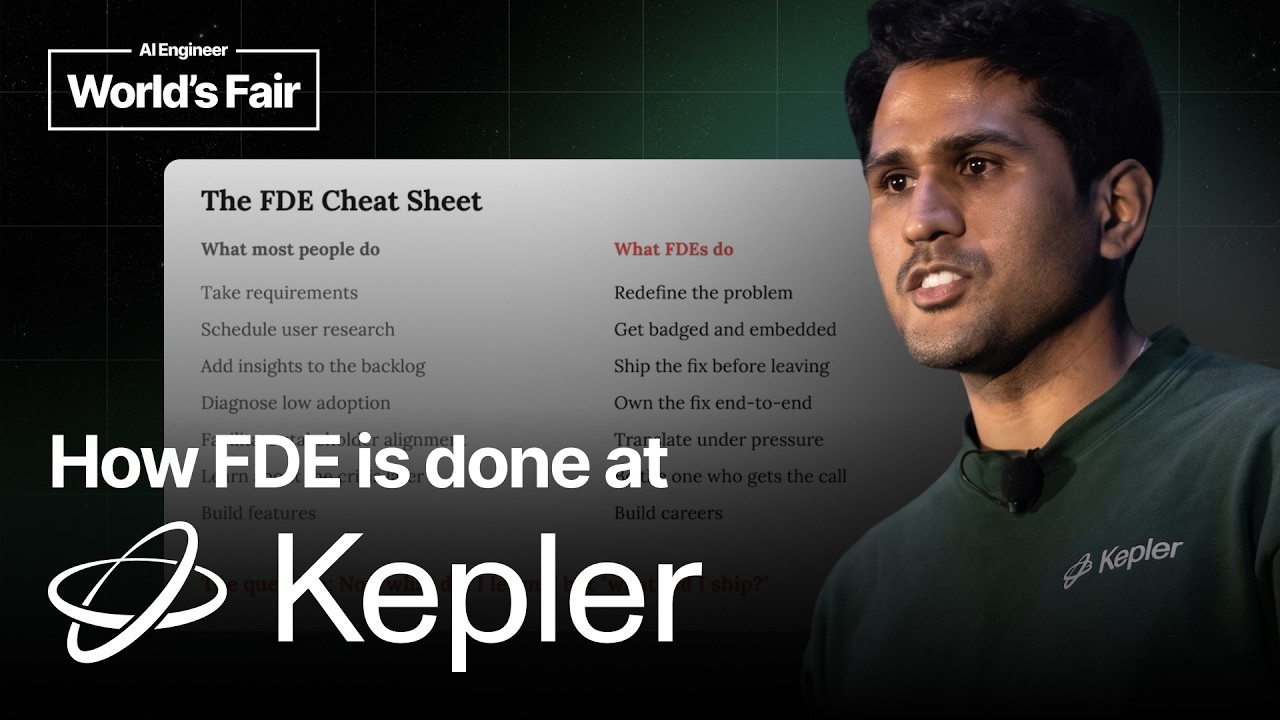
Vinoo Ganesh, formerly of Palantir, details how Forward Deployed Engineering (FDE) functions as a critical product strategy rather than a sales role. He shares insights from Palantir's Foundry development, emphasizing how FDEs embed with customers to uncover true problems, observe user behavior, define a common linguistic ontology, and build production-ready solutions from temporary fixes, ultimately driving core product leverage.

OpenAI’s Plan to Make ChatGPT the Everything App — Akshay Nathan, OpenAI

OpenAI’s Plan to Make ChatGPT the Everything App — Akshay Nathan, OpenAI

Akshay Nathan, head of Core Product Engineering at OpenAI, discusses the journey and rationale behind ChatGPT Work. He explains how Codex's unexpected adoption by non-developers led to a unified agent harness, blurring the lines between developer and knowledge worker tools. The conversation delves into model capabilities, the role of artifacts and interactive 'Sites' in replacing traditional documents, and how AI fosters a new era of 'T-shaped' generalists. Nathan emphasizes the shift in productivity bottlenecks to 'ideas and taste' and the importance of 'quality at-bats' over mere 'motion' in an AI-powered development landscape.

Why Netflix is betting on systems thinkers—not specialists—in the AI era | Elizabeth Stone (CPTO)

Why Netflix is betting on systems thinkers—not specialists—in the AI era | Elizabeth Stone (CPTO)

Elizabeth Stone, Netflix CPTO, discusses how AI is transforming product development and company culture. She highlights the increasing importance of "systems thinking," managing the influx of AI-generated output with clear guardrails, fostering "AI fluency" across all roles, and maintaining Netflix's unique "excellence as an operating system" through high talent density and a comfort with risk-taking. The conversation also explores AI's impact on content creation, the future of entertainment, and talent management.