Llm

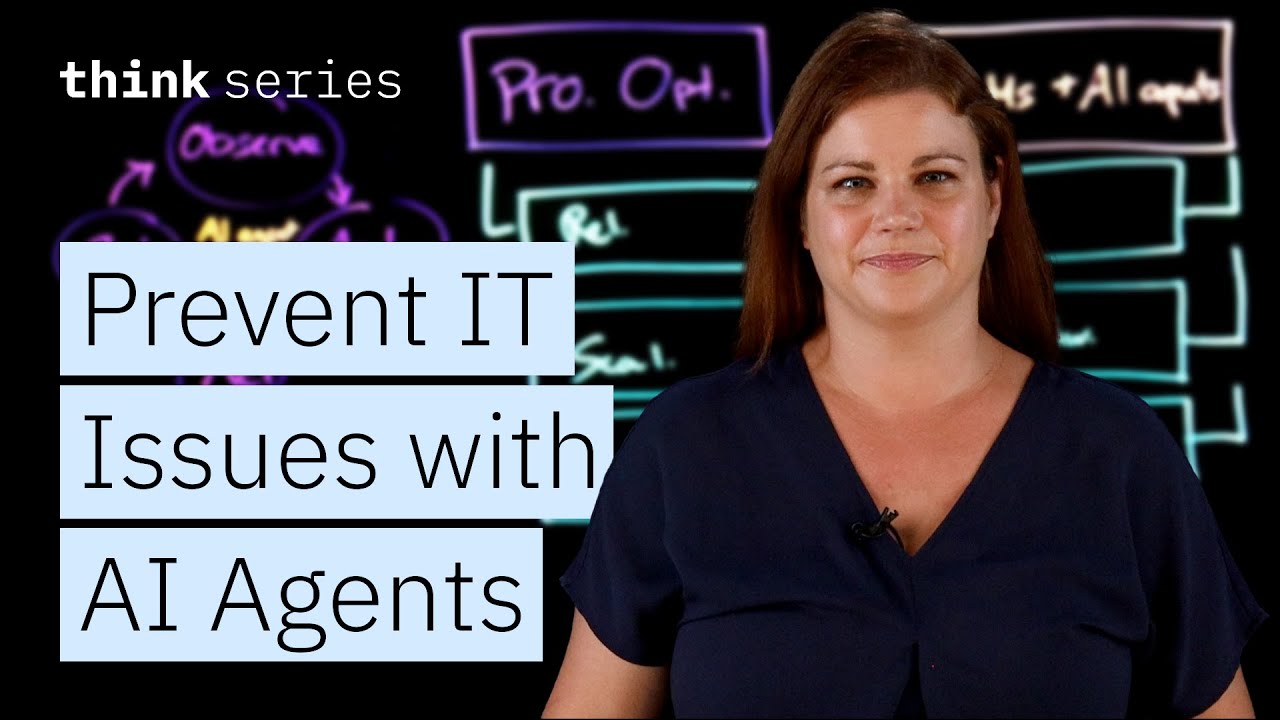
AI Agents & LLMs: Real-Time IT Issue Prediction & Prevention

AI Agents & LLMs: Real-Time IT Issue Prediction & Prevention

Amanda Downie explains the shift from reactive IT firefighting to proactive optimization, detailing how AI agents and LLMs use predictive analytics, topology mapping, and continuous learning loops to anticipate and prevent system issues before they occur.
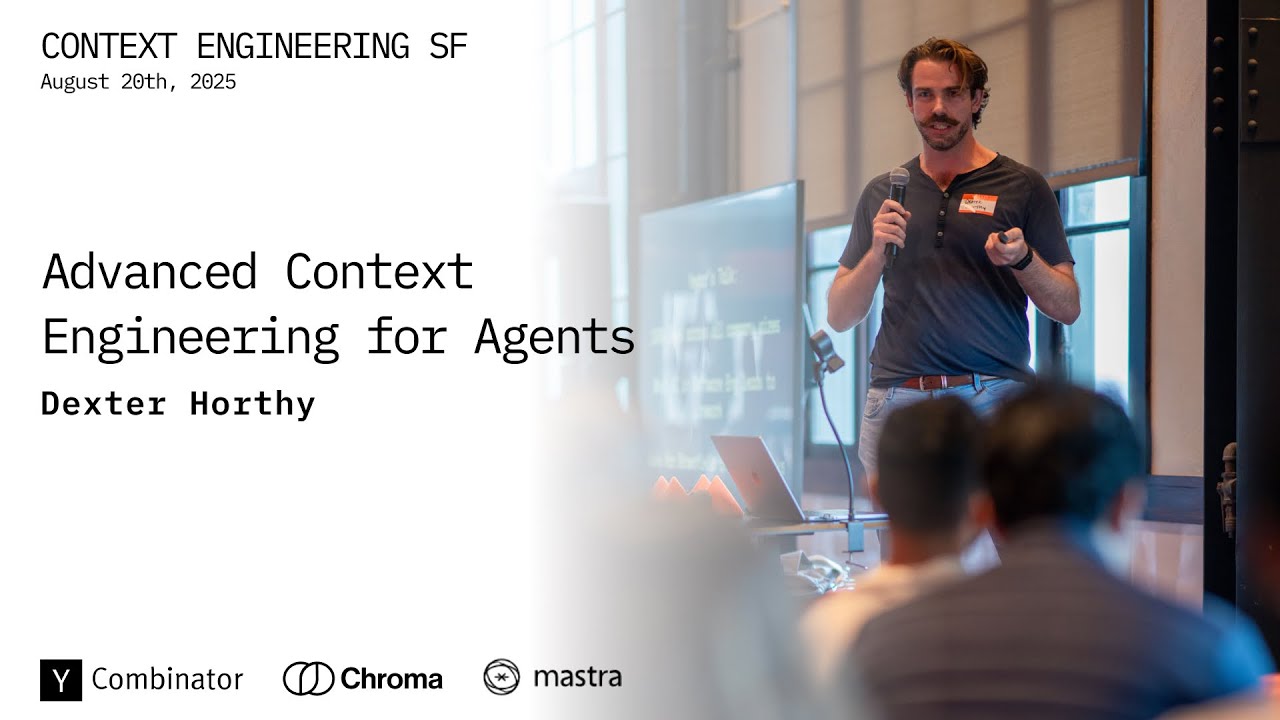
Advanced Context Engineering for Agents

Advanced Context Engineering for Agents

Dexter Horthy of Human Layer explains why naive AI coding agents fail in complex software projects and introduces 'Advanced Context Engineering.' He details a spec-first, three-phase workflow (Research, Plan, Implement) designed to manage context intentionally, keeping utilization below 40% to maximize model performance. This approach uses subagents and frequent compaction to turn AI from a prototyping tool into a production-ready system for large, brownfield codebases.

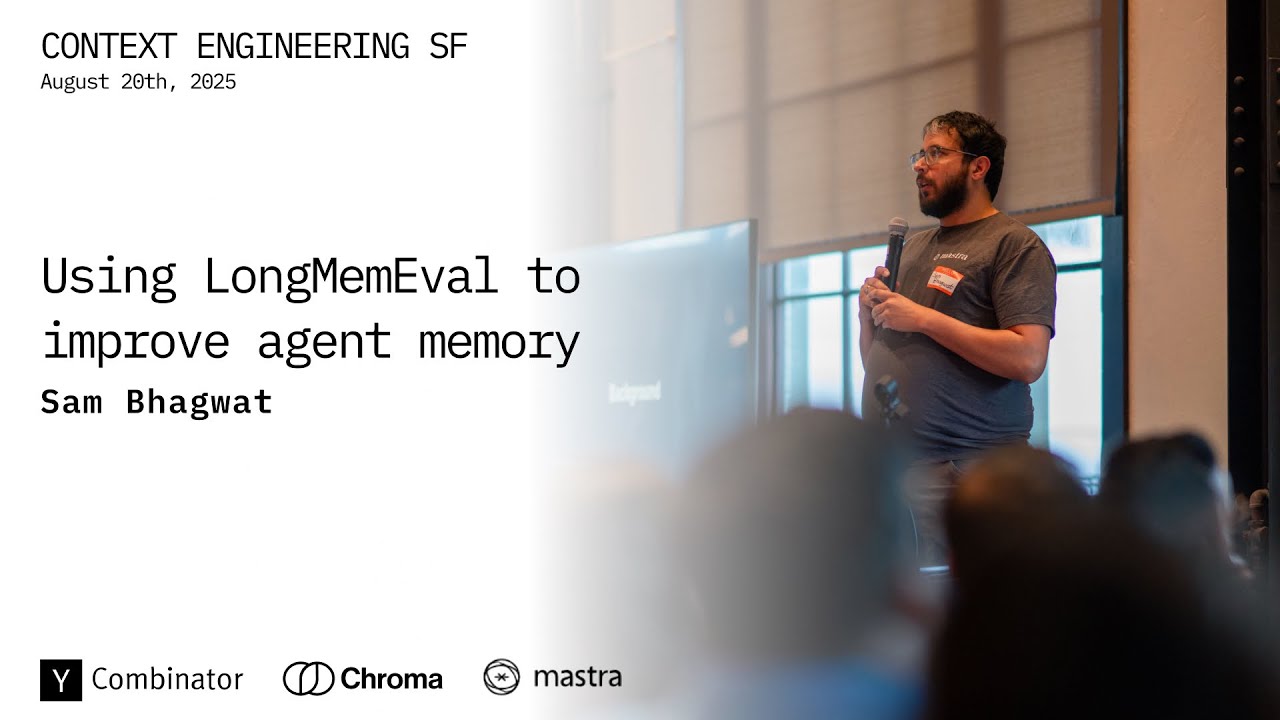
Using LongMemEval to Improve Agent Memory

Using LongMemEval to Improve Agent Memory

Sam Bhagwat of Mastra details their process for optimizing AI agent memory using the Long Mem Eval benchmark. He breaks down memory into subtasks like temporal reasoning and knowledge updates, and shares how targeted improvements—such as tailored templates, targeted data updates, and structured message formatting—led to state-of-the-art performance, emphasizing the importance of iterative evaluation.

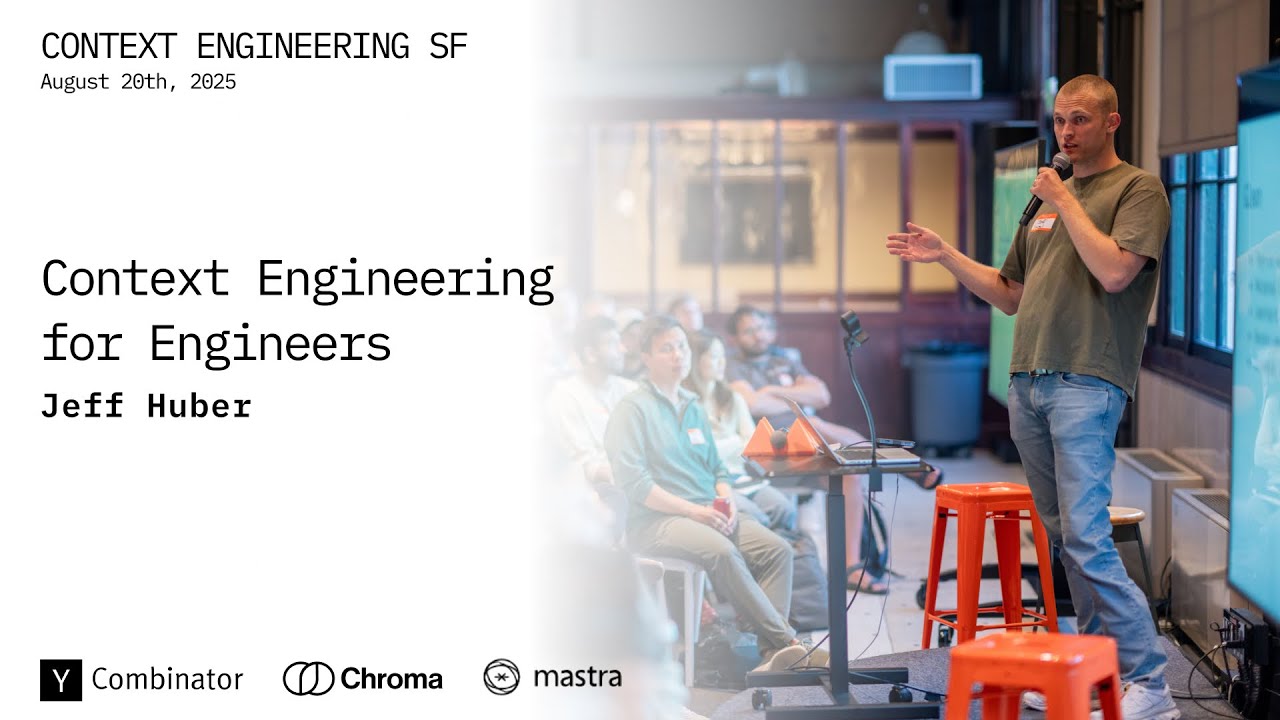
Conext Engineering for Engineers

Conext Engineering for Engineers

Jeff Huber of Chroma argues that building reliable AI systems hinges on 'Context Engineering'—the deliberate curation of information within the context window. He challenges the efficacy of long-context models, presenting a 'Gather and Glean' framework to maximize recall and precision, and discusses specific challenges and techniques for AI agents, such as intelligent compaction.

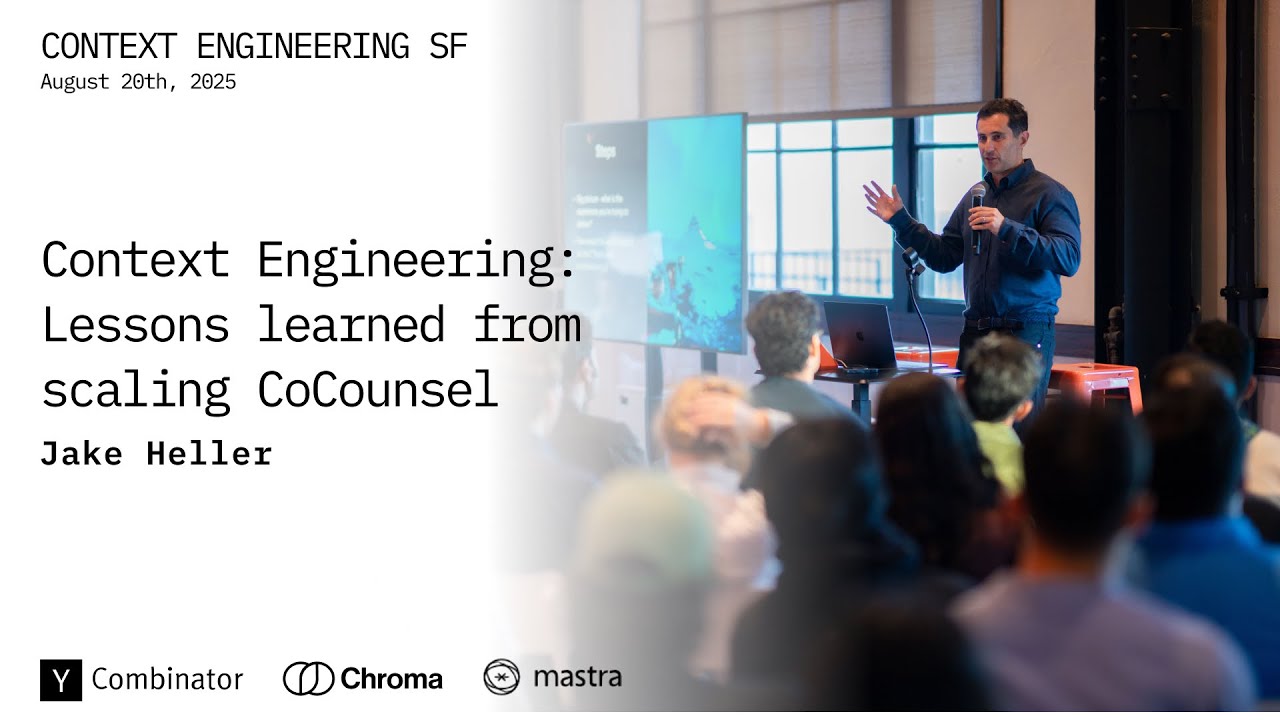
Context Engineering: Lessons Learned from Scaling CoCounsel

Context Engineering: Lessons Learned from Scaling CoCounsel

Jake Heller, founder of Casetext, shares a pragmatic framework for turning powerful large language models like GPT-4 into reliable, professional-grade products. He details a rigorous, evaluation-driven approach to prompt and context engineering, emphasizing iterative testing, the critical role of high-quality context, and advanced techniques like reinforcement fine-tuning and strategic model selection.

Iterating on Your AI Evals // Mariana Prazeres // Agents in Production 2025

Iterating on Your AI Evals // Mariana Prazeres // Agents in Production 2025

Moving an AI agent from a promising demo to a reliable product is challenging. This talk presents a startup-friendly, iterative process for building robust evaluation frameworks, emphasizing that you must iterate on the evaluations themselves—the metrics and the data—not just the prompts and models. It outlines a practical "crawl, walk, run" approach, starting with simple heuristics and scaling to an advanced system with automated checks and human-in-the-loop validation.