Llm costs

Databricks CEO: Stop Scaring People About AI

Databricks CEO: Stop Scaring People About AI

Databricks CEO Ali Ghodsi discusses the current state of AI, arguing against existential risk alarmism and advocating for a focus on immediate threats like AI-powered cyberattacks. He provides a rigorous definition for recursive self-improvement and explains how building an organizational 'ontology' can unlock massive productivity gains in enterprises. Ghodsi also covers the shift to multi-model AI strategies and cost management, highlighting how infrastructure is evolving to support agentic systems.
FinOps for AI Agents: Who Spent All the Tokens? — Tisha Chawla & Susheem Koul, Microsoft

FinOps for AI Agents: Who Spent All the Tokens? — Tisha Chawla & Susheem Koul, Microsoft

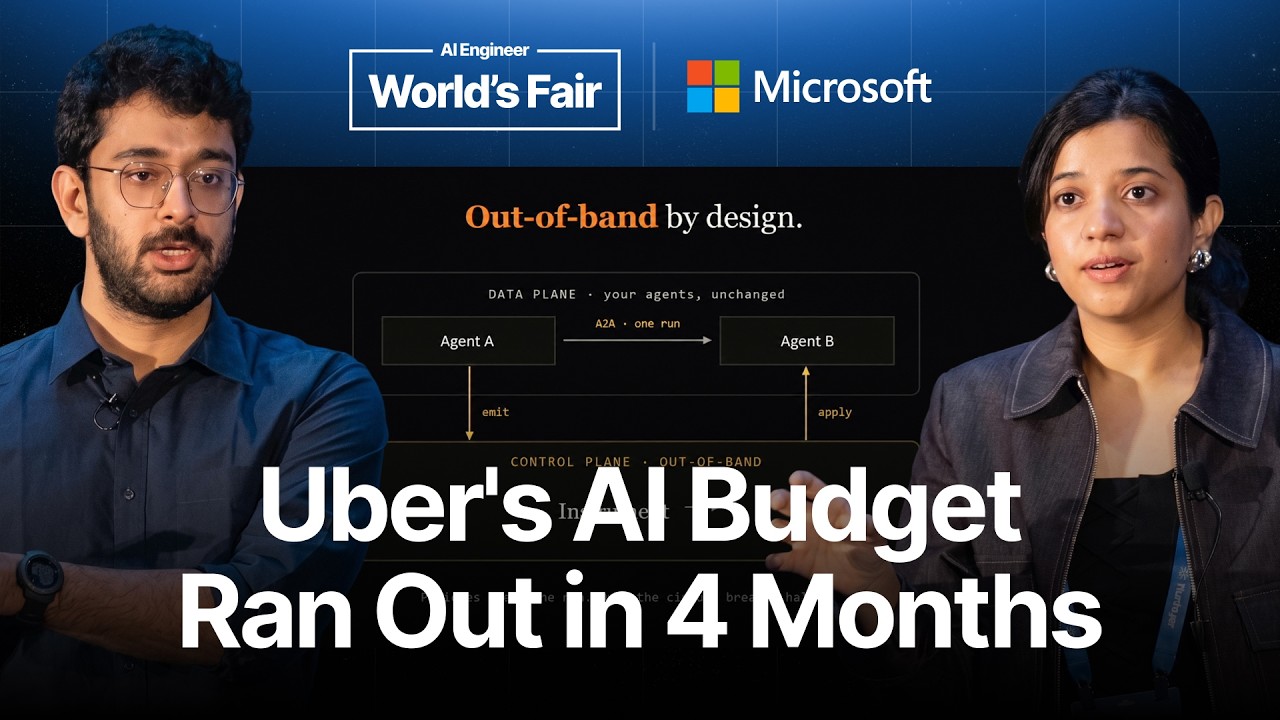
TokenOps introduces a novel control plane for managing AI agent costs, shifting from simple throttling to proactive steering. By integrating an out-of-band system that annotates agent methods and provides a policy-driven governor, TokenOps can dynamically modify agent behavior—like making outputs more succinct—to reduce token consumption and prevent runaway loops. This approach significantly cuts average spend (78%) and dramatically improves run completion rates (from 67% to 96%) compared to traditional halting mechanisms, offering granular, attributable cost control for the agentic era.

Open Source Is Dead. Long Live Open Source. — Saoud Rizwan, Cline

Open Source Is Dead. Long Live Open Source. — Saoud Rizwan, Cline

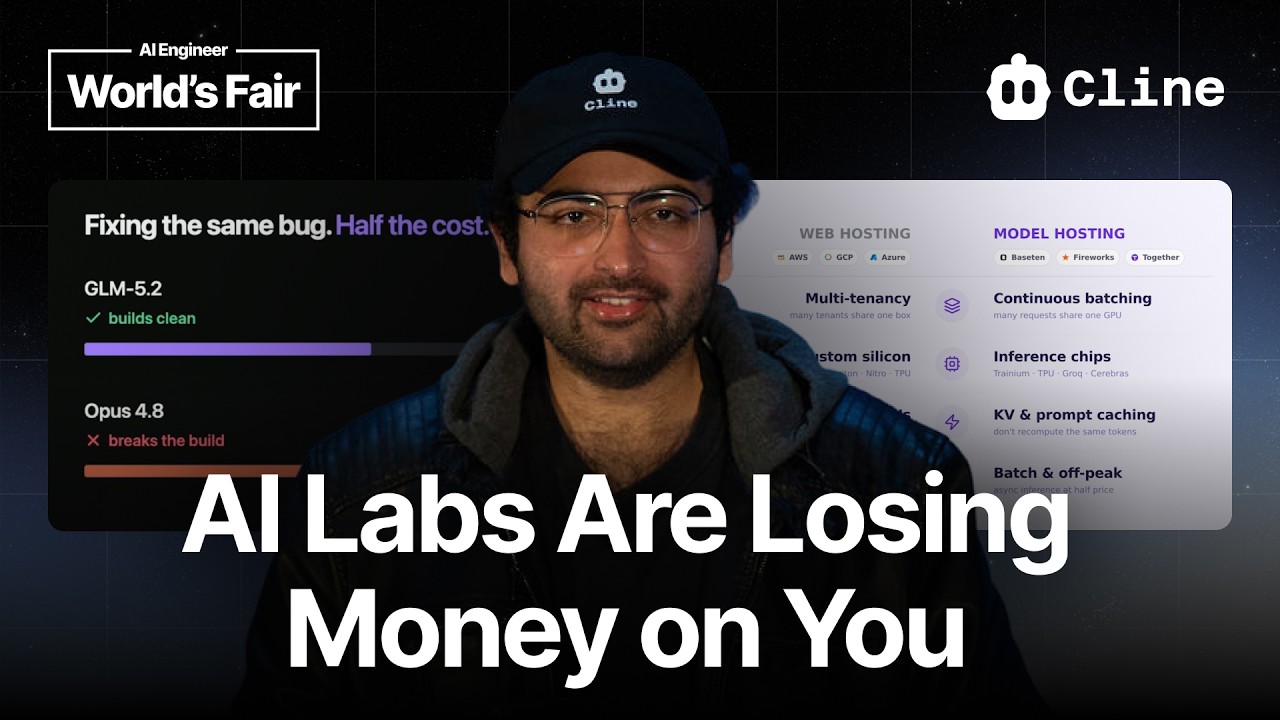
Saoud Rizwan, founder of Cline, discusses how AI has eroded trust in open-source communities, leading projects like Zig and curl to restrict AI-generated contributions and exposing severe supply chain risks, as seen with the litellm compromise. He argues that while community open source is struggling, the economic imperative of "open weights" models is rising. Citing the high costs of closed LLMs and the success of models like GLM at Coinbase, Rizwan draws parallels to the Open Compute project, predicting a commoditization of AI inference. He urges American labs to release open-weights models to maintain technological leadership against foreign competitors and prevent lock-in.