Large language models

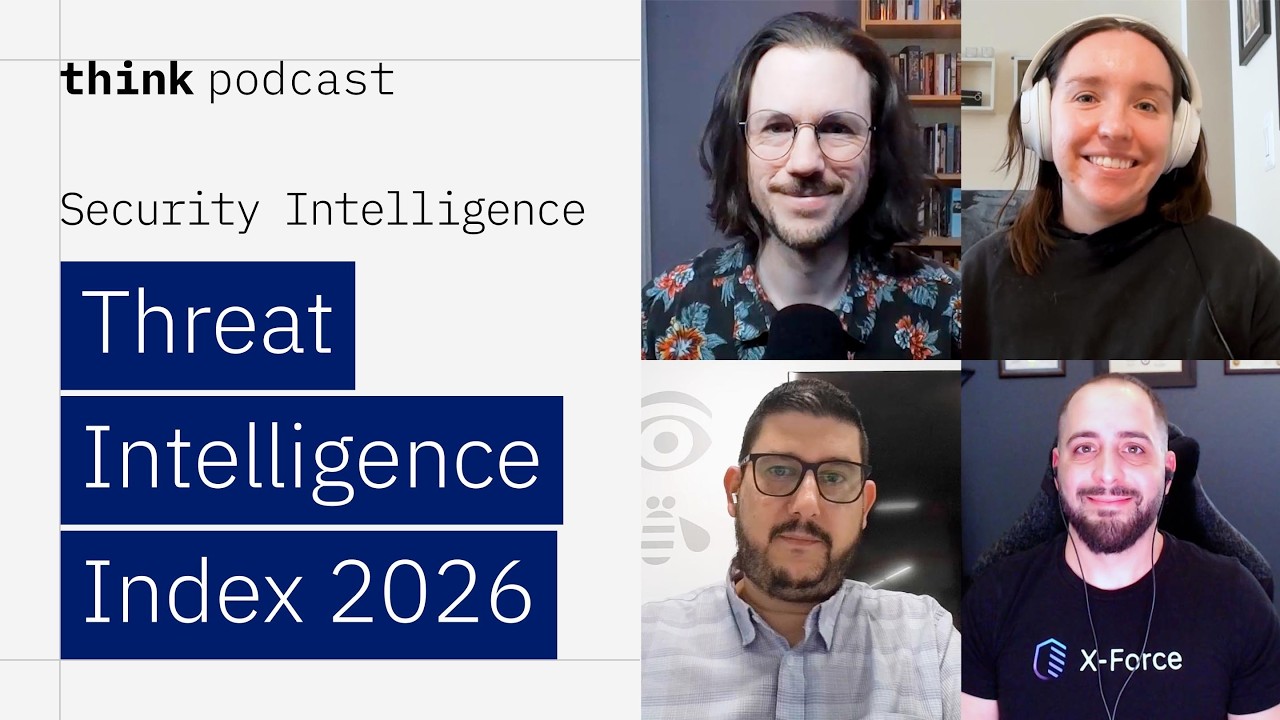
Exploits of public-facing apps are surging. Why?

Exploits of public-facing apps are surging. Why?

A deep dive into the 2026 IBM X-Force Threat Intelligence Index, exploring the shift to exploiting public-facing applications, the rise of AI agent-related threats, critical AI infrastructure flaws, and the need for a more human-centric approach to threat intelligence.
The Laws of Thought: The Math of Minds and Machines, with Prof. Tom Griffiths

The Laws of Thought: The Math of Minds and Machines, with Prof. Tom Griffiths

Princeton Professor Tom Griffiths discusses his book "The Laws of Thought," exploring the mathematical models that govern both biological and artificial intelligence. He details the fundamental differences between human and machine cognition, rooted in their vastly different constraints, and explains how concepts like inductive bias, probability, and curiosity can bridge the gap between cognitive science and modern AI.

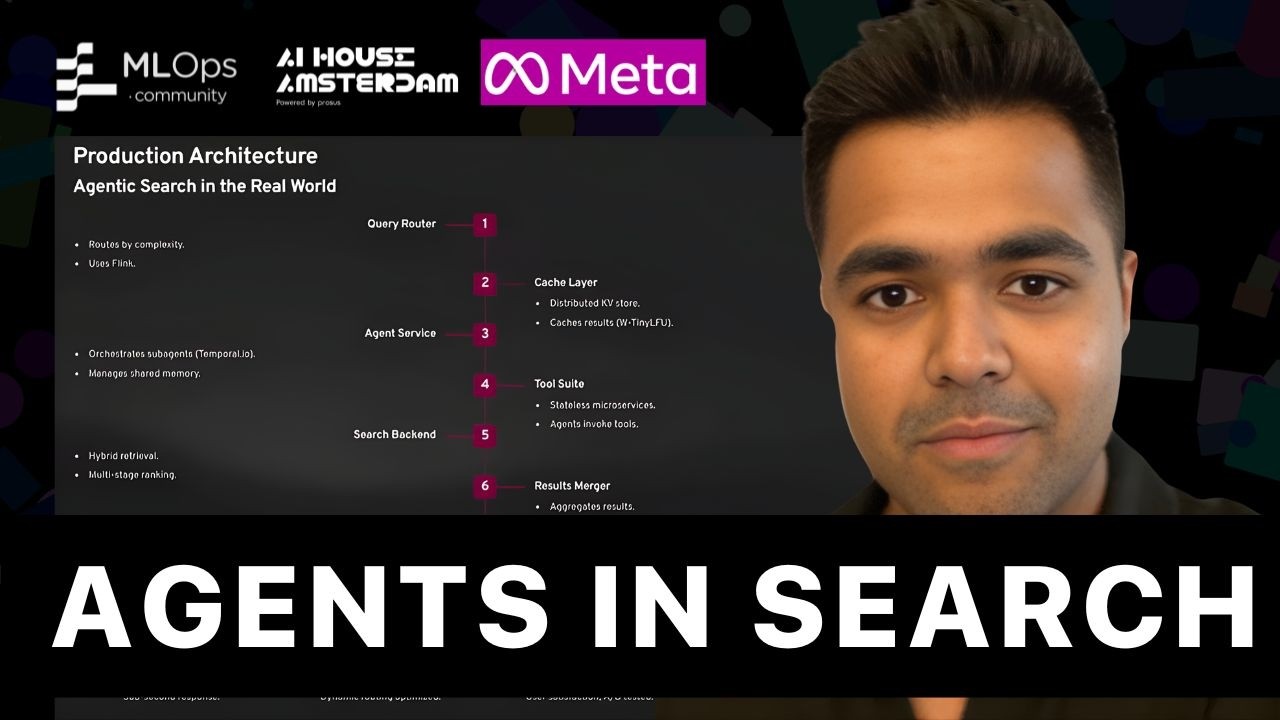
Agents as Search Engineers // Santoshkalyan Rayadhurgam

Agents as Search Engineers // Santoshkalyan Rayadhurgam

Large language models are transforming search from a static, stateless process into a dynamic, agent-based reasoning system. This talk explores the practical patterns—like query rewriting, hybrid retrieval, and agent-based reranking—for building and deploying these 'agentic search' systems at scale, covering the architectural principles, production challenges, and the future trajectory where search itself may dissolve into understanding.

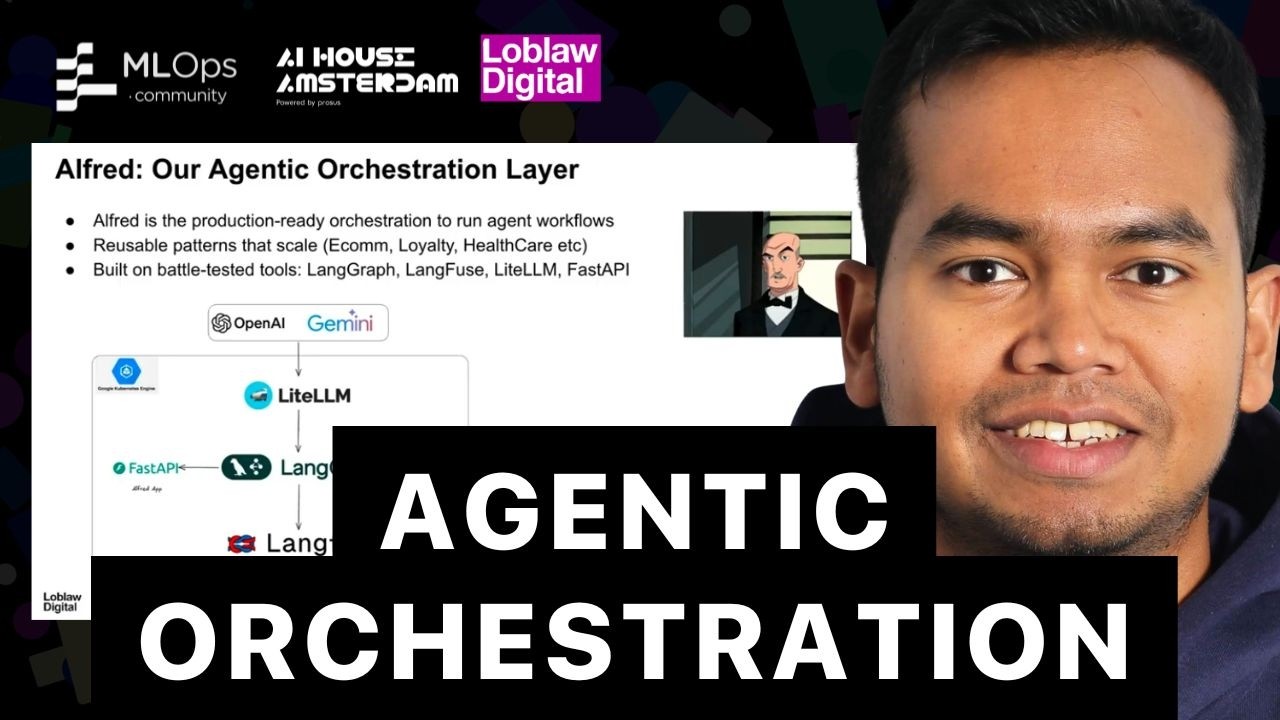
Building an Orchestration Layer for Agentic Commerce at Loblaws

Building an Orchestration Layer for Agentic Commerce at Loblaws

Mefta Sadat from Loblaw Digital discusses Alfred, an agentic orchestration layer designed to run AI shopping agents reliably in production. He covers the architecture built with LangGraph and GCP, the role of the Model Context Protocol (MCP) in simplifying API interaction, and practical MLOps strategies for observability, cost management, and ensuring reliability.

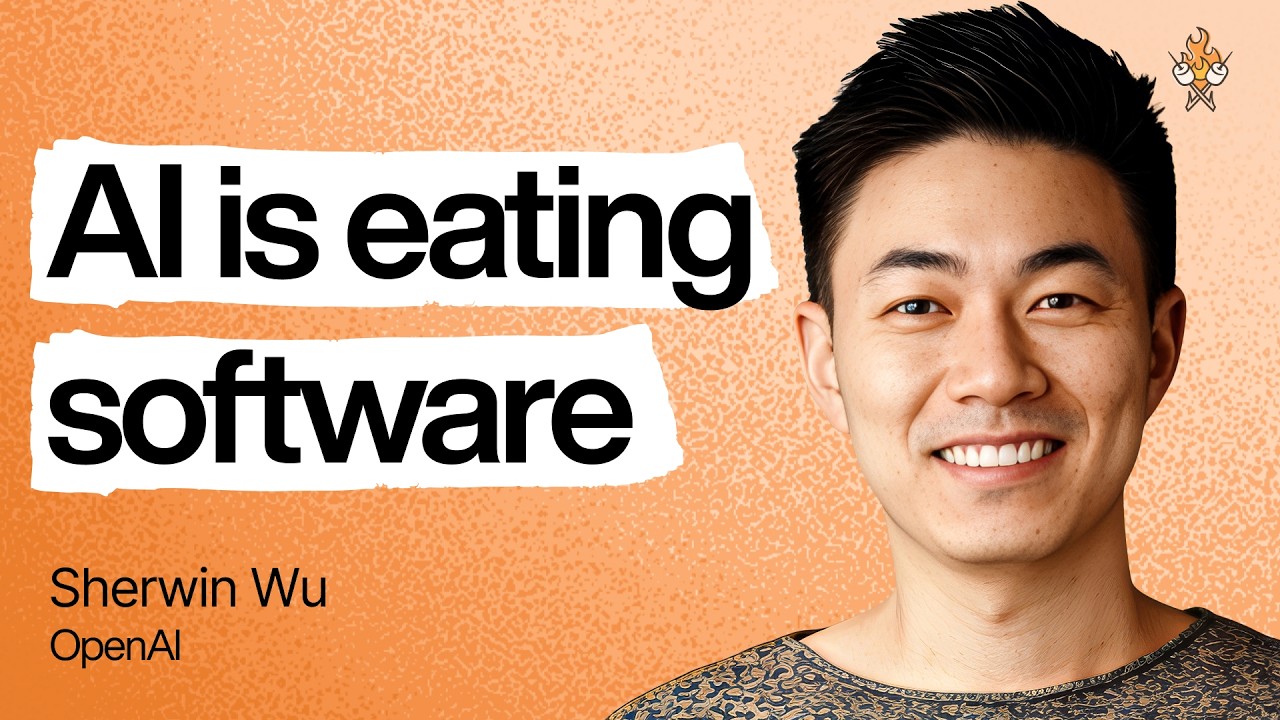
“Engineers are becoming sorcerers” | The future of software development with OpenAI's Sherwin Wu

“Engineers are becoming sorcerers” | The future of software development with OpenAI's Sherwin Wu

Sherwin Wu, head of engineering for OpenAI’s API platform, discusses the radical transformation of software engineering. He shares how 95% of OpenAI engineers use Codex to manage fleets of AI agents, cutting code review times from 15 to 3 minutes. Wu explores the widening productivity gap, the changing role of managers in an AI-first world, and why "models will eat your scaffolding for breakfast", urging developers to build for where AI is going, not where it is today.

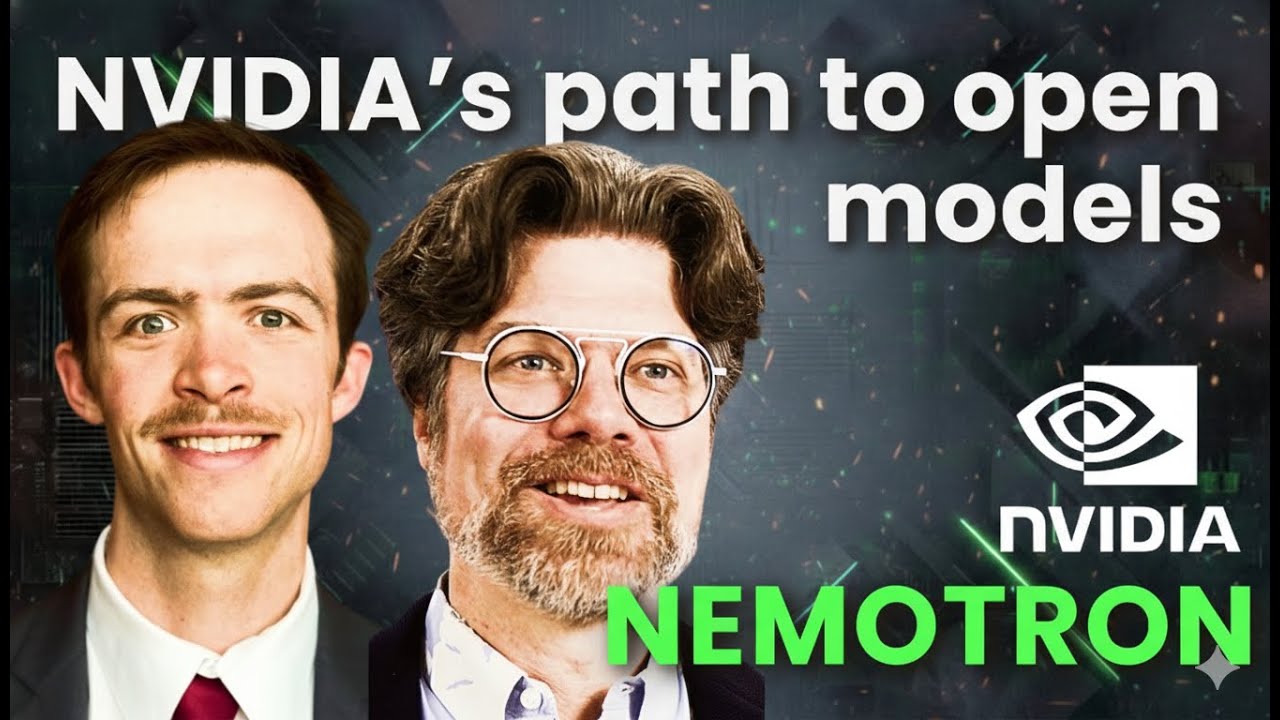
Why NVIDIA builds their own open models | Nemotron w/ Bryan Catanzaro

Why NVIDIA builds their own open models | Nemotron w/ Bryan Catanzaro

Bryan Catanzaro, NVIDIA's VP of Applied Deep Learning Research, explains the business rationale behind developing open models like Nemotron. The strategy is twofold: to drive internal systems R&D for future hardware and to support the broader AI ecosystem, which in turn expands NVIDIA's market.