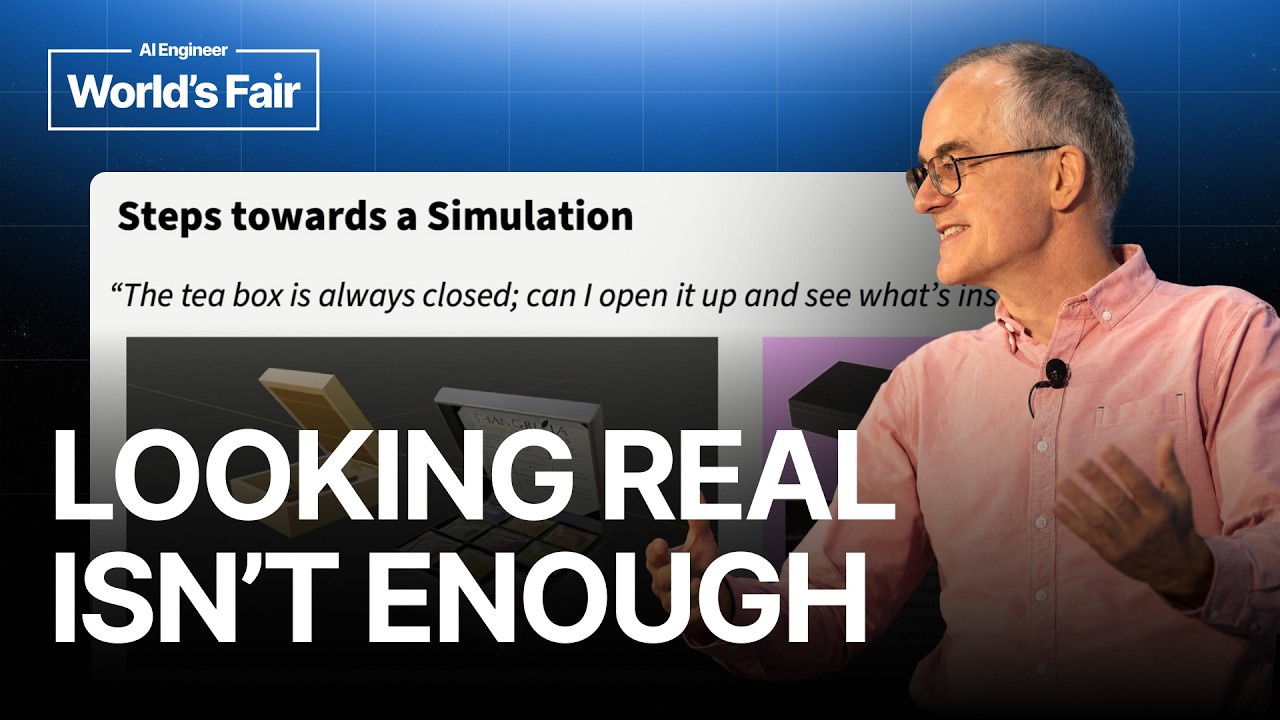
World Models Need Causality, Not Pretty Pixels — Christopher Manning, Moonlake AI
Christopher Manning, Stanford professor and now at Moonlake AI, traces AI history from Dartmouth in 1956 and Shakey the robot through the rise of large language models. He then argues for embodied intelligence built on action-conditioned simulation, and shows how Moonlake turns a photo into a manipulable, code-based world that can close the sim-to-real gap.
SOTA Generative Media Panel — Dumitru Erhan, Shane Gu & Nicole Brichtova, Google DeepMind
This detailed discussion with Google AI researchers highlights the latest generative video models (NanoBanana 2 Lite, Gemini Omni Flash APIs) and their applications, including video editing, education, and localization. The conversation critically examines whether language is an adequate intermediate representation for AI, especially for sensory experiences like audio and taste, where human vocabulary is limited. It exposes the unreliability of human preferences in evaluating AI-generated content, citing the "Instagram filter effect" and "wedding ring" reward hacking as examples. The researchers emphasize the importance of high-quality, real-world data and the critical role of forward-deployed engineers in bridging the gap between cutting-edge research and practical applications.
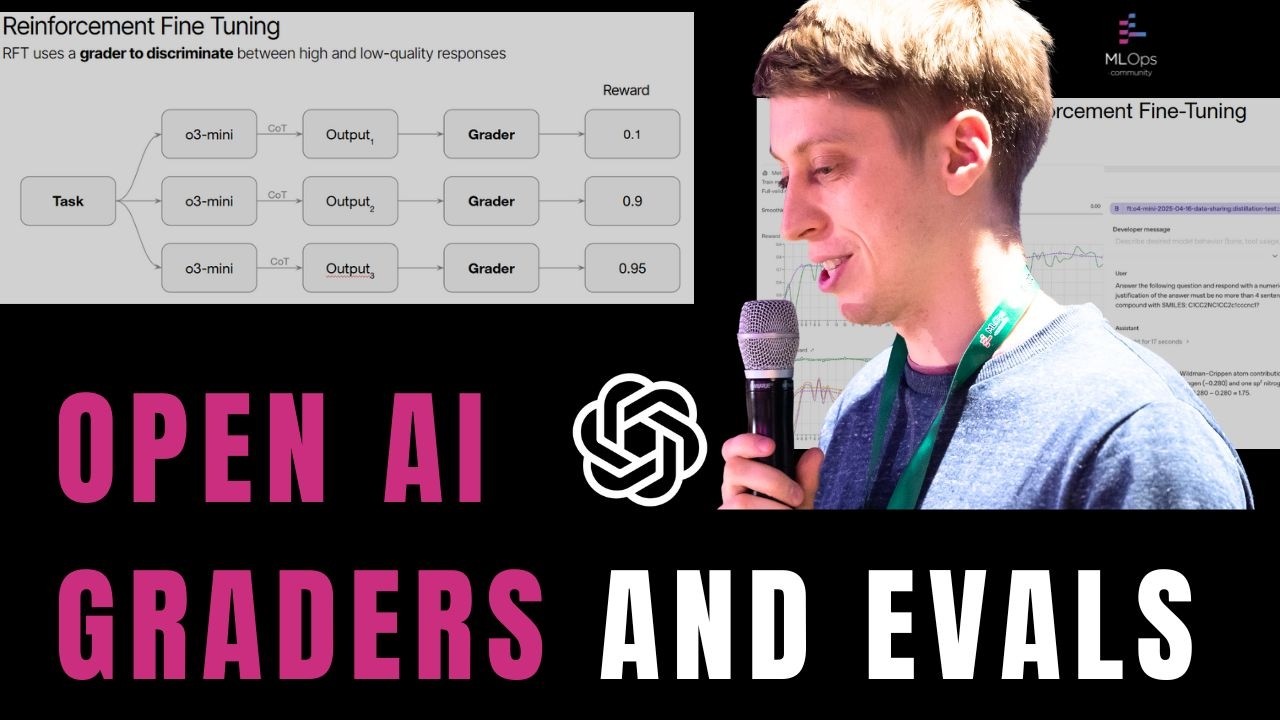
Collaborative AI Agents At OpenAI
Robert from OpenAI discusses the critical role of structured evaluations (evals) and graders for developing advanced collaborative agents. He explores the limitations of 'vibe-based' assessments, introduces a maturity model for evals, and presents a comprehensive rubric for measuring agent performance beyond simple accuracy, connecting these concepts to the power of Reinforcement Fine-Tuning (RFT).