Internal tools

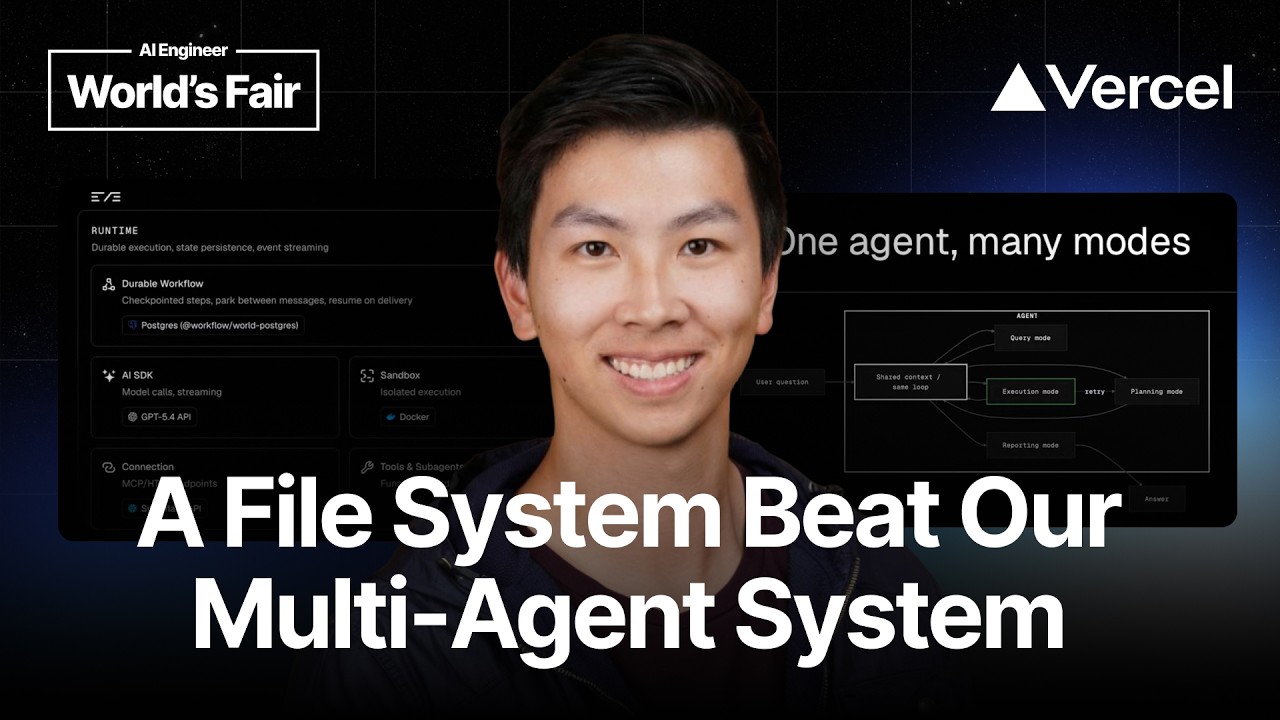
How We Solved Agent Building — Andrew Qu, Vercel

How We Solved Agent Building — Andrew Qu, Vercel

Andrew Qu, Chief of Software at Vercel, details the year-long journey of building an internal data science agent, from its initial "awful" state to the release of Eve, a framework for agent development. He covers iterative architectural improvements, the critical "file system unlock" inspired by Claude Code, and the distillation of common queries into reusable "skills," culminating in a framework that simplifies the creation of specialized, company-specific AI agents.
500 Skills, Zero Fine-Tuning: LinkedIn's Playbook for AI Agents — Ajay Prakash, LinkedIn

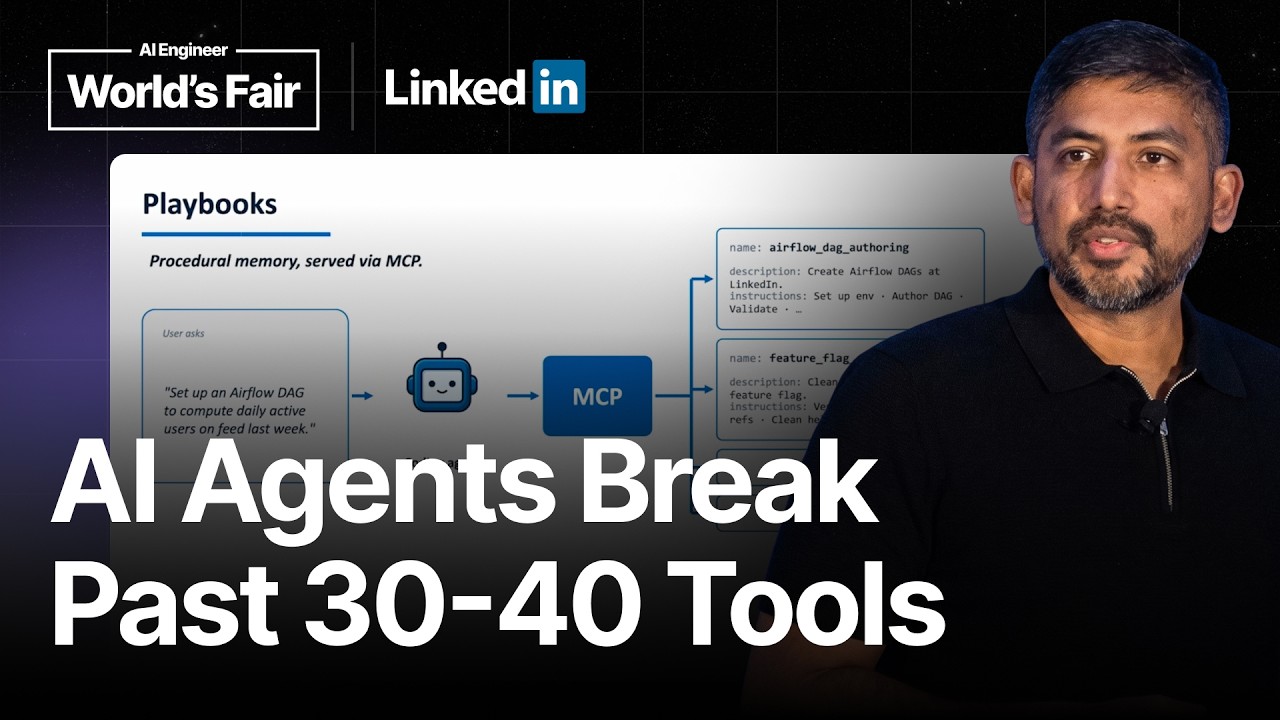
500 Skills, Zero Fine-Tuning: LinkedIn's Playbook for AI Agents — Ajay Prakash, LinkedIn

LinkedIn revolutionized its approach to AI agents by addressing the inherent limitations of LLMs in complex enterprise environments. Facing issues like hallucinations due to a lack of internal context, they developed a system of "playbooks" — structured, self-contained instructions published as tools. To scale beyond typical MCP limitations, they introduced three meta-tools (search, get schema, execute), enabling agents to dynamically discover and utilize thousands of internal tools and playbooks. This self-improving, context-aware infrastructure empowers agents to handle tasks from incident response to code generation, significantly boosting developer productivity and ensuring reliability.

Inside the Team That Killed Mandatory Code Review — Quinn Slack, AMP

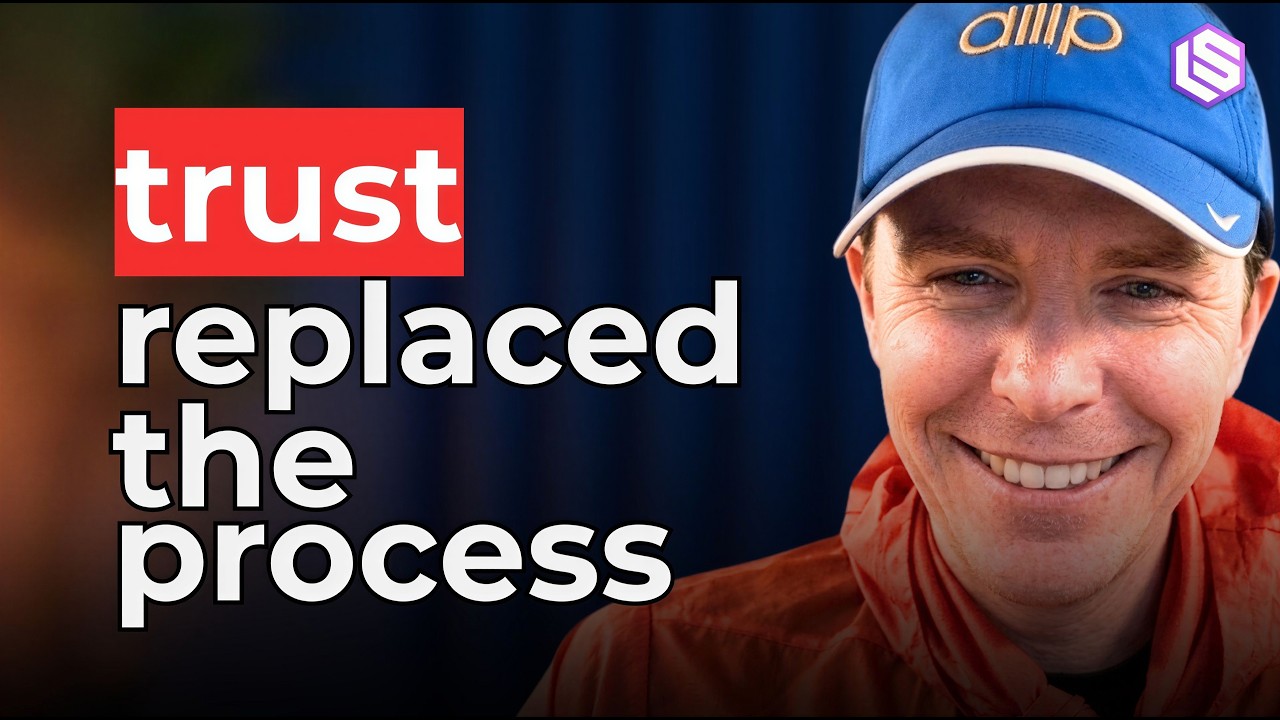
Inside the Team That Killed Mandatory Code Review — Quinn Slack, AMP

Quinn from AMP discusses a paradigm shift towards cloud-native AI agents and remote development, advocating for the end of local development and traditional code review. He details how AMP's 'Orbs' enable parallel, secure, and remote execution, and how agents are transforming internal tools ('jellyware'), diminishing the role of GitHub and traditional CI/CD, and fostering a lean, high-trust company structure.