Graph databases

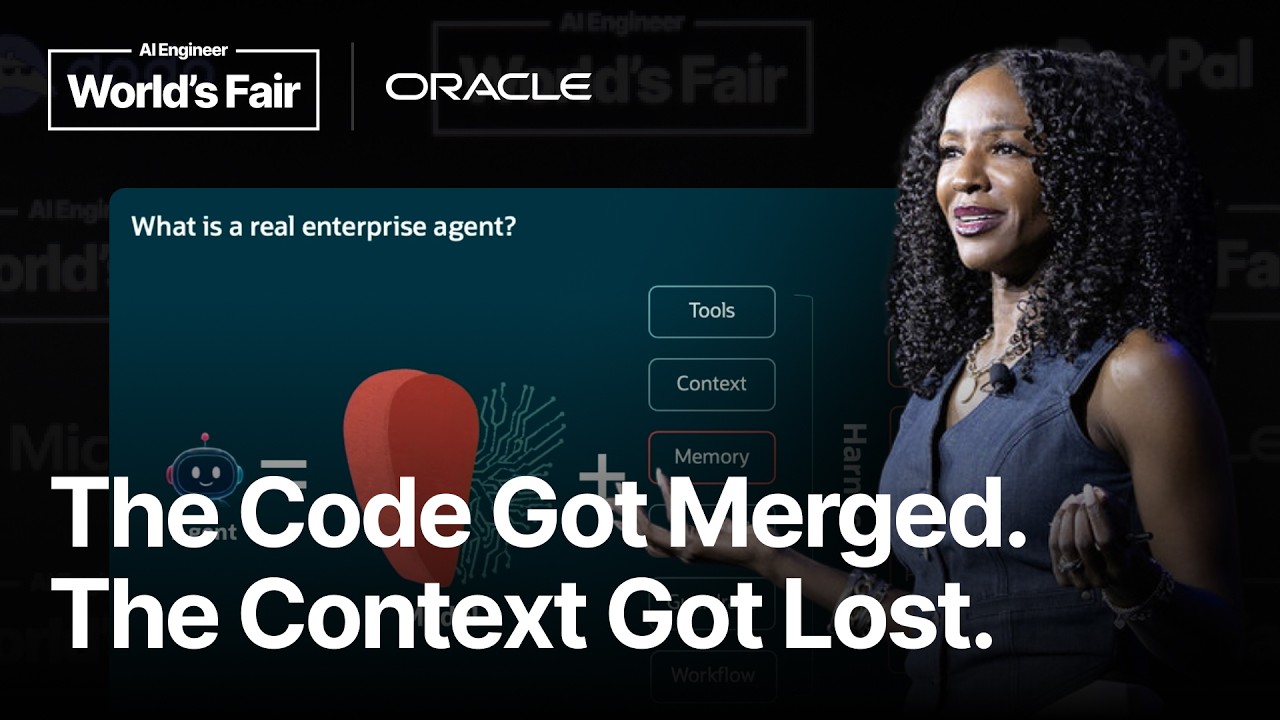
No Memory, No Harness: Why the Database Is the Last Line of Defense — Kay Malcolm, Oracle

No Memory, No Harness: Why the Database Is the Last Line of Defense — Kay Malcolm, Oracle

Kay Malcolm discusses how AI, while boosting individual performance, often hinders overall team productivity due to fragmented context. She introduces the concept of an "agent harness" with "memory" as its central nervous system, vital for sharing context. Drawing on personal experiences with database sprawl, she highlights the inefficiencies of storing diverse memory types across multiple data stores. Malcolm then presents Oracle's AI database (26AI) as a unified solution, capable of natively managing all memory types in a single platform, thereby enhancing team collaboration and solving the context problem for enterprise AI agents.
CrabRAG: Why Automated Assistants Need Graph Memory, Not More Tokens — Stephen Chin, Neo4j

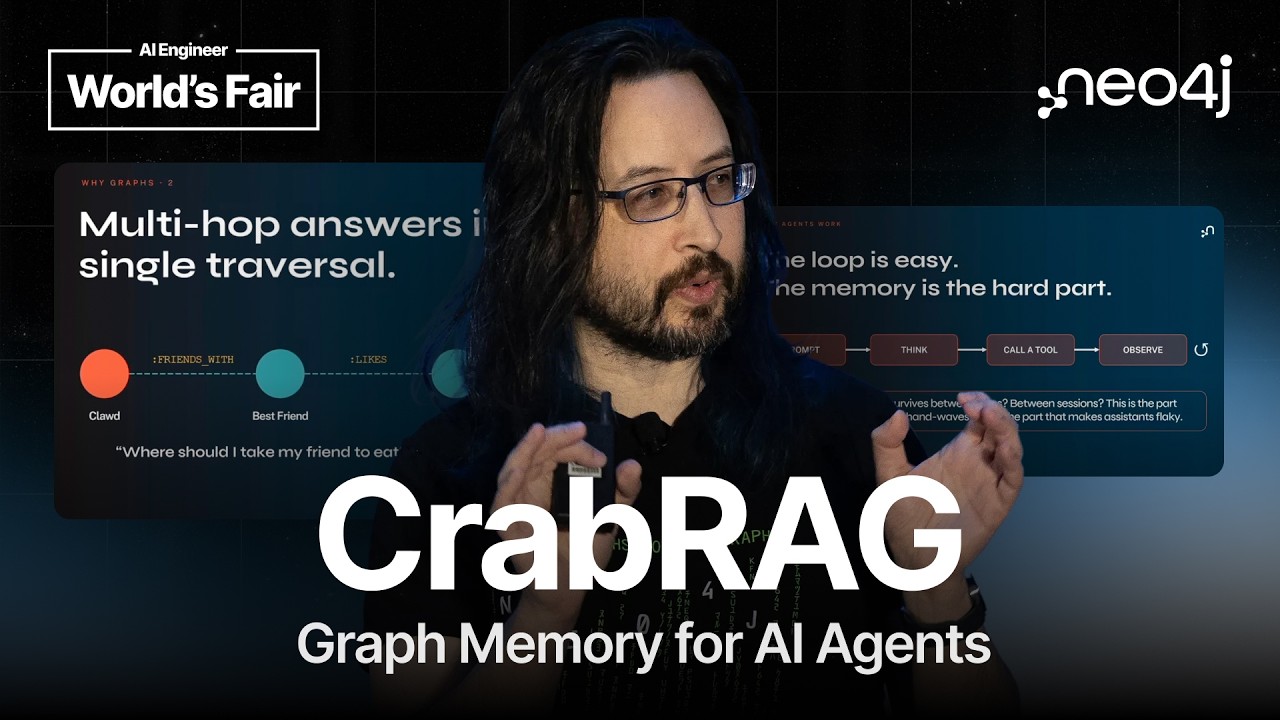
CrabRAG: Why Automated Assistants Need Graph Memory, Not More Tokens — Stephen Chin, Neo4j

Stephen Chin demonstrates how current LLM agent memory systems, relying on markdown files or vector databases, lead to token inefficiency, hallucinations, and a lack of multi-hop reasoning. He showcases graph databases as a superior alternative, providing precise, explainable, and auditable answers for complex, large-scale problems through a live demo of a home lab digital twin.

Stop AI Agent Hallucinations: 5 Techniques + Production Patterns - Elizabeth Fuentes, AWS

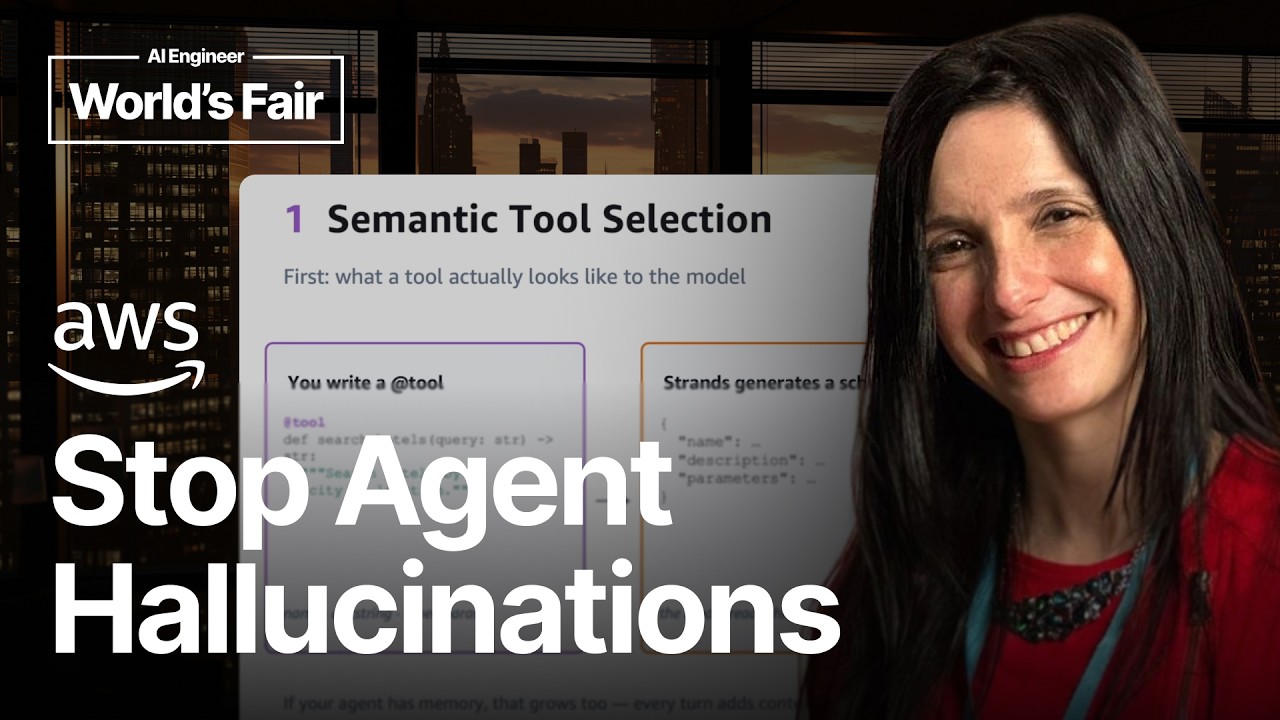
Stop AI Agent Hallucinations: 5 Techniques + Production Patterns - Elizabeth Fuentes, AWS

Explore five research-backed techniques to overcome common AI agent architectural limitations like hallucination, inefficient tool use, and rule violations. Learn how to implement semantic tool selection, Graph-RAG, multi-agent validation, neurosymbolic guardrails, and agent steering through code changes, not prompt engineering, and deploy them using AWS Bedrock Agent Core for robust and cost-effective AI agents.