Feature

The Prompt Is Still a Punch Card - Ted Johnson, JoinIn AI

The Prompt Is Still a Punch Card - Ted Johnson, JoinIn AI

Ted Johnson argues that current AI interfaces, particularly prompting, operate on an outdated "batch processing" protocol akin to punch cards. Despite advanced LLM capabilities, this interface design forces humans to adapt to machines, hindering natural interaction. He advocates for a shift towards human-compatible interfaces where AI actively participates in real-time conversation, leveraging its intelligence to remove user burdens and amplify human potential.
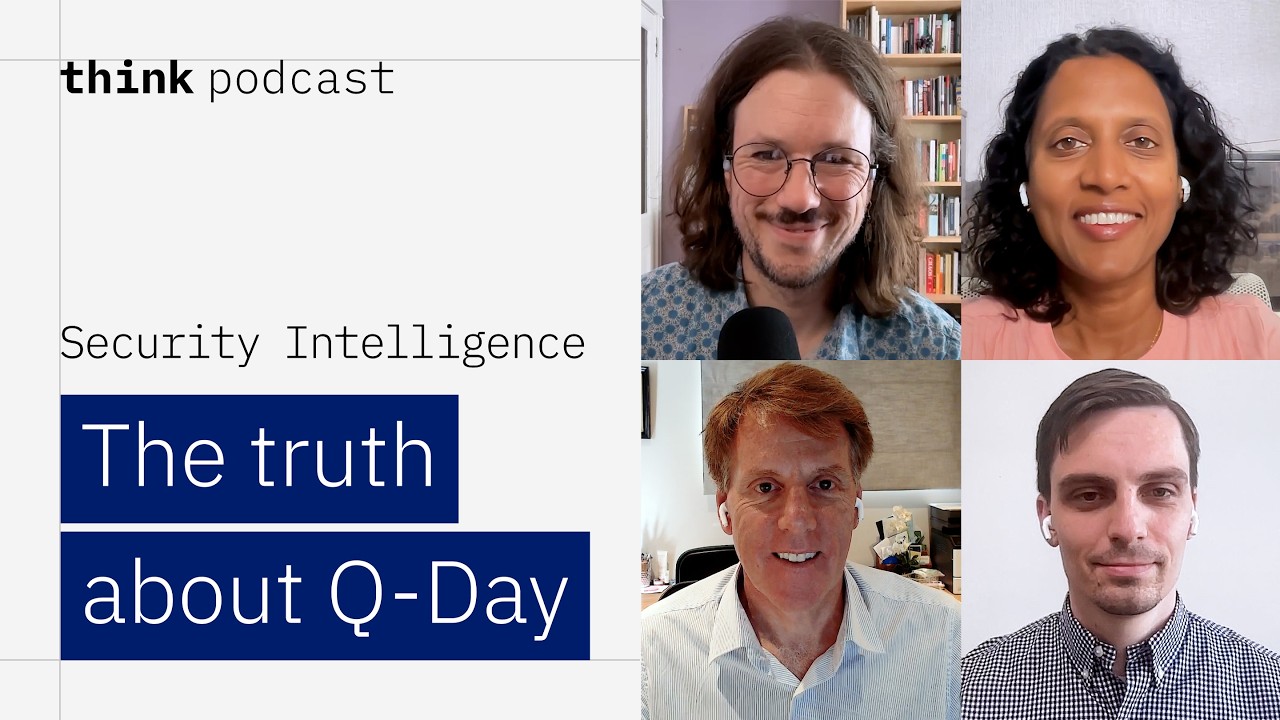
The new post-quantum cryptography executive order. Plus: What is Q-Day, really?

The new post-quantum cryptography executive order. Plus: What is Q-Day, really?

This episode delves into Q-Day, the anticipated future when quantum computers can break public key cryptography, and the U.S. Executive Order accelerating the transition to post-quantum cryptography. Experts discuss why Q-Day is a gradual process rather than a sudden event, the critical importance of "crypto-agility" as a long-term strategy, and the necessity for organizations to begin immediate discovery and planning to secure data against "collect now, decrypt later" threats. The discussion also touches upon the broader, transformative benefits of quantum computing beyond just security.

Session on Reasoning

Session on Reasoning

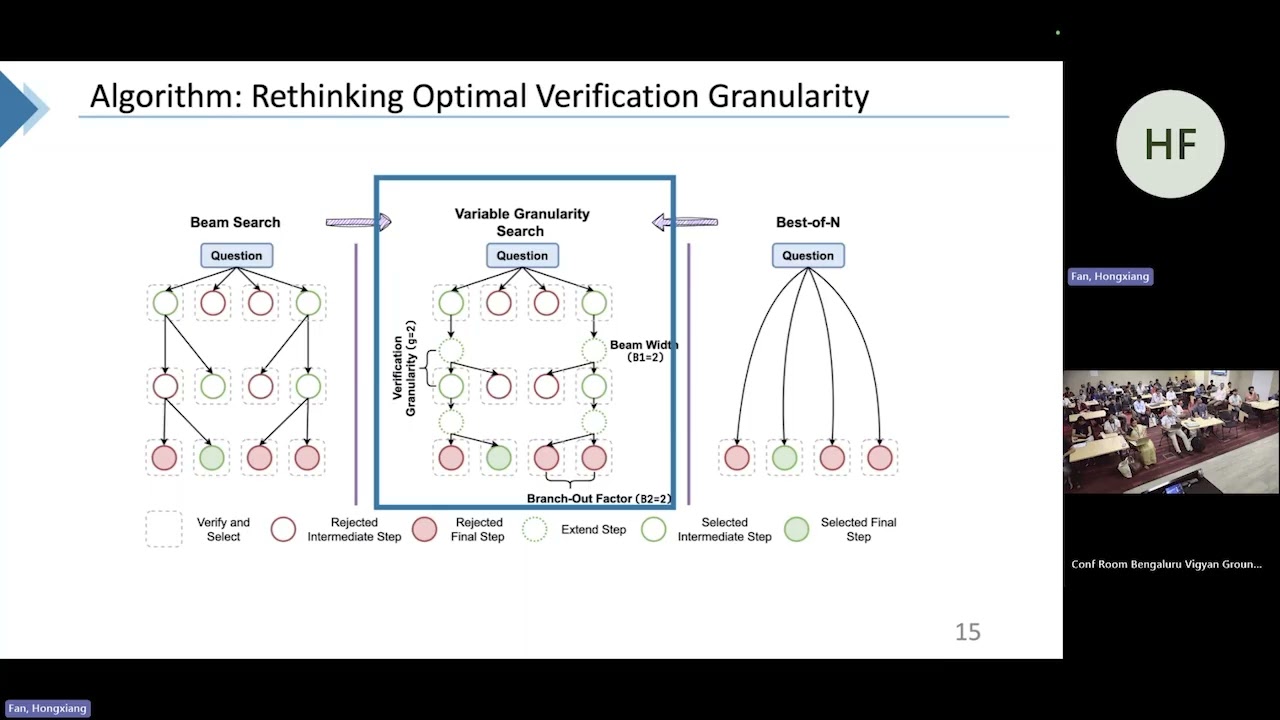
This session features two talks on optimizing and verifying AI reasoning. Hongxiang Fan discusses cross-stack co-design for efficient AI, focusing on Test-Time Scaling (TTS) challenges, optimal verification granularity, and system-level optimizations for edge deployments. Nagarajan Natarajan introduces 'Advancing Verified Reasoning' with the InterVent platform, aiming to ensure AI agents comply with complex policies through formal verification, dynamic steering, and leveraging verification signals for training. Both emphasize addressing the computational and reliability costs of advanced AI.

Multimodal & Embodied Intelligence (Pt 1), Panel on Multimodal AI: Progress, Pitfalls, Possibilities

Multimodal & Embodied Intelligence (Pt 1), Panel on Multimodal AI: Progress, Pitfalls, Possibilities

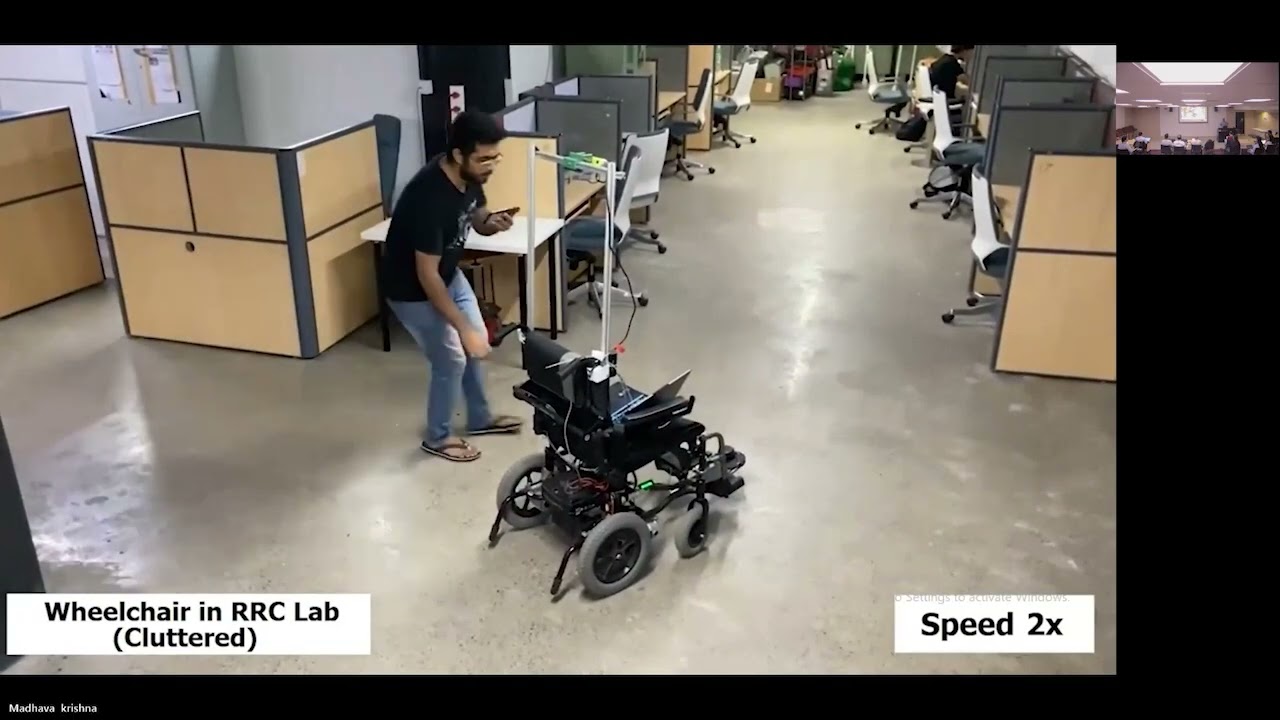
This session explored Multimodal and Embodied Intelligence, featuring talks on hybrid AI in robotics (classical vs. end-to-end), AI's role in healthcare (focusing on NCDs, deployment, and uncertainty modeling), and fundamental perception challenges in multimodal reasoning (using educational video QA and visual puzzles). A panel discussed the impact of foundation models, the blurred lines between AGI and human-like AI, critical deployment pitfalls (human factors, efficiency, architectural limits), and future directions, emphasizing task-specific models and the redefinition of 'foundation models.'

Sustainable Augmented Development • Kent Beck • YOW! 2025

Sustainable Augmented Development • Kent Beck • YOW! 2025

Kent Beck's presentation at YOW! Australia 2025 explores the transformative impact of augmented development ('the genie') on software engineering. He argues that AI shifts programming into an exploratory phase, requiring a re-evaluation of traditional practices. Beck introduces the concept of 'resting between the notes' to foster optionality over mere feature churn, and makes a compelling case for the increased value of junior developers as AI tools become powerful learning aids, emphasizing that 'nobody knows' the future but we must 'take our time' to adapt effectively.

How KV Cache Speeds Up LLMs for Faster AI Models on GPUs

How KV Cache Speeds Up LLMs for Faster AI Models on GPUs

LLMs often slow down under heavy traffic due to inefficient GPU memory management during inference. This overview explains how KV cache and Paged Attention, implemented in VLLM, optimize memory usage across prefill and decode phases, significantly boosting LLM throughput, reducing latency, and improving GPU utilization through advanced context handling and specific tuning techniques like prefix caching and speculative decoding.