Enterprise ai

From 36% to 100%: How Self-Improving Agents Write Their Own Skills — Rafal Wilinski, Runlayer

From 36% to 100%: How Self-Improving Agents Write Their Own Skills — Rafal Wilinski, Runlayer

Rafal Wilinski of Runlayer argues that when one agent solves a hard problem, that knowledge should become a skill shared across the whole company. He covers why skills matter more as agents run longer, three problems with current skills, using MCP as a governed distribution layer, distilling skills from successful and failed agent traces inspired by the Voyager paper, and the organizational flywheel as a durable competitive advantage.

Building AI Agents for Everyone

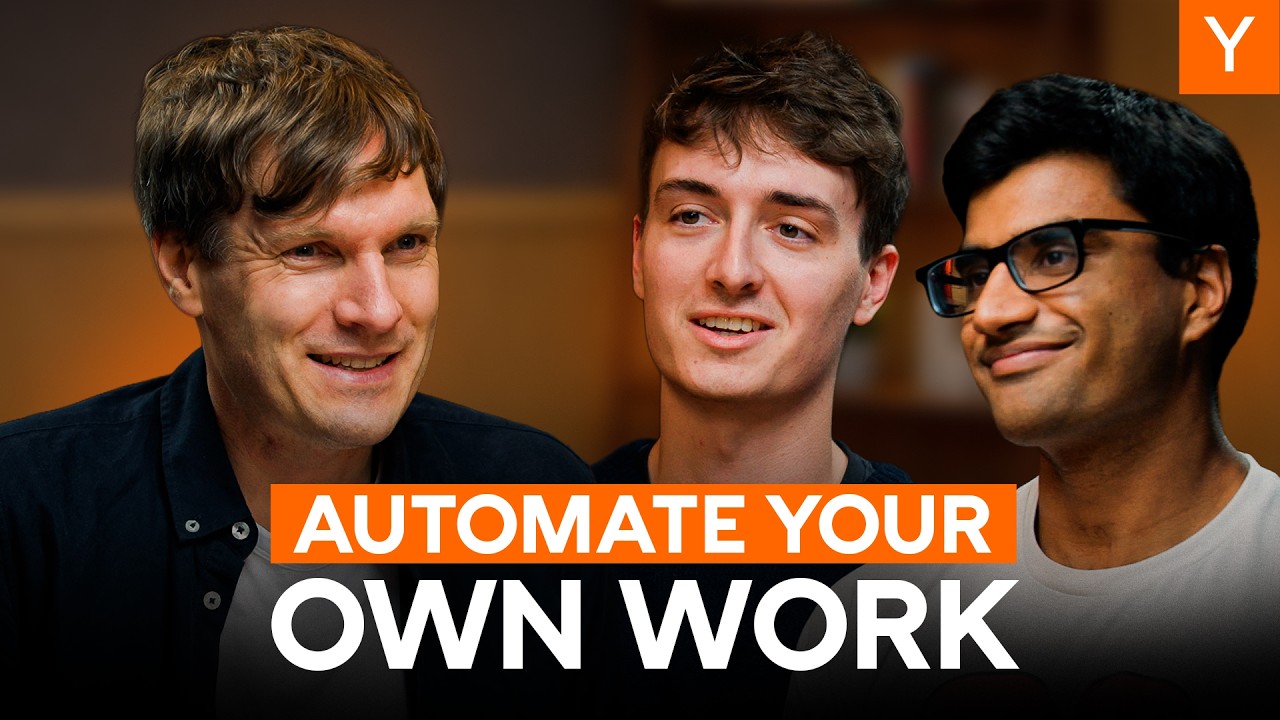
Building AI Agents for Everyone

Gumloop co-founders Max Brodeur-Urbas and Rahul Behal discuss how a visual workflow builder evolved into an enterprise agent platform, what they learned from more than 1,100 customer calls, how a power user at Instacart opened the door to enterprise sales, and why the people who understand a task should be the ones automating it. The conversation covers enterprise requirements, pricing transparency, model neutrality, and the IT-led buying dynamics that shape adoption.

How a Voice Agent Learns the Rhythm of Conversation — Shawn Wen

How a Voice Agent Learns the Rhythm of Conversation — Shawn Wen

Shawn, CTO of PolyAI, explains why voice agents are harder than text agents: voice adds time, and good conversation depends on adapting to the person on the line. He describes Dialog-RSN-1, an audio-native model that predicts turn-taking, replies in text with citations, and writes the transcript last for auditability, along with training on real noisy calls, latency and what agents should do while thinking, voice personality, benchmarking, harness ownership, and the shifting bottleneck from producing content to validating it.

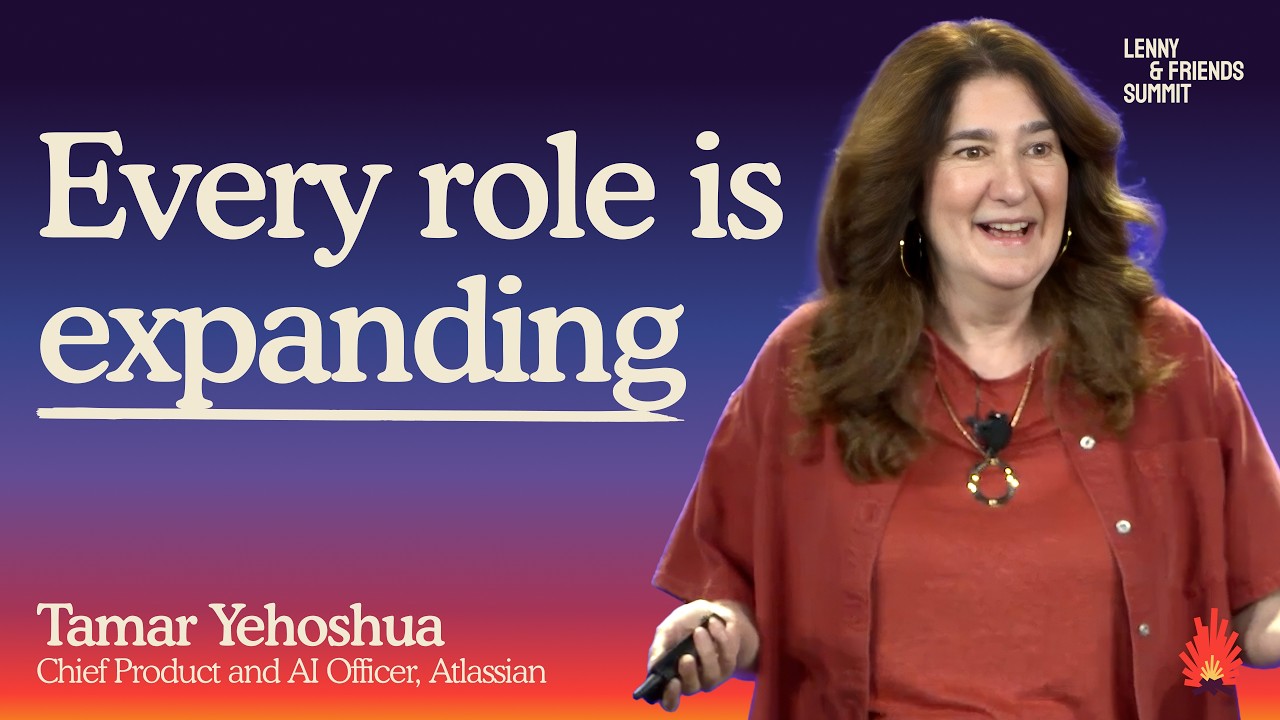
Roles aren't converging—they're expanding | Tamar Yehoshua (Atlassian CPO)

Roles aren't converging—they're expanding | Tamar Yehoshua (Atlassian CPO)

Atlassian's Tamar Yehoshua explains what the AI builder era looks like for product managers in a company of more than 10,000 people. Using Confluence, RovoClaw, and Jira as examples, she covers when PMs should write code and prototypes, when they should steer the team instead, and how Atlassian is building AI fluency in its PM organization.

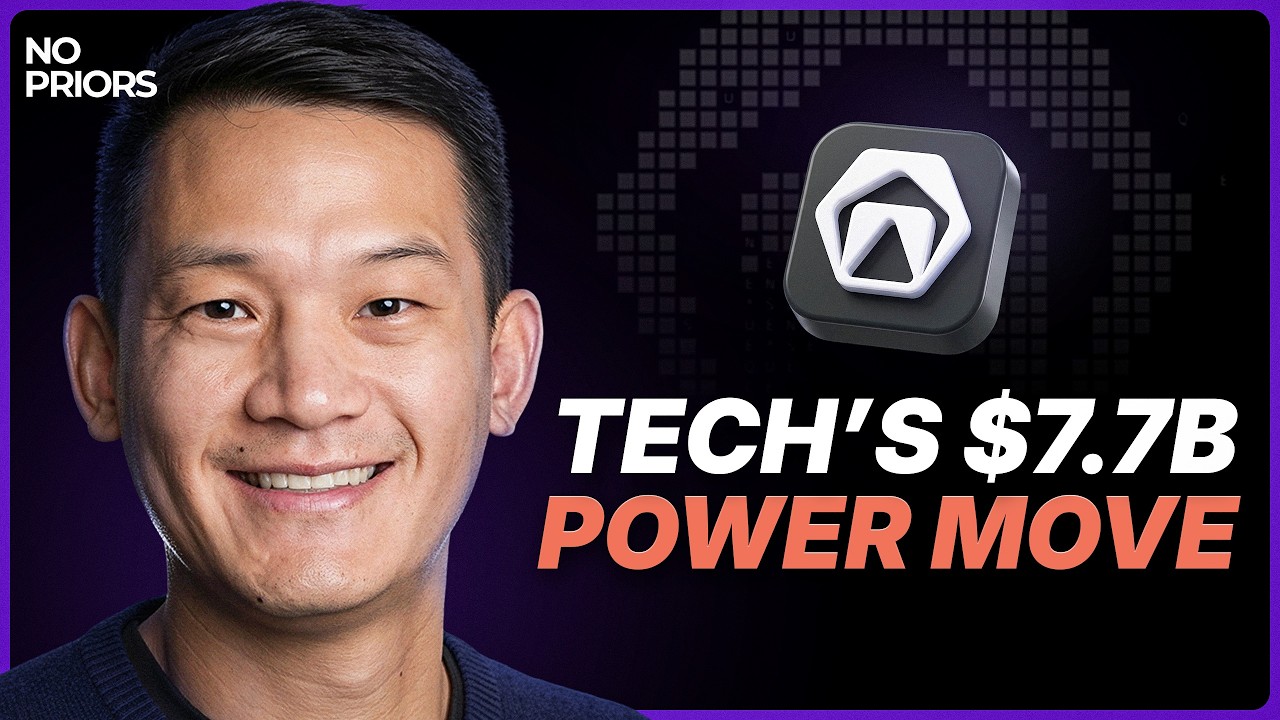
Re-Founding Incumbents for the AI Era with Sequence Holdings Co-Founder and CEO Michael Lee

Re-Founding Incumbents for the AI Era with Sequence Holdings Co-Founder and CEO Michael Lee

Michael Lee, co-founder and CEO of Sequence Holdings, details his thesis on transforming large incumbent businesses with AI through a permanent holding company structure. He discusses the $7.7 billion take-private of Baldwin, an insurance brokerage, alongside the Dell Family Office, and explains why traditional consulting or software models fall short for deep enterprise AI transformations. Lee also shares insights from Sequence's work with BankSouth, the technical architecture of their Atlas platform, and their unique approach to integrating frontier engineering to drive long-term compounding and organizational change.

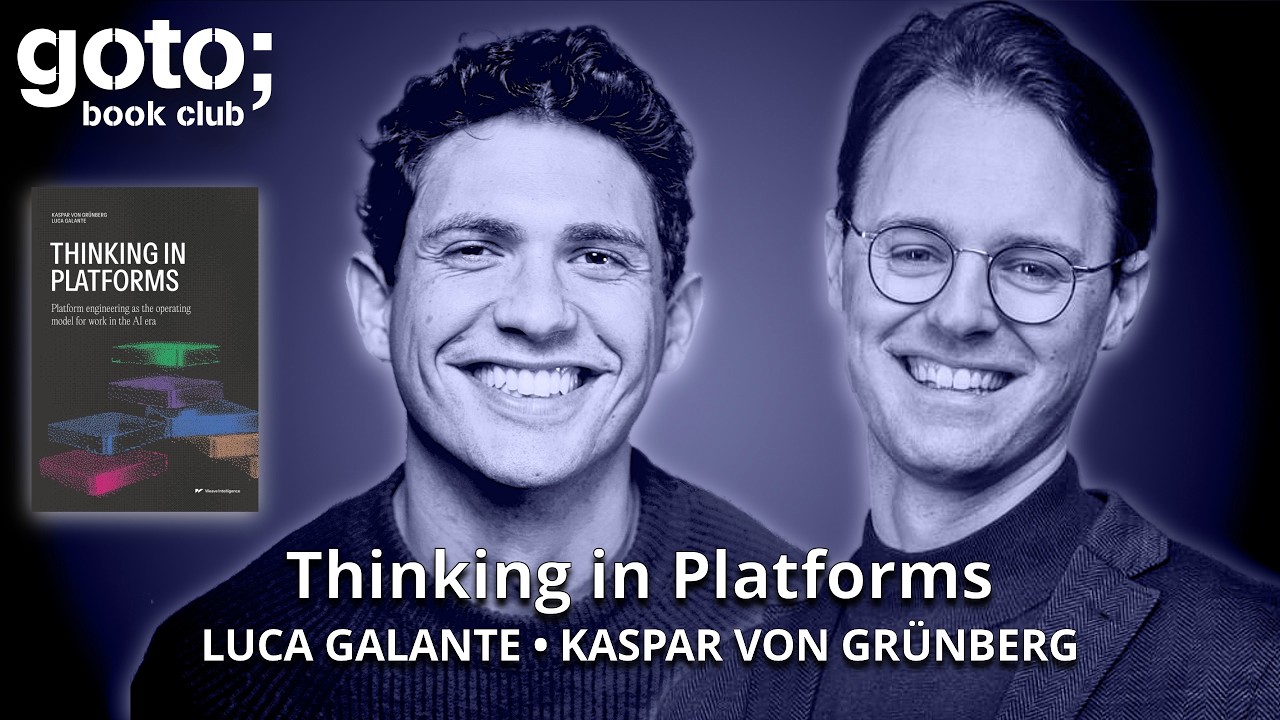
Thinking in Platforms • Kasper von Grünberg & Luca Galante • GOTO 2026

Thinking in Platforms • Kasper von Grünberg & Luca Galante • GOTO 2026

Kaspar von Grünberg and Luca Galante discuss their book "Thinking in Platforms," tracing platform engineering's origins from addressing key person dependencies to its critical role as an "operating model" for AI-first organizations. They highlight how AI agents necessitate standardized, productized internal platforms for effective deployment, emphasizing that platform efforts often fail due to social rather than technical challenges.