Deep learning

François Chollet: ARC-AGI-3, Beyond Deep Learning & A New Approach To ML

François Chollet: ARC-AGI-3, Beyond Deep Learning & A New Approach To ML

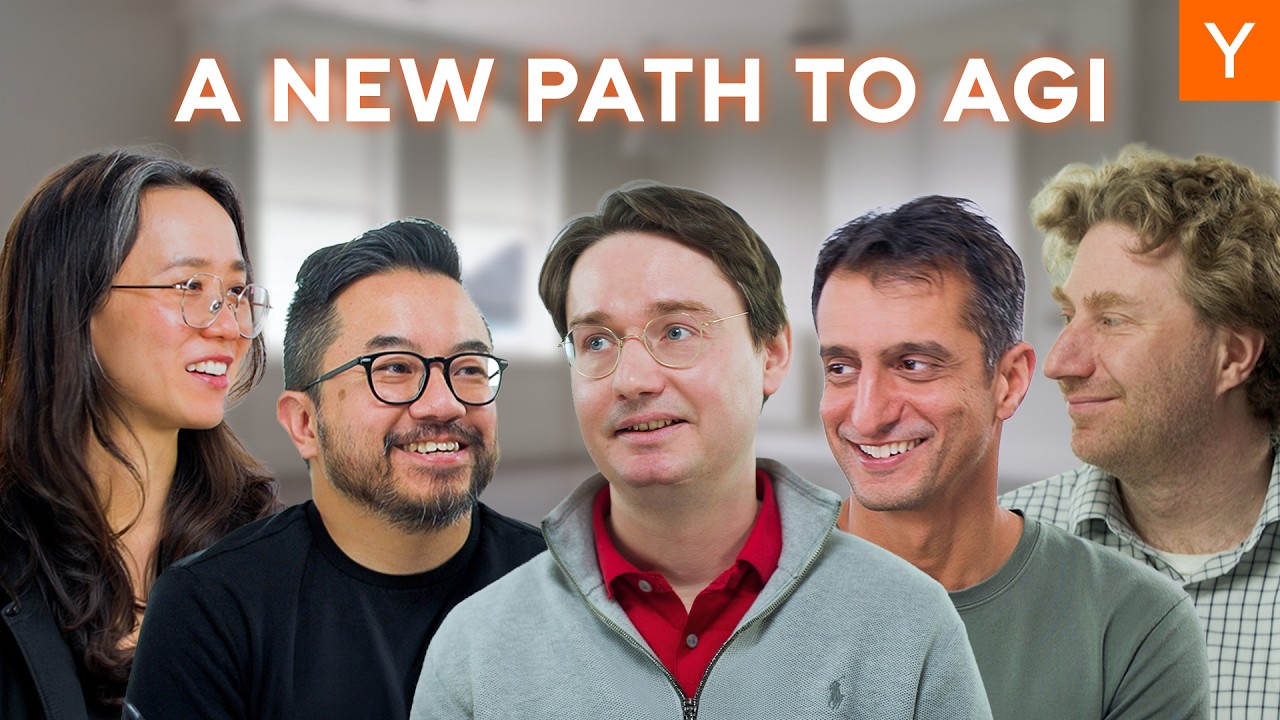
François Chollet discusses his contrarian approach to AI, moving beyond scaling LLMs to understand intelligence from first principles. He explains his work on the ARC benchmark series, including the new ARC-AGI V3, designed to measure 'agentic intelligence' and skill acquisition efficiency. He also introduces his lab, Ndea, which is developing a new ML paradigm based on symbolic models, and shares his perspective on the limits of current systems and the future path to AGI.
The Mathematical Foundations of Intelligence [Professor Yi Ma]

The Mathematical Foundations of Intelligence [Professor Yi Ma]

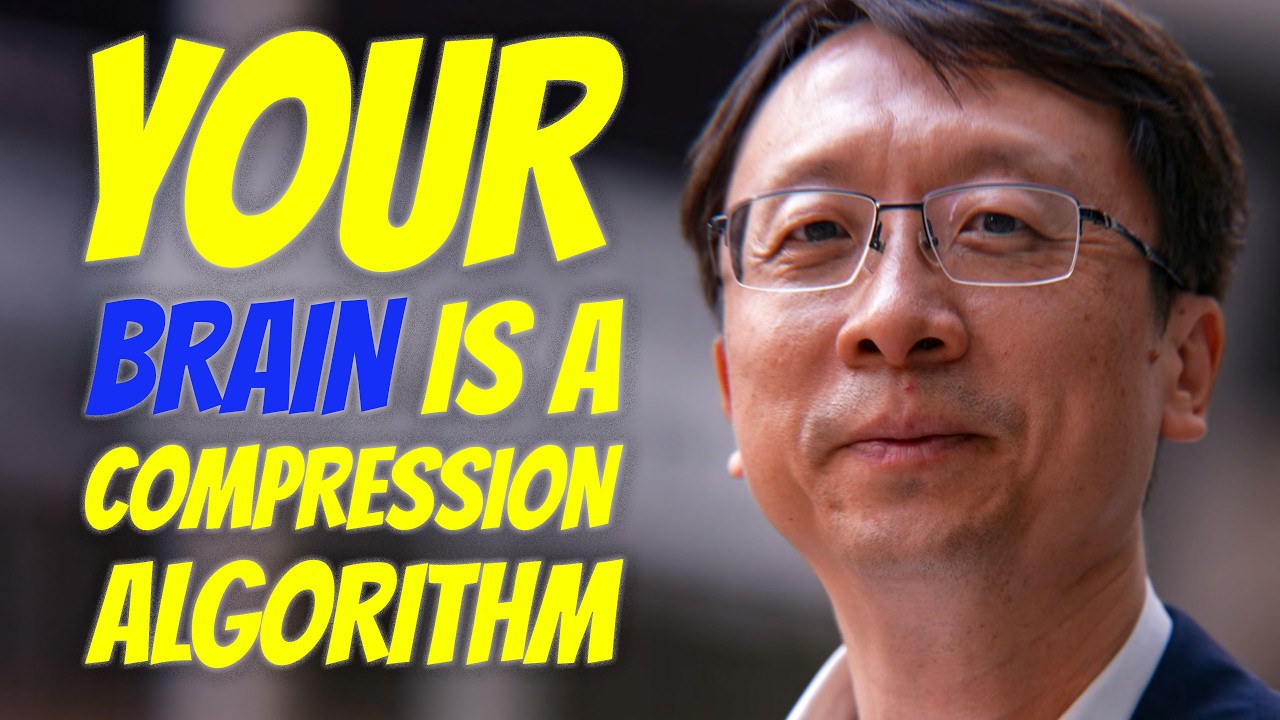
Professor Yi Ma challenges our understanding of intelligence, proposing a unified mathematical theory based on two principles: parsimony and self-consistency. He argues that current large models merely memorize statistical patterns in already-compressed human knowledge (like text) rather than achieving true understanding. This framework re-contextualizes deep learning as a process of compression and denoising, allowing for the derivation of Transformer architectures like CRATE from first principles, paving the way for a more interpretable, white-box approach to AI.

The Mathematical Foundations of Intelligence [Professor Yi Ma]

The Mathematical Foundations of Intelligence [Professor Yi Ma]

Professor Yi Ma presents a unified mathematical theory of intelligence built on two principles: parsimony and self-consistency. He challenges the notion that large language models (LLMs) understand, arguing they are sophisticated memorization systems, and demonstrates how architectures like the Transformer can be derived from the first principle of compression.

Tensor Logic "Unifies" AI Paradigms [Pedro Domingos]

Tensor Logic "Unifies" AI Paradigms [Pedro Domingos]

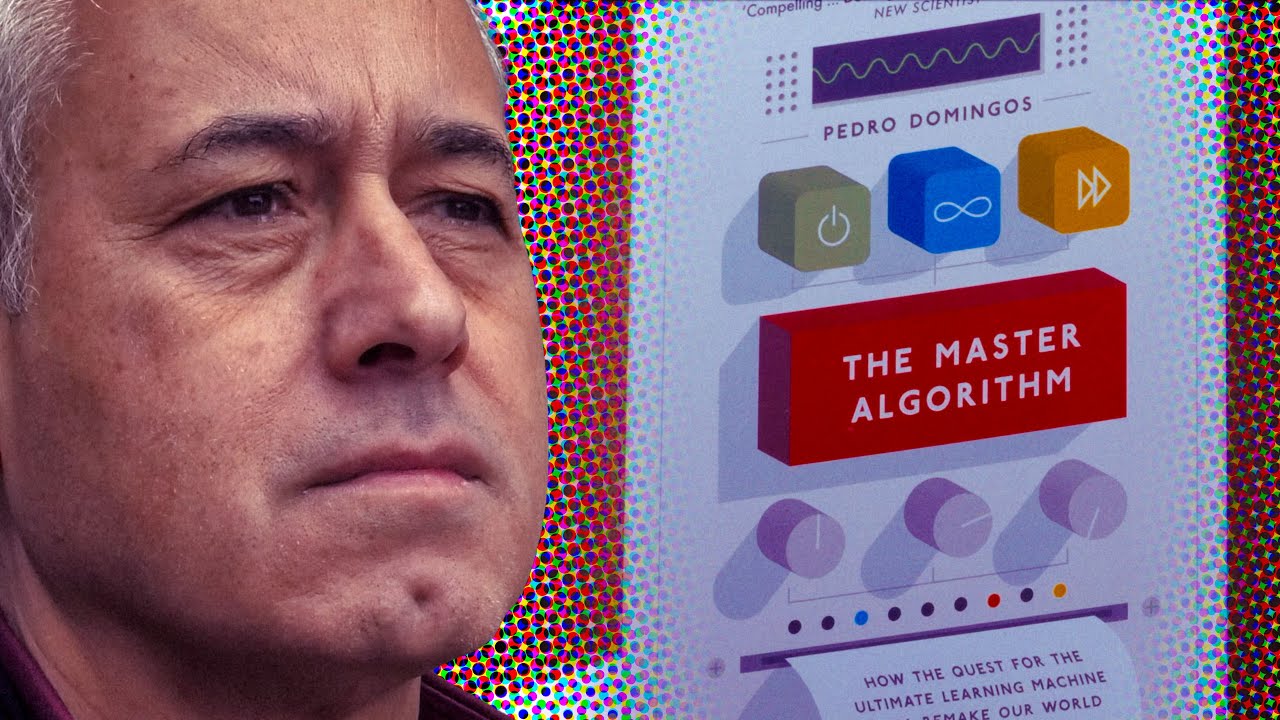
Pedro Domingos introduces Tensor Logic, a new programming language designed to be the fundamental language for AI. It unifies the two major paradigms: the learning capabilities of deep learning (neural networks) and the transparent, verifiable reasoning of symbolic AI (logic programming), aiming to solve critical issues like hallucination and the opacity of current models.

Tensor Logic "Unifies" AI Paradigms [Pedro Domingos]

Tensor Logic "Unifies" AI Paradigms [Pedro Domingos]

Pedro Domingos introduces Tensor Logic, a new programming language designed to be the fundamental language for AI. It unifies the two major paradigms: the data-driven learning of deep learning and the verifiable reasoning of symbolic AI. By treating logical rules and tensor operations as the same underlying construct, Tensor Logic enables systems that can learn logical structures and perform transparent, deductive reasoning, directly addressing critical issues like model opacity and hallucination.

Tensor Logic "Unifies" AI Paradigms [Pedro Domingos]

Tensor Logic "Unifies" AI Paradigms [Pedro Domingos]

Pedro Domingos introduces Tensor Logic, a new programming language designed to unify the two major paradigms of AI—deep learning's ability to learn from data and symbolic AI's power of logical reasoning—into a single, elegant framework.