Cryptography

Analyzing Group Chat Encryption in Messaging Applications

Analyzing Group Chat Encryption in Messaging Applications

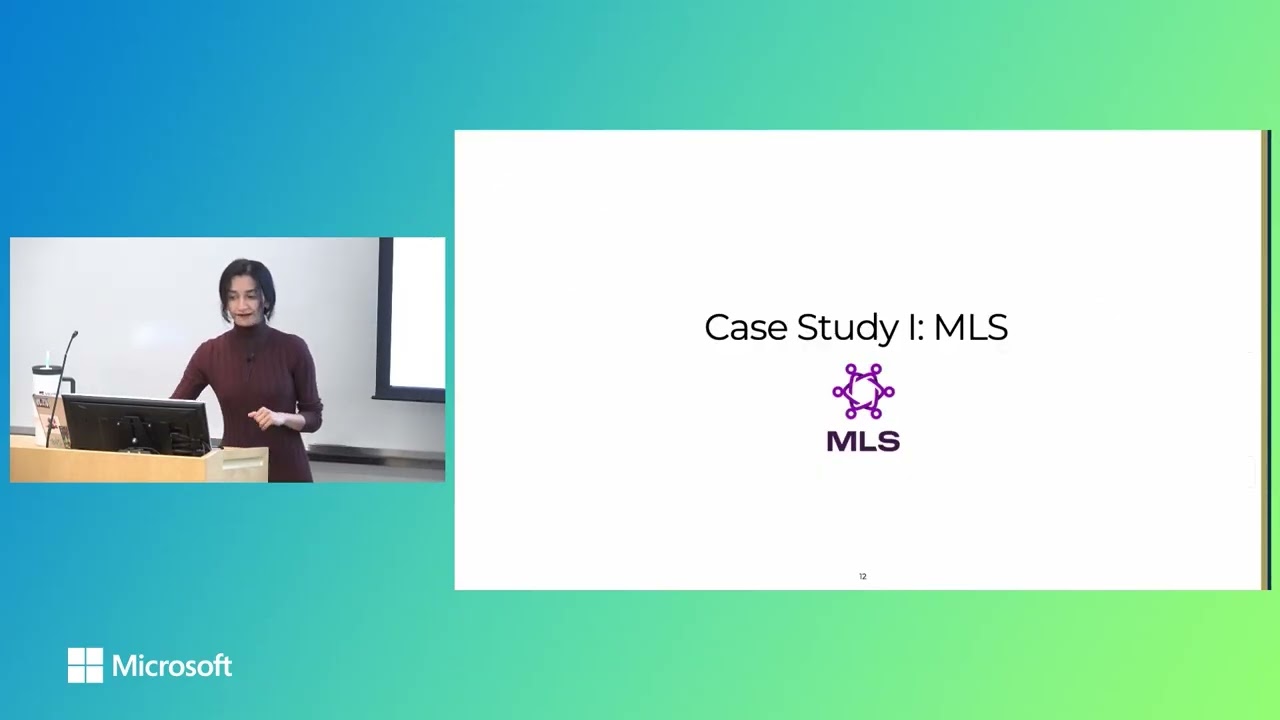
This talk details a formal security analysis of group chat encryption algorithms in popular messaging applications like MLS, Session, and Keybase. It introduces Symmetric Sign Encryption (SSE) to model these protocols, identifying critical vulnerabilities such as insider replay and reordering attacks in MLS and Session due to insufficient context binding. The analysis highlights the complexities of key-dependent messages and key reuse, demonstrating how formal methods can pinpoint subtle design flaws and suggest robust mitigations for real-world secure communication.
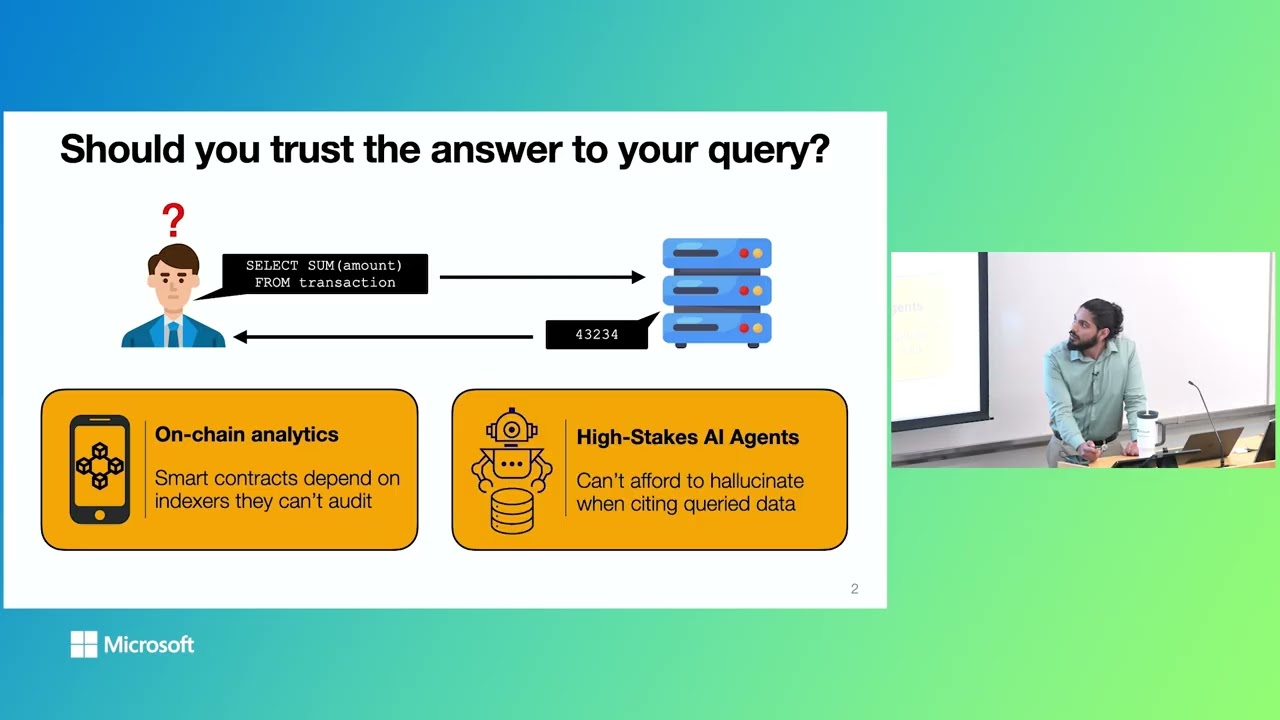
TruthTable: A Verifiable Query Engine

TruthTable: A Verifiable Query Engine

TruthTable is a verifiable database engine that produces succinct cryptographic proofs for SQL query execution. It supports a wide range of SQL queries by leveraging query plans, polynomial encoding, and operator-specific PIOPs. It features a query planner with proof-specific optimizations and a novel batch compilation engine (ARCPOP). Benchmarks on TPC-H show average proving times of 55 seconds, verification times of 32 milliseconds, and proof sizes of 24kB, significantly outperforming prior academic and industrial systems in speed and expressiveness.

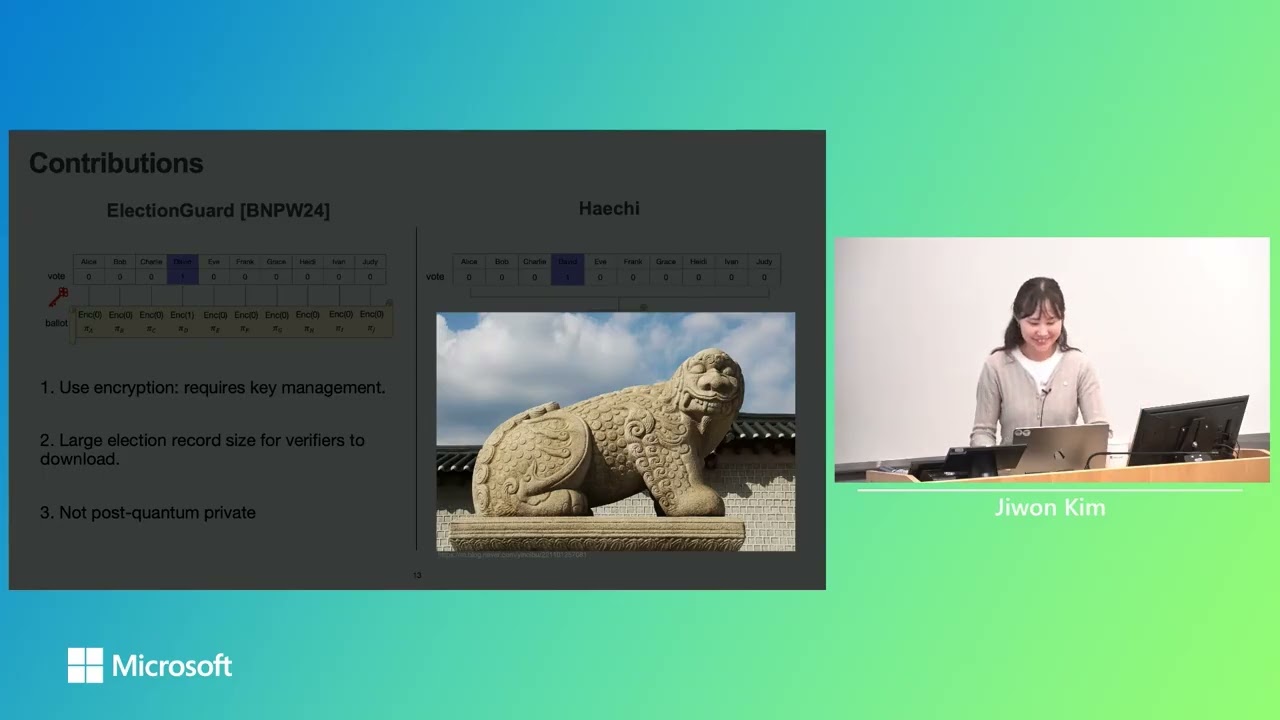
Haechi: Simple Commitment-based Keyless In-person Verifiable Elections

Haechi: Simple Commitment-based Keyless In-person Verifiable Elections

Haechi introduces a novel, keyless, and commitment-based system for in-person verifiable elections, addressing the limitations of encryption-based approaches like ElectionGuard. By leveraging Peterson vector commitments and compact zero-knowledge proofs, Haechi ensures post-quantum ballot privacy, eliminates complex key management, and significantly reduces election record sizes, making E2E verifiable elections practical and scalable.

Language-Agnostic Detection of Bugs in Zero-Knowledge Proof Programs

Language-Agnostic Detection of Bugs in Zero-Knowledge Proof Programs

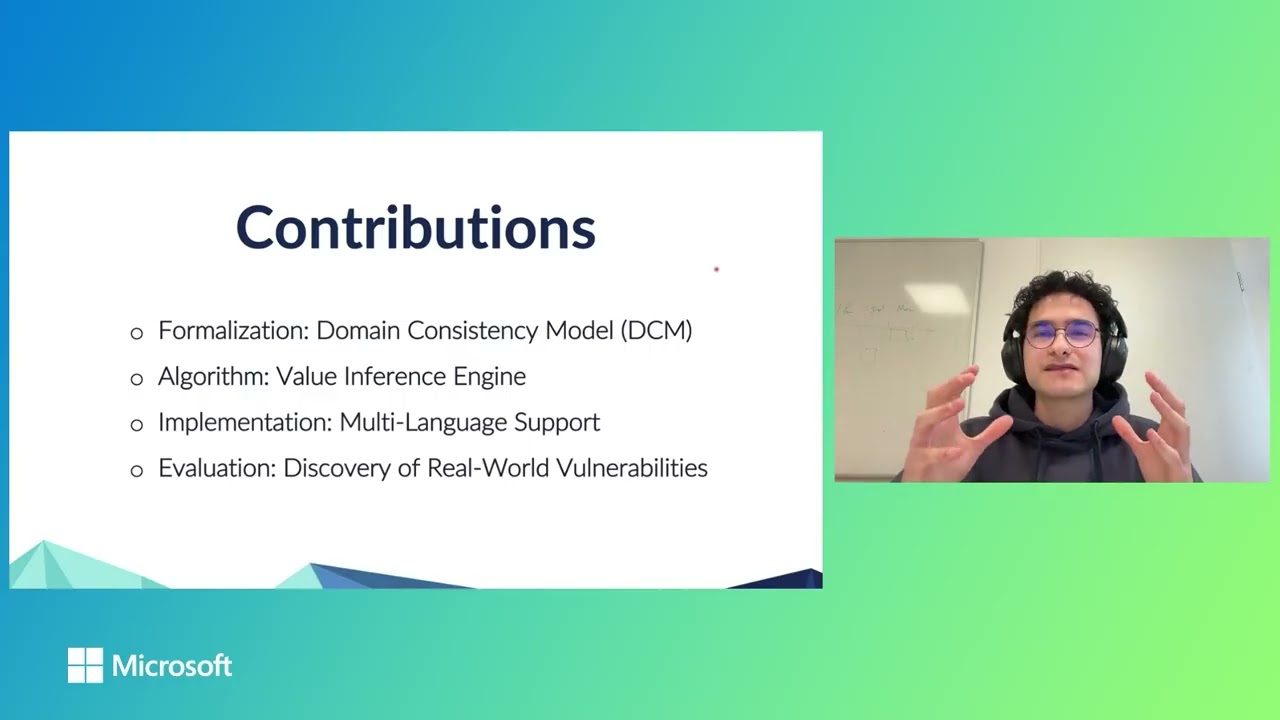
A summary of a talk on a new language-agnostic approach using abstract interpretation to find critical vulnerabilities in Zero-Knowledge Proof (ZKP) programs by modeling and detecting mismatches between prover computations and verifier constraints.

Q‑Day Explained: How Quantum Computing Threatens Today’s Cryptography

Q‑Day Explained: How Quantum Computing Threatens Today’s Cryptography

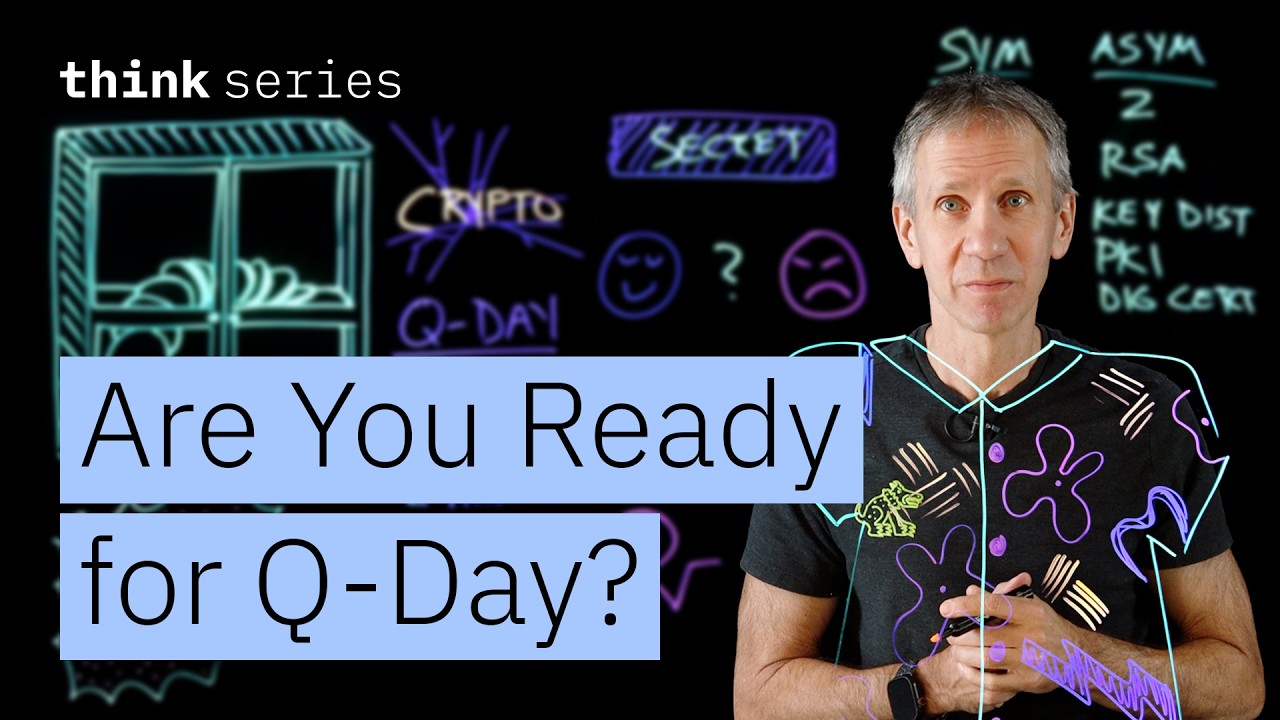
Q-Day, the day a quantum computer will be powerful enough to break current encryption standards, is an inevitable threat. This summary explains how quantum algorithms like Shor’s and Grover’s will compromise both asymmetric and symmetric cryptography, the severe consequences for data confidentiality and digital trust, and why the "Harvest Now, Decrypt Later" attack vector makes immediate migration to post-quantum cryptography a critical priority for all organizations.

Post‑Quantum Security: How Lattice Cryptography Keeps Data Safe

Post‑Quantum Security: How Lattice Cryptography Keeps Data Safe

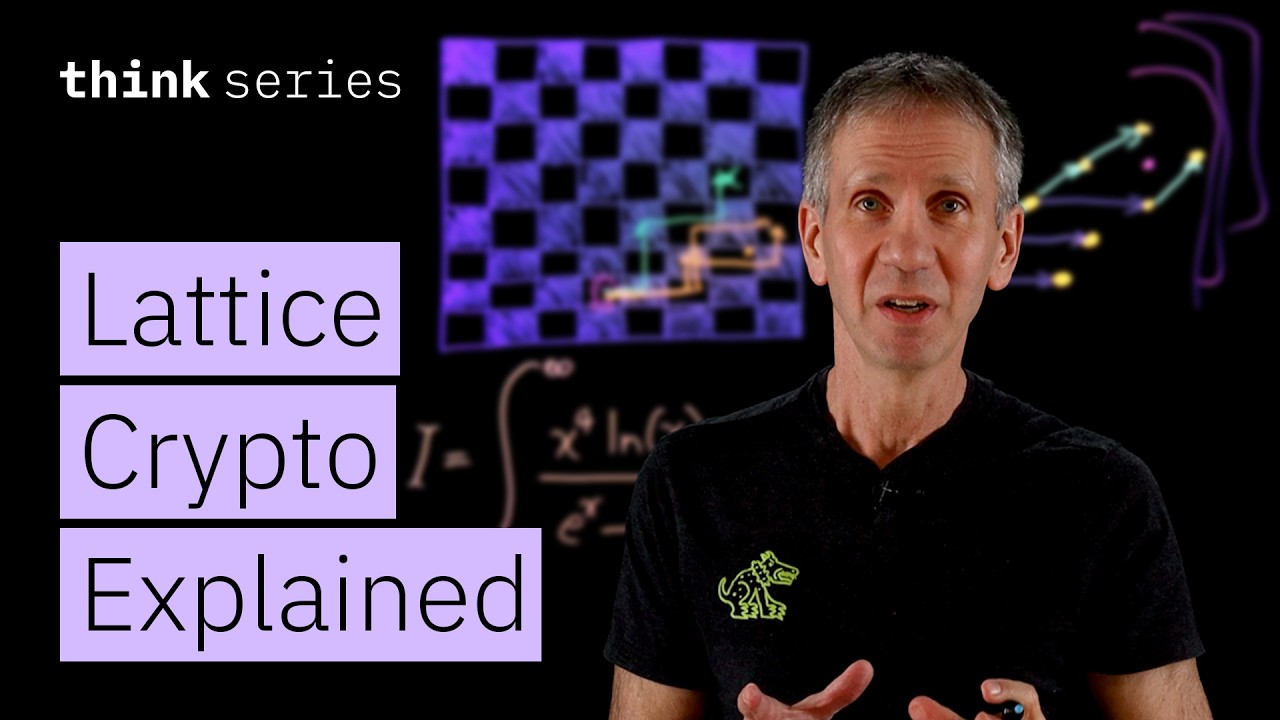
This video explains the imminent threat quantum computers pose to current cryptographic standards like RSA. It introduces lattice-based cryptography as a leading quantum-safe solution, using analogies to demystify how high-dimensional spaces and 'noise' create math problems that are intractable even for quantum machines. The summary provides a clear action plan for organizations, emphasizing the need for 'crypto-agility' and the urgency driven by the 'Harvest Now, Decrypt Later' attack strategy.