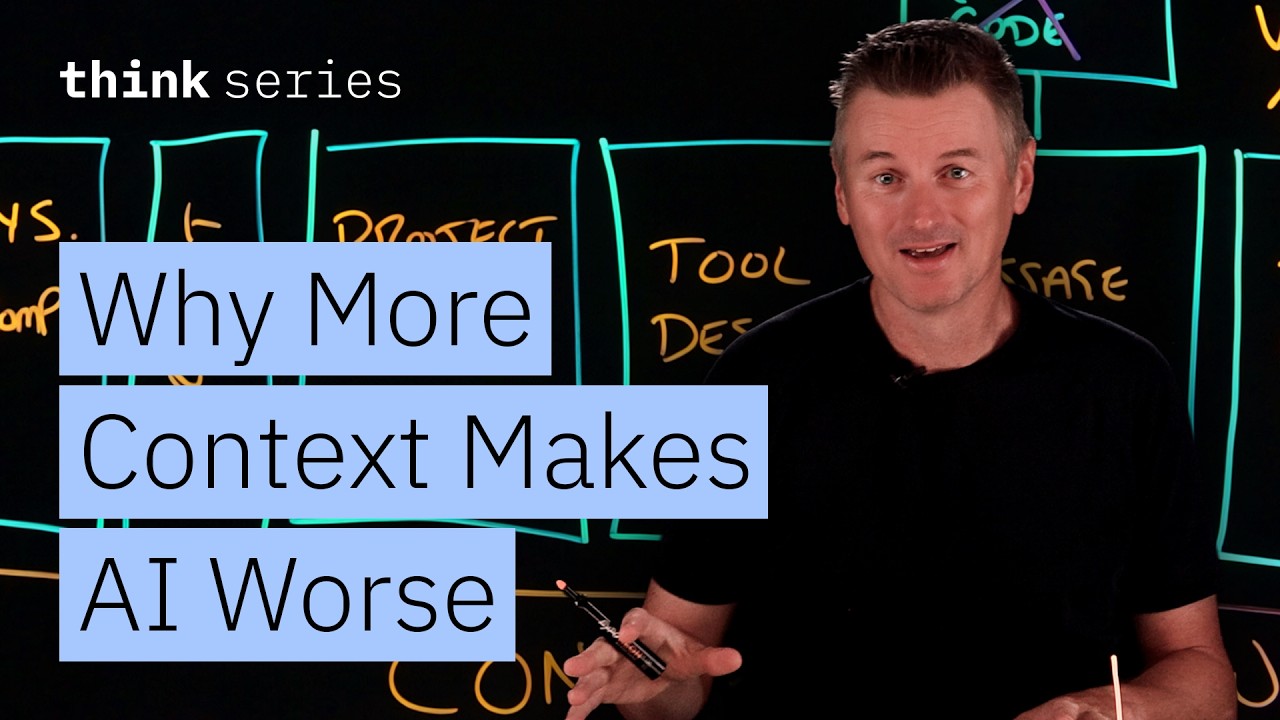
Context Engineering for AI Agents: 4 Failure Modes to Avoid
Martin Keen explains why bigger context windows can make AI agents less reliable. He introduces context rot, the four context failure modes of poisoning, distraction, confusion, and clash, and the context engineering fixes that work by removing information rather than adding it.
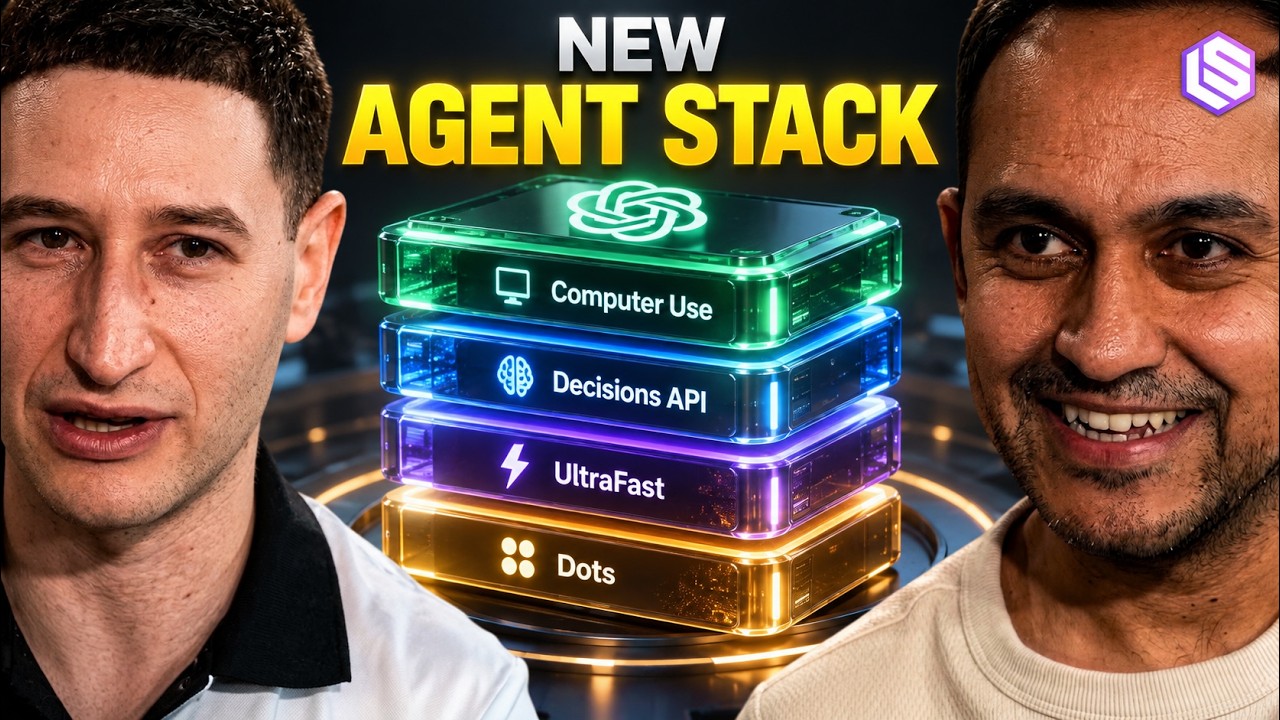
Inside OpenAI DevDay: Superhuman Computer Use, Decisions API, and the AI Cloud — Ari & Nikunj
OpenAI has unveiled significant advancements in its AI agents and developer APIs, transforming Computer Use into a self-debugging system capable of superhuman speeds. Key innovations include multimodal interfaces, the Agents API for building on OpenAI's harness, and a new API stack featuring async tool calling, UltraFast inference, and the rapidly developed Decisions API for fast classification. These advancements, coupled with robust caching and context compaction, pave the way for an "AI cloud" with higher-level primitives for developers.
Build Hour: Valuemaxxing with GPT-5.6
This Build Hour focuses on "value maxing" with GPT-5.6, shifting from simply tracking token usage to measuring the actual outcomes and efficiency gained from AI. It covers how to select the right GPT-5.6 model (Sol, Terra, Luna) based on intelligence, latency, and cost, and provides practical strategies for optimizing cost-performance. Key topics include leveraging programmatic tool calling, prompt caching, persistent reasoning, and context compaction for API users, along with CodeX-specific tips. A customer spotlight on Ploy demonstrates real-world application, showcasing their migration to GPT-5.6 Sol, which resulted in 2.2x faster builds at 27% lower cost through advanced caching and tool optimization techniques.