Autonomous agents

Better Agent Auth — Bereket Habtemeskel & Paola Estefania, Better Auth

Better Agent Auth — Bereket Habtemeskel & Paola Estefania, Better Auth

The Agent Auth protocol introduces a novel approach to securing AI agents by treating them as distinct principals with their own identities, moving away from sharing user credentials. It defines a system for agent discovery, fine-grained capability-based authorization, and comprehensive traceability, enabling users to grant specific authority to agents and revoke it granularly. This paradigm shift offers enhanced security, accountability, and control over autonomous operations.
The Great Loops Debate — Dex Horthy, Geoff Huntley, Ian Livingstone, Greg Pstrucha, @insecure-agents

The Great Loops Debate — Dex Horthy, Geoff Huntley, Ian Livingstone, Greg Pstrucha, @insecure-agents

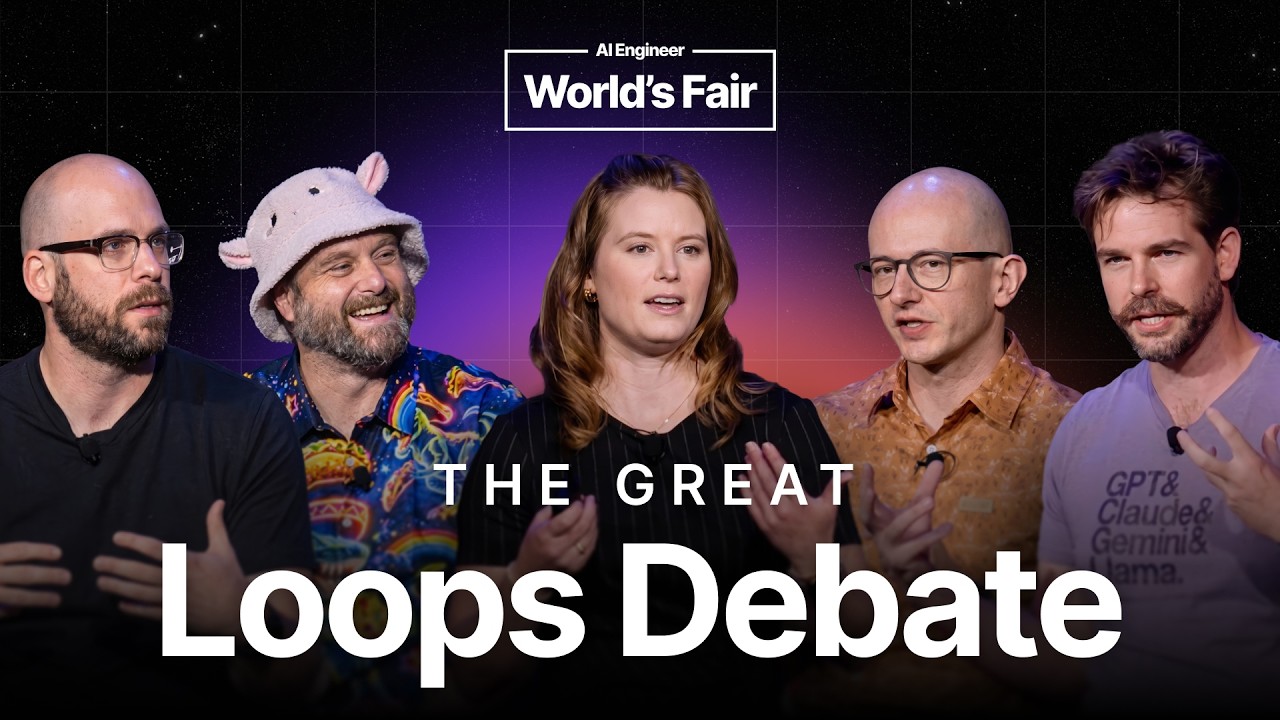
An Oxford-style debate exploring the gap between the hype and practical reality of "loops" in AI/ML development. Experts discuss their history, optimal anatomy, future role in software factories, and challenges like security, economic viability, and the imperative for strong engineering discipline.

The AI bugpocalypse is here. Now what? - Jack Cable, Corridor

The AI bugpocalypse is here. Now what? - Jack Cable, Corridor

Jack Cable discusses the "AI bug apocalypse" driven by advanced AI models finding and exploiting vulnerabilities and AI coding tools increasing attack surfaces. He champions a "secure by design" approach, advocating for systemic changes like using memory-safe languages to prevent common vulnerability classes rather than just patching. He also addresses AI's role in introducing new vulnerabilities, the shift towards autonomous AI in development, and policy recommendations for securing the future of AI-powered coding.

SWE-Marathon: Evaluating Coding Agents at Billion-Token Scale - Rishi Desai, Abundant AI

SWE-Marathon: Evaluating Coding Agents at Billion-Token Scale - Rishi Desai, Abundant AI

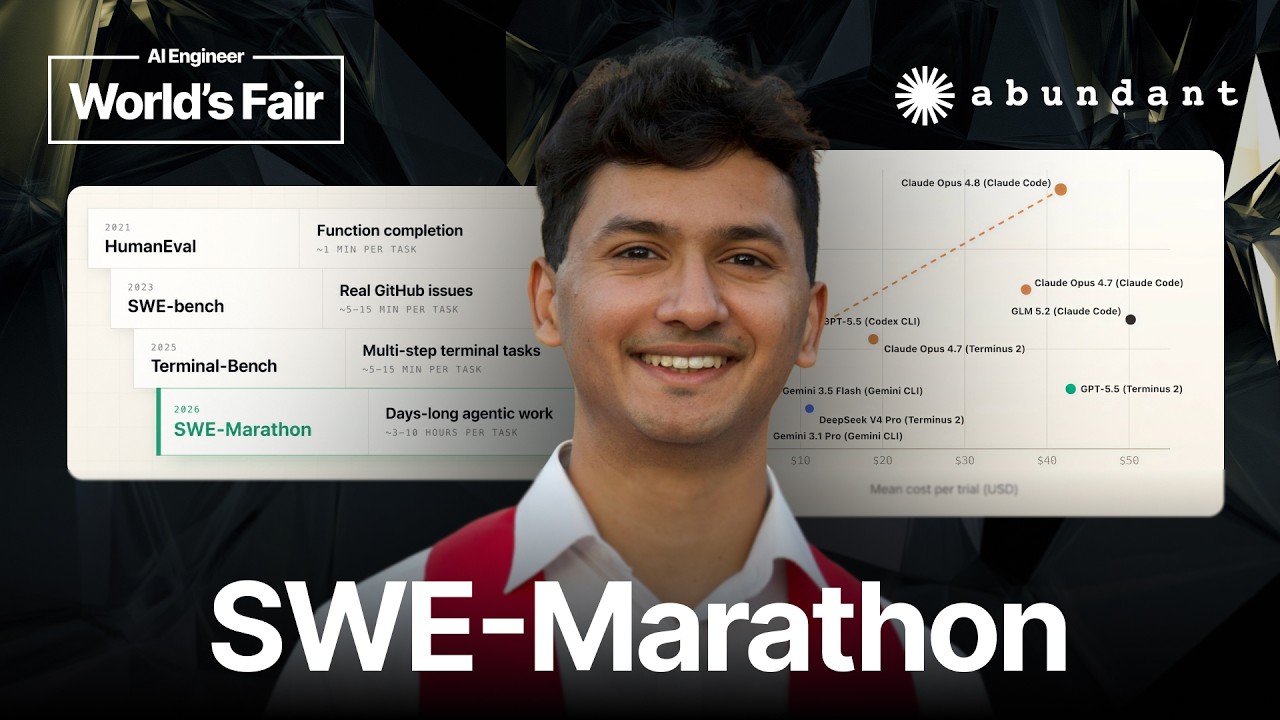
SWE-Marathon introduces a benchmark for long-horizon autonomous software engineering, pushing coding agents from bug fixes to full project ownership. It highlights the critical need for robust, multi-layered verification and anti-cheat mechanisms to prevent reward hacking in tasks spanning hundreds of millions of tokens, revealing that current agents achieve only a 26% success rate.

The Blueprint for Autonomous Work Agents | Gavriel Cohen, NanoClaw

The Blueprint for Autonomous Work Agents | Gavriel Cohen, NanoClaw

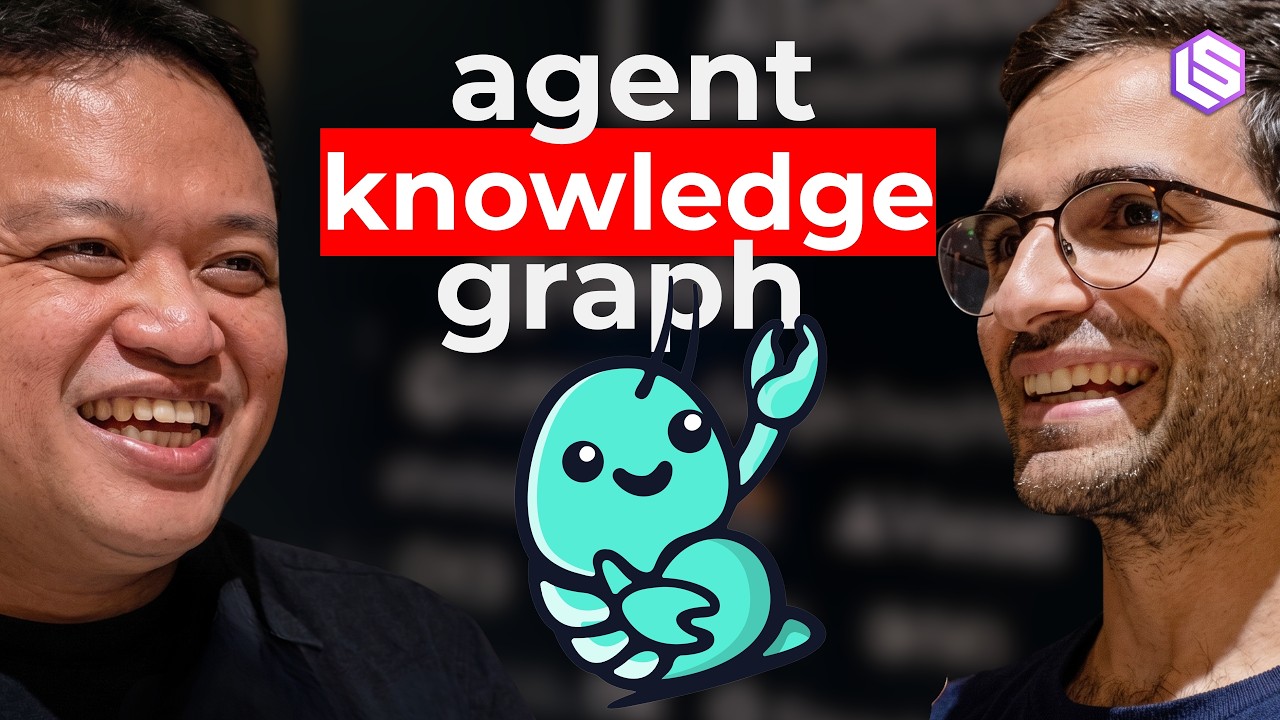
Kovid Goyal, founder of NanoClaw, discusses his journey from a serendipitous encounter with Singapore's Foreign Minister to evolving NanoClaw into an enterprise AI deployment company. He shares insights on personal vs. team-managed agents, the "second brain" as a killer use case, NanoClaw's security-first architecture, and the future challenges of managing open-source projects and enterprise AI deployments in an era of rapidly evolving agent technology.

Building safe Payment Infrastructure for the autonomous economy — Steve Kaliski, Stripe

Building safe Payment Infrastructure for the autonomous economy — Steve Kaliski, Stripe

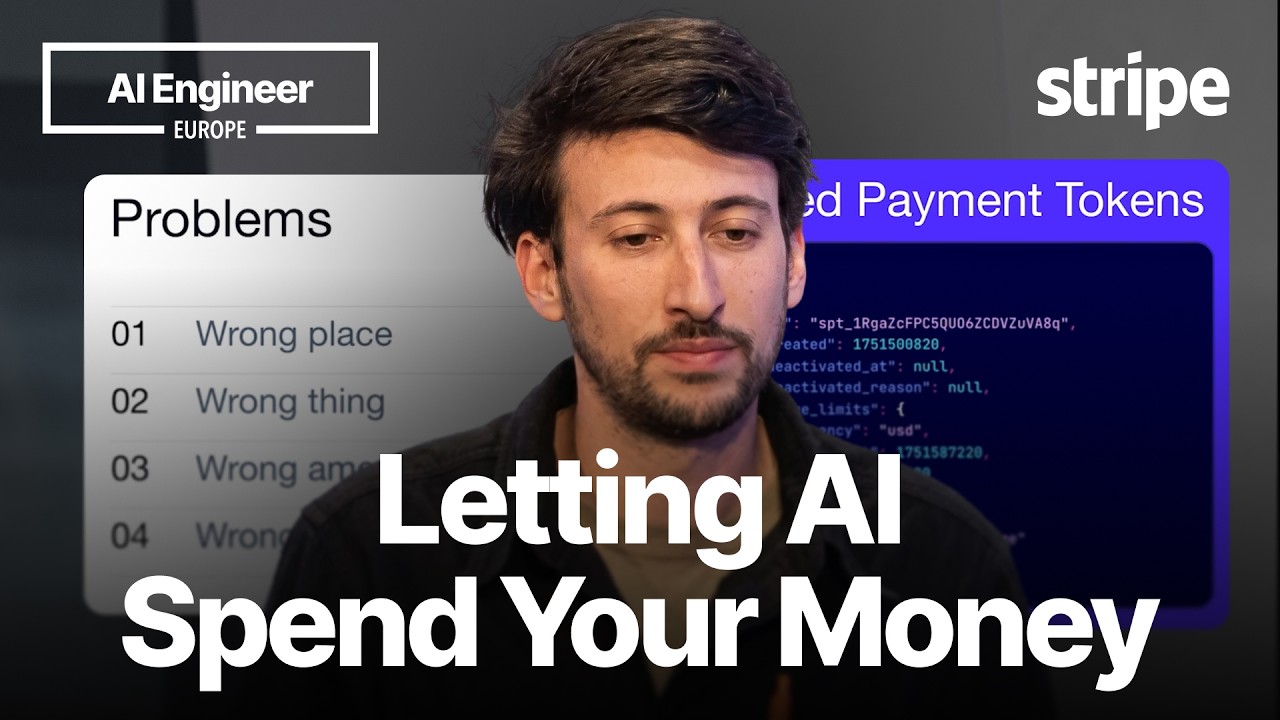
This talk addresses the challenge of enabling AI agents to spend money autonomously and safely. Steve Kaliski from Stripe presents a framework for separating non-deterministic discovery from deterministic transactions. He introduces three key components of Stripe's solution: Shared Payment Tokens for secure credential sharing with enforced spending limits, the Machine Payments Protocol for paying for API tool calls, and the Agent to Commerce Protocol (ACP) for structured, API-driven e-commerce checkouts. Through code examples, the talk demonstrates how these primitives create a secure and auditable payment infrastructure for the emerging autonomous economy.