Ai economics

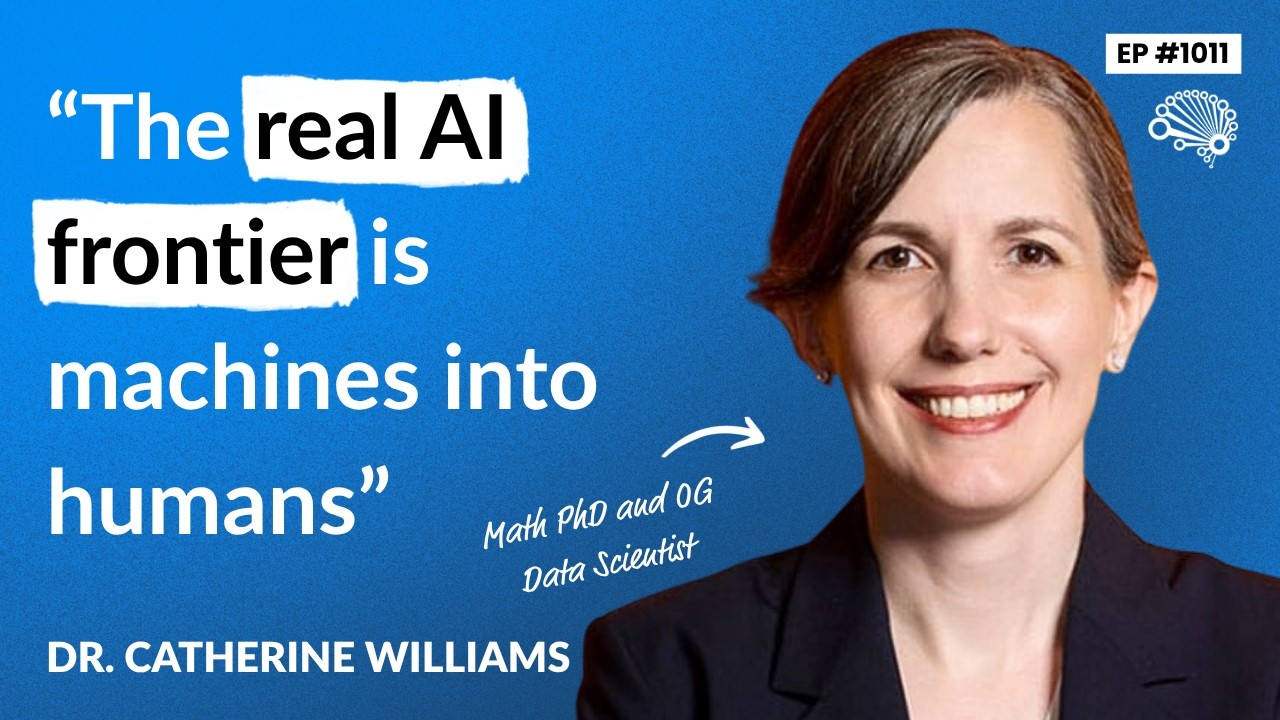
The Real AI Frontier Isn't Smarter Machines (with Catherine Williams)

The Real AI Frontier Isn't Smarter Machines (with Catherine Williams)

Dr. Catherine Williams, a former black-hole physicist and early data science leader, explores the field's evolution from Bayesian models to LLMs. She passionately argues that deep mathematical understanding and the ability to build robust mental models are more crucial than ever, even as AI automates technical tasks. Williams also discusses the impact of embeddings, the changing economics of frontier AI, and her work at the nonprofit Candid, advocating for a human-centric approach to intelligence in the age of AI.

GPT-5.6 Sol, FIFA AI & Wall Street’s AI nerves

GPT-5.6 Sol, FIFA AI & Wall Street’s AI nerves

OpenAI's new GPT-5.6 Sol model sparks debate on AI safety and release strategies, while Wall Street expresses growing skepticism over the long-term economics of frontier AI models. The discussion also touches on AI's impact on the FIFA World Cup and a thought-provoking paper comparing LLM anthropomorphism to Age of Empires II "goats."

Why Hardware-Software Co-Design Is AI's Real 100x: Dylan Patel of SemiAnalysis

Why Hardware-Software Co-Design Is AI's Real 100x: Dylan Patel of SemiAnalysis

Dylan Patel, founder of SemiAnalysis, details how software-hardware co-design drives 100x gains in AI performance, citing examples like DeepSeek's optimization for Nvidia Hopper and the architectural differences between OpenAI's sparse and Anthropic's dense models. He introduces InferenceX, a living benchmark tracking a 60x annual cost reduction in AI quality, and explains why the "CUDA moat" narrative is shifting. Patel also delves into the persistent compute crunch, the strategic rise of neoclouds, and Jensen Huang's efforts to foster a multipolar AI world to prevent hyperscaler dominance.

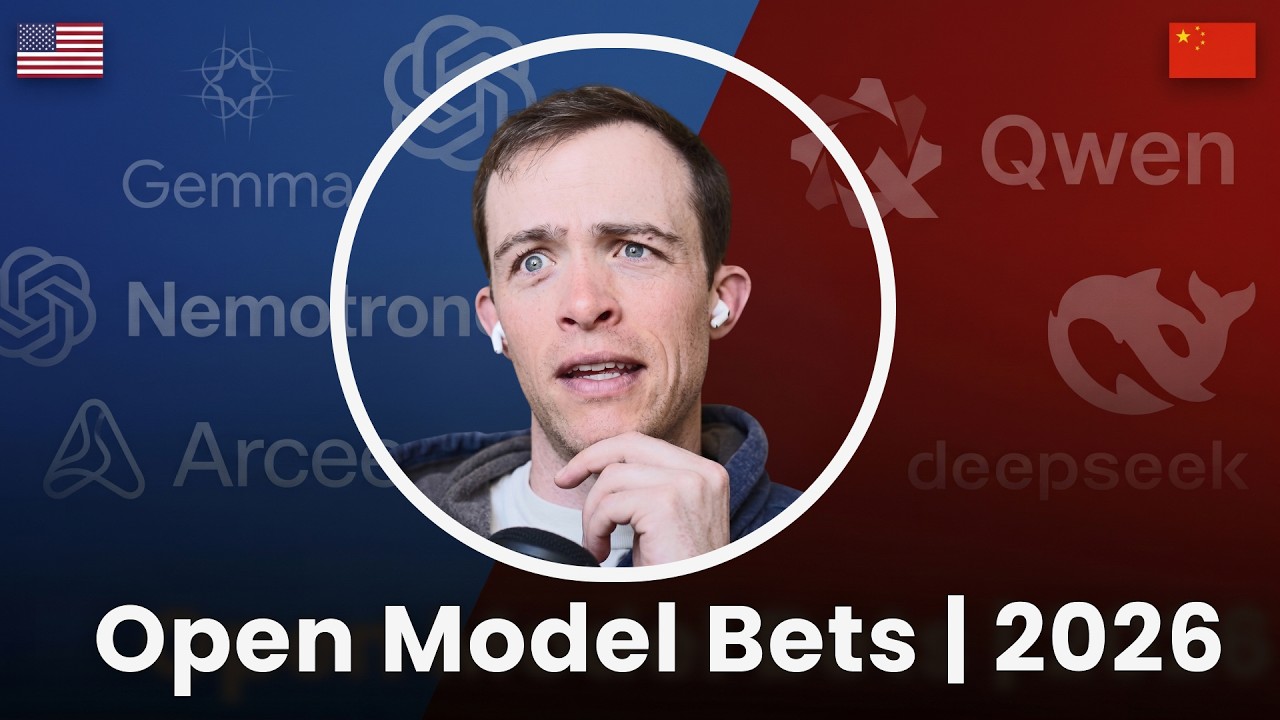
My Bets on Where Open LLMs Go Next

My Bets on Where Open LLMs Go Next

An analysis of the current unstable equilibrium between open and closed AI models, arguing that closed models will likely pull ahead due to economic and data feedback advantages. The long-term, stable future for open models lies in a specialized ecosystem of cheaper, faster models, potentially funded by new structures like consortiums.

Dylan Patel on GPT-5’s Router Moment, GPUs vs TPUs, Monetization

Dylan Patel on GPT-5’s Router Moment, GPUs vs TPUs, Monetization

A deep dive into the AI hardware landscape, exploring NVIDIA's dominance, the challenges for competitors like custom silicon and startups, and the critical infrastructure bottlenecks of power and data centers that define the next phase of the AI race.

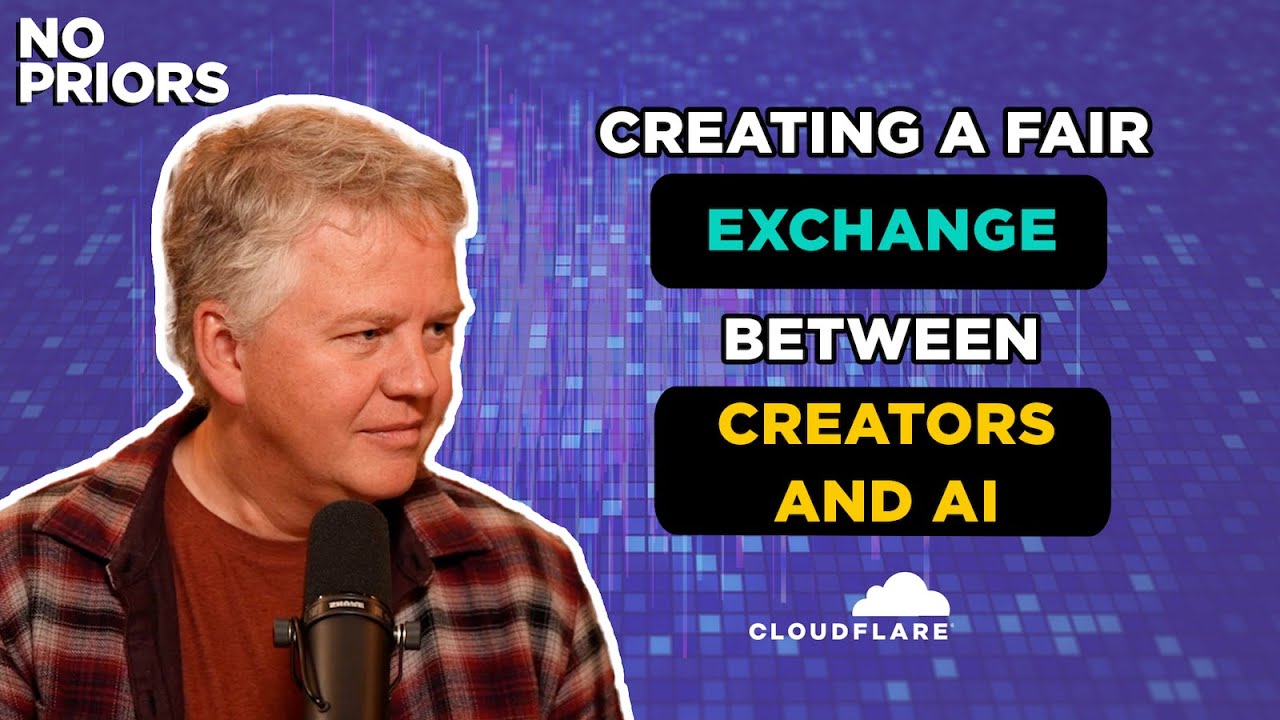
No Priors Ep. 126 | With Cloudfare CEO Matthew Prince

No Priors Ep. 126 | With Cloudfare CEO Matthew Prince

Matthew Prince, CEO of Cloudflare, discusses the internet's architectural and economic shift from a search-driven model to an AI-native one. He outlines the existential threat to content creators as AI consumes content without providing traffic, and proposes a new marketplace where creators are compensated for providing value and filling knowledge gaps, rather than generating clicks.