Ai deployment

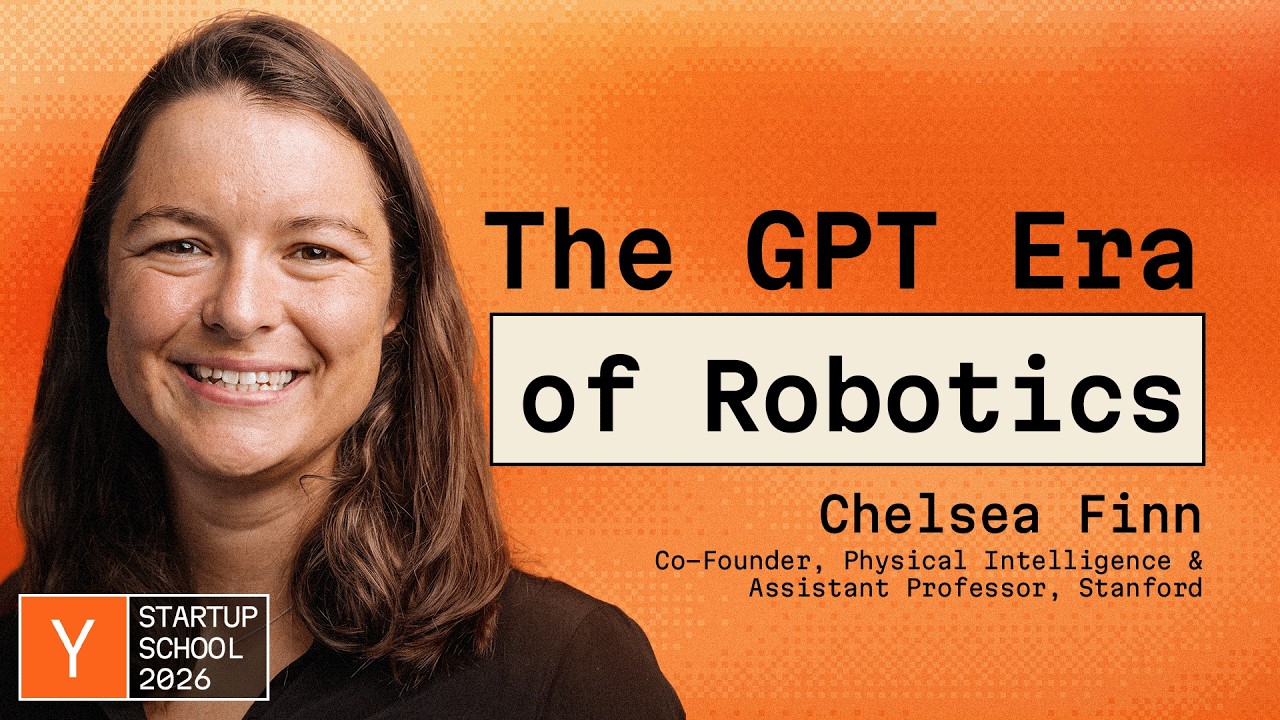
Chelsea Finn: This is the State of the Art in Robotics

Chelsea Finn: This is the State of the Art in Robotics

Chelsea Finn, co-founder of Physical Intelligence, discusses the path to building general-purpose robots that operate reliably in the real world. She details how advanced reinforcement learning with human intervention, coupled with multi-scale memory systems, significantly boosts robot autonomy and throughput. Finn argues that robotics is entering its "GPT era," moving from specialized models to powerful, out-of-the-box foundation models like their PIO7, which demonstrates strong compositional generalization across tasks, objects, and robot platforms, matching or exceeding specialist performance without fine-tuning. The talk also covers the unique challenges and opportunities in robotics data, model deployment, and career paths.

Forward Deployed Engineering at Cursor — Pauline Brunet

Forward Deployed Engineering at Cursor — Pauline Brunet

Pauline Brunet, VP of Forward Deployed Engineering at Cursor, details how FDE drives AI adoption in enterprises. She distinguishes FDE from traditional services, outlines the 'magical unicorn' FDE profile, shares Cursor's project-based co-development approach, and offers best practices for team structure, customer engagement, and measuring ROI.

Multimodal & Embodied Intelligence (Pt 1), Panel on Multimodal AI: Progress, Pitfalls, Possibilities

Multimodal & Embodied Intelligence (Pt 1), Panel on Multimodal AI: Progress, Pitfalls, Possibilities

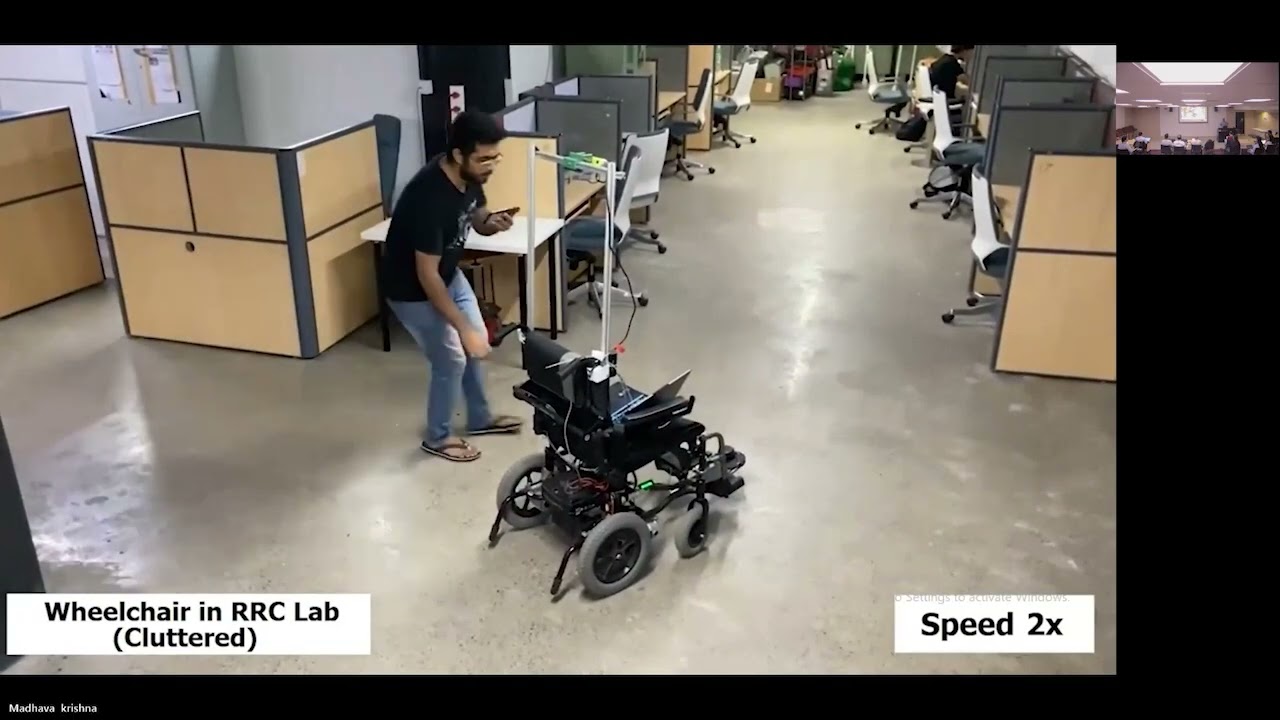
This session explored Multimodal and Embodied Intelligence, featuring talks on hybrid AI in robotics (classical vs. end-to-end), AI's role in healthcare (focusing on NCDs, deployment, and uncertainty modeling), and fundamental perception challenges in multimodal reasoning (using educational video QA and visual puzzles). A panel discussed the impact of foundation models, the blurred lines between AGI and human-like AI, critical deployment pitfalls (human factors, efficiency, architectural limits), and future directions, emphasizing task-specific models and the redefinition of 'foundation models.'