Ai agents

Building AI Agents in Kotlin • Anton Arhipov • YOW! 2025

Building AI Agents in Kotlin • Anton Arhipov • YOW! 2025

Anton Arhipov from JetBrains introduces Koog, a lightweight, Kotlin-native framework for building tool-using LLM agents. This session covers the rationale for using Kotlin in AI, the architecture of Koog agents, and how its graph-based DSL enables the creation of structured, type-safe, and reproducible agent workflows, moving beyond simple prompt-chaining to sophisticated orchestration.
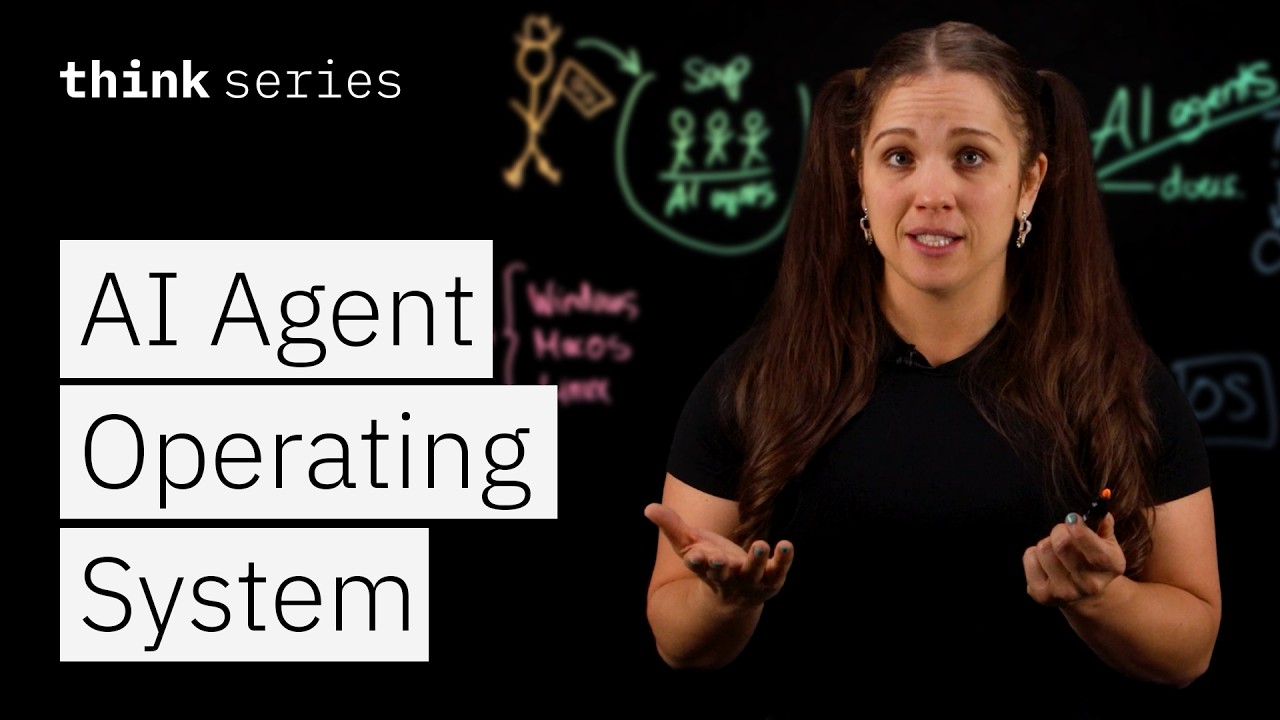
Why AI Agents Need an Operating System

Why AI Agents Need an Operating System

Current AI agents are powerful but lack memory, context, and safety, behaving like "genius goldfish." This summary explains the necessity of an AI Agent Operating System (OS) to provide essential infrastructure for managing memory, tools, identity, and governance, making agents reliable, scalable, and trustworthy.

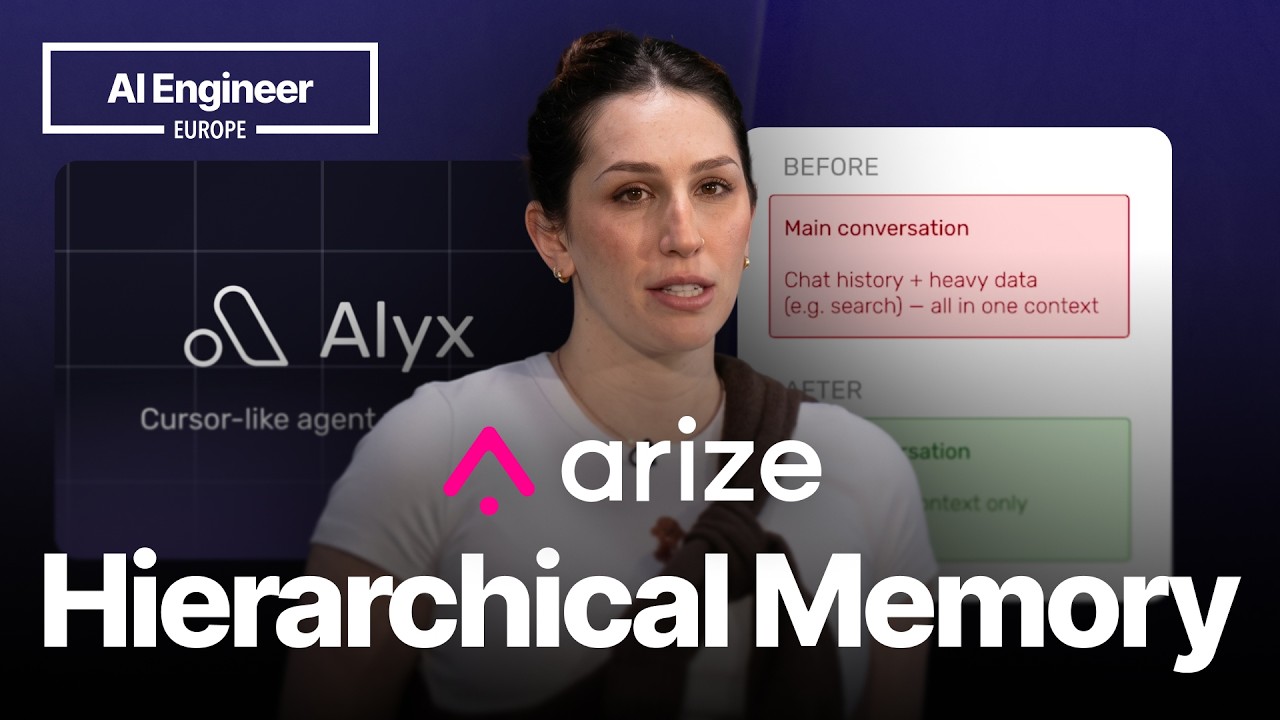
Hierarchical Memory: Context Management in Agents — Sally-Ann Delucia

Hierarchical Memory: Context Management in Agents — Sally-Ann Delucia

The Arize team shares lessons from building their AI agent, Alyx, which analyzes its own trace data. They detail their journey from failed attempts like naive truncation and summarization to a successful strategy combining head/tail preservation with a retrievable memory store and using sub-agents to manage context complexity.

Agentic Consent Explained: How AI Agents Act Safely and Responsibly

Agentic Consent Explained: How AI Agents Act Safely and Responsibly

Grant Miller from IBM explains Agentic Consent, a dynamic framework for governing AI agents. The model moves beyond static permissions, using identity, context, and just-in-time user prompts to ensure AI agents act with, not instead of, their human counterparts, enabling trust and safety as autonomy scales.

From Zapier for Devs to Powering 90% AI Agents

From Zapier for Devs to Powering 90% AI Agents

Co-founders of Trigger.dev discuss their journey through three product versions to find product-market fit, how their async infrastructure positioned them perfectly for the AI agent era, and their vision for the future of computing: programmatic checkpoint and restore.

Thin Harness, Fat Skills: The New Way To Build Software

Thin Harness, Fat Skills: The New Way To Build Software

This episode explores the transformative shift in software development, where AI agents empower solo developers to achieve unprecedented productivity. Featuring YC President Gary Tan's return to coding after 13 years, it delves into new workflows, the 'tokenmaxxing' philosophy, and the rise of personal, user-controlled AI.