Posts

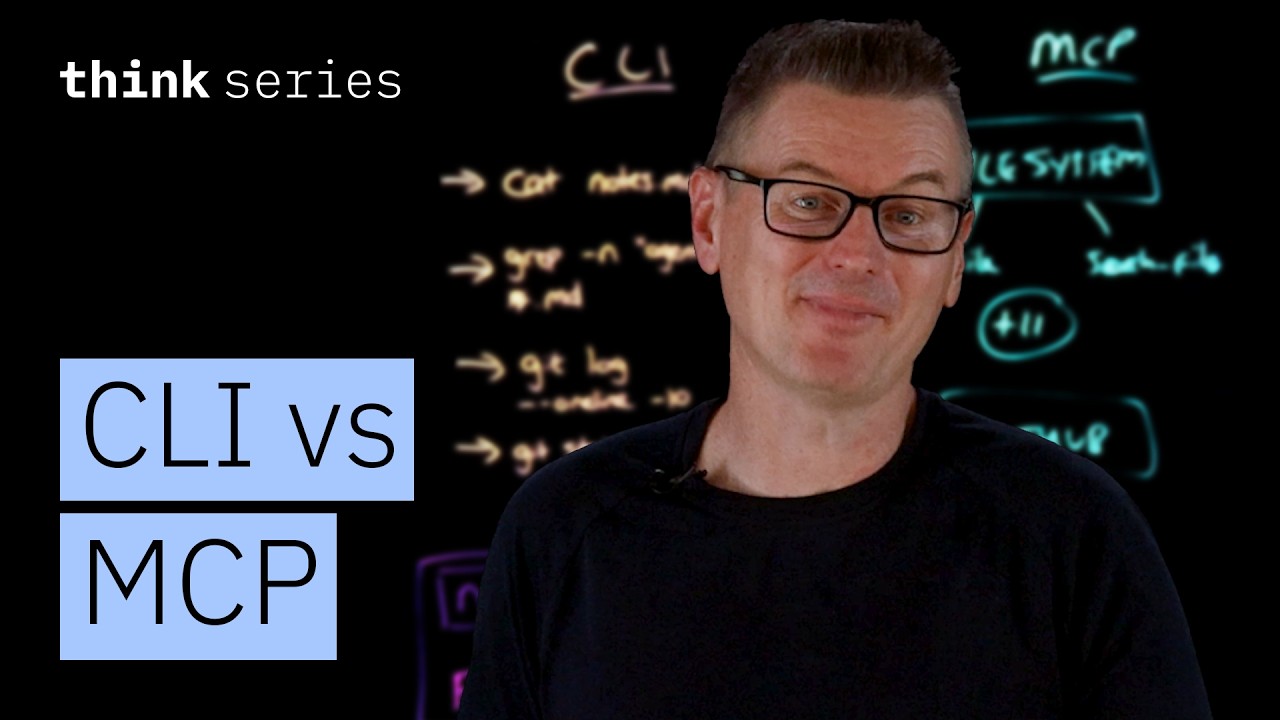
CLI vs MCP: How AI Agents Choose the Right Tool for the Job

CLI vs MCP: How AI Agents Choose the Right Tool for the Job

AI agents can interact with the world through either the Command Line Interface (CLI) or the Model Context Protocol (MCP). This summary explores the trade-offs between the two, highlighting CLI's efficiency for tasks the model is trained on, versus MCP's power of abstraction and governance for more complex, high-level operations.
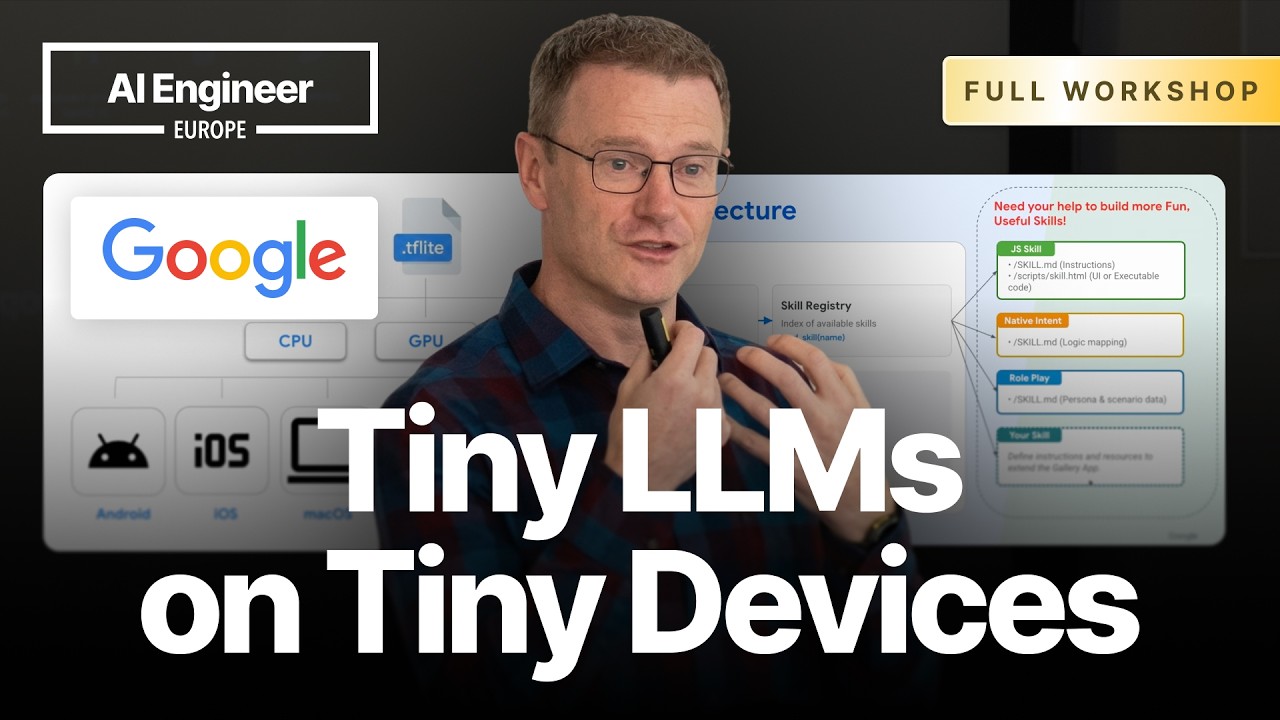
TLMs: Tiny LLMs and Agents on Edge Devices with LiteRT-LM — Cormac Brick, Google

TLMs: Tiny LLMs and Agents on Edge Devices with LiteRT-LM — Cormac Brick, Google

Cormac Brick from Google's AI Edge team details the dual trends of on-device AI: large, system-level models like Gemma 4 enabling complex agent skills, and fine-tuned tiny LLMs for high-performance, in-app tasks. The summary covers the architecture of on-device function calling, the engineering trade-offs for edge deployment, and the practical workflow for fine-tuning and deploying models under 1B parameters on platforms like Android and iOS.

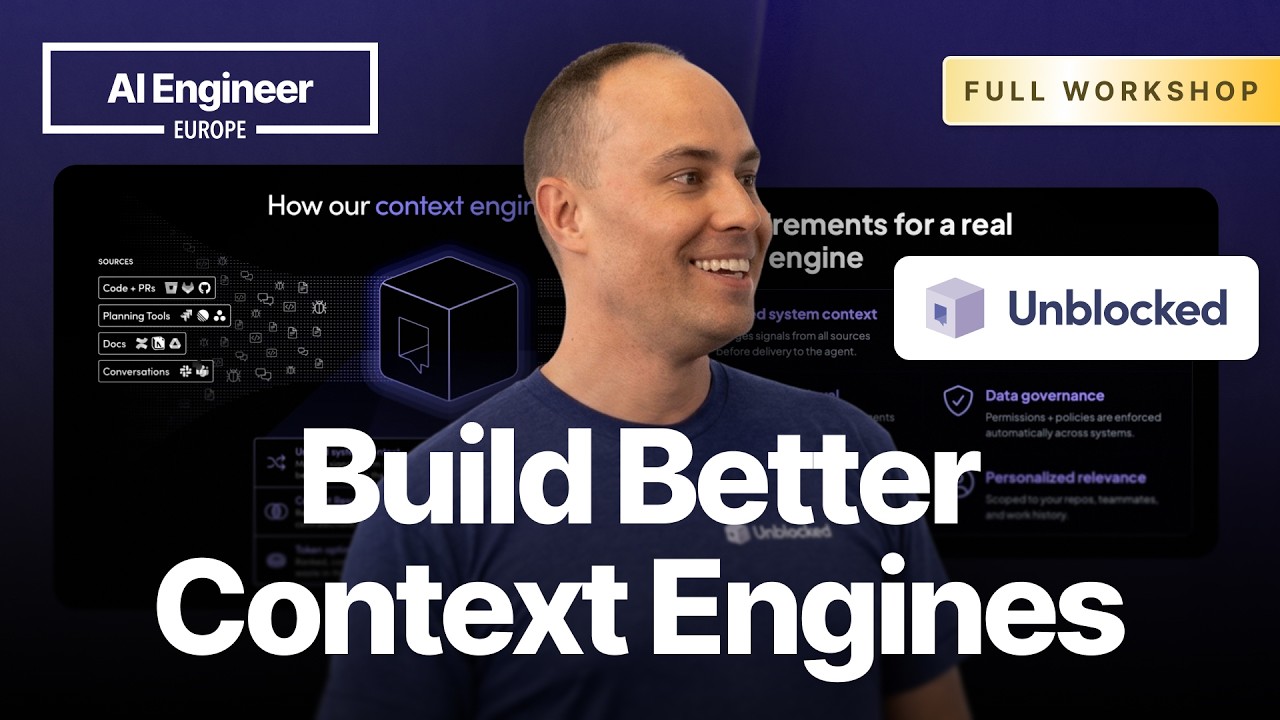
Mergeable by default: Building the context engine to save time and tokens — Peter Werry, Unblocked

Mergeable by default: Building the context engine to save time and tokens — Peter Werry, Unblocked

A practitioner's guide to building a context engine, the reasoning layer that provides AI agents with the necessary organizational context to generate effective and appropriate code. The talk debunks common myths about RAG and large context windows, outlines core requirements for a robust context engine, and shares lessons learned from production.

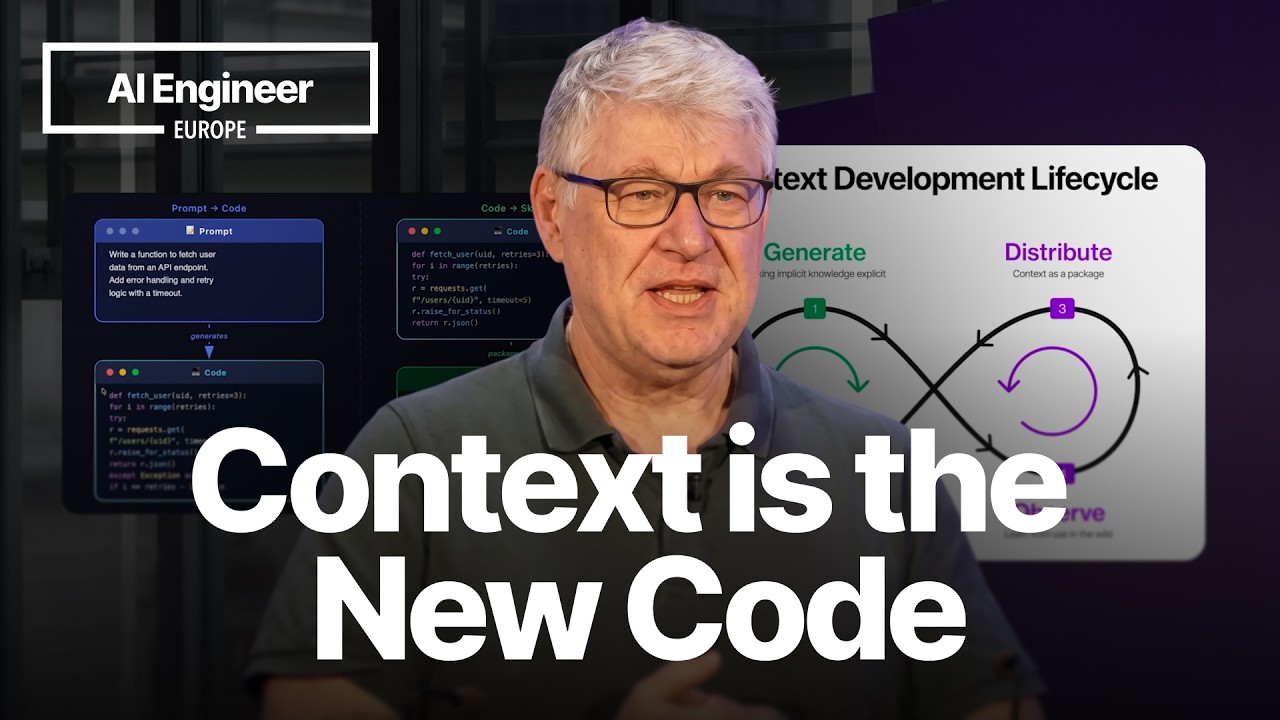
Context Is the New Code — Patrick Debois, Tessl

Context Is the New Code — Patrick Debois, Tessl

Patrick Debois argues that as AI coding agents become more capable, the context that drives them—prompts, rules, and memory—needs its own engineering discipline, akin to how we manage code. He introduces the Context Development Lifecycle (Generate, Evaluate, Distribute, and Observe) to make context a shared, repeatable, and improvable part of software delivery, creating a flywheel effect where better context leads to better agent output and continuous improvement.

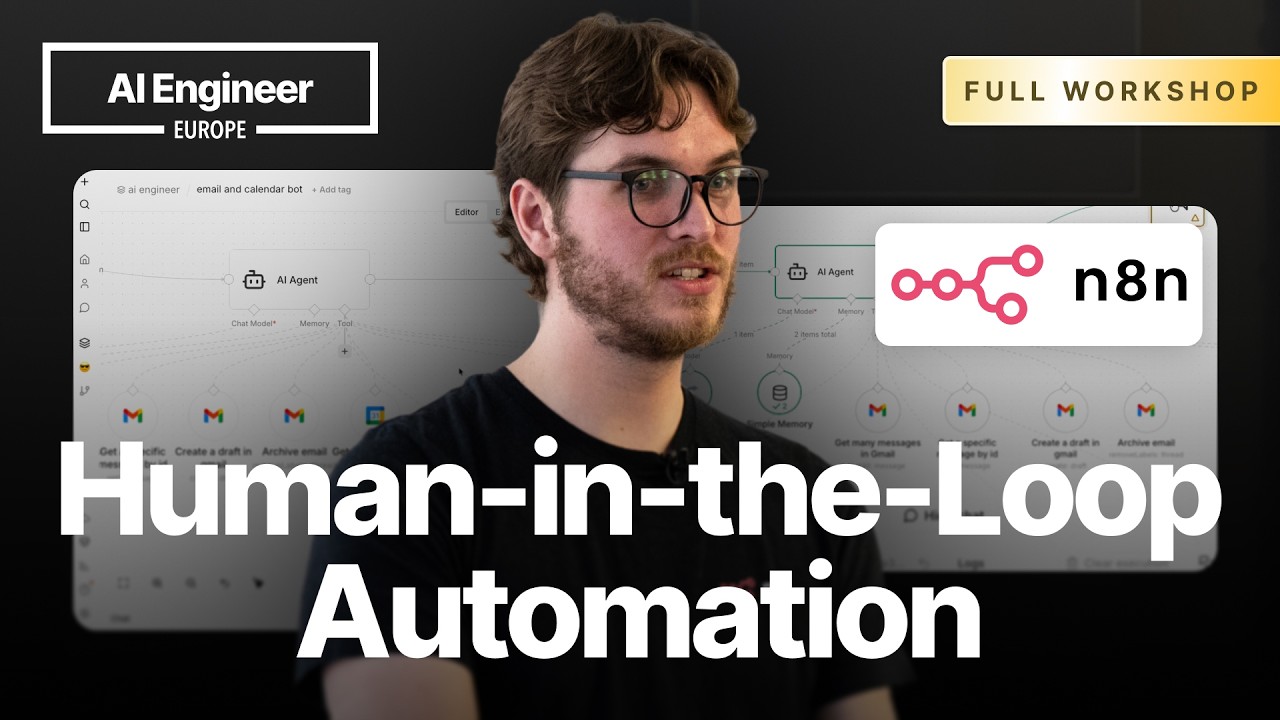
Human-in-the-Loop Automation with n8n — Liam McGarrigle

Human-in-the-Loop Automation with n8n — Liam McGarrigle

Liam McGarrigle demonstrates how to build secure, observable, and controllable AI agents in n8n. The workshop covers creating a human-in-the-loop workflow for managing Gmail and Google Calendar, focusing on n8n's visual system for tool configuration, prompting strategies, and implementing essential approval steps to prevent unintended actions.

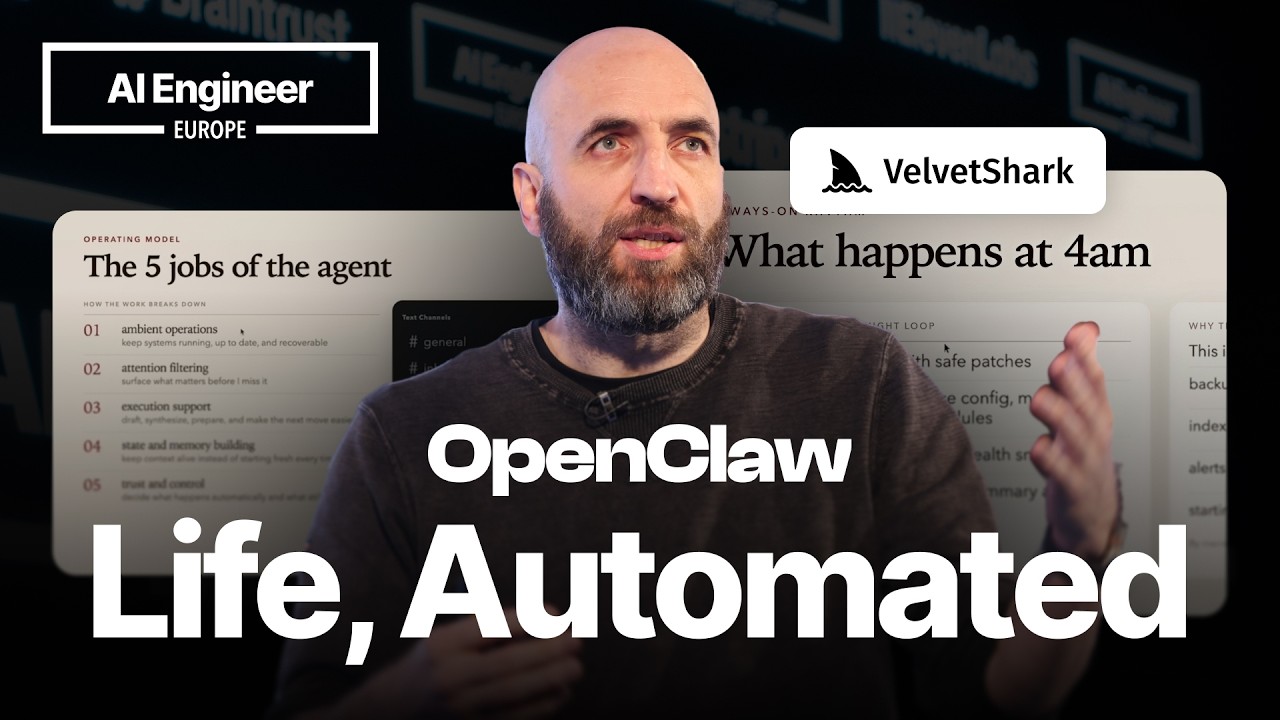
I Gave an AI Agent the Keys to My Life (Here's What Happened) — Radek Sienkiewicz, Velvet Shark

I Gave an AI Agent the Keys to My Life (Here's What Happened) — Radek Sienkiewicz, Velvet Shark

A deep dive into the practical, long-term experience of giving a personal AI agent (Open-Claw) incremental control over one's digital life. The talk covers the gradual "permission creep," the pivotal role of an Obsidian knowledge base for providing context, the ecosystem of overnight cron jobs for self-maintenance, and the philosophy of using an agent to "optimize for your future self."