Tokenless

Machine Learning

View All
Post-training best-in-class models in 2025

Post-training best-in-class models in 2025

An expert overview of post-training techniques for language models, covering the entire workflow from data generation and curation to advanced algorithms like Supervised Fine-Tuning (SFT), Direct Preference Optimization (DPO), and Reinforcement Learning (RL), along with practical advice on evaluation and iteration.
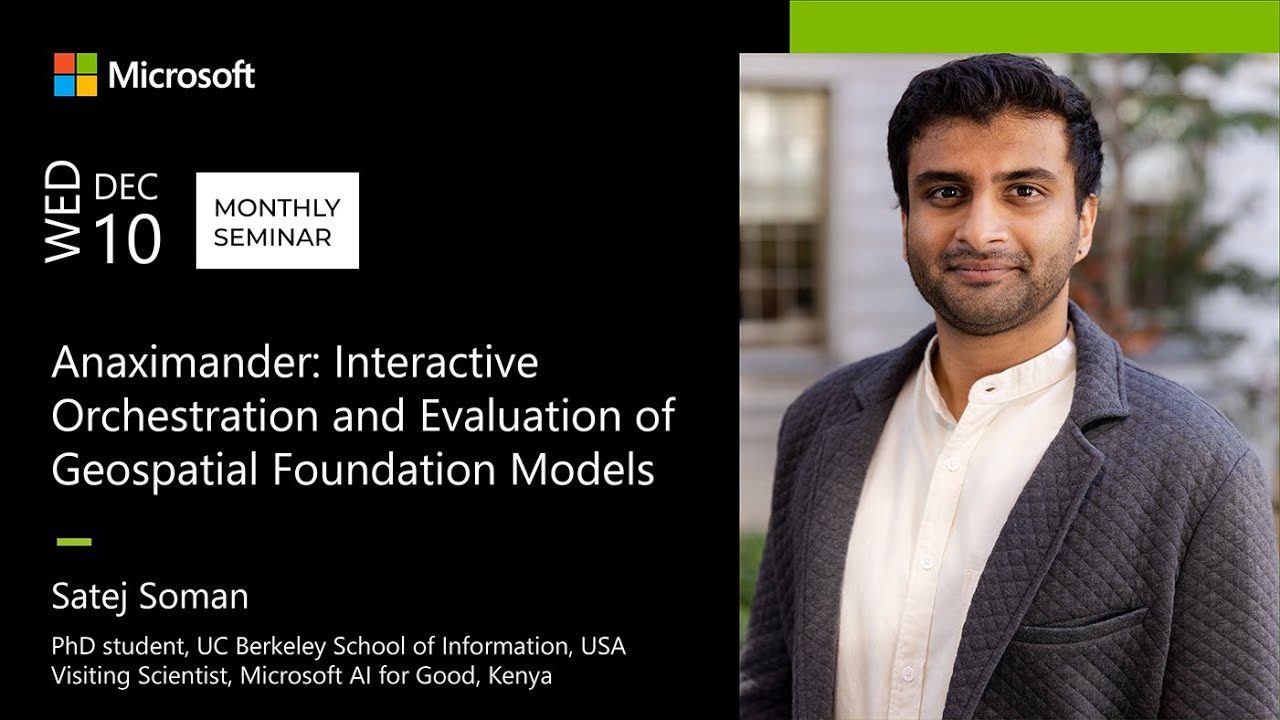
Anaximander: Interactive Orchestration and Evaluation of Geospatial Foundation Models

Anaximander: Interactive Orchestration and Evaluation of Geospatial Foundation Models

This talk introduces Anaximander, a system designed to bridge the gap between traditional, GUI-driven Geographic Information System (GIS) workflows and modern, code-heavy machine learning practices. Anaximander integrates geospatial foundation models directly into QGIS, allowing experts to interactively orchestrate, run, and evaluate models for tasks like semantic segmentation and object detection on satellite imagery.

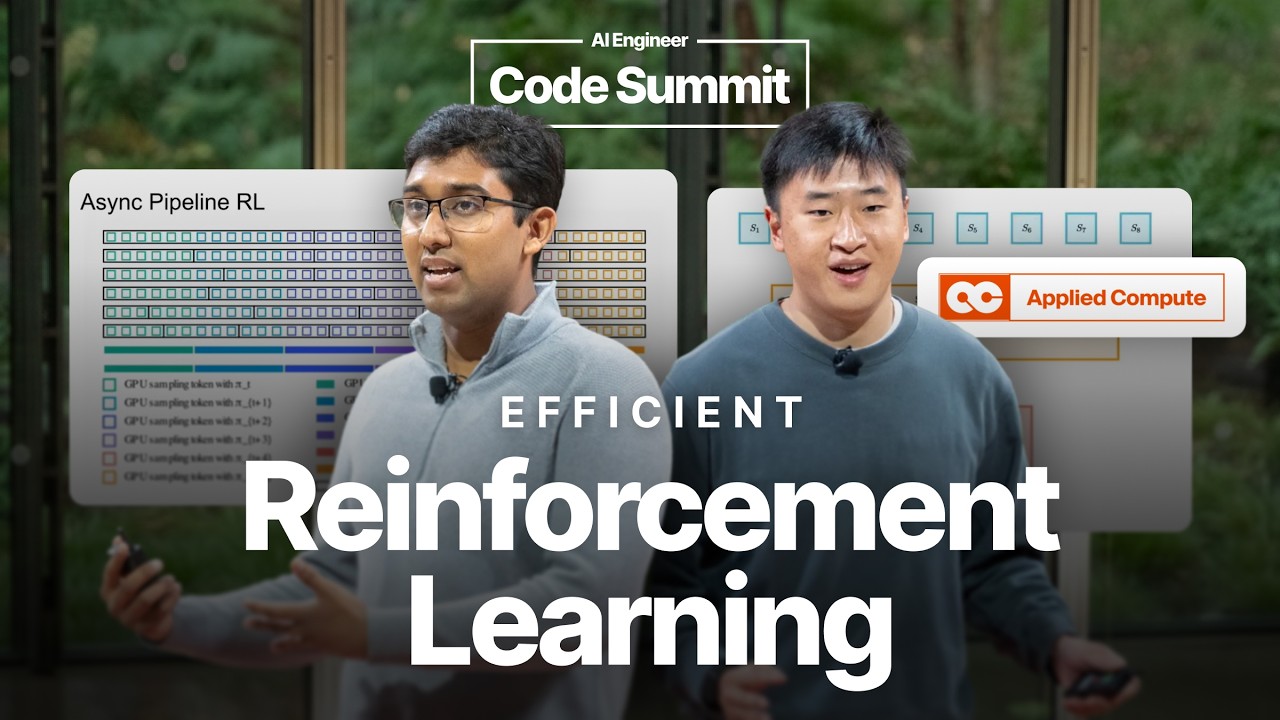
Efficient Reinforcement Learning – Rhythm Garg & Linden Li, Applied Compute

Efficient Reinforcement Learning – Rhythm Garg & Linden Li, Applied Compute

At Applied Compute, efficient Reinforcement Learning is critical for delivering business value. This talk explores the transition from inefficient synchronous RL to a high-throughput asynchronous 'Pipeline RL' system. The core challenge is managing 'staleness'—a side effect of in-flight weight updates that can destabilize training. The speakers detail their first-principles systems model, based on the Roofline model, used to simulate and find the optimal allocation of GPU resources between sampling and training, balancing throughput with algorithmic stability and achieving significant speedups.

Artificial Intelligence

View All
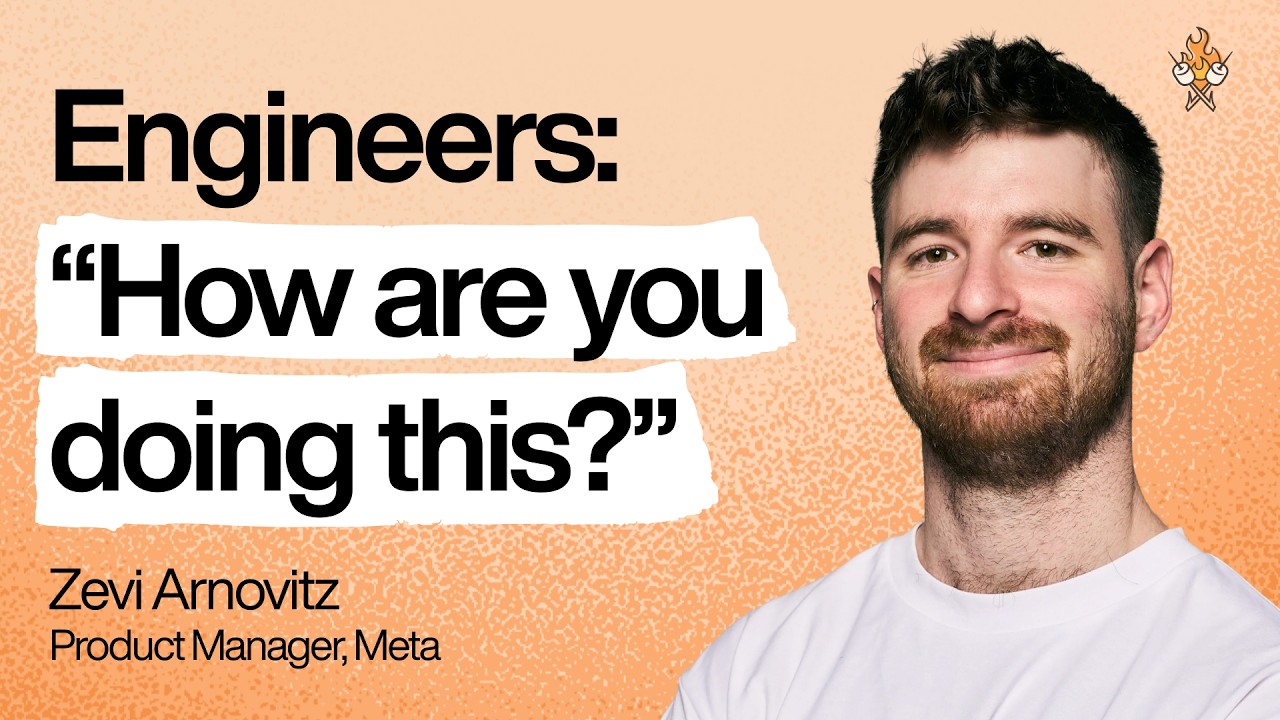
How a Meta PM ships products without ever writing code | Zevi Arnovitz

How a Meta PM ships products without ever writing code | Zevi Arnovitz

Zevi Arnovitz, a non-technical Product Manager at Meta, shares his complete workflow for building and shipping sophisticated applications using AI tools like Cursor. He details a structured, multi-step process that leverages different AI models for specific tasks, including a novel "peer review" technique where models critique each other's code.

Why Every Brain Metaphor in History Has Been Wrong [SPECIAL EDITION]

Why Every Brain Metaphor in History Has Been Wrong [SPECIAL EDITION]

An exploration of scientific simplification, questioning the metaphors we use to understand the brain and intelligence. This summary delves into the tension between creating useful models and mistaking them for reality, featuring insights on the mind-as-software debate, the limits of prediction versus understanding, and the philosophical underpinnings of our quest for AGI.

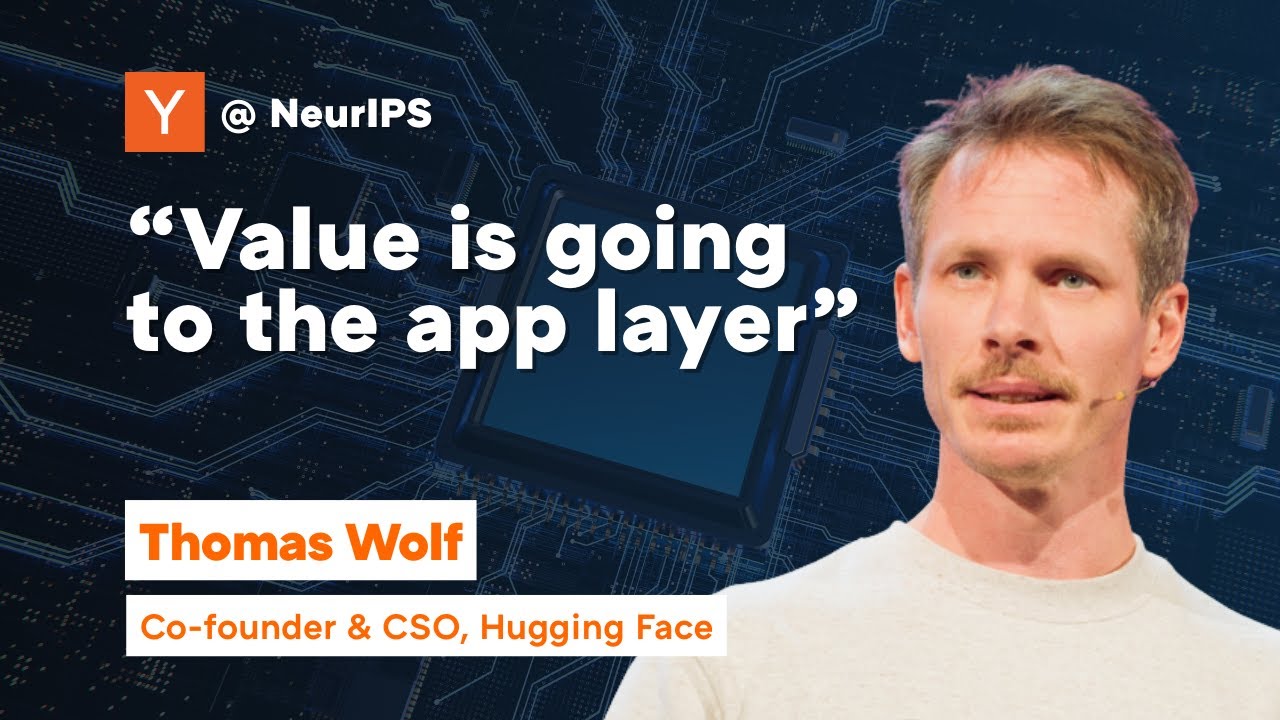
Lessons from Building Open Source Libraries

Lessons from Building Open Source Libraries

Thomas Wolf, co-founder of Hugging Face, discusses his journey from physics to AI, the power of open-source models to accelerate innovation, the practical challenges of productionalizing AI demos, and why the biggest opportunities for founders now lie in the application layer on top of powerful foundation models.

Technology

View All
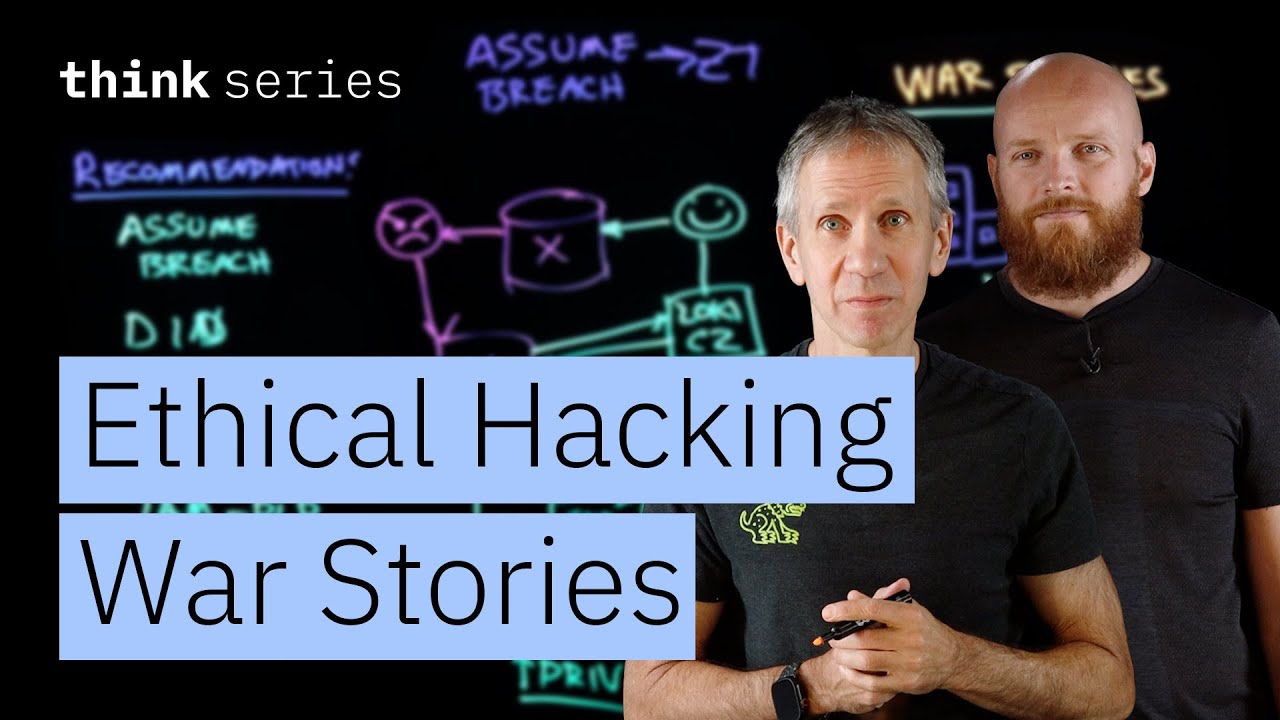
Ethical Hacking War Stories: Zero Trust, IAM & Advanced C2 Tactics

Ethical Hacking War Stories: Zero Trust, IAM & Advanced C2 Tactics

Jeff Crume and Patrick Fussell from IBM's X-Force team share a real-world ethical hacking war story, demonstrating an attack from an 'assume breach' perspective. They break down how vulnerabilities in Identity and Access Management (IAM) and legacy systems can lead to a full compromise, starting from an insider threat and escalating to domain administrator privileges through advanced C2 attacks and lateral movement.

Palo Alto Networks CEO Nikesh Arora on the Virtues of Being an Outsider

Palo Alto Networks CEO Nikesh Arora on the Virtues of Being an Outsider

Nikesh Arora, CEO of Palo Alto Networks, shares his unconventional journey and leadership philosophy. He provides a masterclass in building a multi-platform company through strategic M&A, explains why founders should sometimes ignore customers, and reveals how to lead with conviction while managing imposter syndrome.

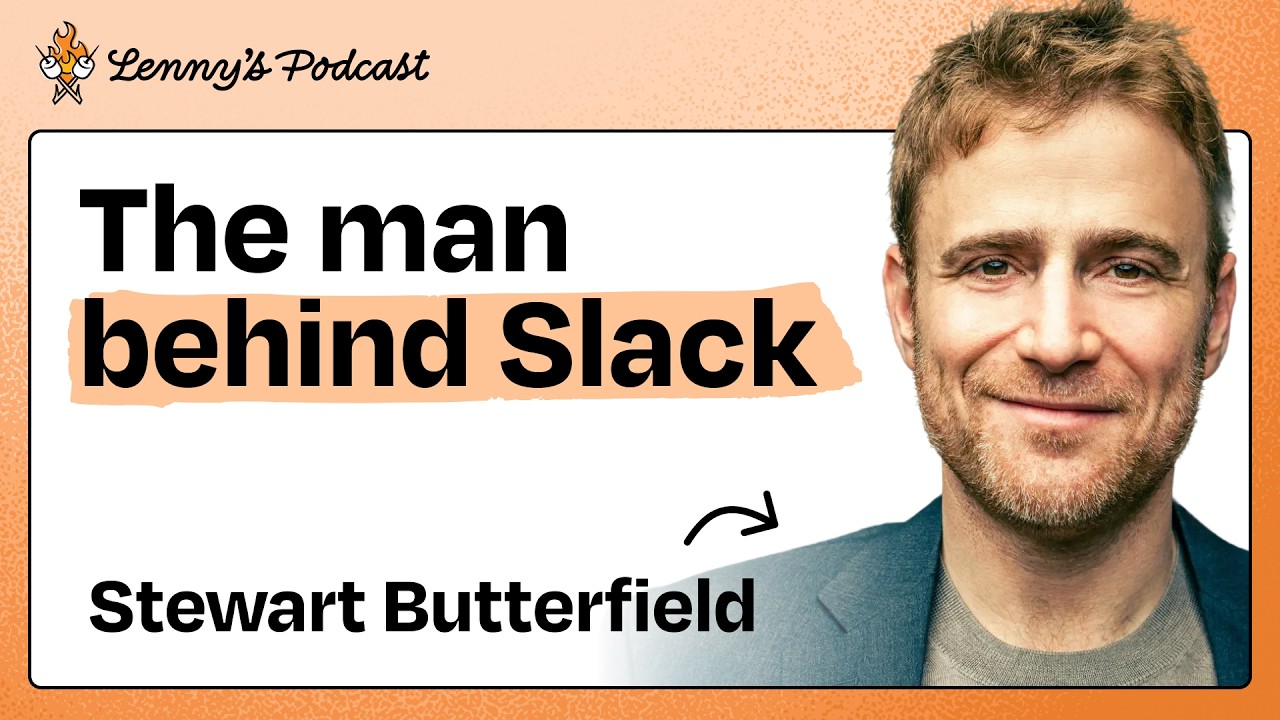
Mental models for building products people love ft. Stewart Butterfield

Mental models for building products people love ft. Stewart Butterfield

Stewart Butterfield, co-founder of Slack and Flickr, shares the product frameworks and leadership principles that guided his success. He delves into concepts like "utility curves" for feature investment, the "owner's delusion" in product design, and why focusing on "comprehension" is often more important than reducing friction. He also introduces powerful mental models for organizational effectiveness, such as combating "hyper-realistic work-like activities" and applying Parkinson's Law to team growth.


Recent Post

AI is Revolutionizing Scientific Discovery Featuring Nobel Laureate John Jumper

AI is Revolutionizing Scientific Discovery Featuring Nobel Laureate John Jumper

John Jumper, one of the creators of AlphaFold, discusses the journey of developing an AI system to solve the protein folding problem. He emphasizes that the breakthrough was driven more by novel research and a combination of "mid-scale ideas" than by raw data or compute scale alone. The talk covers the importance of blind-assessment benchmarks like CASP, the strategy of releasing a massive, accessible database to drive adoption and trust, and the unexpected ways the scientific community used the tool. He concludes by framing AI for science as a powerful amplifier for experimentalists, accelerating discovery by generating high-quality, testable hypotheses.

DeepMind's Pushmeet Kohli on AI's Scientific Revolution

DeepMind's Pushmeet Kohli on AI's Scientific Revolution

Pushmeet Kohli, head of AI for Science at DeepMind, discusses AlphaEvolve, an AI system that uses Large Language Models (LLMs) coupled with evolutionary search to discover novel, human-interpretable algorithms. He explains the architecture, from its predecessor FunSearch to the multi-agent "Co-scientist" system, and details breakthroughs in solving decades-old math problems and optimizing real-world systems like data center scheduling and chip design.

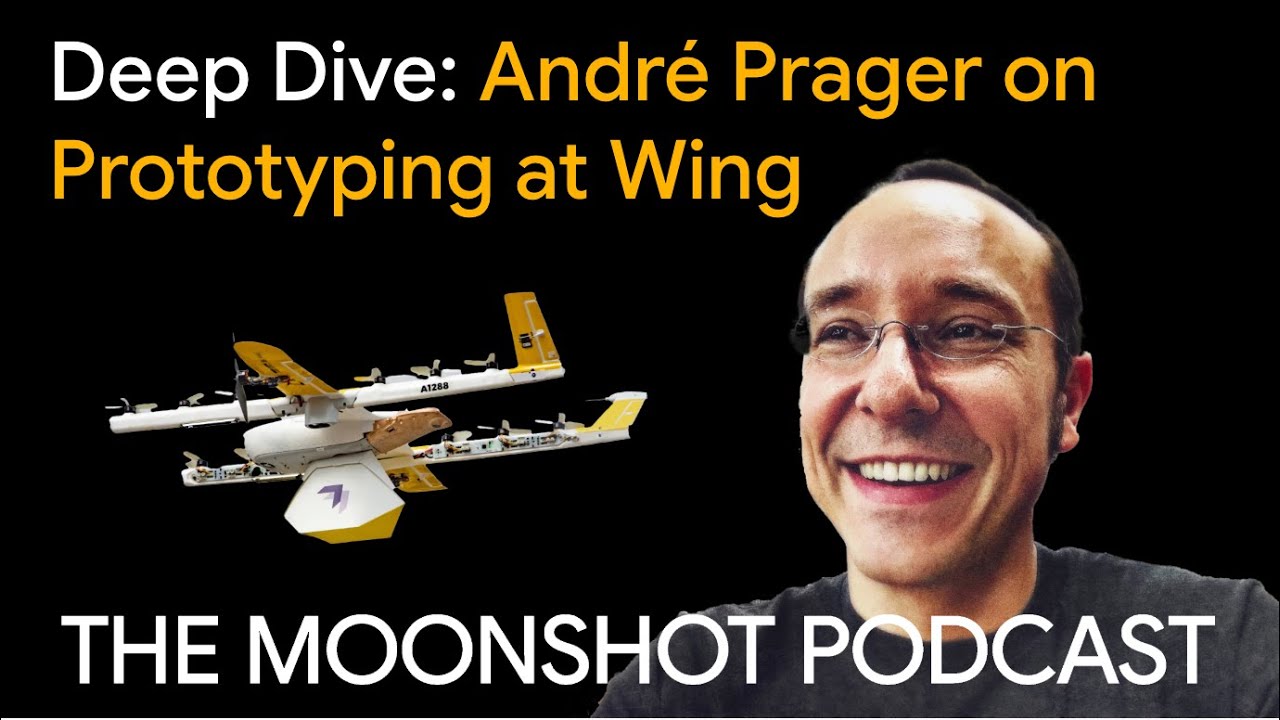
Moonshot Podcast Deep Dive: André  Prager on Prototyping at Wing

Moonshot Podcast Deep Dive: André Prager on Prototyping at Wing

André Prager, former Chief Engineer at Wing, discusses the core engineering philosophy of simplicity and cost-effectiveness that enabled the drone delivery service. He covers the design of key systems like the passive charging pad, the intelligent winch, the non-powered autoloader, and the iterative process of making the drones acoustically unobtrusive.

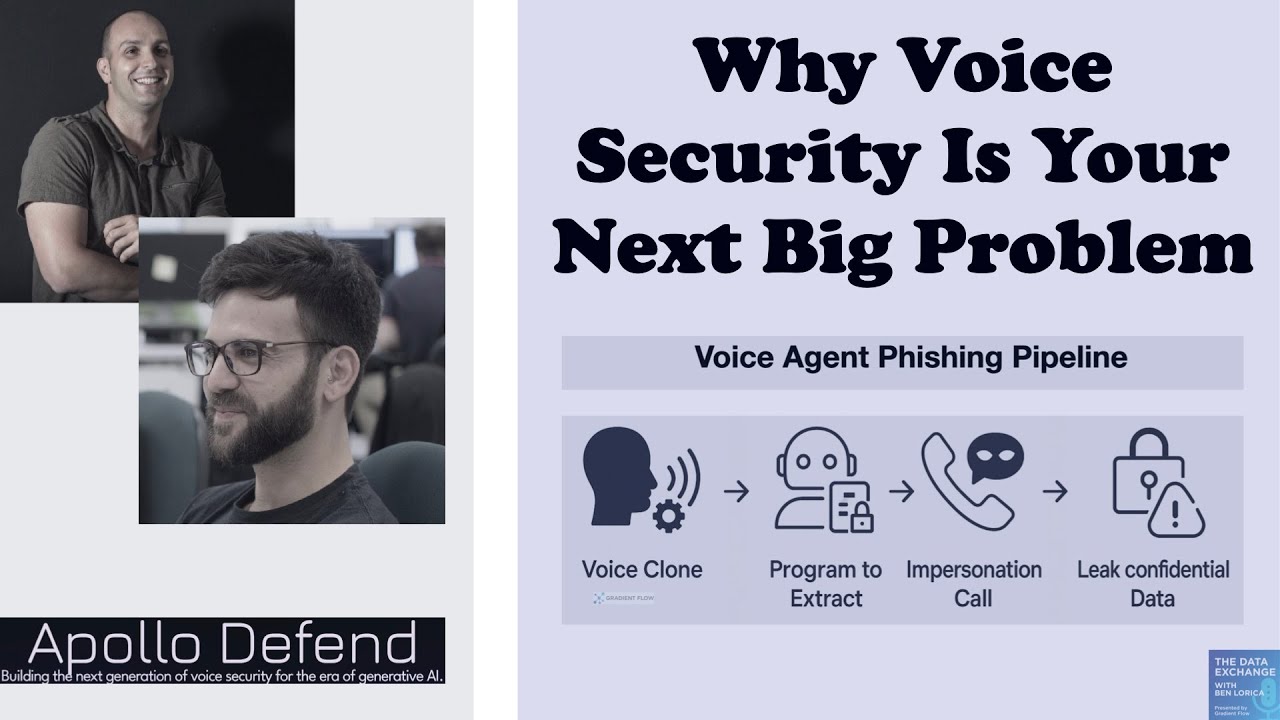
Why Voice Security Is Your Next Big Problem

Why Voice Security Is Your Next Big Problem

Yishay Carmiel and Roy Zanbel of Apollo Defend explore the state of voice AI, detailing the shift from cascaded models to end-to-end speech-to-speech systems. They break down the imminent security threats, including accessible voice cloning and sophisticated agent-based attacks, and discuss the nascent defense mechanisms and the urgent need for a new layer of voice security for governments, enterprises, and consumers.

Jonathan Blow - Jai Demo and Design Explanation (KEYNOTE) - Updated

Jonathan Blow - Jai Demo and Design Explanation (KEYNOTE) - Updated

Jonathan Blow, creator of Braid and The Witness, discusses the design philosophy behind 'jai', a new systems programming language. He explains how 'jai' re-evaluates the cost-benefit analysis of manual memory management by providing powerful, low-friction tools for metaprogramming, introspection, and debugging, inspired by principles from functional programming.

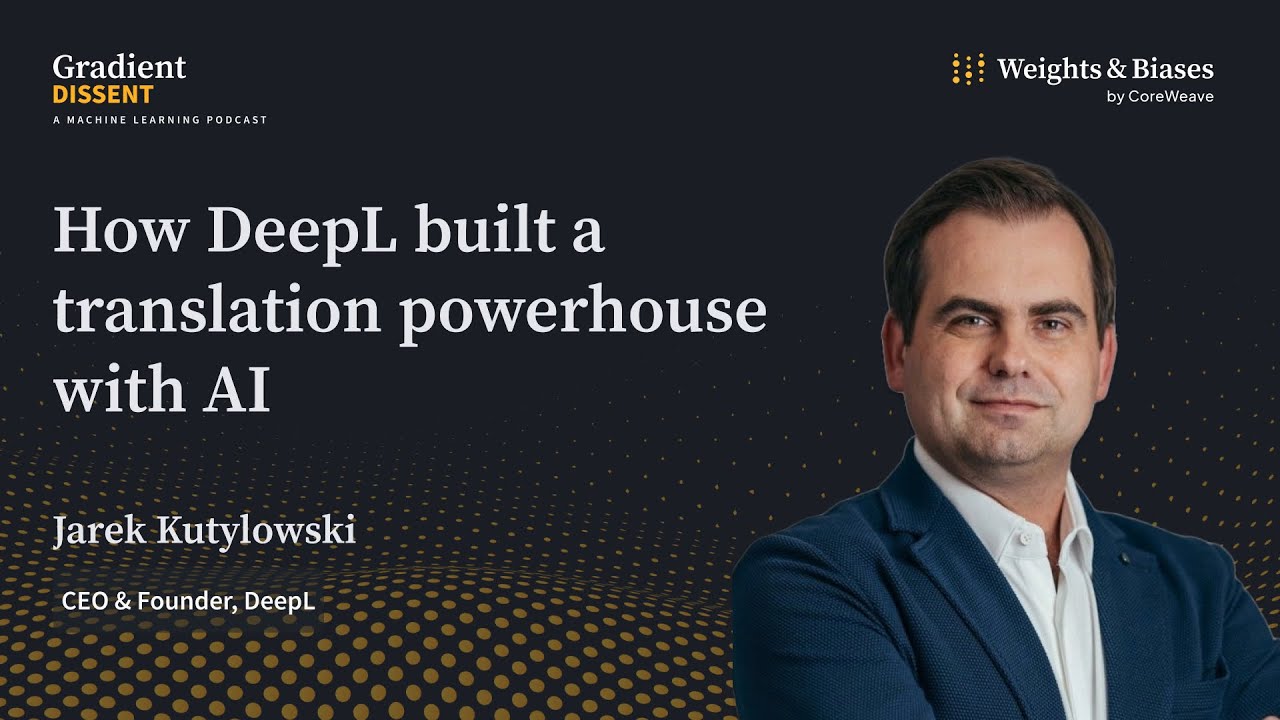
How DeepL Built a Translation Powerhouse with AI with CEO Jarek Kutylowski

How DeepL Built a Translation Powerhouse with AI with CEO Jarek Kutylowski

Jarek Kutylowski, CEO of DeepL, discusses the company's technical strategy for competing with large language models in the translation space. He covers their focus on specialized model architectures, the critical role of curated data, the engineering challenges of building custom GPU data centers and large-scale inference systems, and the future of AI-driven translation in enterprise workflows.

Stay In The Loop! Subscribe to Our Newsletter.

Get updates straight to your inbox. No spam, just useful content.