Tokenless

Machine Learning

View All
Post-training best-in-class models in 2025

Post-training best-in-class models in 2025

An expert overview of post-training techniques for language models, covering the entire workflow from data generation and curation to advanced algorithms like Supervised Fine-Tuning (SFT), Direct Preference Optimization (DPO), and Reinforcement Learning (RL), along with practical advice on evaluation and iteration.
Anaximander: Interactive Orchestration and Evaluation of Geospatial Foundation Models

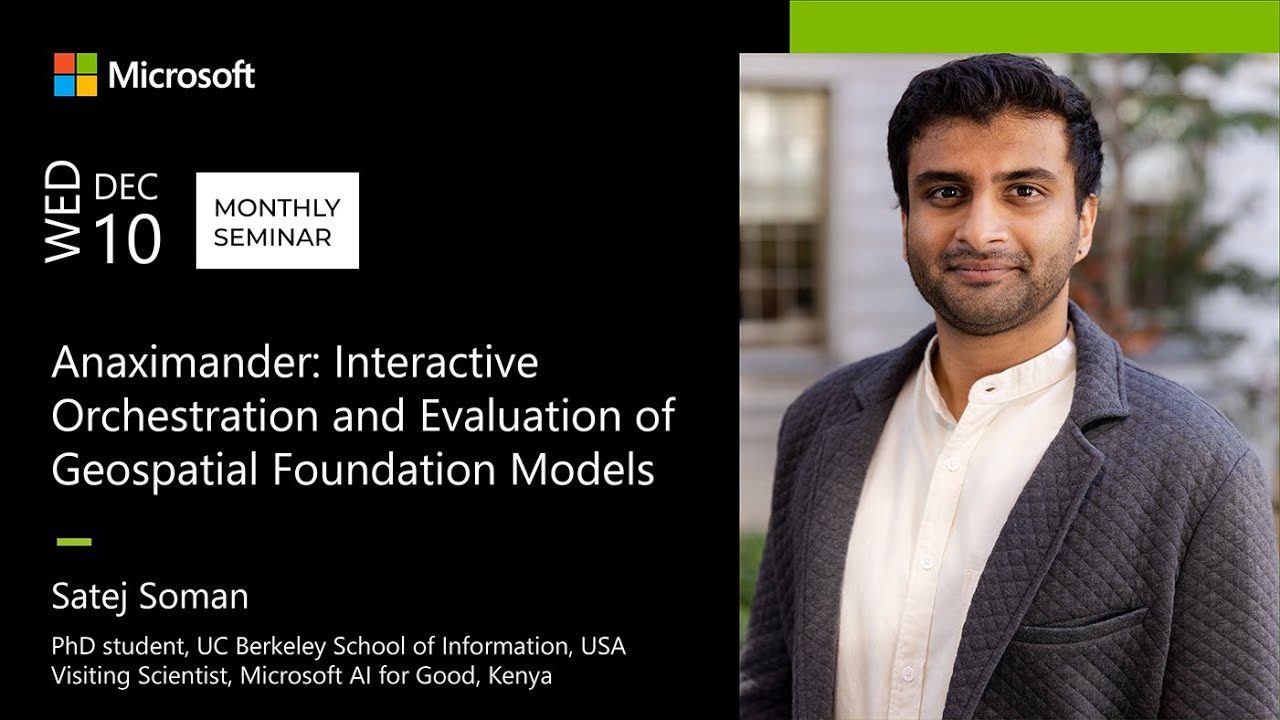
Anaximander: Interactive Orchestration and Evaluation of Geospatial Foundation Models

This talk introduces Anaximander, a system designed to bridge the gap between traditional, GUI-driven Geographic Information System (GIS) workflows and modern, code-heavy machine learning practices. Anaximander integrates geospatial foundation models directly into QGIS, allowing experts to interactively orchestrate, run, and evaluate models for tasks like semantic segmentation and object detection on satellite imagery.

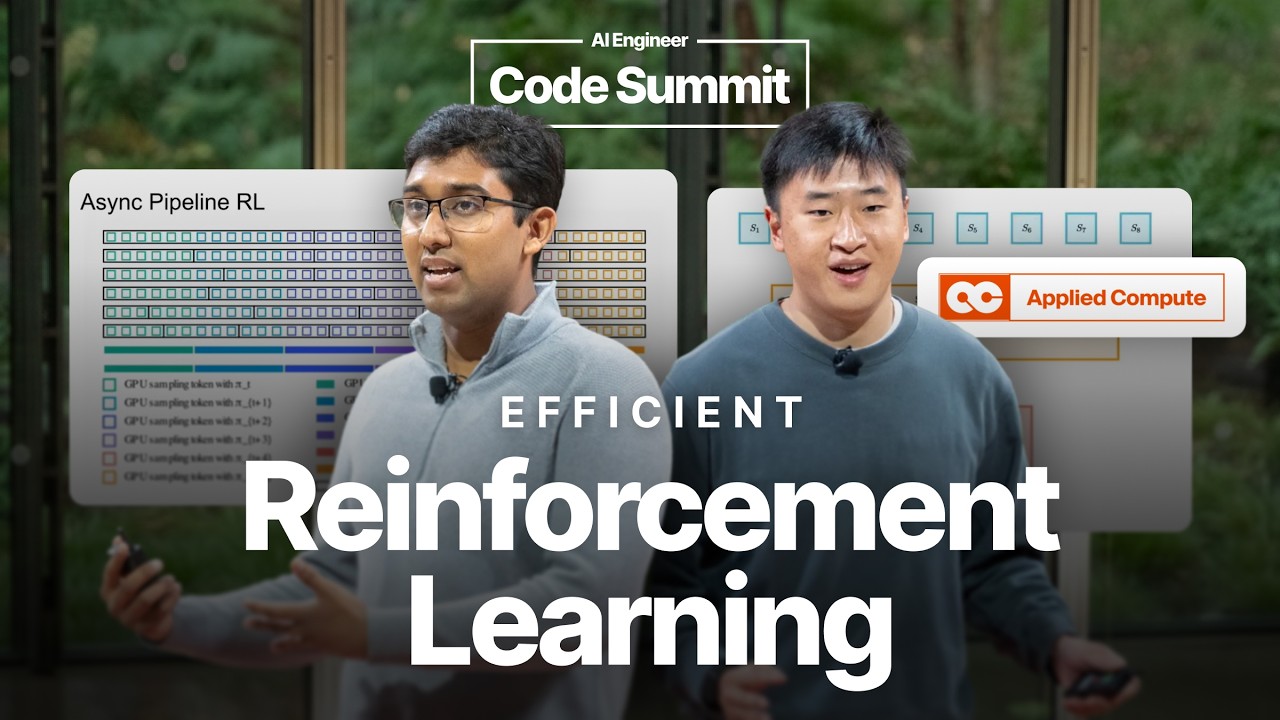
Efficient Reinforcement Learning – Rhythm Garg & Linden Li, Applied Compute

Efficient Reinforcement Learning – Rhythm Garg & Linden Li, Applied Compute

At Applied Compute, efficient Reinforcement Learning is critical for delivering business value. This talk explores the transition from inefficient synchronous RL to a high-throughput asynchronous 'Pipeline RL' system. The core challenge is managing 'staleness'—a side effect of in-flight weight updates that can destabilize training. The speakers detail their first-principles systems model, based on the Roofline model, used to simulate and find the optimal allocation of GPU resources between sampling and training, balancing throughput with algorithmic stability and achieving significant speedups.

Artificial Intelligence

View All
Lessons from Building Open Source Libraries

Lessons from Building Open Source Libraries

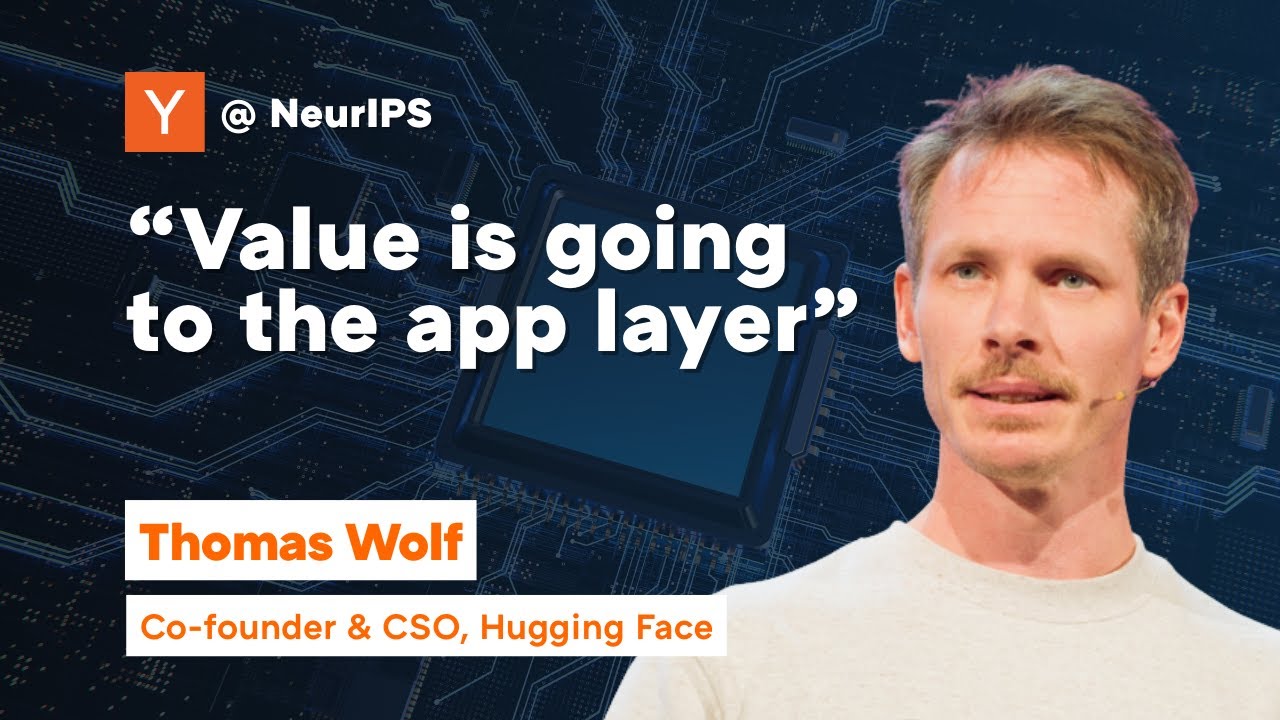
Thomas Wolf, co-founder of Hugging Face, discusses his journey from physics to AI, the power of open-source models to accelerate innovation, the practical challenges of productionalizing AI demos, and why the biggest opportunities for founders now lie in the application layer on top of powerful foundation models.

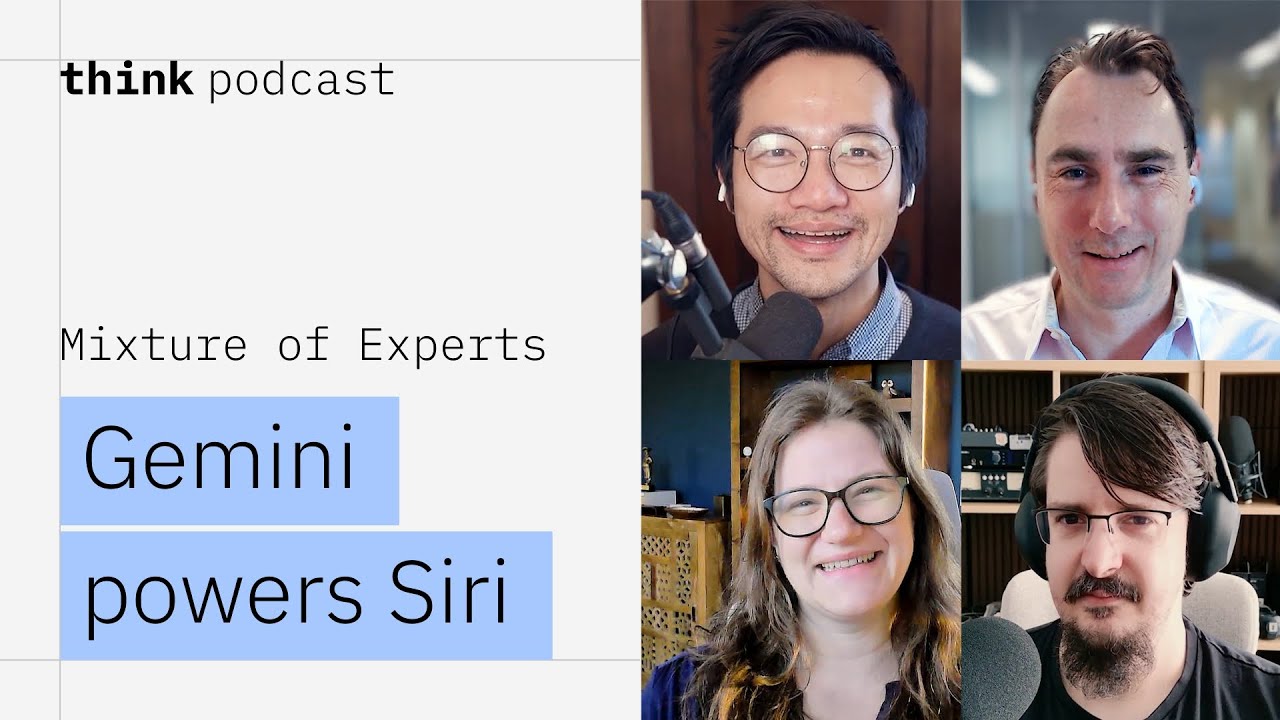
Claude Cowork analysis & Apple picks Gemini

Claude Cowork analysis & Apple picks Gemini

The panel discusses Anthropic's Claude Cowork and the challenge of user trust in AI agents for everyday tasks. They then analyze the Apple-Google partnership to integrate Gemini into Siri, debating its implications for edge AI, privacy, and hardware limitations. Finally, they explore Linus Torvalds' use of AI for "vibe coding," considering its impact on hobbyist programming and entrepreneurship versus the current limitations in producing production-ready software.

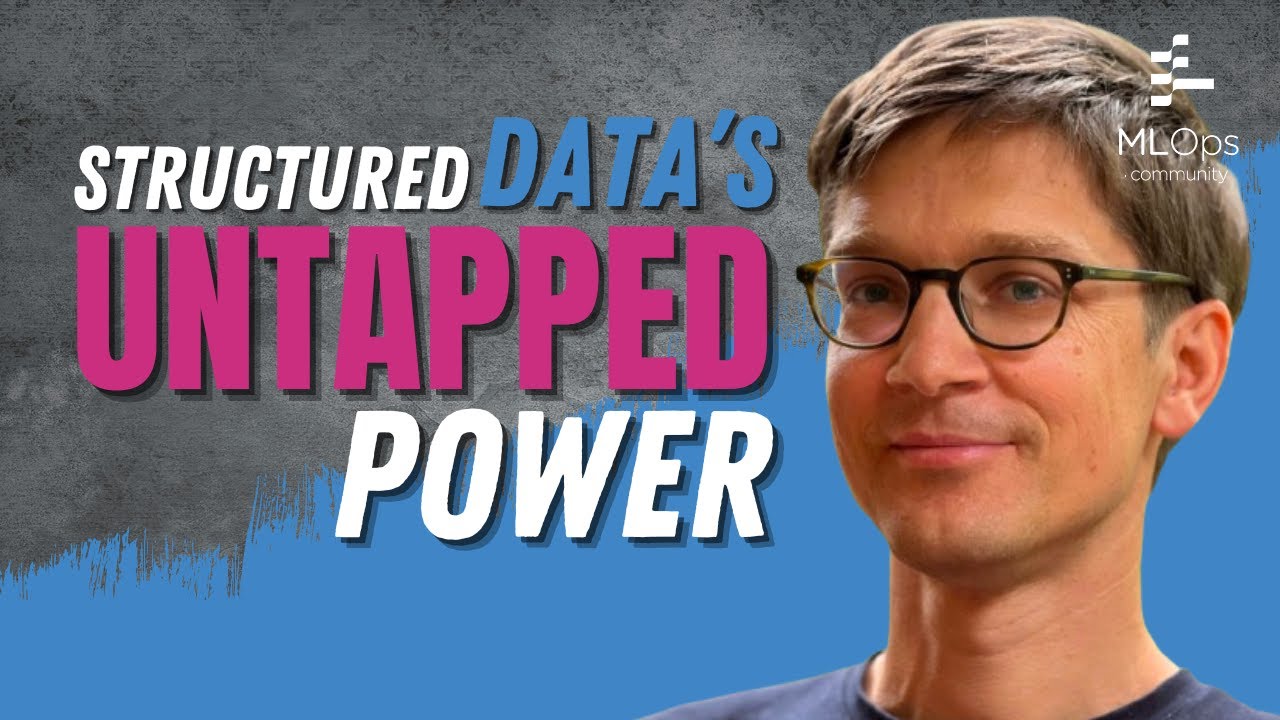
Graph Neural Networks Just Solved Enterprise AI?

Graph Neural Networks Just Solved Enterprise AI?

Jure Leskovec introduces Relational Foundation Models (RFMs), a new class of models based on graph neural networks that learn directly from raw, multi-table enterprise data. This approach bypasses manual feature engineering, leading to more accurate, faster-to-deploy, and easier-to-maintain predictive models for tasks like churn prediction, fraud detection, and recommendation systems.

Technology

View All
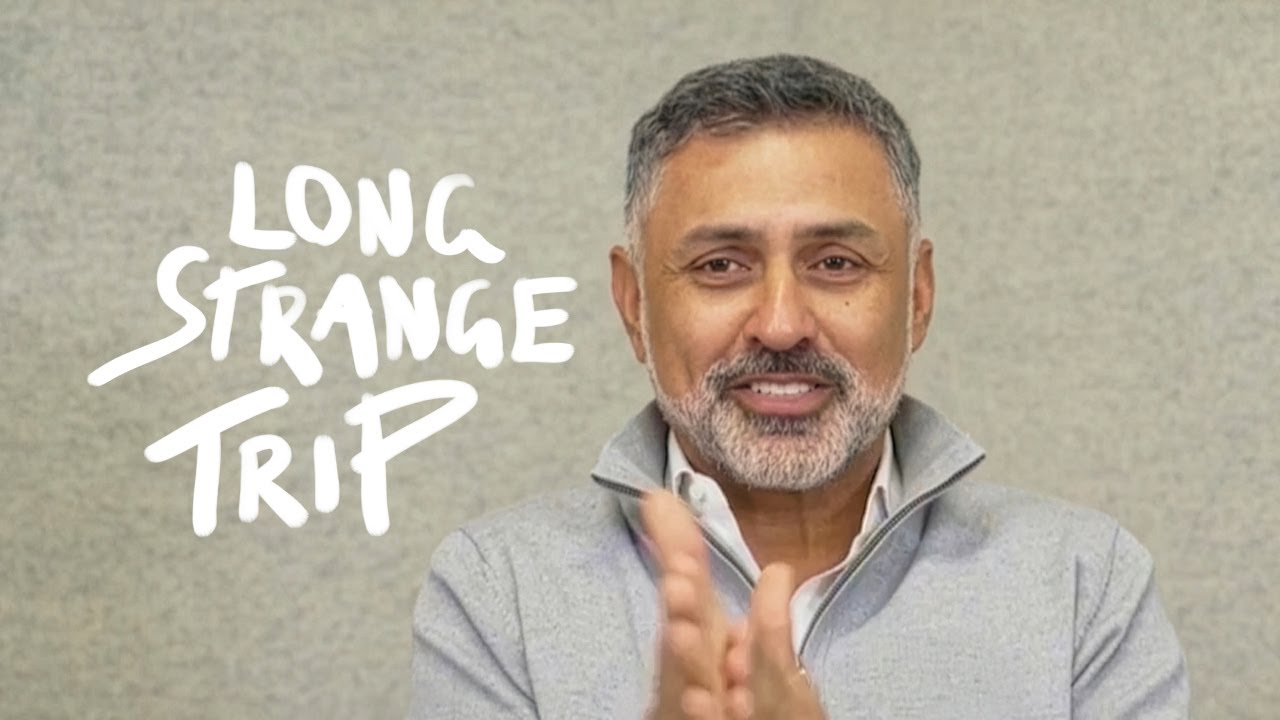
Palo Alto Networks CEO Nikesh Arora on the Virtues of Being an Outsider

Palo Alto Networks CEO Nikesh Arora on the Virtues of Being an Outsider

Nikesh Arora, CEO of Palo Alto Networks, shares his unconventional journey and leadership philosophy. He provides a masterclass in building a multi-platform company through strategic M&A, explains why founders should sometimes ignore customers, and reveals how to lead with conviction while managing imposter syndrome.

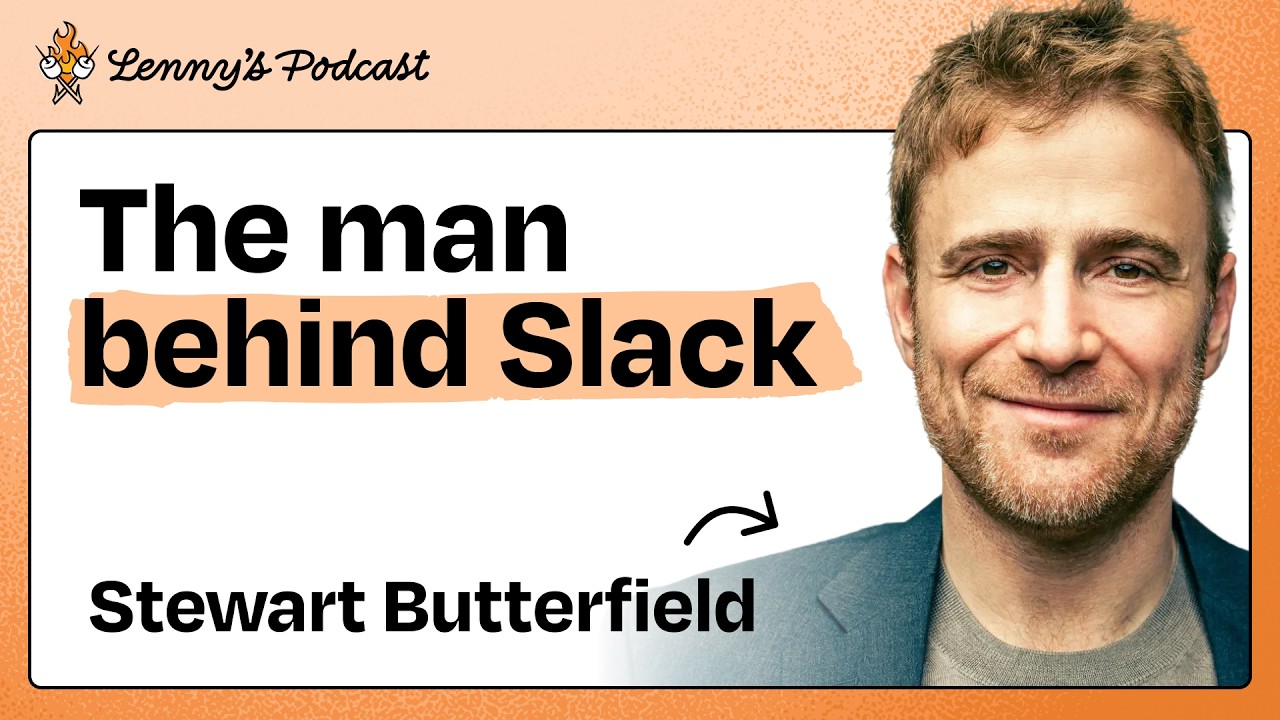
Mental models for building products people love ft. Stewart Butterfield

Mental models for building products people love ft. Stewart Butterfield

Stewart Butterfield, co-founder of Slack and Flickr, shares the product frameworks and leadership principles that guided his success. He delves into concepts like "utility curves" for feature investment, the "owner's delusion" in product design, and why focusing on "comprehension" is often more important than reducing friction. He also introduces powerful mental models for organizational effectiveness, such as combating "hyper-realistic work-like activities" and applying Parkinson's Law to team growth.

Intuit CEO Sasan Goodarzi’s Grown-Up CEO Playbook

Intuit CEO Sasan Goodarzi’s Grown-Up CEO Playbook

Intuit CEO Sasan Goodarzi discusses the operational playbook for reinventing a 40-year-old company, from its slow transition to SaaS to its early adoption of AI. He shares insights on winning the SMB market by treating small businesses like consumers, building effective channel partnerships, and developing a platform strategy. Goodarzi also details his leadership philosophy, emphasizing that grit and curiosity are more critical than raw talent.


Recent Post

AI Agents & LLMs: Real-Time IT Issue Prediction & Prevention

AI Agents & LLMs: Real-Time IT Issue Prediction & Prevention

Amanda Downie explains the shift from reactive IT firefighting to proactive optimization, detailing how AI agents and LLMs use predictive analytics, topology mapping, and continuous learning loops to anticipate and prevent system issues before they occur.

Building the Universal AI Automation Layer ft n8n CEO Jan Oberhauser

Building the Universal AI Automation Layer ft n8n CEO Jan Oberhauser

Jan Oberhauser, founder of n8n, discusses the company's strategic pivot from a workflow tool to an AI automation platform. He explains how focusing on community, adopting a "connect everything to anything" philosophy, and enabling the creation of complex AI agents led to a 4x revenue increase in just eight months.

Sub-Population Identification of Multi-morbidity in Sub-Saharan African Populations

Sub-Population Identification of Multi-morbidity in Sub-Saharan African Populations

A discussion on refining patient questions for a study on diabetes, highlighting the contrast between simplified questions for scalable data collection and the complex, nuanced queries from long-term patients. The team explores how to test their AI-driven storytelling system with these specific, real-world scenarios to generate more grounded and relevant health narratives.

Advanced Context Engineering for Agents

Advanced Context Engineering for Agents

Dexter Horthy of Human Layer explains why naive AI coding agents fail in complex software projects and introduces 'Advanced Context Engineering.' He details a spec-first, three-phase workflow (Research, Plan, Implement) designed to manage context intentionally, keeping utilization below 40% to maximize model performance. This approach uses subagents and frequent compaction to turn AI from a prototyping tool into a production-ready system for large, brownfield codebases.

Using LongMemEval to Improve Agent Memory

Using LongMemEval to Improve Agent Memory

Sam Bhagwat of Mastra details their process for optimizing AI agent memory using the Long Mem Eval benchmark. He breaks down memory into subtasks like temporal reasoning and knowledge updates, and shares how targeted improvements—such as tailored templates, targeted data updates, and structured message formatting—led to state-of-the-art performance, emphasizing the importance of iterative evaluation.

Conext Engineering for Engineers

Conext Engineering for Engineers

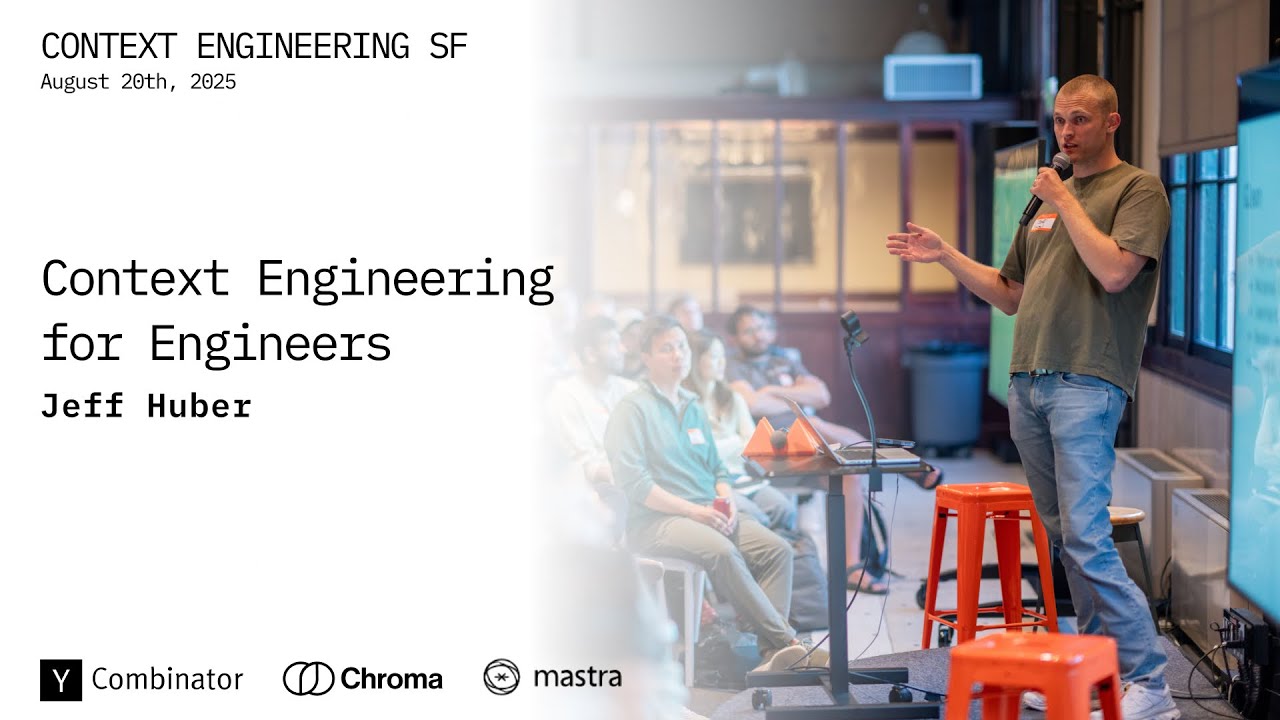
Jeff Huber of Chroma argues that building reliable AI systems hinges on 'Context Engineering'—the deliberate curation of information within the context window. He challenges the efficacy of long-context models, presenting a 'Gather and Glean' framework to maximize recall and precision, and discusses specific challenges and techniques for AI agents, such as intelligent compaction.

Stay In The Loop! Subscribe to Our Newsletter.

Get updates straight to your inbox. No spam, just useful content.