Tokenless

Machine Learning

View All
Migrating from Neptune to Weights & Biases

Migrating from Neptune to Weights & Biases

A technical guide on migrating ML experiments from Neptune to Weights & Biases, covering the migration script, API-level code changes, and best practices for organizing projects and analyzing results in the W&B platform before the Neptune sunset.
W&B Models end-to-end demo

W&B Models end-to-end demo

W&B Models is the system of record for the entire model development lifecycle. This guide explores how to monitor training, tune hyperparameters, track artifacts and lineage for reproducibility, and automate MLOps workflows like evaluation and deployment using a central platform.

Post-training best-in-class models in 2025

Post-training best-in-class models in 2025

An expert overview of post-training techniques for language models, covering the entire workflow from data generation and curation to advanced algorithms like Supervised Fine-Tuning (SFT), Direct Preference Optimization (DPO), and Reinforcement Learning (RL), along with practical advice on evaluation and iteration.

Artificial Intelligence

View All
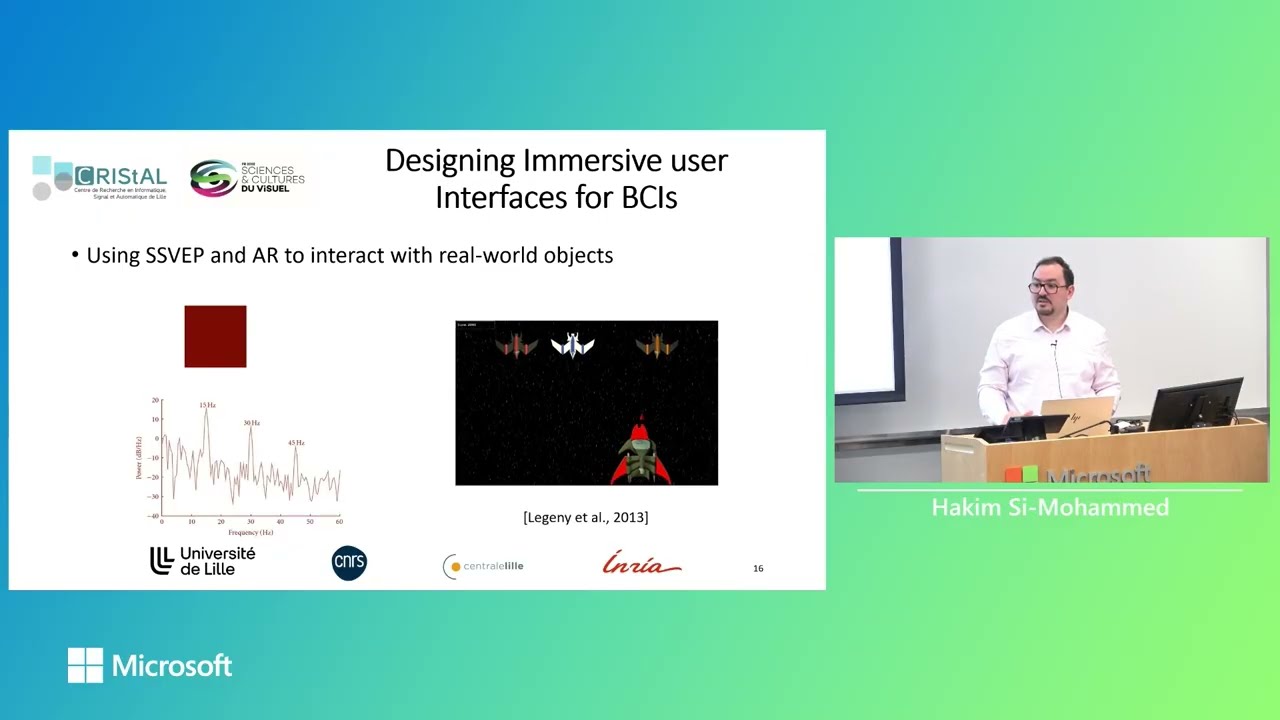
Bridging Neurotechnology with Immersive Systems: Getting BCIs outside of the lab?

Bridging Neurotechnology with Immersive Systems: Getting BCIs outside of the lab?

This talk by Hakim Si-Mohammed explores the evolution of Brain-Computer Interfaces (BCIs) from clinical rehabilitation tools to integral components of immersive systems. It details research on integrating BCIs with Virtual and Augmented Reality (VR/AR), focusing on SSVEP-based interaction, user experience enhancements, and the development of passive, neuro-adaptive systems that respond to user mental states to mitigate issues like cybersickness.

"Vibe Coding is a Slot Machine" - Jeremy Howard

"Vibe Coding is a Slot Machine" - Jeremy Howard

fast.ai founder Jeremy Howard critiques the 'vibe coding' illusion, arguing that AI-assisted tools create a slot machine-like experience that erodes true software engineering skills. He revisits the origins of ULMFiT, champions interactive programming for building intuition, and reframes AI risk from existential threats to the dangers of power centralization and human enfeeblement.

Beyond Swahili: Designing Inclusive AI for Bantu Languages

Beyond Swahili: Designing Inclusive AI for Bantu Languages

Alfred Malingo discusses the unique position of Swahili in AI, arguing that its structural similarities to other Bantu languages make it a far more effective pivot language than English for developing inclusive and accurate models. He deconstructs the failures of typologically mismatched transfer from Indo-European languages and presents a case study, AfriMT-a, to demonstrate how Swahili can serve as a technical bridge for machine translation and representation learning across the Bantu language family.

Technology

View All
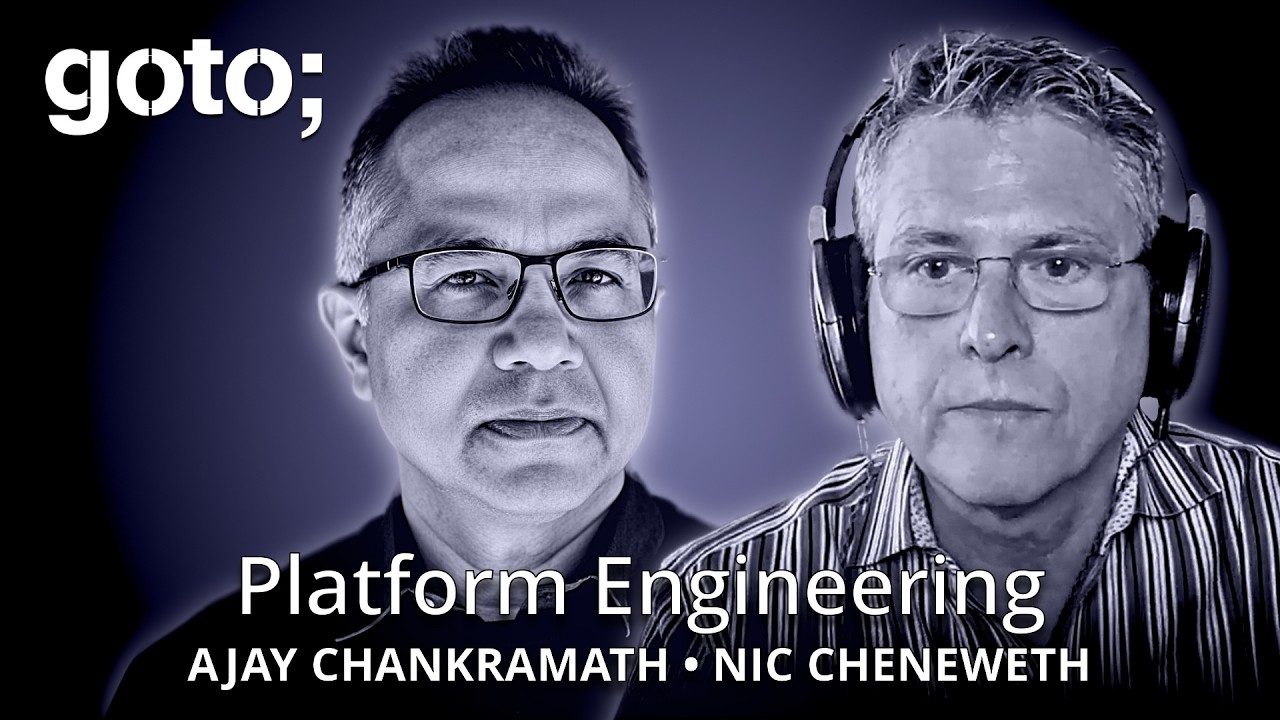
Platform Engineering • Ajay Chankramath & Nic Cheneweth • GOTO 2026

Platform Engineering • Ajay Chankramath & Nic Cheneweth • GOTO 2026

Ajay Chankramath and Nic Cheneweth discuss the critical elements of effective platform engineering, emphasizing a product mindset, the foundational role of control planes and API-first design, the common pitfalls of implementing Backstage, and the emerging impact of AI and agents on the platform landscape.

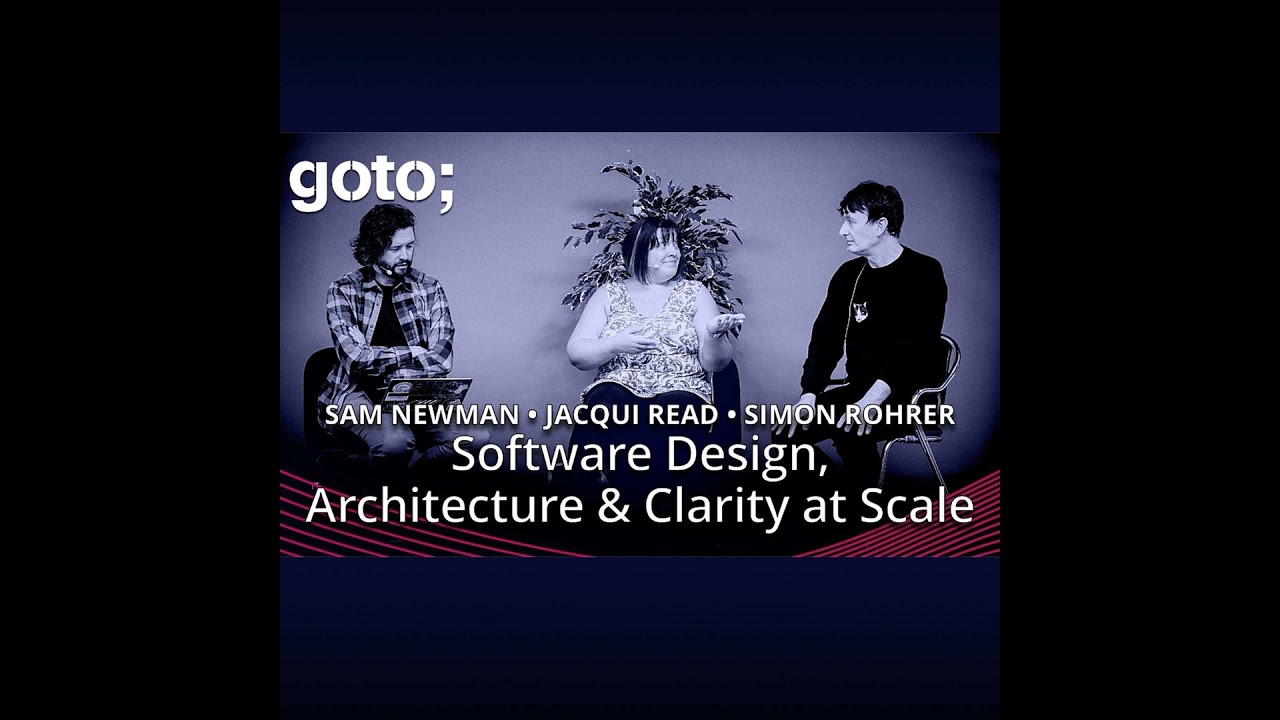
SW Design, Architecture & Clarity at Scale • Sam Newman, Jacqui Read & Simon Rohrer

SW Design, Architecture & Clarity at Scale • Sam Newman, Jacqui Read & Simon Rohrer

Experts Sam Newman, Jacqui Read, and Simon Rohrer explore the nuances of software design, its intersection with architecture, and the critical role of communication in scaling technical clarity. The discussion covers practical advice on implementing Architectural Decision Records (ADRs), the evolving role of the architect as a facilitator, and strategies for creating agile enterprise architectures.

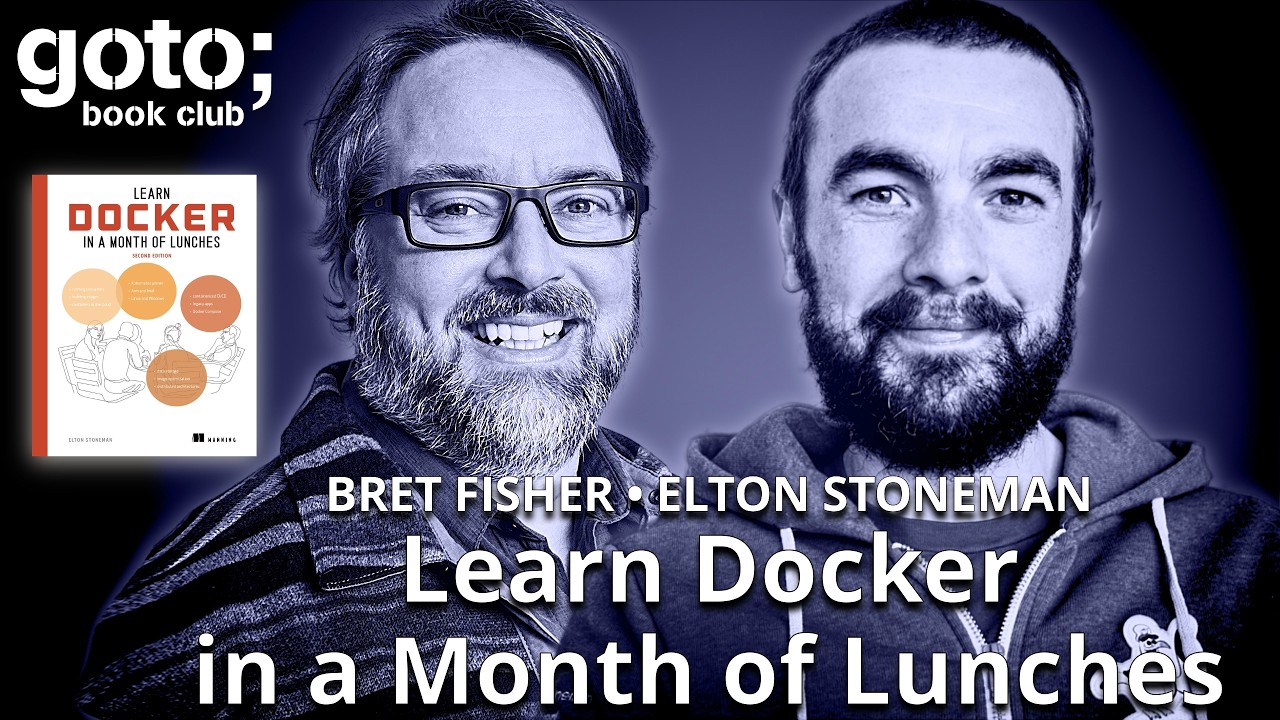
Learn Docker in a Month of Lunches • Elton Stoneman & Bret Fisher • GOTO 2026

Learn Docker in a Month of Lunches • Elton Stoneman & Bret Fisher • GOTO 2026

Docker educators Bret Fisher and Elton Stoneman discuss the second edition of Stoneman's book, "Learn Docker in a Month of Lunches". They explore why Docker fundamentals remain crucial in a Kubernetes-dominated world, the evolution of the container ecosystem over the past five years, and the key skills that differentiate a Docker expert from a beginner, such as multi-platform builds, security, and configuration management.


Recent Post

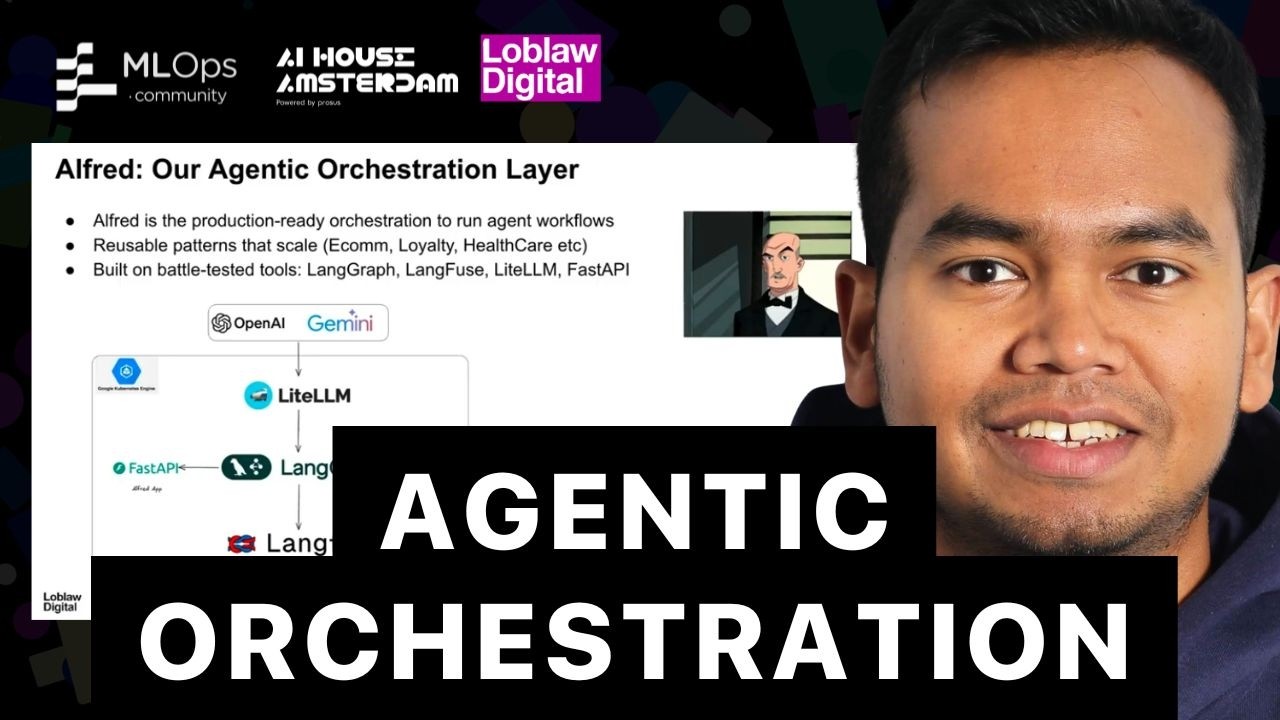
Building an Orchestration Layer for Agentic Commerce at Loblaws

Building an Orchestration Layer for Agentic Commerce at Loblaws

Mefta Sadat from Loblaw Digital discusses Alfred, an agentic orchestration layer designed to run AI shopping agents reliably in production. He covers the architecture built with LangGraph and GCP, the role of the Model Context Protocol (MCP) in simplifying API interaction, and practical MLOps strategies for observability, cost management, and ensuring reliability.

Time to become a hacker // Matt Sharp

Time to become a hacker // Matt Sharp

In this talk, Matt Sharp explains that while 2025 is the year of AI agents, it's also the year of cybercrime. The rush to create frictionless, user-friendly agents has led to a neglect of fundamental security principles, creating a perfect environment for hackers who are now using these same powerful AI tools to innovate and scale their attacks.

The Rush to Adopt AI: How to Get it Right & Business Risks • Nick Selby & Sarah Wells • GOTO 2026

The Rush to Adopt AI: How to Get it Right & Business Risks • Nick Selby & Sarah Wells • GOTO 2026

In this interview, Sarah Wells and Nick Selby discuss the significant business risks introduced by the current rush to adopt AI. They cover how AI vendors blur security terminology, how the insatiable need for data creates an enormous blast radius for breaches, and provide a framework for responsible AI adoption through threat modeling, cross-disciplinary governance, and a return to IT fundamentals.

How AI covered a human’s paternity leave // Quinten Rosseel

How AI covered a human’s paternity leave // Quinten Rosseel

A practitioner's guide to deploying a text-to-SQL agent in a real-world business environment. The talk covers the critical lessons learned in moving from concept to production, focusing on the importance of the communication channel (Slack), the necessity of a semantic layer over benchmark scores, and a pragmatic approach to system architecture, testing, and evaluation.

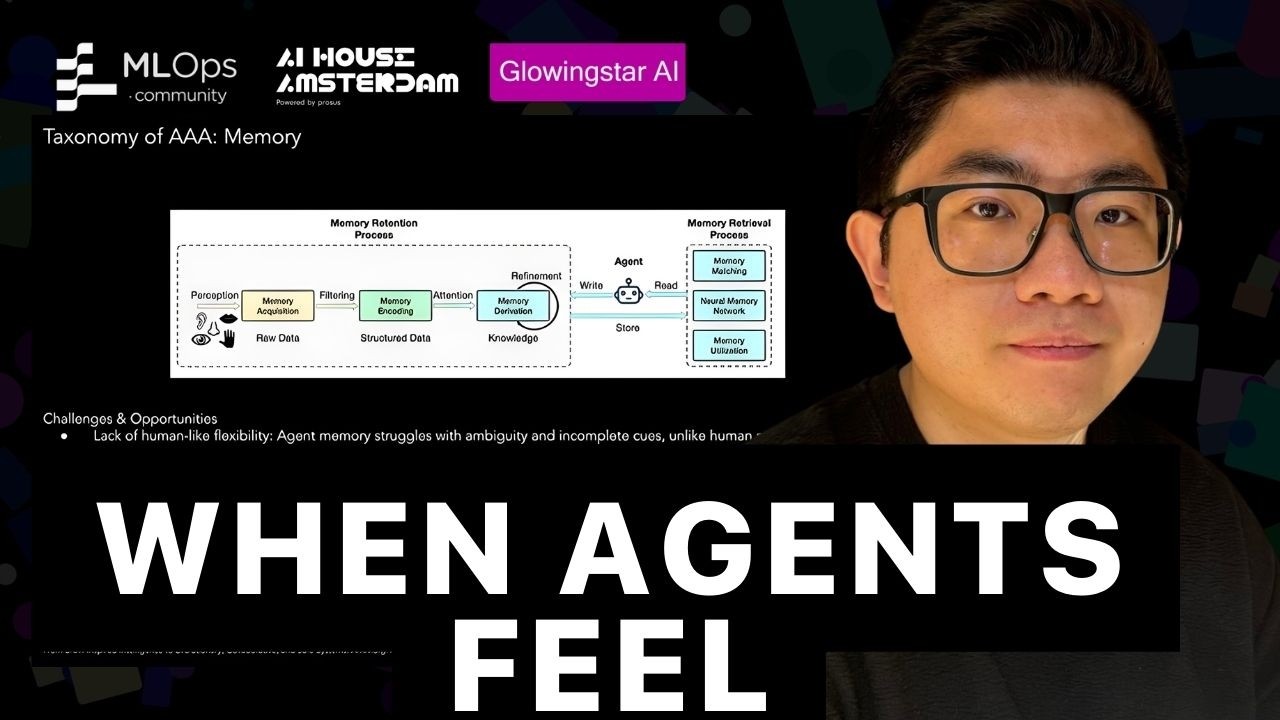
When Agents Learn to Feel: Multi-Modal Affective Computing in Production // Chenyu Zhang

When Agents Learn to Feel: Multi-Modal Affective Computing in Production // Chenyu Zhang

This talk explores the frontier of affective computing in AI agents, proposing a new architecture where emotion is a first-class component. It covers the technical challenges of deploying multi-modal, emotion-aware systems in production—from memory and learning to multi-agent orchestration—and delves into the critical ethical considerations of privacy, manipulation, and scientific validity.

Make Something Agents Want

Make Something Agents Want

The hosts explore the dawn of an agent-driven economy, spurred by tools like OpenClaw and social platforms like MoltBook. They discuss the critical shift for developers to build tools that AI agents, not just humans, will choose, focusing on the new go-to-market strategies, the rise of swarm intelligence, and the essential infrastructure required for this new paradigm.

Stay In The Loop! Subscribe to Our Newsletter.

Get updates straight to your inbox. No spam, just useful content.