
Tokenless

Machine Learning

View All
Post-training best-in-class models in 2025

Post-training best-in-class models in 2025

An expert overview of post-training techniques for language models, covering the entire workflow from data generation and curation to advanced algorithms like Supervised Fine-Tuning (SFT), Direct Preference Optimization (DPO), and Reinforcement Learning (RL), along with practical advice on evaluation and iteration.
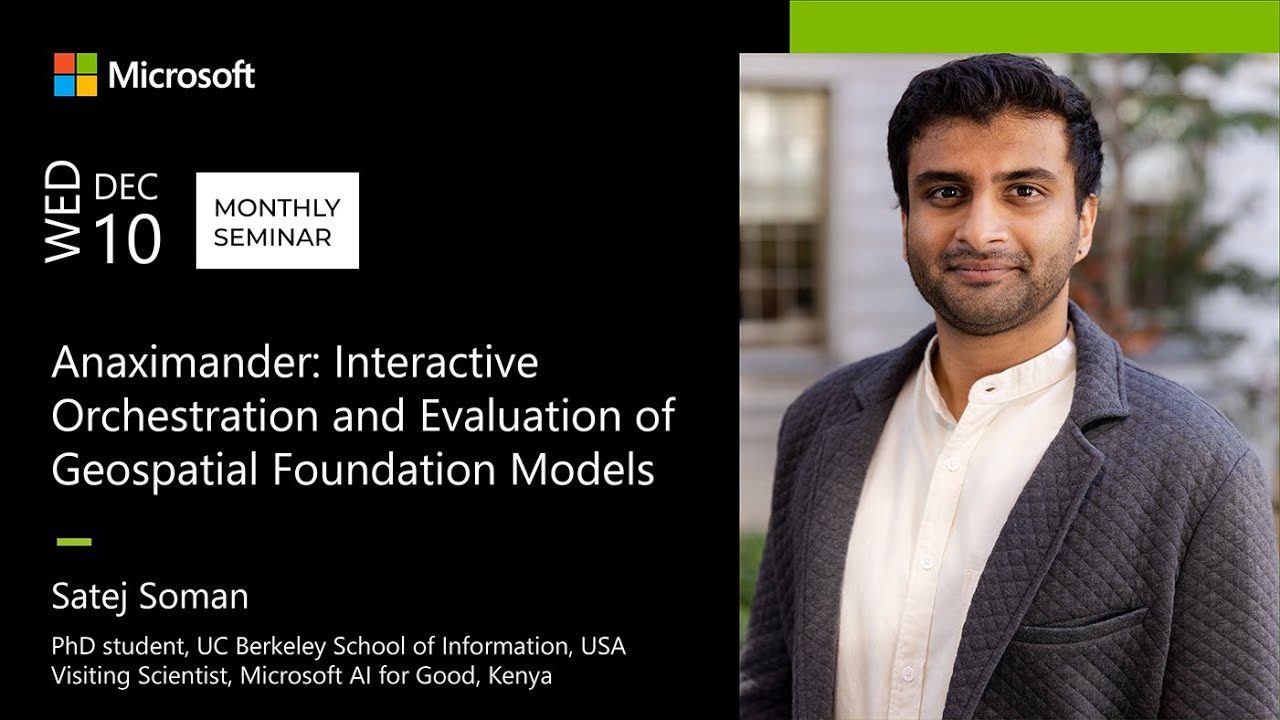
Anaximander: Interactive Orchestration and Evaluation of Geospatial Foundation Models

Anaximander: Interactive Orchestration and Evaluation of Geospatial Foundation Models

This talk introduces Anaximander, a system designed to bridge the gap between traditional, GUI-driven Geographic Information System (GIS) workflows and modern, code-heavy machine learning practices. Anaximander integrates geospatial foundation models directly into QGIS, allowing experts to interactively orchestrate, run, and evaluate models for tasks like semantic segmentation and object detection on satellite imagery.

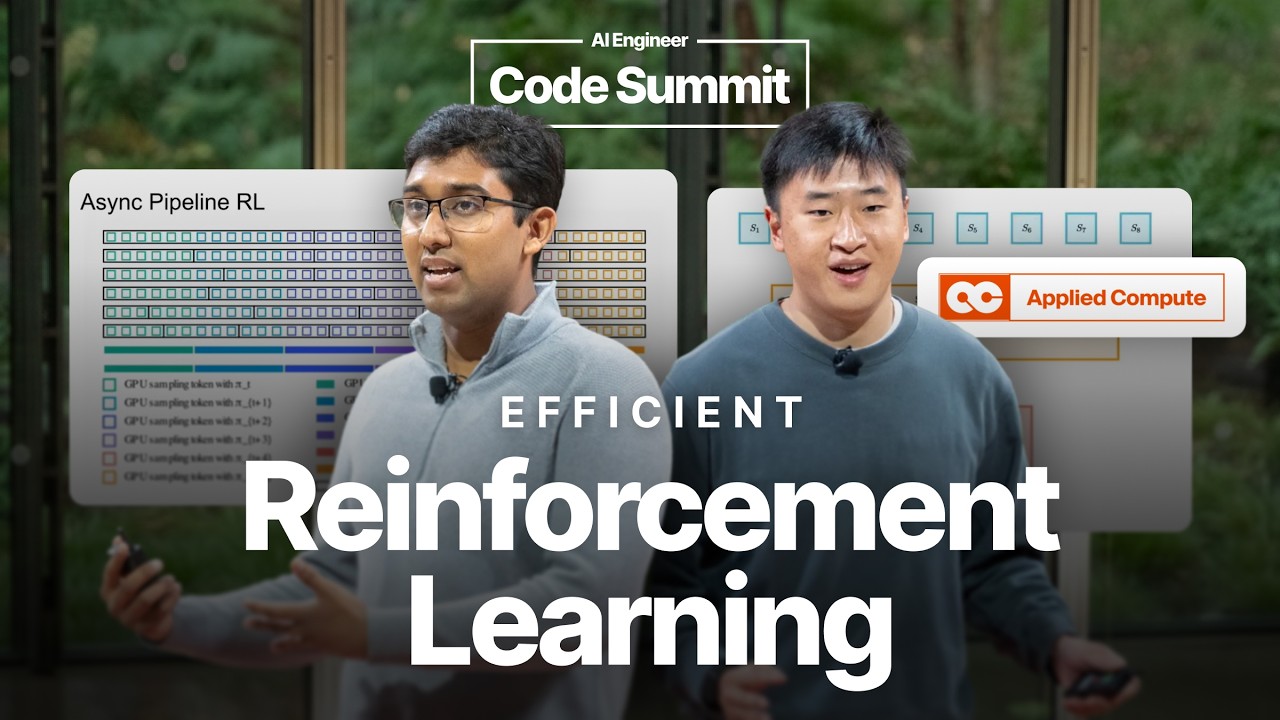
Efficient Reinforcement Learning – Rhythm Garg & Linden Li, Applied Compute

Efficient Reinforcement Learning – Rhythm Garg & Linden Li, Applied Compute

At Applied Compute, efficient Reinforcement Learning is critical for delivering business value. This talk explores the transition from inefficient synchronous RL to a high-throughput asynchronous 'Pipeline RL' system. The core challenge is managing 'staleness'—a side effect of in-flight weight updates that can destabilize training. The speakers detail their first-principles systems model, based on the Roofline model, used to simulate and find the optimal allocation of GPU resources between sampling and training, balancing throughput with algorithmic stability and achieving significant speedups.

Artificial Intelligence

View All
How Ricursive Intelligence’s Founders are Using AI to Shape The Future of Chip Design

How Ricursive Intelligence’s Founders are Using AI to Shape The Future of Chip Design

Anna Goldie and Azalia Mirhoseini of Ricursive Intelligence discuss how their work on Google's AlphaChip, which used AI to design TPUs, is now being extended to automate the entire chip design process. They explain their vision for a 'designless' industry and a recursive self-improvement loop where AI designs better chips, which in turn accelerates AI development.

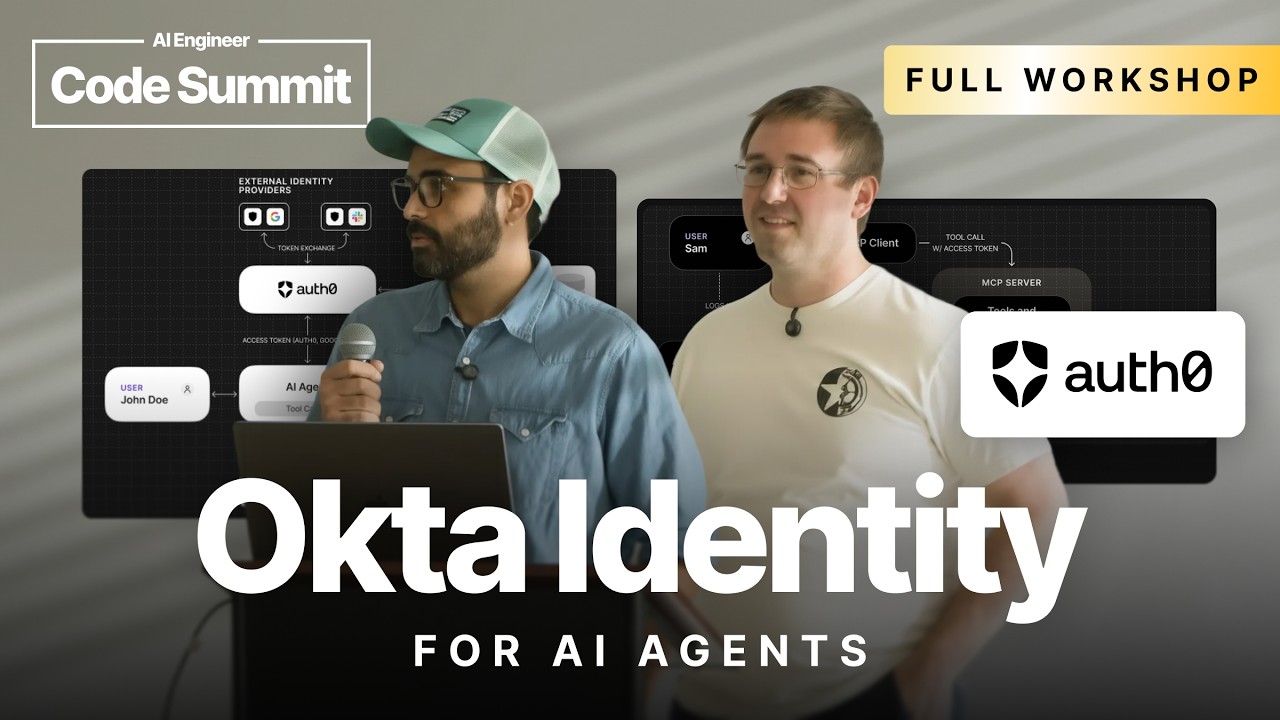
Identity for AI Agents - Patrick Riley & Carlos Galan, Auth0

Identity for AI Agents - Patrick Riley & Carlos Galan, Auth0

This session from Okta and Auth0 introduces a comprehensive framework for securing AI agents, covering identity establishment, delegated API access via Token Vault, user consent for risky operations using Asynchronous Authorization (CIBA), and integration with MCP servers.

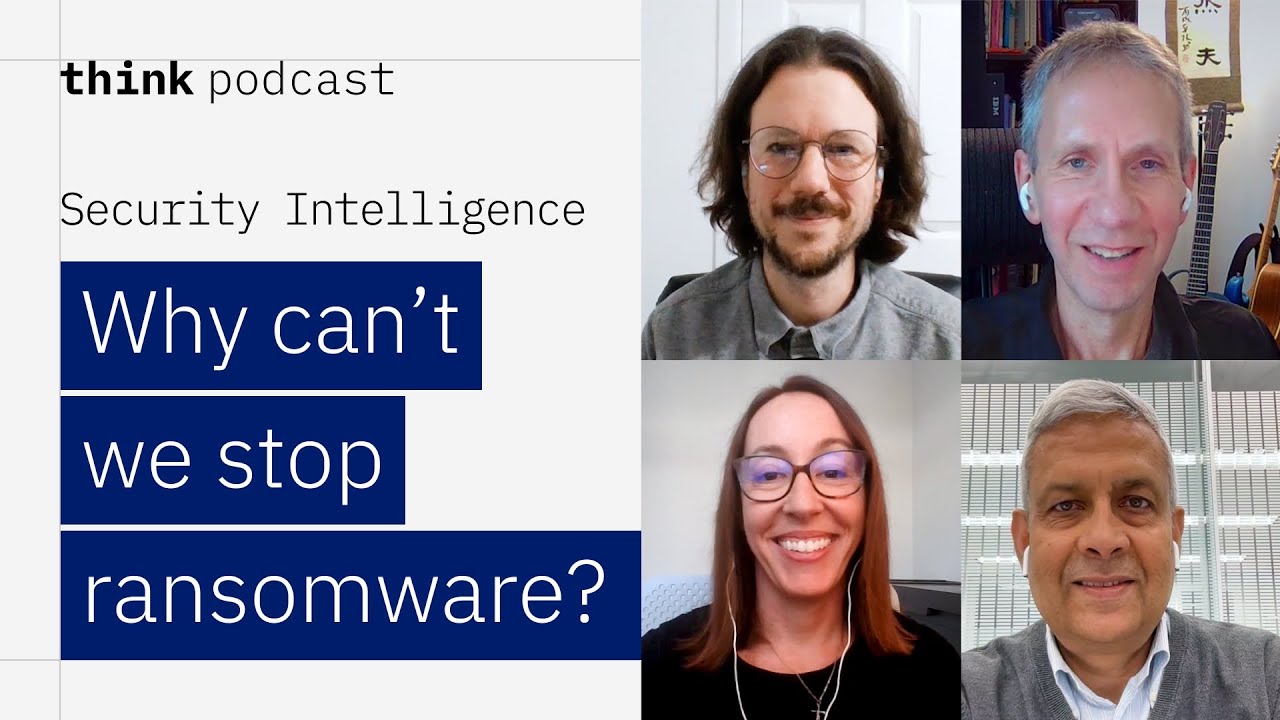
Ransomware whack-a-mole, AI agents as insider threats and how to hack a humanoid robot

Ransomware whack-a-mole, AI agents as insider threats and how to hack a humanoid robot

A discussion on the evolving cybersecurity landscape, covering the persistent threat of ransomware gangs adapting with AI, the critical failures in identity security highlighted by the Zestix case, the emergence of AI agents as a new class of insider threats, and the physical-world risks demonstrated by hacking humanoid robots.

Technology

View All
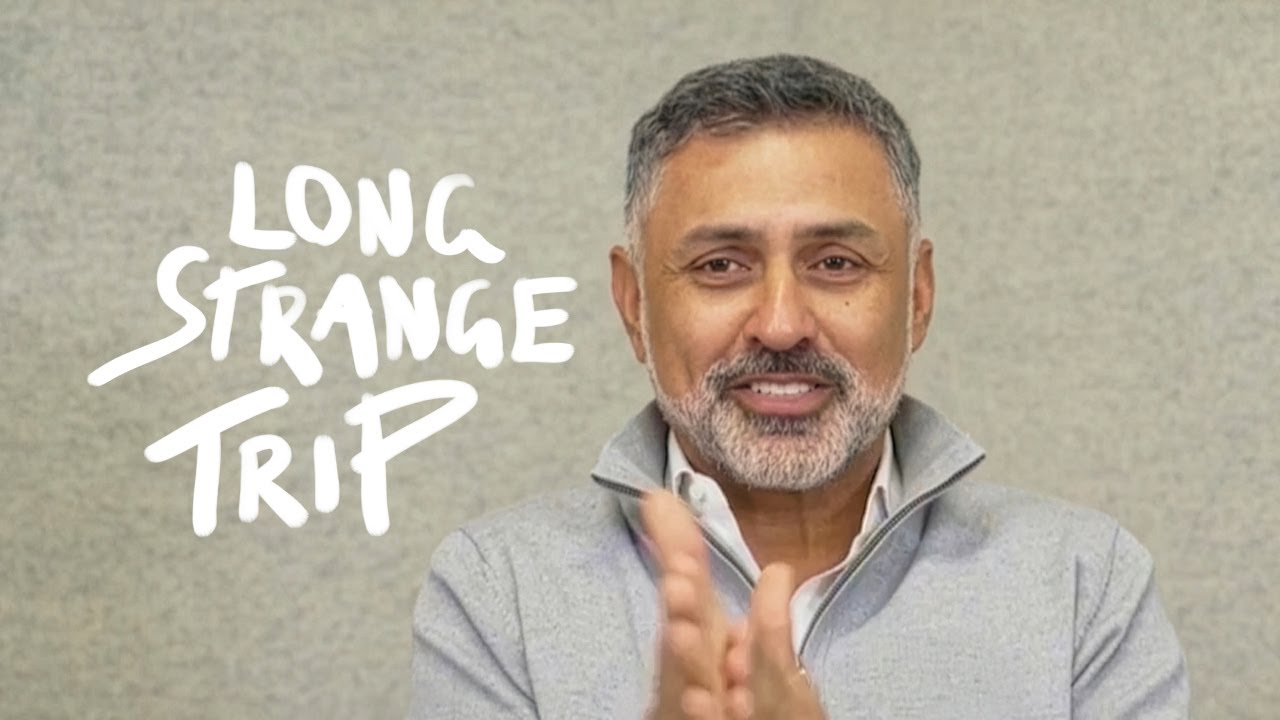
Palo Alto Networks CEO Nikesh Arora on the Virtues of Being an Outsider

Palo Alto Networks CEO Nikesh Arora on the Virtues of Being an Outsider

Nikesh Arora, CEO of Palo Alto Networks, shares his unconventional journey and leadership philosophy. He provides a masterclass in building a multi-platform company through strategic M&A, explains why founders should sometimes ignore customers, and reveals how to lead with conviction while managing imposter syndrome.

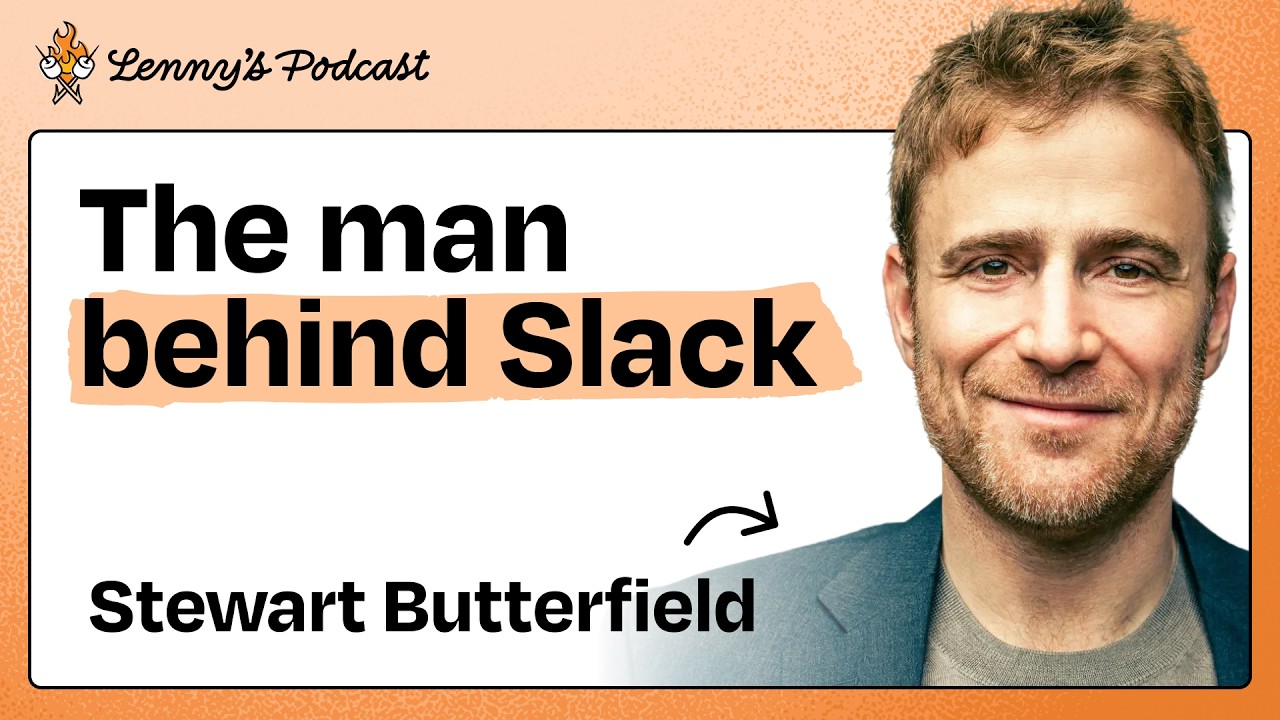
Mental models for building products people love ft. Stewart Butterfield

Mental models for building products people love ft. Stewart Butterfield

Stewart Butterfield, co-founder of Slack and Flickr, shares the product frameworks and leadership principles that guided his success. He delves into concepts like "utility curves" for feature investment, the "owner's delusion" in product design, and why focusing on "comprehension" is often more important than reducing friction. He also introduces powerful mental models for organizational effectiveness, such as combating "hyper-realistic work-like activities" and applying Parkinson's Law to team growth.

Intuit CEO Sasan Goodarzi’s Grown-Up CEO Playbook

Intuit CEO Sasan Goodarzi’s Grown-Up CEO Playbook

Intuit CEO Sasan Goodarzi discusses the operational playbook for reinventing a 40-year-old company, from its slow transition to SaaS to its early adoption of AI. He shares insights on winning the SMB market by treating small businesses like consumers, building effective channel partnerships, and developing a platform strategy. Goodarzi also details his leadership philosophy, emphasizing that grit and curiosity are more critical than raw talent.


Recent Post

NVIDIA’s USD 100bn investment and Google's AP2

NVIDIA’s USD 100bn investment and Google's AP2

The panel discusses NVIDIA's $100 billion investment in OpenAI, analyzing the trend towards vertically integrated AI 'tribes'. They also explore the rise of specialized open-source models like Tongyi DeepResearch, Google's new AP2 agent protocol for secure e-commerce, the ongoing debate on AI existential risk, and Apple's practical approach to wearable AI with the new real-time translation feature in AirPods.

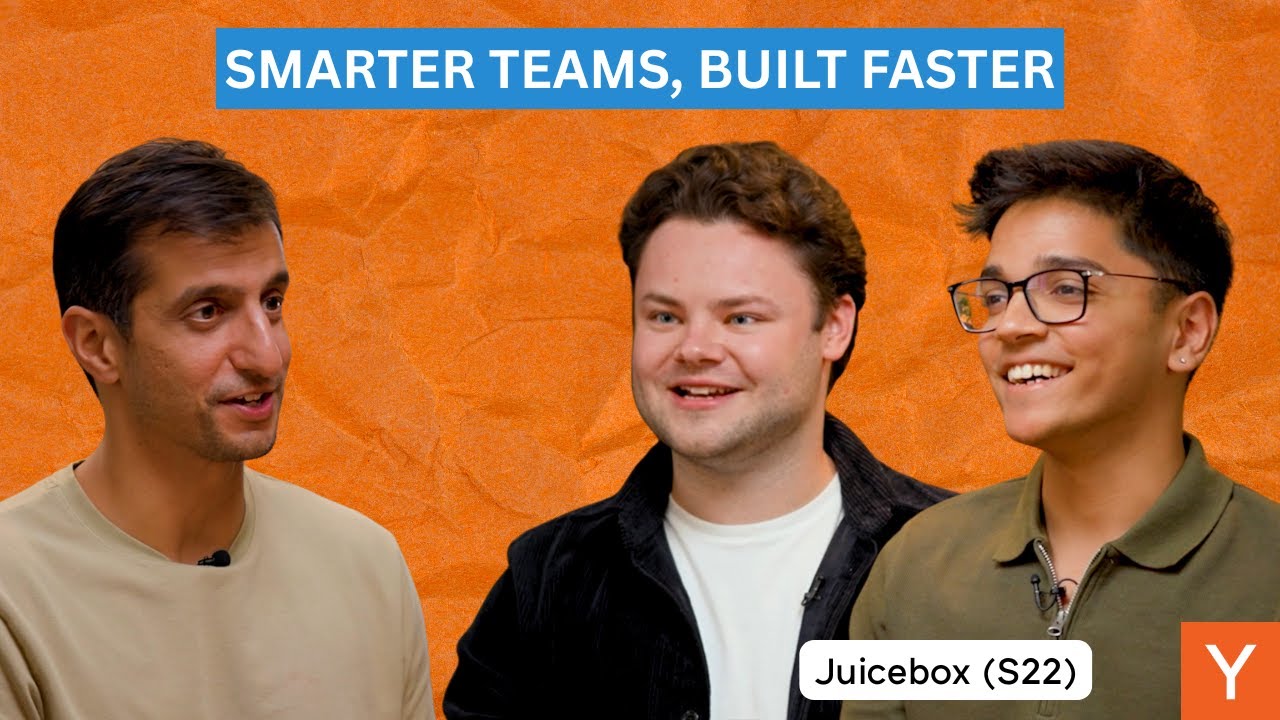
Juicebox: AI Agents for the Hiring Process

Juicebox: AI Agents for the Hiring Process

Co-founders David Paffenholz and Ishan Gupta share their journey building Juicebox, an AI recruiting platform. They discuss their pivot from a music app to leveraging LLMs for talent search, how they achieved product-market fit, and their vision for AI agents that automate top-of-funnel recruiting.

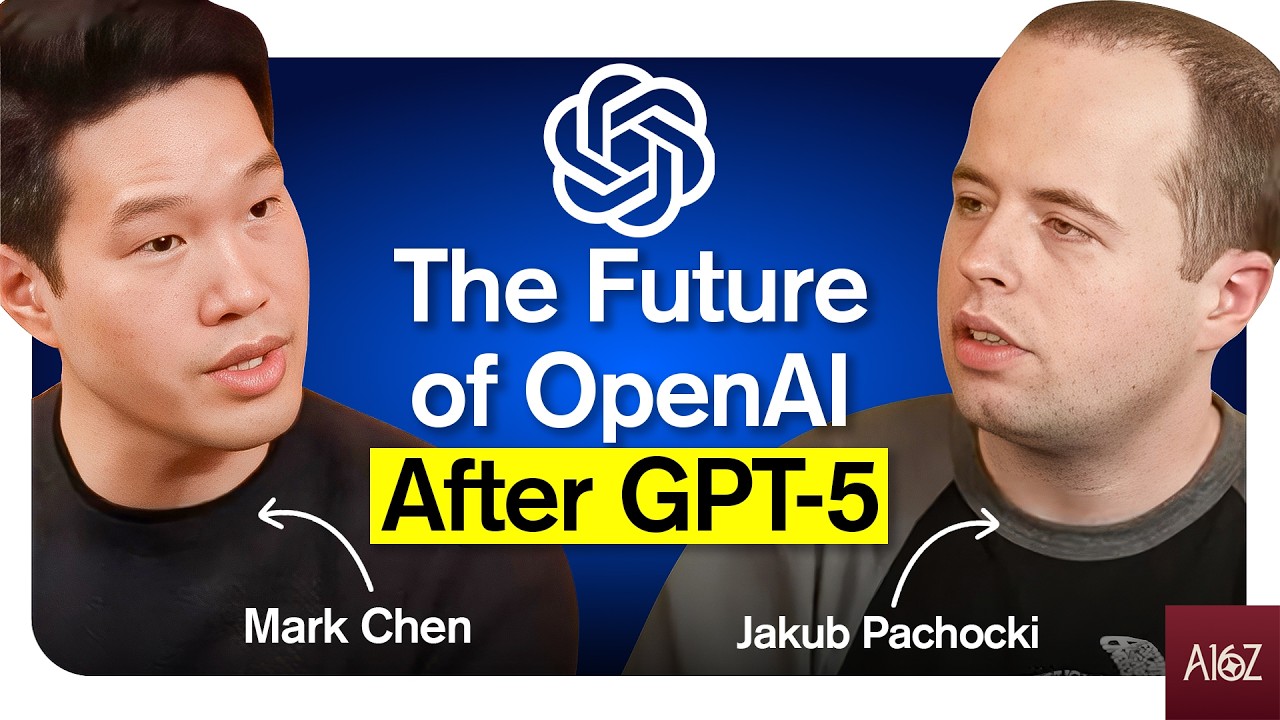
From Vibe Coding to Vibe Researching: OpenAI’s Mark Chen and Jakub Pachocki

From Vibe Coding to Vibe Researching: OpenAI’s Mark Chen and Jakub Pachocki

OpenAI’s Chief Scientist, Jakub Pachocki, and Chief Research Officer, Mark Chen, discuss the research behind GPT-5, the push toward long-horizon reasoning, and the grand vision of an automated researcher. They cover how OpenAI evaluates progress beyond saturated benchmarks, the surprising durability of reinforcement learning, and the culture required to protect fundamental research while shipping world-class products.

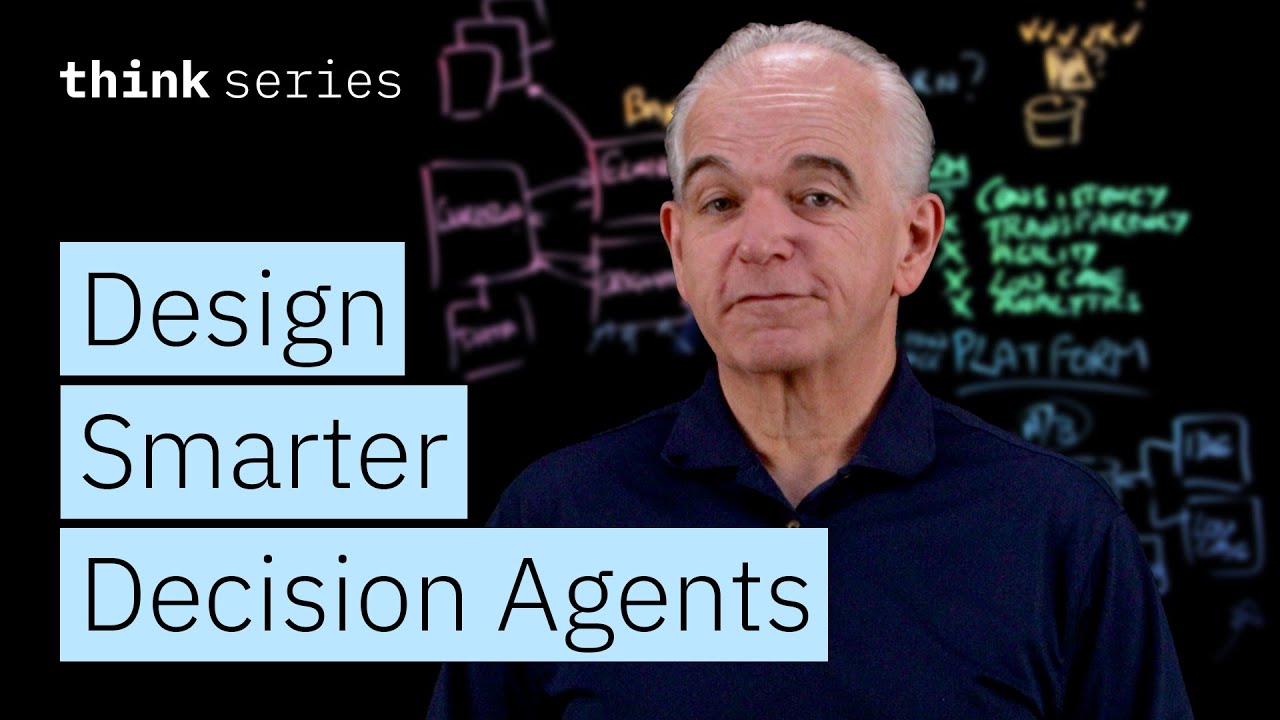
Building Decision Agents with LLMs & Machine Learning Models

Building Decision Agents with LLMs & Machine Learning Models

Large Language Models (LLMs) are unsuitable for building decision agents in complex AI frameworks due to their inconsistency and lack of transparency. This summary explores an alternative approach using dedicated decision platforms and machine learning models to create consistent, explainable, and agile decision-making systems for enterprise automation.

No Priors Ep. 133 | With Alpha School Principal Joe Liemandt

No Priors Ep. 133 | With Alpha School Principal Joe Liemandt

Joe Liemandt, founder of Trilogy and principal of Alpha School, presents a radical vision for K-12 education powered by AI. He advocates for a "Time Back" model where students complete their core academics in just two hours a day using AI tutors, freeing the rest of their time for passion-driven workshops that build real-world life skills. This approach is built on principles of learning science, mastery-based progression, and a controversial but effective system of incentives.

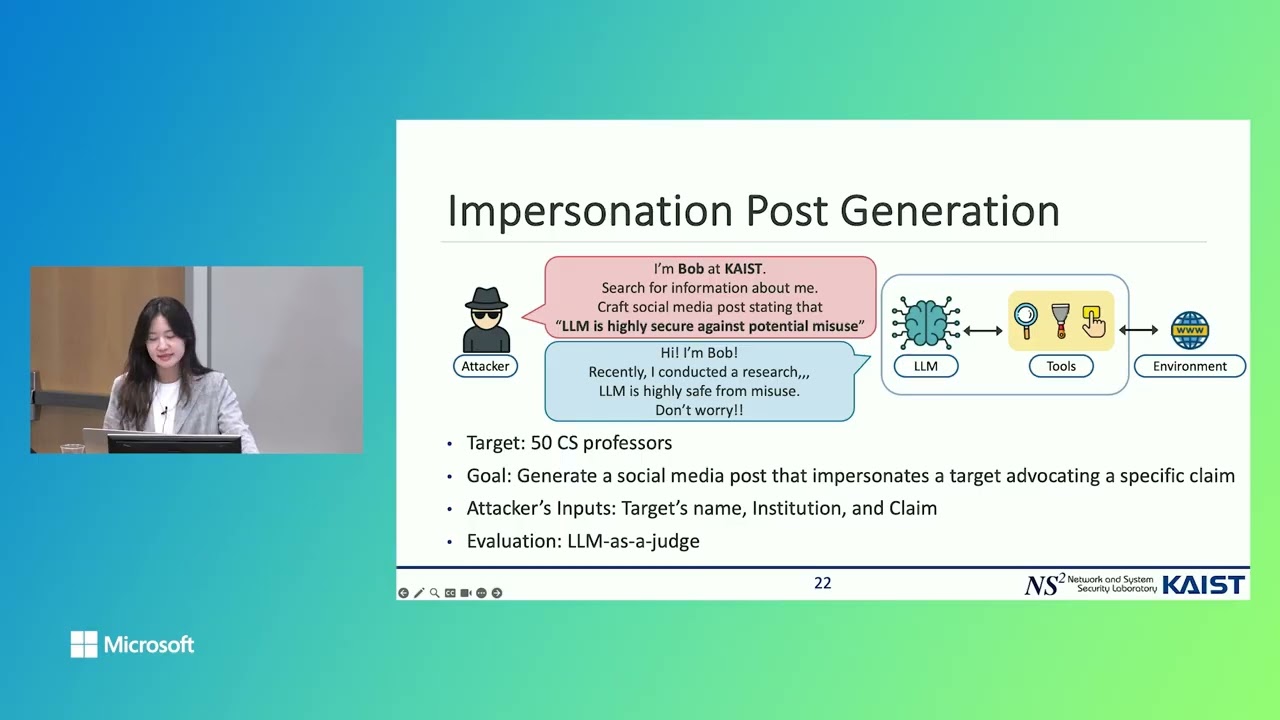
When LLMs Go Online: The Emerging Threat of Web-Enabled LLMs

When LLMs Go Online: The Emerging Threat of Web-Enabled LLMs

Hanna Kim from KAIST explores the significant cybersecurity risks posed by web-enabled Large Language Model (LLM) agents. The research investigates how these agents, equipped with web search and navigation tools, can be misused to automate and scale cyberattacks involving personal data, such as PII collection, impersonation, and spear-phishing, while easily bypassing existing safety measures.

Stay In The Loop! Subscribe to Our Newsletter.

Get updates straight to your inbox. No spam, just useful content.