Tokenless

Machine Learning

View All
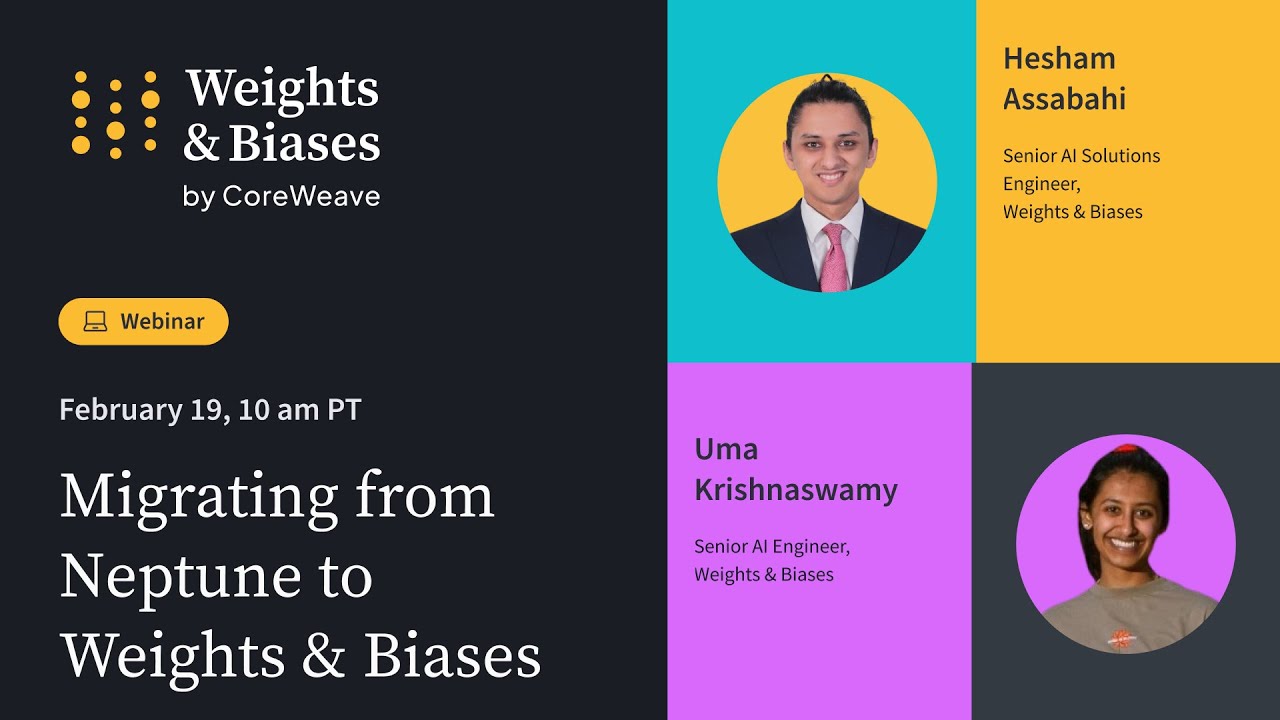
Migrating from Neptune to Weights & Biases

Migrating from Neptune to Weights & Biases

A technical guide on migrating ML experiments from Neptune to Weights & Biases, covering the migration script, API-level code changes, and best practices for organizing projects and analyzing results in the W&B platform before the Neptune sunset.
W&B Models end-to-end demo

W&B Models end-to-end demo

W&B Models is the system of record for the entire model development lifecycle. This guide explores how to monitor training, tune hyperparameters, track artifacts and lineage for reproducibility, and automate MLOps workflows like evaluation and deployment using a central platform.

Post-training best-in-class models in 2025

Post-training best-in-class models in 2025

An expert overview of post-training techniques for language models, covering the entire workflow from data generation and curation to advanced algorithms like Supervised Fine-Tuning (SFT), Direct Preference Optimization (DPO), and Reinforcement Learning (RL), along with practical advice on evaluation and iteration.

Artificial Intelligence

View All
Efficient Distributed Orthonormal Optimizers for Large-Scale Training

Efficient Distributed Orthonormal Optimizers for Large-Scale Training

Kwangjun Ahn from Microsoft Research provides a technical overview of orthonormal optimizers (like Muon and Dion2), a new class of algorithms for large-scale AI model training that are emerging as powerful successors to AdamW. The talk covers their theoretical foundations, empirical benefits, distributed implementation strategies, and practical guidelines for integration into modern training pipelines.

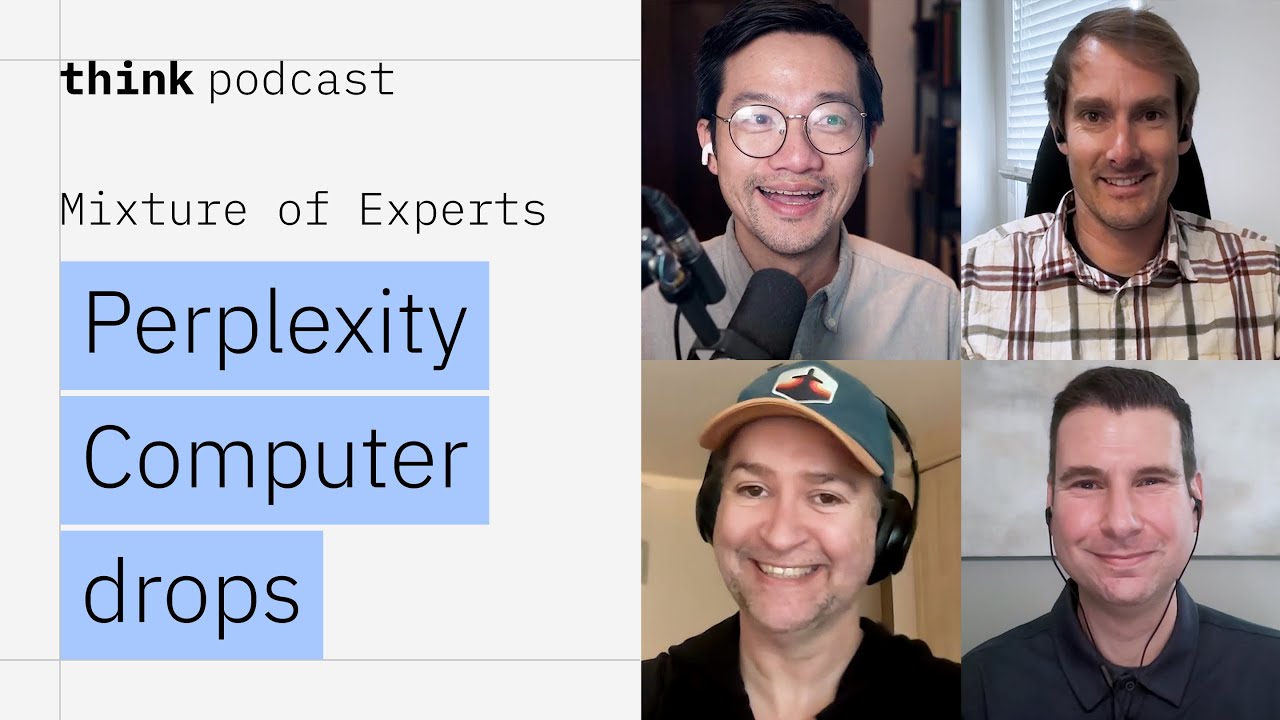
Inside Perplexity Computer’s agent platform

Inside Perplexity Computer’s agent platform

Experts on the Mixture of Experts podcast analyze Perplexity Computer's pivot to agent orchestration and debate its closed-system approach versus open alternatives like OpenClaw. They also discuss Anthropic's new memory import feature for Claude, questioning if memory is still a competitive moat, and explore NullClaw, a minimalist agent framework that sparks a conversation about the future of edge-based agent swarms. Finally, they tackle the controversial debut of Tilly Norwood, the world's first AI actor, and debate the implications for the entertainment industry and the personification of AI.

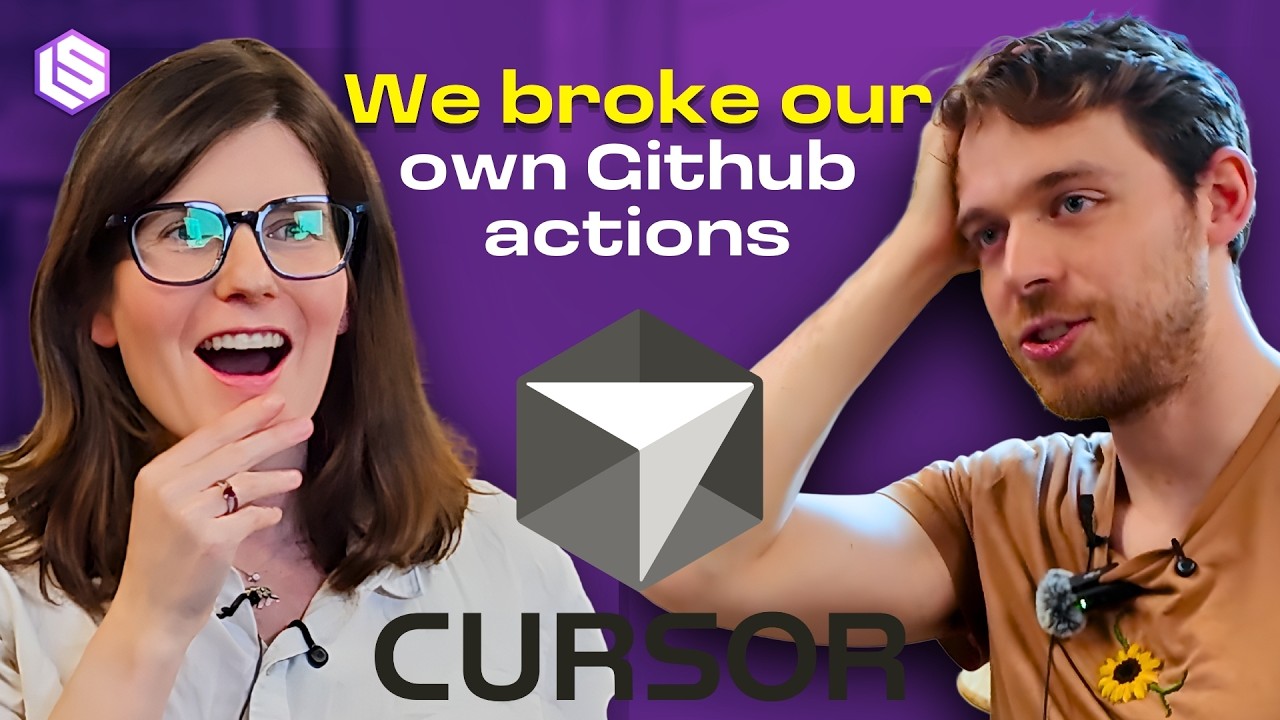
Cursor's Third Era: Cloud Agents — ft. Sam Whitmore, Jonas Nelle, Cursor

Cursor's Third Era: Cloud Agents — ft. Sam Whitmore, Jonas Nelle, Cursor

Cursor's team discusses their latest Cloud Agents launch, which gives agents full cloud VMs to test changes, record demo videos, and provide remote access. We explore parallel model swarms, bug reproduction workflows, and the future of agentic coding where throughput and new bottlenecks in review and CI/CD take center stage.

Technology

View All
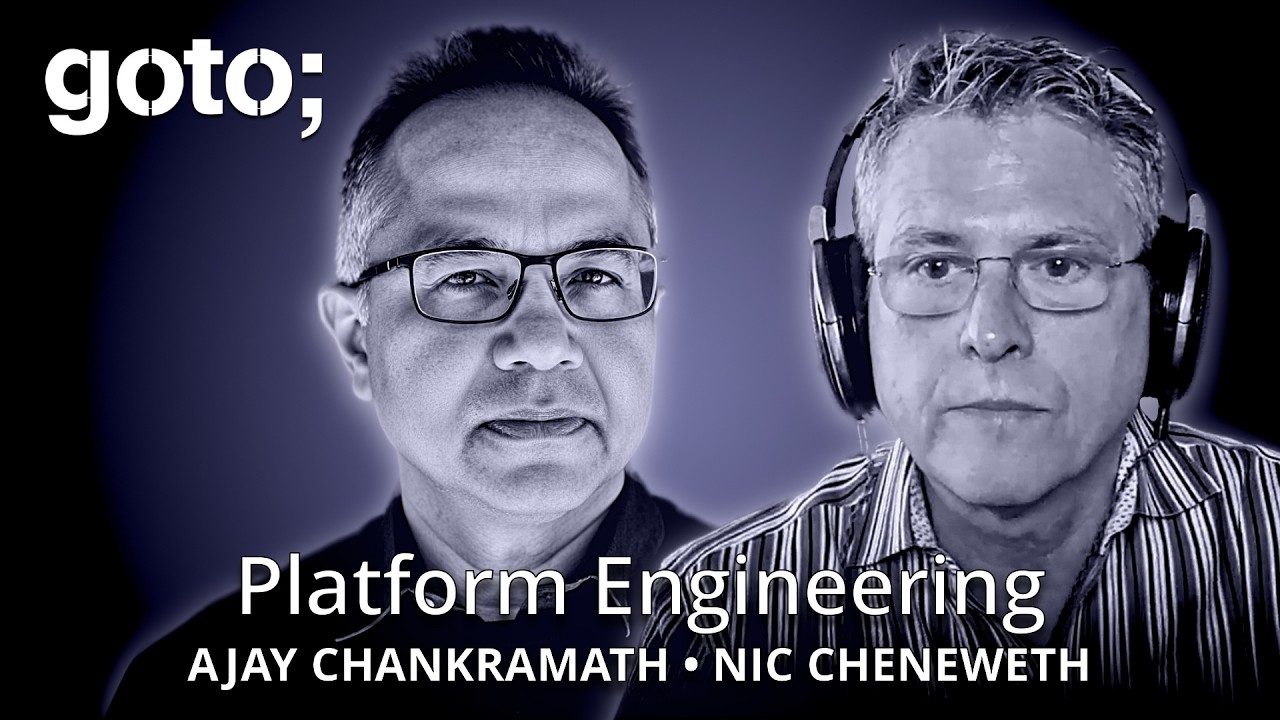
Platform Engineering • Ajay Chankramath & Nic Cheneweth • GOTO 2026

Platform Engineering • Ajay Chankramath & Nic Cheneweth • GOTO 2026

Ajay Chankramath and Nic Cheneweth discuss the critical elements of effective platform engineering, emphasizing a product mindset, the foundational role of control planes and API-first design, the common pitfalls of implementing Backstage, and the emerging impact of AI and agents on the platform landscape.

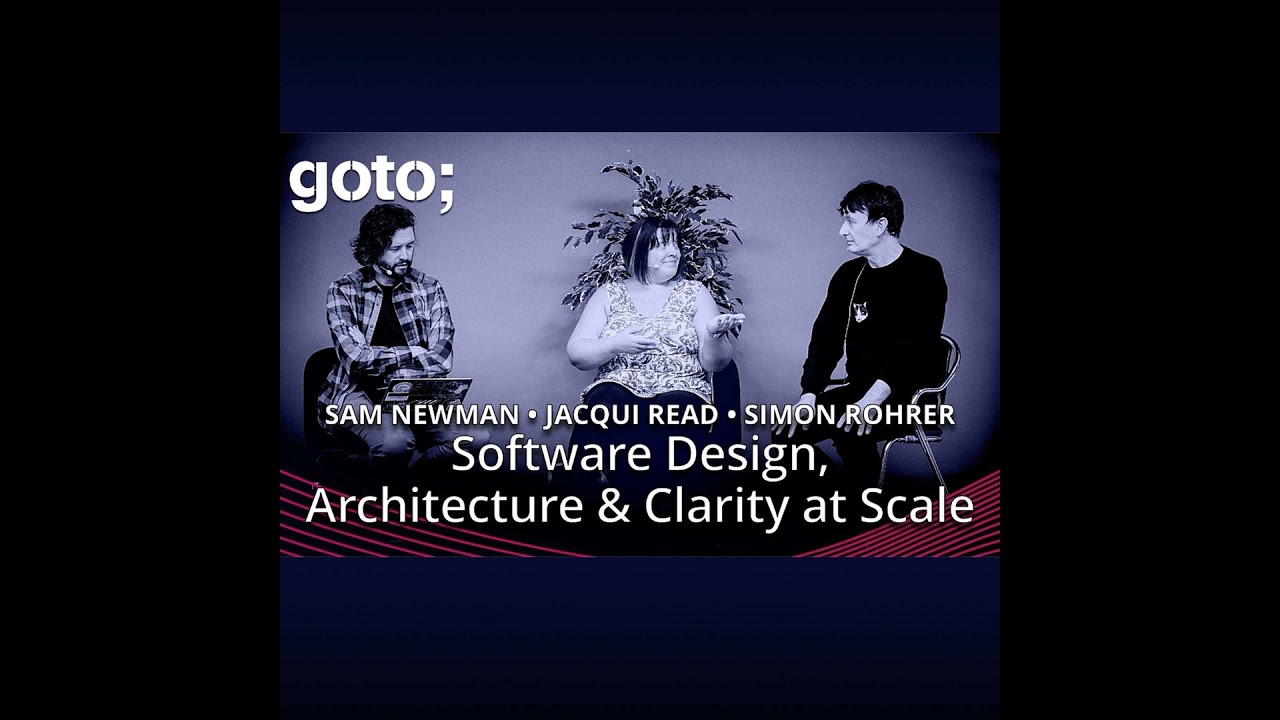
SW Design, Architecture & Clarity at Scale • Sam Newman, Jacqui Read & Simon Rohrer

SW Design, Architecture & Clarity at Scale • Sam Newman, Jacqui Read & Simon Rohrer

Experts Sam Newman, Jacqui Read, and Simon Rohrer explore the nuances of software design, its intersection with architecture, and the critical role of communication in scaling technical clarity. The discussion covers practical advice on implementing Architectural Decision Records (ADRs), the evolving role of the architect as a facilitator, and strategies for creating agile enterprise architectures.

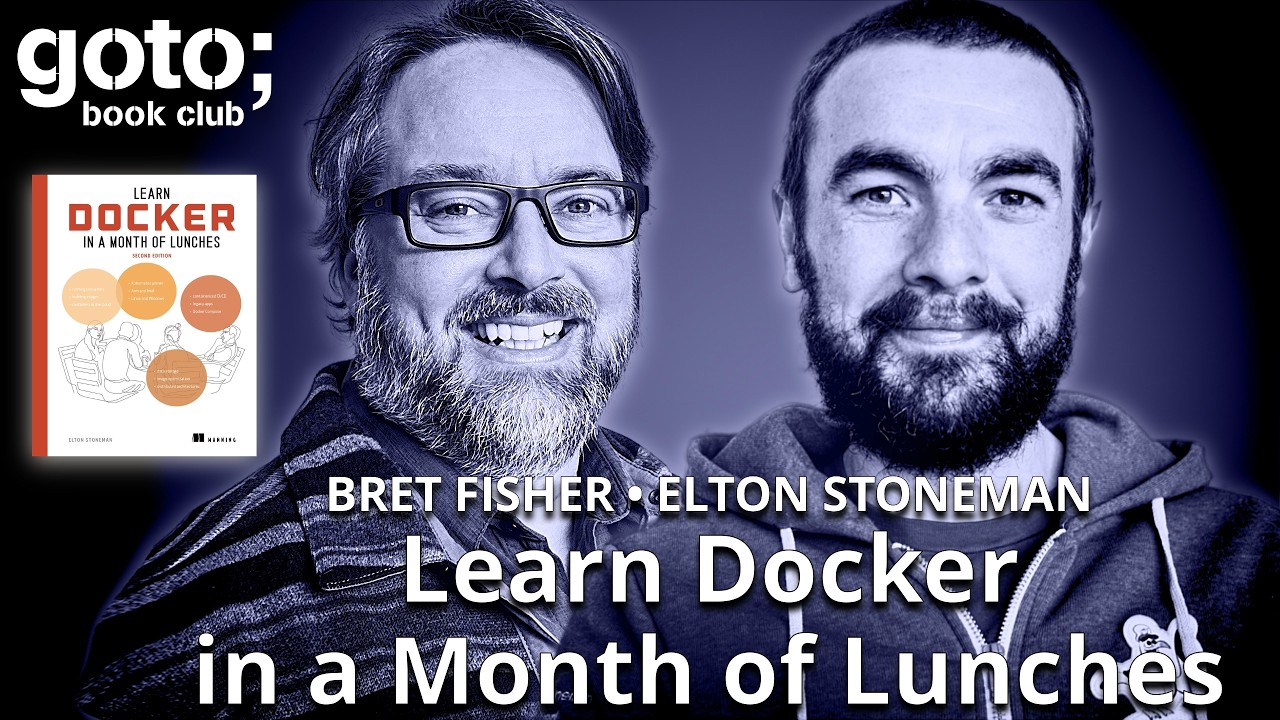
Learn Docker in a Month of Lunches • Elton Stoneman & Bret Fisher • GOTO 2026

Learn Docker in a Month of Lunches • Elton Stoneman & Bret Fisher • GOTO 2026

Docker educators Bret Fisher and Elton Stoneman discuss the second edition of Stoneman's book, "Learn Docker in a Month of Lunches". They explore why Docker fundamentals remain crucial in a Kubernetes-dominated world, the evolution of the container ecosystem over the past five years, and the key skills that differentiate a Docker expert from a beginner, such as multi-platform builds, security, and configuration management.


Recent Post

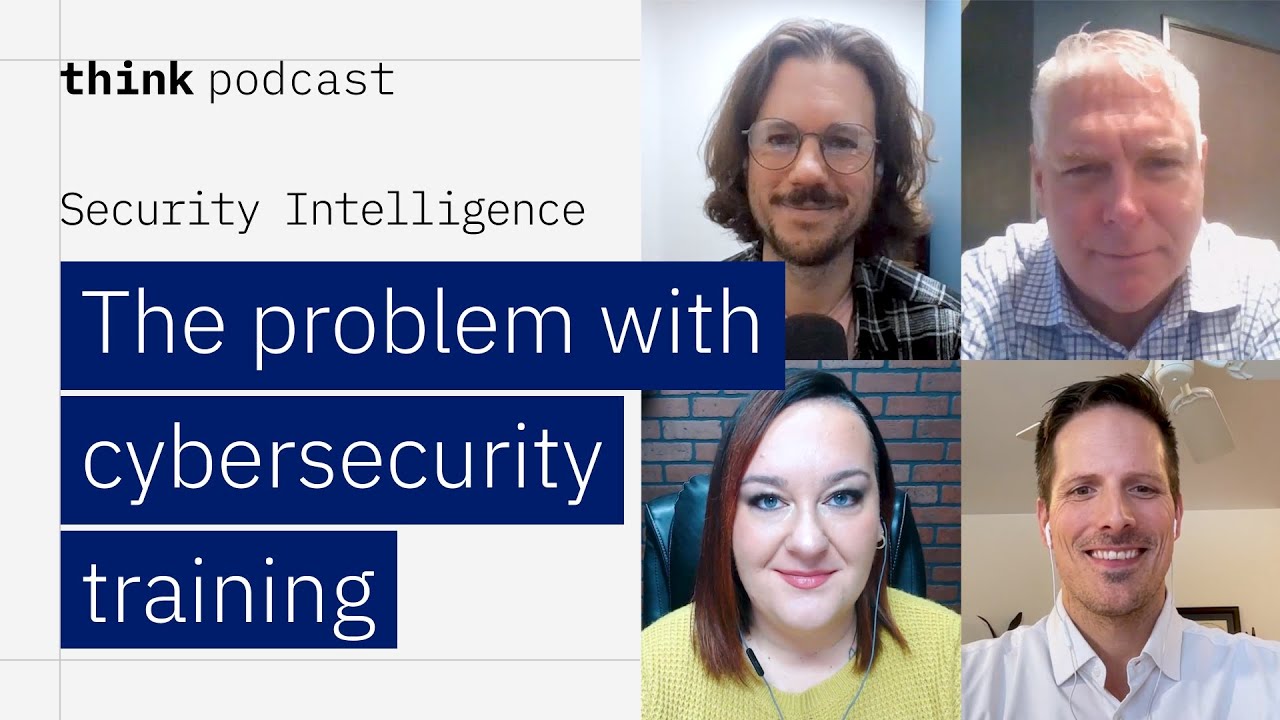
Most cybersecurity training doesn’t work. Can we change that?

Most cybersecurity training doesn’t work. Can we change that?

In an era where AI accelerates the speed, scale, and polish of cyberattacks like phishing and deepfakes, the human element remains the most critical variable. This discussion explores why traditional 'checkbox' training fails and how immersive, stress-inducing simulations like the cyber range are essential for building the muscle memory, confidence, and decision-making skills needed for effective incident response.

"We Made a Dream Machine That Runs on Your Gaming PC"

"We Made a Dream Machine That Runs on Your Gaming PC"

Shahbuland Matiana and Andrew Lapp from Overworld Labs introduce Waypoint 1, a 2 billion-parameter open-source world simulation model designed to run on consumer hardware at 60 FPS. They discuss its novel architecture, which combines a causal language model with an image diffusion model to denoise frames in real-time based on user prompts and controller inputs, emphasizing low-latency interaction and the importance of local execution for user privacy.

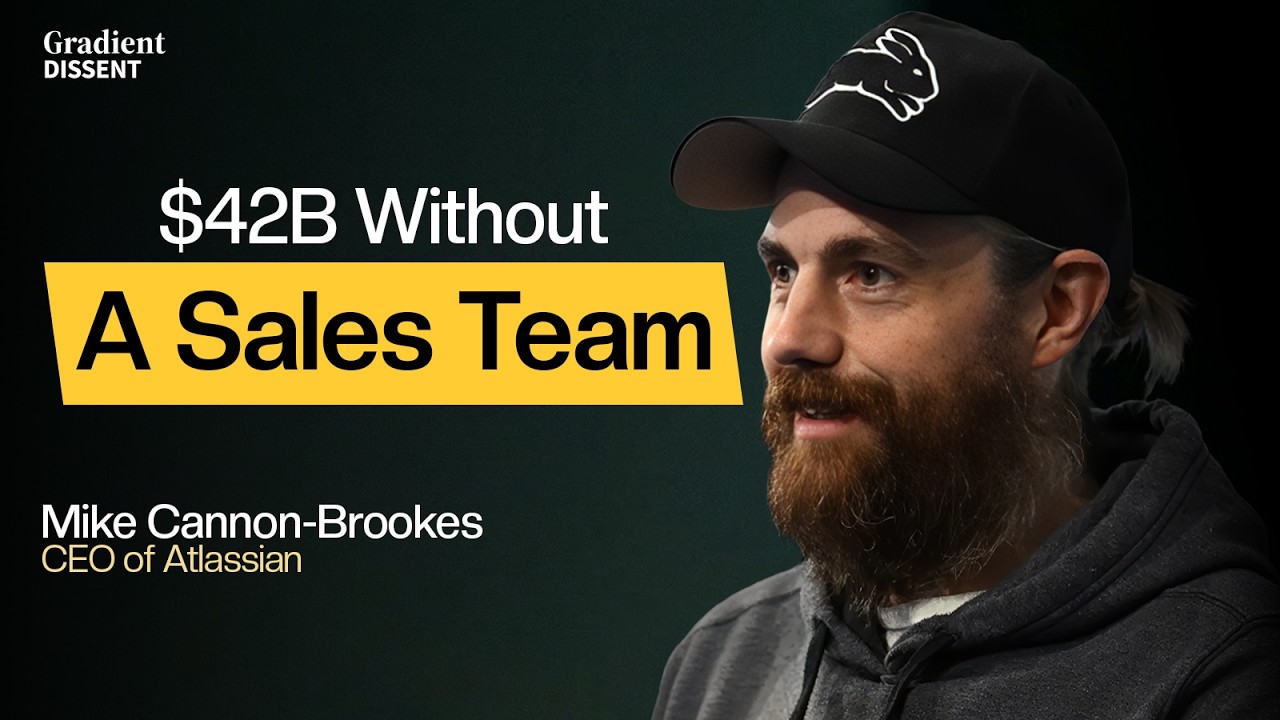
What a $42B Software Co. Really Spends on AI Tools | Mike Cannon-Brookes

What a $42B Software Co. Really Spends on AI Tools | Mike Cannon-Brookes

Atlassian Co-Founder & CEO Mike Cannon-Brookes shares insights from a massive internal study of over 10,000 engineers using AI coding tools. He discusses the true measures of developer productivity, the future of developer roles, and why human-AI collaboration, powered by organizational context, is the key to the future.

AI & Education: Generative AI & the Future of Critical Thinking

AI & Education: Generative AI & the Future of Critical Thinking

The author argues for embracing generative AI in education, shifting the focus from outdated skills like memorization to future-ready competencies such as critical thinking, adaptability, and creativity. The summary explores the pros and cons, practical applications like personalized tutoring and enhanced accessibility, and the necessity of teaching AI literacy and ethics to prepare students for the modern workplace.

Why The AI Era Is Unlike Any Technology Shift Before

Why The AI Era Is Unlike Any Technology Shift Before

The a16z AI Apps team outlines their investment framework for the current AI application cycle, which they see as the fastest product shift in software history. They detail three core themes for building defensible businesses: AI-native software for greenfield markets, applications that replace labor by owning entire workflows, and "walled garden" businesses built on proprietary data moats.

State of the AI Industry — the OpenAI Podcast Ep. 12

State of the AI Industry — the OpenAI Podcast Ep. 12

OpenAI CFO Sarah Friar and investor Vinod Khosla discuss the immense demand for AI compute, debunking the 'bubble' narrative by highlighting real-world productivity gains. They explore the future of agents, AI in healthcare, enterprise adoption, and the transformative potential of robotics on the global economy.

Stay In The Loop! Subscribe to Our Newsletter.

Get updates straight to your inbox. No spam, just useful content.