Ai

How Lassie Is Automating Healthcare Administration

How Lassie Is Automating Healthcare Administration

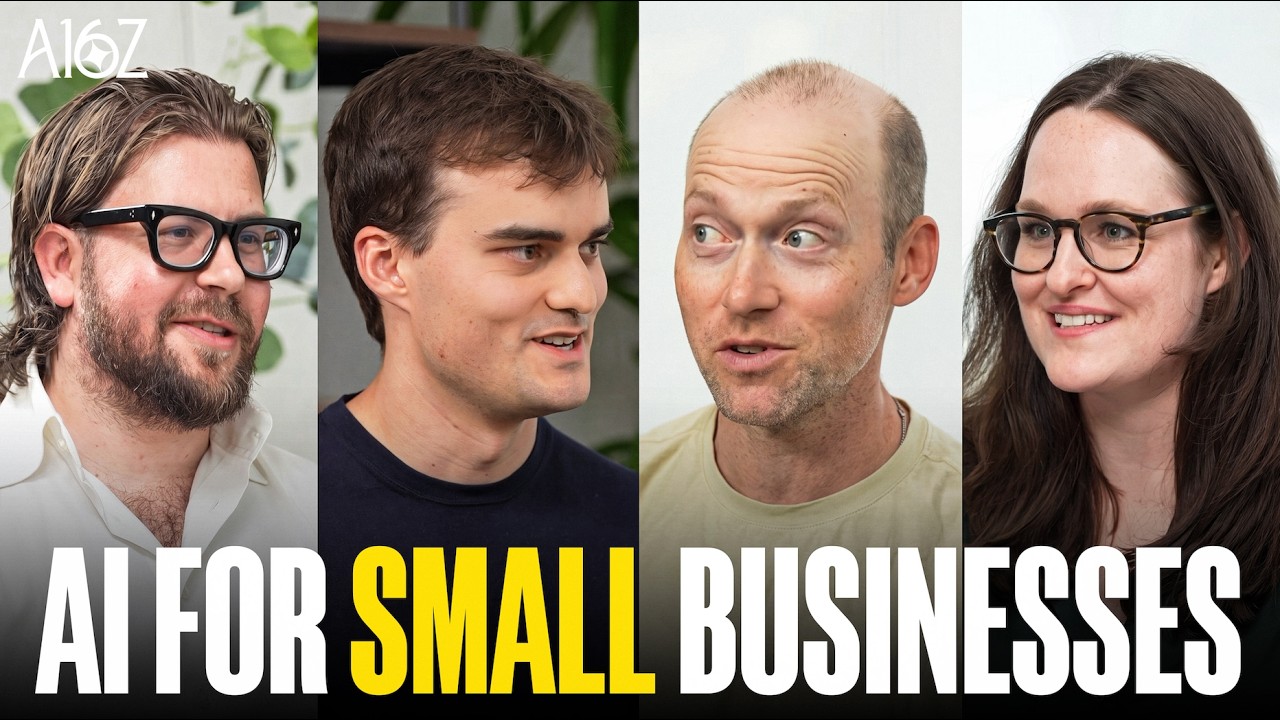
Lassie cofounders Steijn Pelle and Frédéric Renken, alongside investor Alex Rampell, discuss automating administrative work for small businesses, particularly dental practices, using AI agents. They highlight the shift from traditional software (data storage) to AI that performs labor, the challenges of onboarding AI into non-technical environments, and the vast market opportunity in underserved sectors where human labor is scarce.

Your AI Evals Are Lying

Your AI Evals Are Lying

Andrew Burt of Luminos discusses how current AI risk evaluation methods are insufficient, advocating for a "high dimensionality" approach using granular sub-risks and diverse legal and technical expertise. He critiques common practices like guardrails and single-LLM evaluations, highlighting the need for multimodal systems and continuous, automated monitoring to address the evolving complexities of AI, particularly with the rise of open-weight models.

2026 Cost of a Data Breach Report: AI Is Changing Cybersecurity

2026 Cost of a Data Breach Report: AI Is Changing Cybersecurity

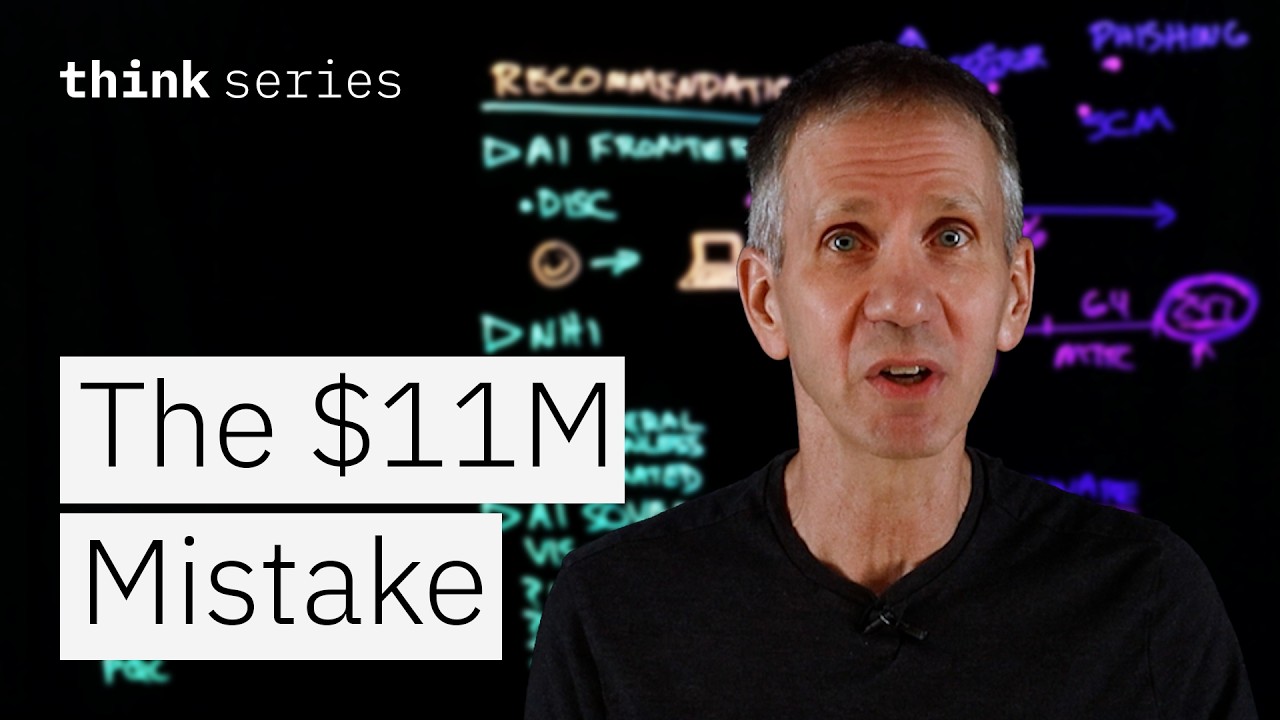
The 2026 Cost of a Data Breach Report reveals how AI is transforming cybersecurity, accelerating both attack sophistication and defense capabilities. It highlights rising breach costs, persistent vulnerabilities like phishing and ransomware, and the critical need for organizations to leverage AI and automation to reduce financial impact, improve response times, and strengthen overall security posture against AI-driven threats and future risks like quantum computing.

Let's integrate AI Agents in Event-Sourced Systems — Divakar Kumar, FlyersSoft

Let's integrate AI Agents in Event-Sourced Systems — Divakar Kumar, FlyersSoft

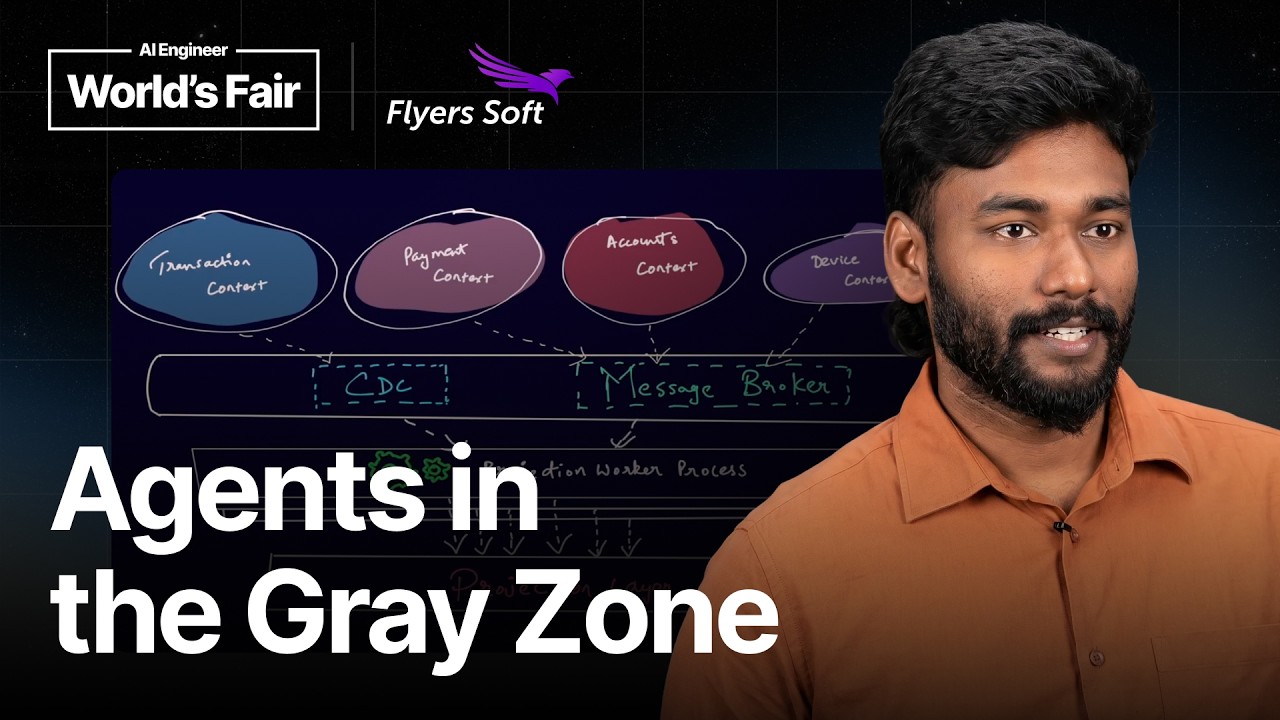
This presentation explores integrating AI agents into existing event-sourced architectures to resolve ambiguous cases in real-time fraud detection. By leveraging a semantic layer built from various bounded contexts (transaction, device, account), specialized agents like Risk Analyzer and Behavior Analyzer use tools and short-term memory to reach a verdict, addressing the "gray zone" where traditional rule-based and ML systems fall short. The approach emphasizes layering agents without replacing existing infrastructure, enhancing judgment in production systems.

Multi-GPU Kernels, Intelligence per Watt, Heterogeneous Inference, and More | YC Paper Club

Multi-GPU Kernels, Intelligence per Watt, Heterogeneous Inference, and More | YC Paper Club

This YC Paper Club explored the growing trend of specialization in AI hardware and software, covering multi-GPU kernel optimization, intelligence per watt metrics for local AI inference, the implications of AI writing systems code, heterogeneous hardware designs for inference, and GPU-accelerated game engines for reinforcement learning.

How Kepler Built Verifiable AI for Financial Services — Vinoo Ganesh

How Kepler Built Verifiable AI for Financial Services — Vinoo Ganesh

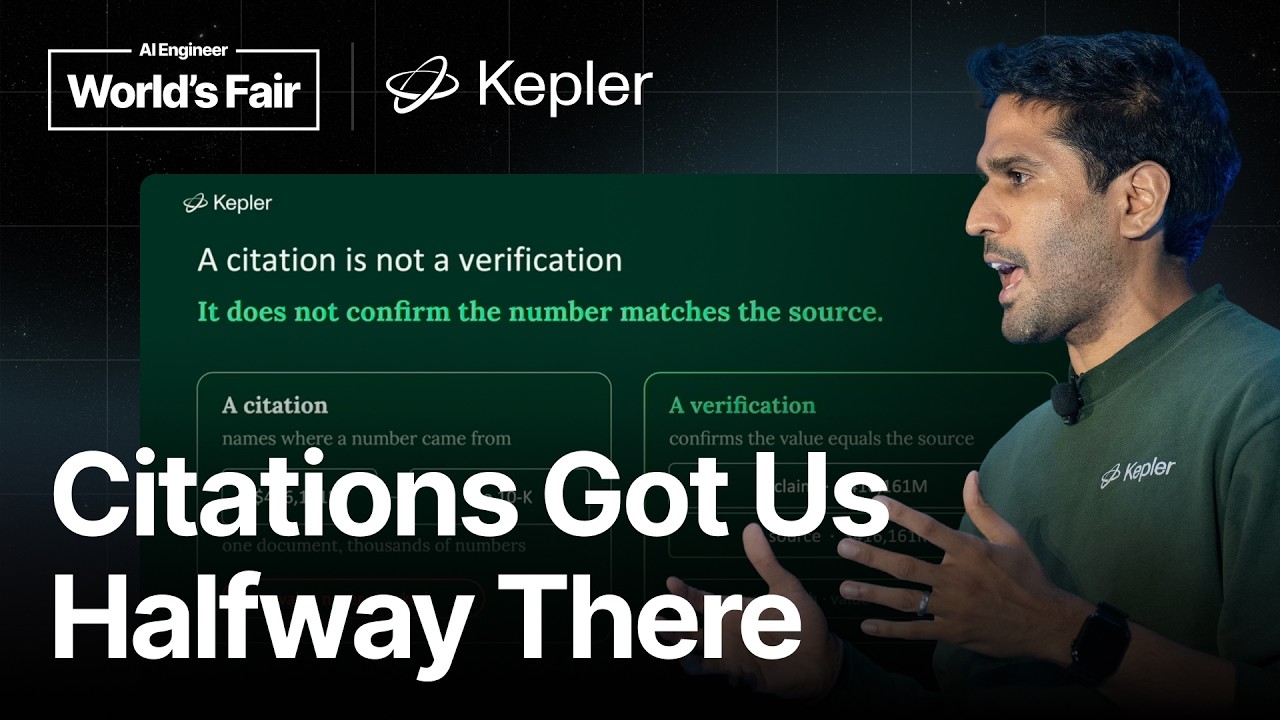
Vinoo Ganesh, CEO of Kepler, discusses building verifiable AI for financial services. He argues that while LLMs are powerful probability machines, they are unreliable for deterministic financial tasks. Kepler's solution involves a deterministic substrate that wraps AI, based on three tenets: atomic provenance (AI references, not creates, numbers), scope determinism (AI decides what to compute, but deterministic tools perform the math), and derivation chains (traceable calculation paths for derived figures). This ensures numerical accuracy, verifiability, and traceability, moving beyond simple citations to true proof of work.