Ai

AI on campus

AI on campus

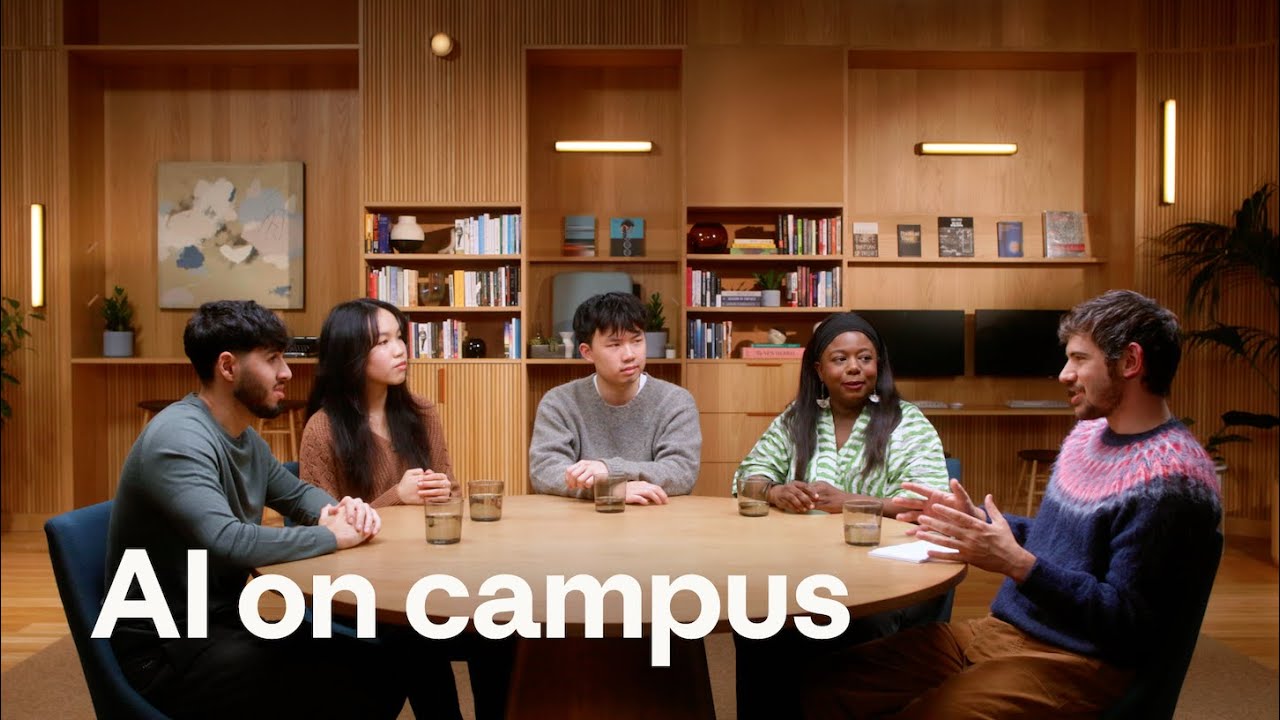
A panel of university students from LSE, Princeton, Berkeley, and ASU discuss the real-world impact of AI on campus life. They cover how AI is used as both a powerful learning tool and a crutch, the innovative projects students are building, how universities are adapting, and the challenges of navigating cheating, job applications, and 'AI slop' in a rapidly changing educational landscape.
OpenAI + @Temporalio : Building Durable, Production Ready Agents - Cornelia Davis, Temporal

OpenAI + @Temporalio : Building Durable, Production Ready Agents - Cornelia Davis, Temporal

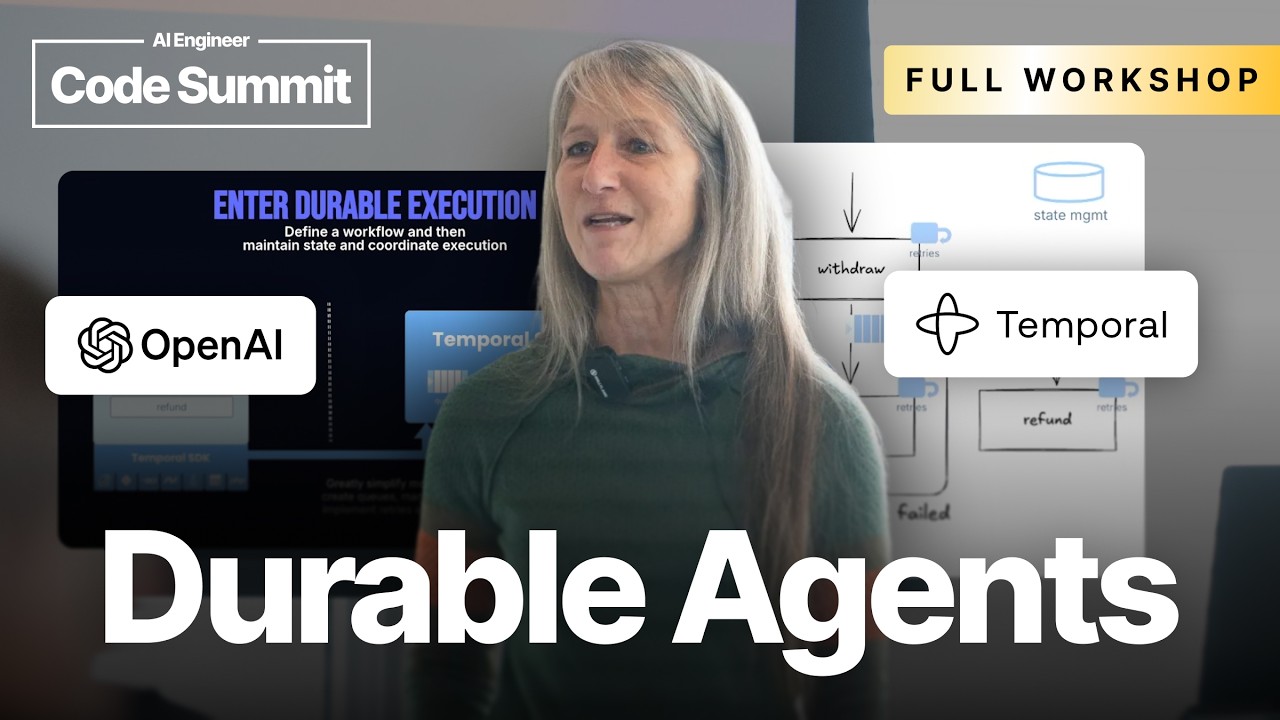
Explore how Temporal, a durable execution framework, brings resilience and scalability to AI agents built with the OpenAI Agents SDK. This summary covers Temporal's core concepts of Workflows and Activities, the official integration that makes OpenAI agents durable, and patterns for orchestrating multiple micro-agents.

Introducing Our Approach to Design Document Review Using Business-Specific Large Language Models

Introducing Our Approach to Design Document Review Using Business-Specific Large Language Models

Hitachi's Financial Business Unit developed a specialized LLM to automate the review of system design documents, addressing the inadequacy of general-purpose AI for mission-critical systems. This presentation details the model's development using Continued Pre-training and LoRA on proprietary data, its integration into a multi-agent architecture, and the use of Weights & Biases for MLOps, which led to a 70% reduction in manual review workload.

Getting started with Codex

Getting started with Codex

This is a step-by-step walkthrough for onboarding to OpenAI Codex. It covers installing the CLI and VS Code extension, configuring your workflow with agents.md and config.toml, and applying effective prompting patterns. The session also dives into advanced use cases, including integrating external tools via MCPs, running Codex programmatically in headless mode, and building multi-agent systems with the Agents SDK.

Getting started with Codex

Getting started with Codex

A step-by-step walkthrough on getting started with OpenAI's Codex. This guide covers installation of the CLI and VS Code extension, configuration using `agents.md` and `config.toml`, effective prompting patterns, and advanced workflows like using the Model-Connectable Protocol (MCP) and the OpenAI Agents SDK for programmatic automation.

Structured Dissent Patterns for Agentic Production Reliability

Structured Dissent Patterns for Agentic Production Reliability

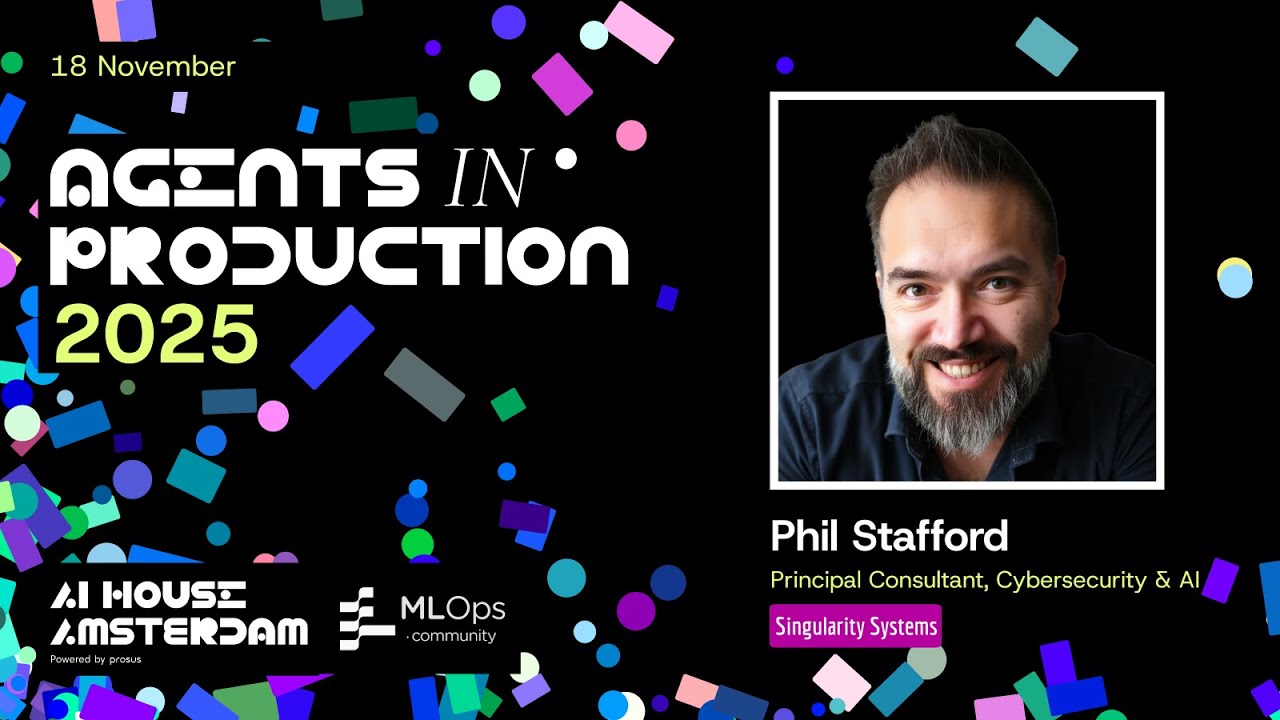
This talk introduces 'structured dissent,' a multi-agent orchestration pattern where believer, skeptic, and neutral agents debate decisions to overcome the 'confidently wrong' failure mode of single-agent LLM systems, improving reliability for high-stakes tasks like cybersecurity analysis.