Voice ai

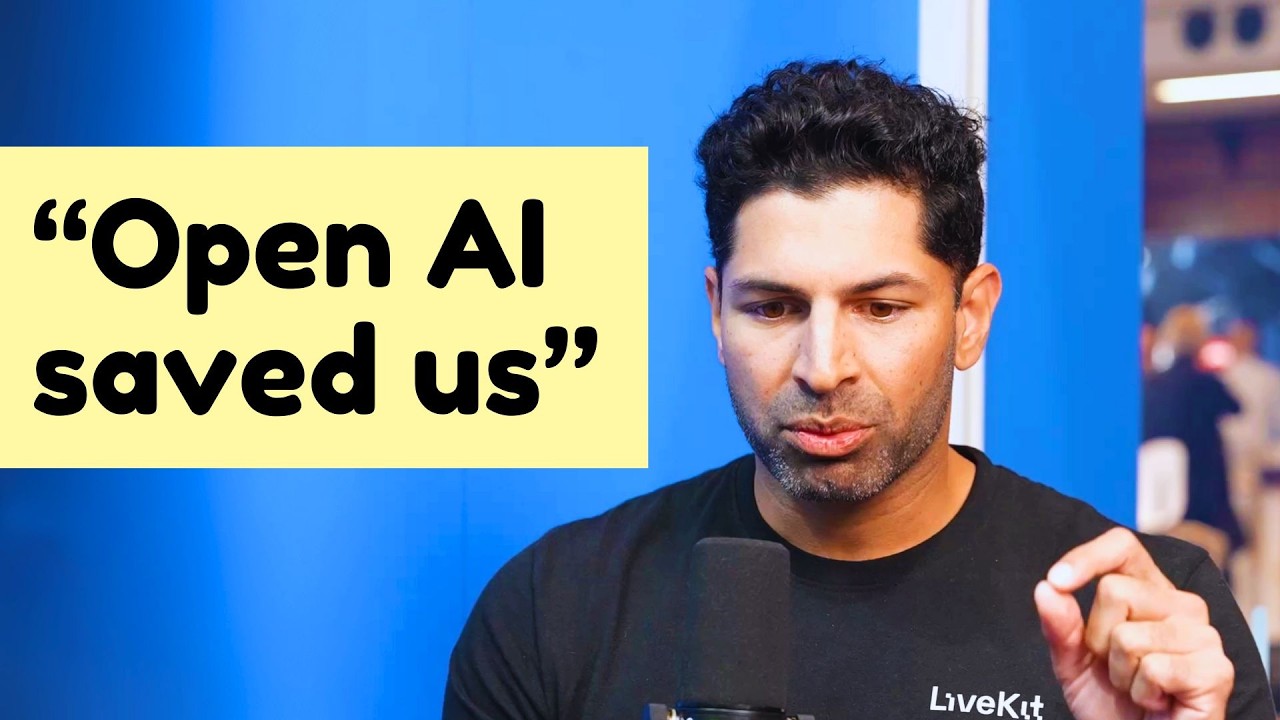
How LiveKit Became An AI Company By Accident

How LiveKit Became An AI Company By Accident

Russ d'Sa, CEO of LiveKit, recounts the company's unexpected journey from a pandemic-era open-source WebRTC project to becoming a crucial infrastructure provider for AI voice interfaces, most notably for OpenAI's ChatGPT. He details the serendipitous moments that led to this pivot and shares his vision for LiveKit as the nervous system for a multimodal AI future.

Introducing gpt-realtime in the API

Introducing gpt-realtime in the API

An overview of the new GPT-realtime speech-to-speech model and the general availability of the Real-Time API, detailing its architecture, advanced capabilities like image input and multilingualism, training methodology, and new enterprise-ready features.

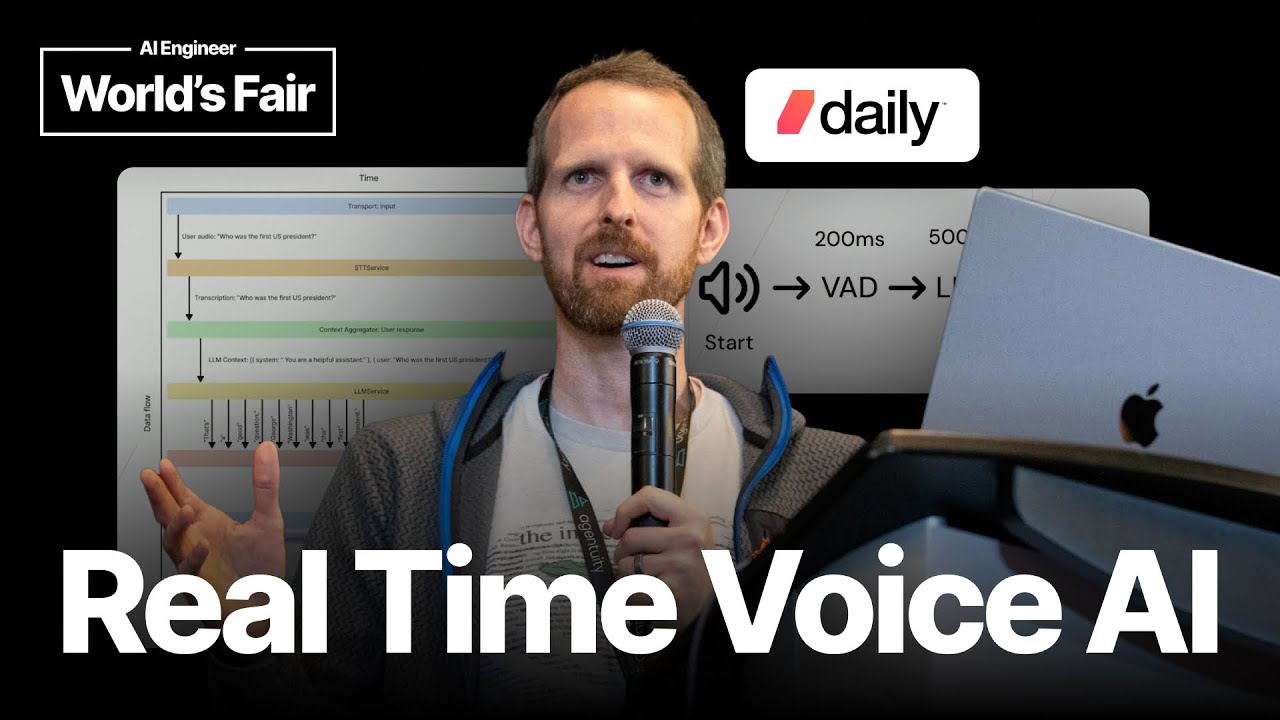
Full Workshop: Realtime Voice AI — Mark Backman, Daily

Full Workshop: Realtime Voice AI — Mark Backman, Daily

An in-depth look at building real-time, production-grade voice AI agents using the open-source Pipecat framework. This summary covers the core concepts of voice AI pipelines, the shift to speech-to-speech models like Gemini Live, and advanced techniques for managing latency, context, and turn-taking.

Pipecat Cloud: Enterprise Voice Agents Built On Open Source - Kwindla Hultman Kramer, Daily

Pipecat Cloud: Enterprise Voice Agents Built On Open Source - Kwindla Hultman Kramer, Daily

A deep dive into the challenges of building production-grade, low-latency voice AI agents, and how the open-source, vendor-neutral framework Pipecat provides a comprehensive solution for development, deployment, and scaling. Learn about voice AI architecture, the trade-offs between speech-to-speech and text-based models, and practical deployment strategies.

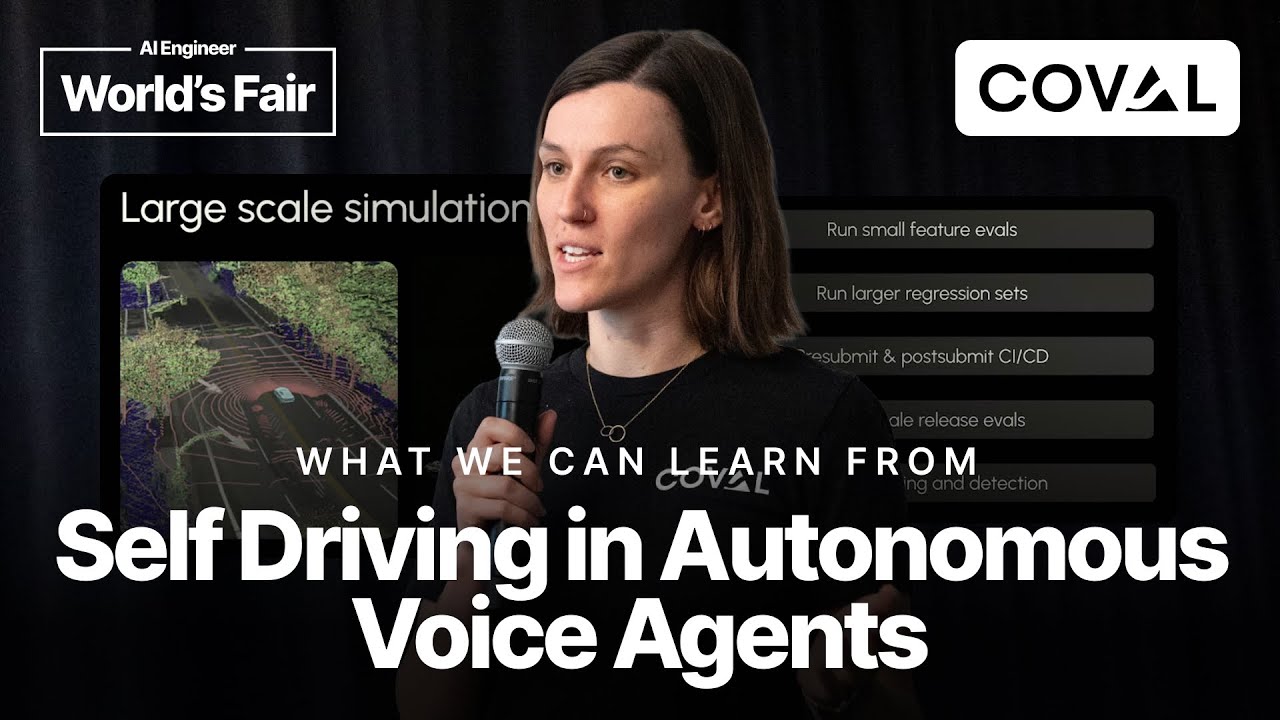
From Self-driving to Autonomous Voice Agents — Brooke Hopkins, Coval

From Self-driving to Autonomous Voice Agents — Brooke Hopkins, Coval

Brooke Hopkins, founder of Coval, discusses how evaluation methodologies from the autonomous vehicle industry, particularly from her experience at Waymo, can be adapted to build reliable, scalable, and trustworthy voice and conversational AI systems.

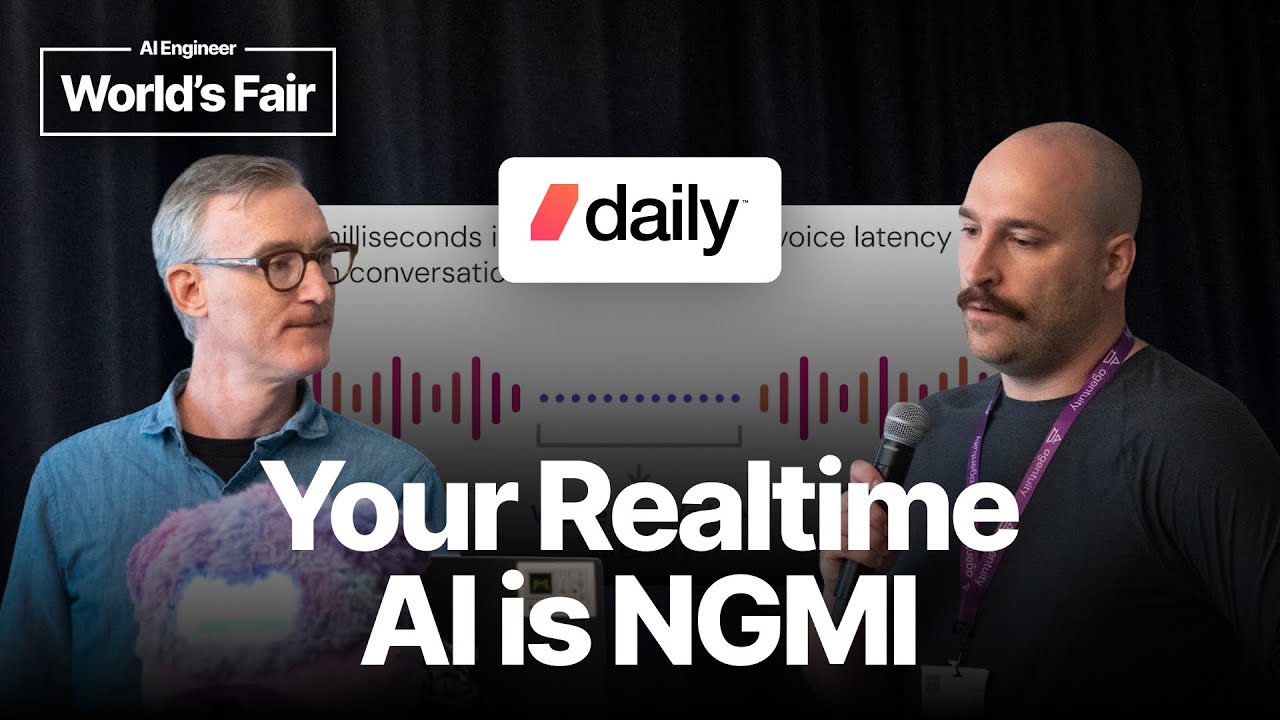
Your realtime AI is ngmi — Sean DuBois (OpenAI), Kwindla Kramer (Daily)

Your realtime AI is ngmi — Sean DuBois (OpenAI), Kwindla Kramer (Daily)

Sean DuBois (OpenAI, Pion) and Kwindla Hultman Kramer (Daily, Pipecat) argue that to build successful real-time AI applications, developers must start from the network layer up, prioritizing WebRTC over WebSockets to manage latency effectively and enable advanced features like interruption and state management.