Vertical integration

What Tesla and SpaceX Teach Founders About Building Hardware | a16z

What Tesla and SpaceX Teach Founders About Building Hardware | a16z

Ex-Tesla and SpaceX engineers Chandler Luzsicza and Turner Caldwell share the practical lessons they learned about building complex hardware and how they apply them at their own startups. They cover core principles like decision velocity, strategic vertical integration, managing the critical path without creating new bottlenecks, and using aggressive milestones as a forcing function to reveal true priorities. The discussion also delves into the value of a 'factory mindset,' the importance of a rigorous hiring process, and advice for young engineers.

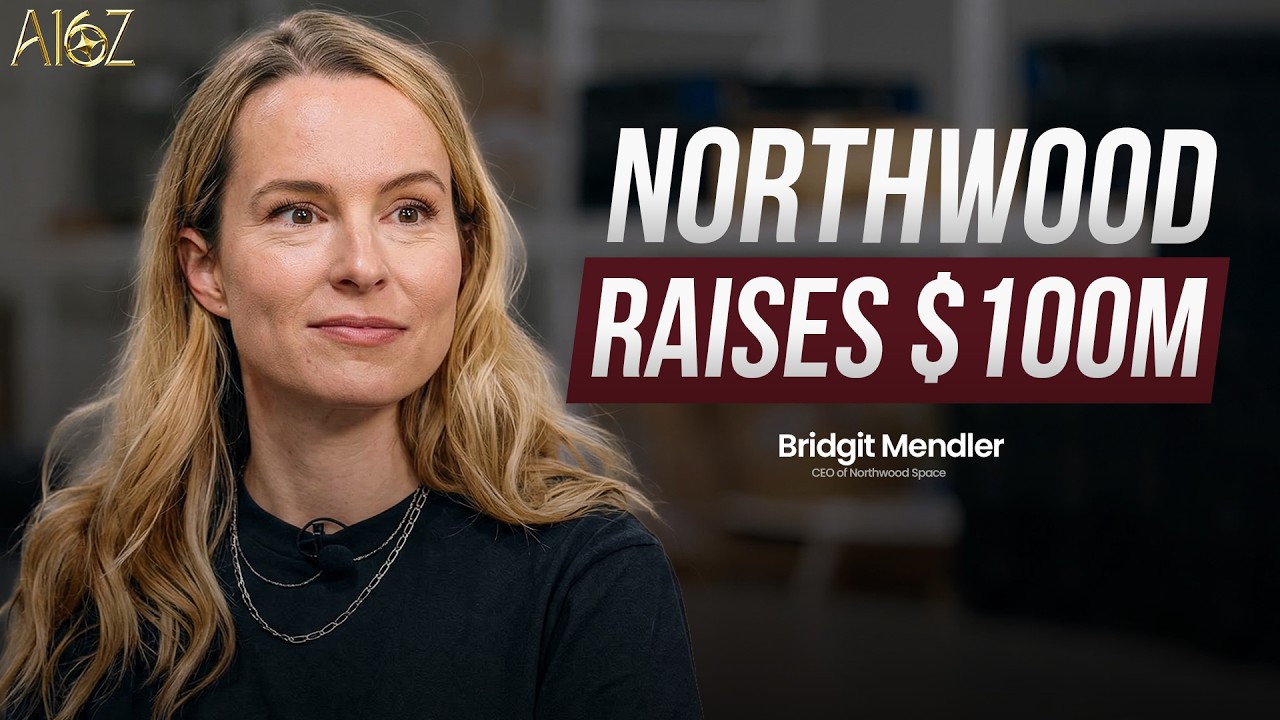
Why Every Satellite Needs Earth | Northwood CEO on a16z

Why Every Satellite Needs Earth | Northwood CEO on a16z

Bridgit Mendler, CEO of Northwood, details the critical bottleneck in the space economy: ground infrastructure. She explains how Northwood's vertically integrated approach is reducing deployment times from years to months, aiming to create a foundational data layer for space, much like cloud computing did for the internet.

Rivian’s Roadmap to AI Architecture and Autonomy with Founder and CEO RJ Scaringe

Rivian’s Roadmap to AI Architecture and Autonomy with Founder and CEO RJ Scaringe

Rivian CEO RJ Scaringe discusses the company's complete pivot from a rules-based '1.0' autonomy system to a vertically integrated, neural network-based architecture. He outlines the essential ingredients for success in autonomous driving—from custom inference chips to a robust data flywheel—and explains why a software-defined vehicle architecture is non-negotiable for survival. Scaringe also touches on the upcoming R2 model, the importance of market choice, and how superior, proprietary data will be the key differentiator in the age of AI-driven vehicles.

Moltbot (Clawdbot): Open-source agents go mainstream

Moltbot (Clawdbot): Open-source agents go mainstream

The panel discusses the rise of Moltbot, a community-driven open-source AI agent, and the debate it sparks around vertical vs. horizontal integration and security. They analyze Anthropic CEO Dario Amodei's essay on AI's "adolescence," exploring the growing pains of the technology, the pace mismatch between innovation and safety, and the need for broader societal engagement. The conversation also covers IBM's GRAMMY IQ, an AI-powered fan experience, and the strategic implications of Microsoft's Maia 200 chip, signaling a shift toward vertical integration in the AI hardware space to challenge NVIDIA's dominance.

How AI Will Reshape The Economy In 2026 (a16z Big Ideas)

How AI Will Reshape The Economy In 2026 (a16z Big Ideas)

Experts from a16z forecast three major AI-driven shifts for 2026. Ryan McEntush discusses the rise of the 'electro-industrial stack' and the need for a U.S. ecosystem to power modern industry. Angela Strange explains how financial services are at a tipping point, with AI-native platforms unifying data to unlock massive efficiency gains. Sarah Wang predicts that a 'dynamic agent layer' will overtake traditional systems of record, fundamentally changing enterprise software by directly translating user intent into action.

AI Code Generation: Wins, Fails and the Future

AI Code Generation: Wins, Fails and the Future

A panel of experts discusses the future of AI in software engineering, focusing on the "barbell effect" where AI excels at hyper-complex tasks but fails at simple ones. The conversation explores whether performance is driven by the model or the agent orchestration, the evolving role of the engineer as an architect, and the significant challenges open-source tools face against vertically integrated proprietary systems, particularly the high cost of inference.