Martin Casado, General Partner at a16z, discusses the evolution of venture capital in the age of AI, covering the firm's shift to specialization, the critical value of AI infrastructure, the fierce competition for talent, and the strategic importance of media and open source.
The $10 Trillion AI Revolution: Why It’s Bigger Than the Industrial Revolution
Sequoia Capital's Konstantine Buhler presents an investment thesis on the AI-driven "Cognitive Revolution," framing it as a transformation larger and faster than the Industrial Revolution. The core of the thesis is the $10 trillion opportunity in automating the US services market and the shift in work from certainty to high leverage. Buhler outlines five current investment trends, including real-world validation over academic benchmarks and compute as the new production function, and five future themes Sequoia is betting on, such as persistent memory, AI-to-AI communication, and AI security.
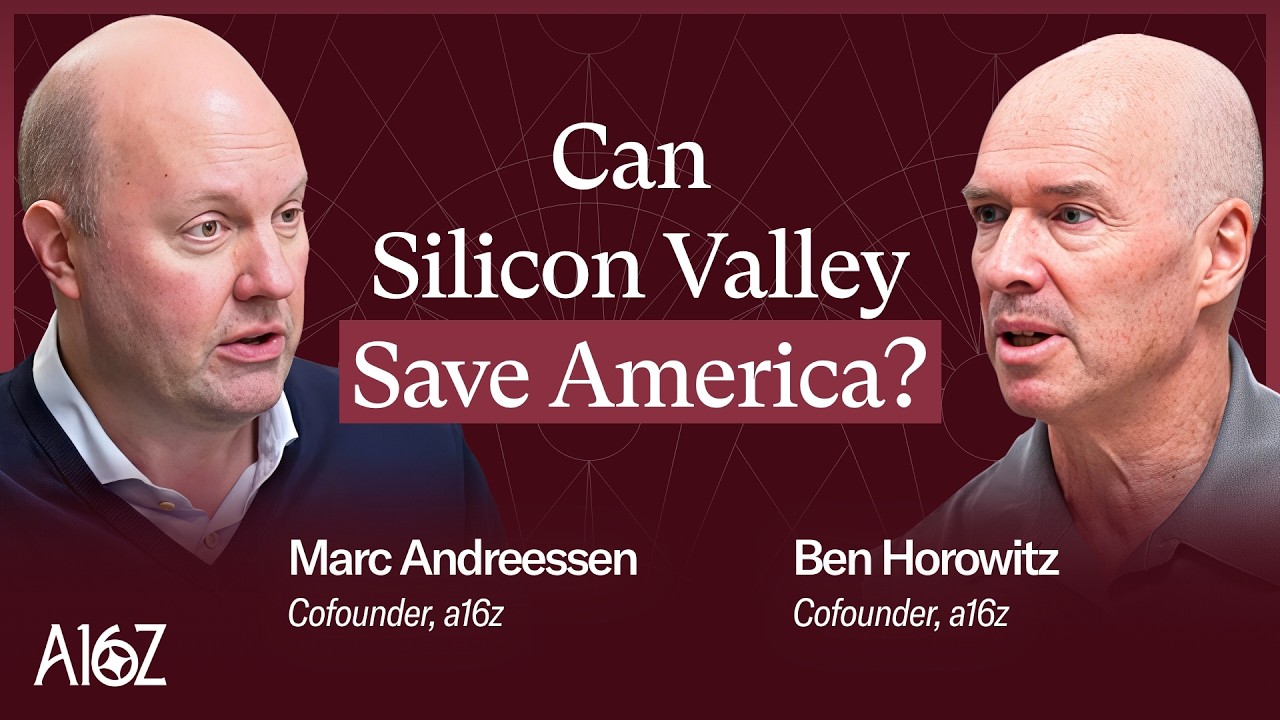
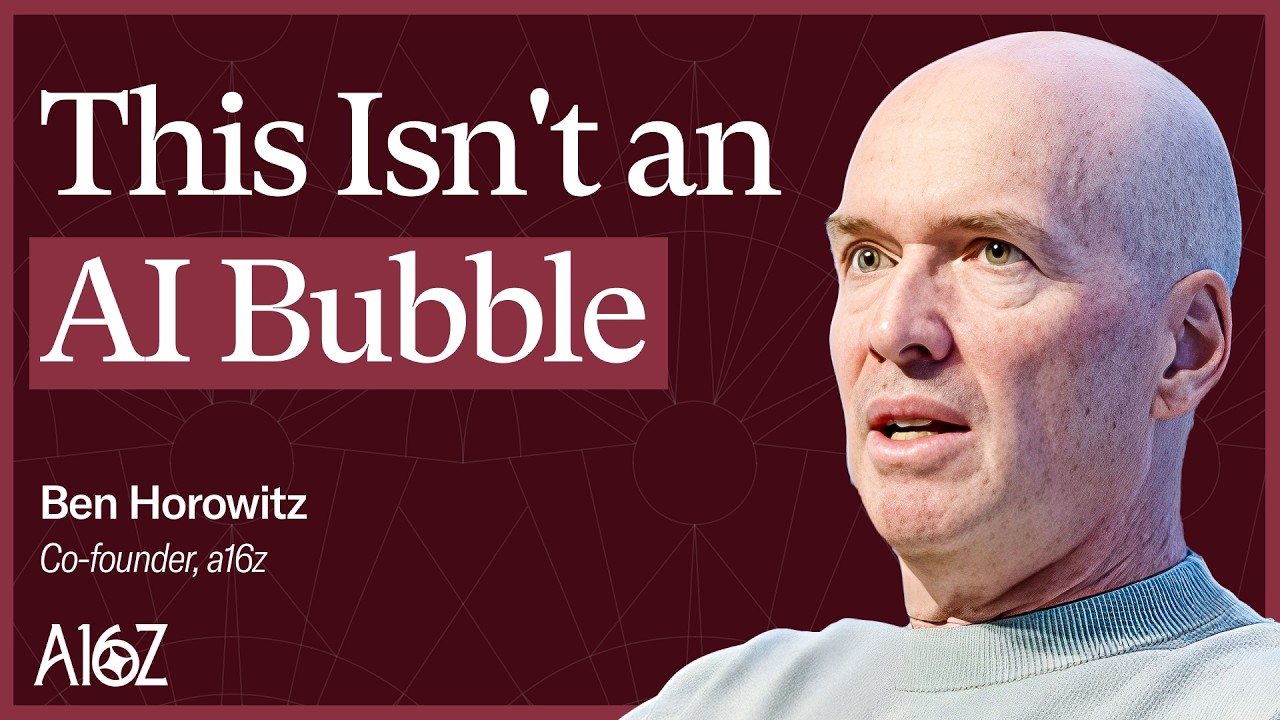
Ben Horowitz on How a16z Was Built
Ben Horowitz, cofounder of a16z, discusses the firm's unique product-first philosophy, the evolution of its organizational structure to specialize in areas like AI and crypto, and the critical challenges posed by the current anti-innovation regulatory environment.
The State of AI: Growth, Fragmentation, and the Next Wave
General Partners from a16z analyze the current AI landscape, revealing that AI companies are growing faster and larger than anticipated. They discuss the fragmentation of the market, the innovator's dilemma facing SaaS incumbents, and the emergence of new moats like brand. The conversation emphasizes a shift from hype to tangible ROI, citing examples like Cursor, and outlines a nuanced investment strategy for a market defined by both unprecedented growth and rapid wipeouts.
Steven Sinofsky & Balaji Srinivasan on the Future of AI, Tech, & the Global World Order
Steven Sinofsky and Balaji Srinivasan analyze the collision of regulation, capital, and innovation, exploring how an 'anti-tech assault' from regulators is reshaping M&A. They introduce the 'acquifire'—a new deal structure born from pressure—and debate the fundamental conflict between the permissionless 'network' and the regulatory 'state', projecting how this battle will define the future of AI.
State of Startups and AI 2025 - Sarah Guo, Conviction
Sarah Goa from the AI-native venture fund Conviction discusses the state of AI, arguing that despite the hype, building valuable AI products is challenging. She covers the rapid advancement in AI capabilities like reasoning and multimodality, the increasingly competitive model market, and provides a playbook for building successful applications, using "Cursor for X" as a framework. The key takeaway is that defensibility in AI comes from superior execution and deep workflow integration, not just the underlying model.