Scientific discovery

Sam, Jakub, and Wojciech on the future of OpenAI with audience Q&A

Sam, Jakub, and Wojciech on the future of OpenAI with audience Q&A

Sam Altman and Yakob present OpenAI's updated strategy, detailing a concrete research roadmap towards an automated AI researcher by 2028, a vision for an open AI platform, and massive infrastructure plans totaling $1.4 trillion. They also introduce a new corporate structure with a non-profit foundation focused on using AI to cure diseases and build AI resilience.

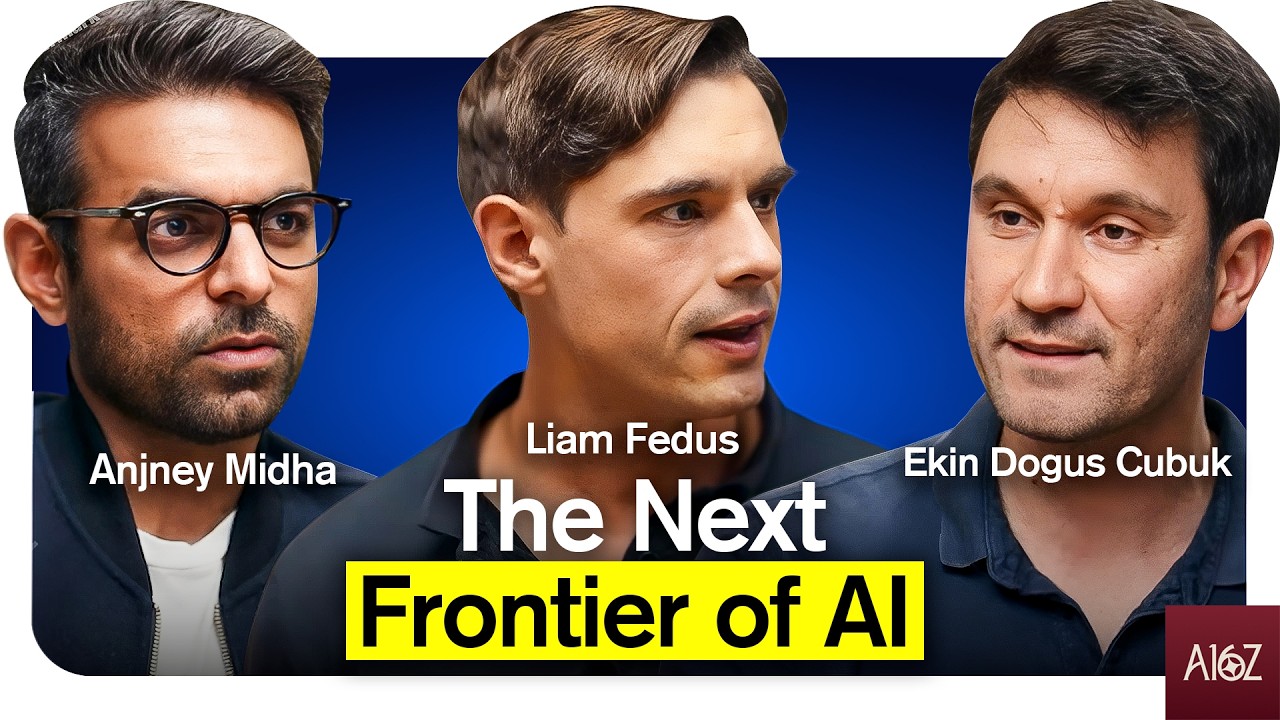
Building an AI Physicist: ChatGPT Co-Creator’s Next Venture

Building an AI Physicist: ChatGPT Co-Creator’s Next Venture

Former researchers from OpenAI and Google DeepMind, Liam Fedus and Ekin Dogus Cubuk, discuss their new venture, Periodic Labs. They aim to create an 'AI physicist' by integrating large language models with real-world, iterative experiments, moving beyond simulation to solve fundamental challenges in physics and chemistry, starting with high-temperature superconductivity.

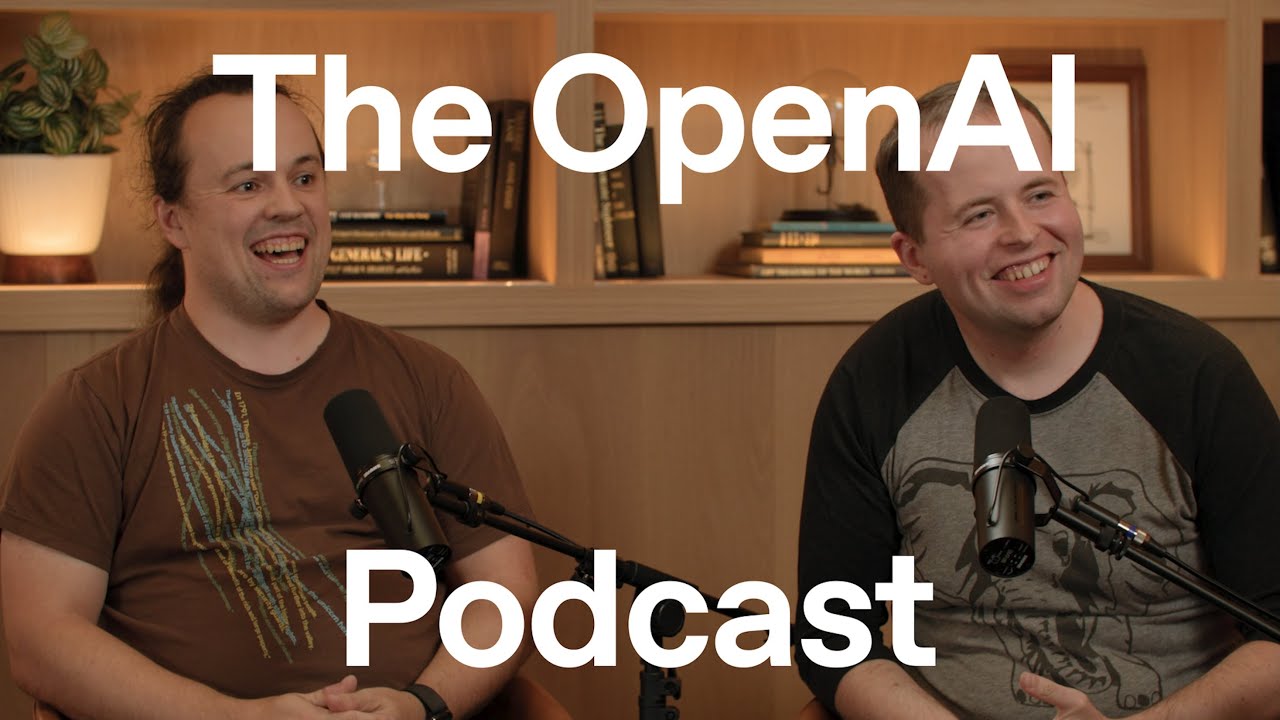
AGI progress, surprising breakthroughs, and the road ahead — the OpenAI Podcast Ep. 5

AGI progress, surprising breakthroughs, and the road ahead — the OpenAI Podcast Ep. 5

OpenAI's Chief Scientist Jakub Pachocki and researcher Szymon Sidor discuss the rapid progress towards AGI, focusing on the shift from traditional benchmarks to real-world capabilities like automating scientific discovery. They share insights into recent breakthroughs in mathematical and programmatic reasoning, highlighted by successes in competitions like the International Math Olympiad (IMO), and explore what's next for scaling and long-horizon problem-solving.

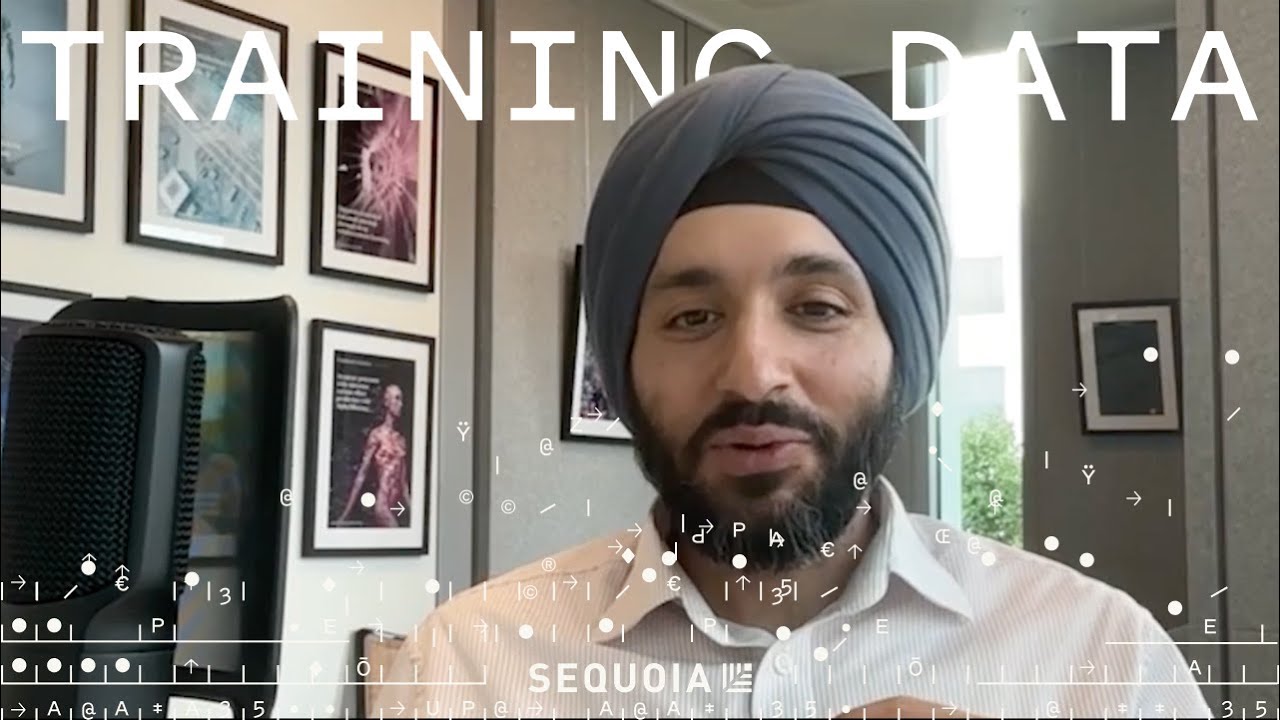
DeepMind's Pushmeet Kohli on AI's Scientific Revolution

DeepMind's Pushmeet Kohli on AI's Scientific Revolution

Pushmeet Kohli, head of AI for Science at DeepMind, discusses AlphaEvolve, an AI system that uses Large Language Models (LLMs) coupled with evolutionary search to discover novel, human-interpretable algorithms. He explains the architecture, from its predecessor FunSearch to the multi-agent "Co-scientist" system, and details breakthroughs in solving decades-old math problems and optimizing real-world systems like data center scheduling and chip design.