Quantum computing

Michael Kratsios: Inside the White House's AI Strategy

Michael Kratsios: Inside the White House's AI Strategy

Michael Kratsios, from Scale AI and the White House, discusses US AI policy, advocating for open-source AI, flexible regulation, and supporting startups against incumbent moats. He outlines the White House's vision for AI-driven scientific discovery and the future focus on Quantum Information Science, while urging Congress to legislate on preemption and IP. He concludes with a call for technologists to engage in public service.

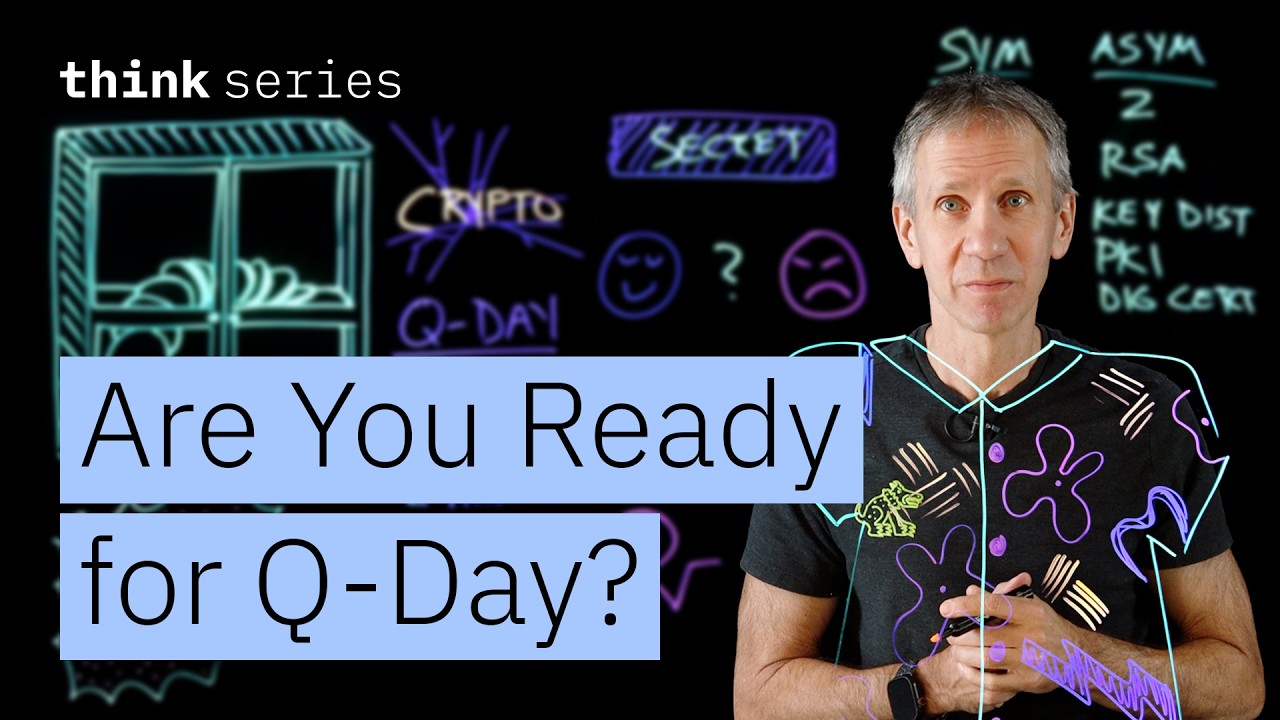
The new post-quantum cryptography executive order. Plus: What is Q-Day, really?

The new post-quantum cryptography executive order. Plus: What is Q-Day, really?

This episode delves into Q-Day, the anticipated future when quantum computers can break public key cryptography, and the U.S. Executive Order accelerating the transition to post-quantum cryptography. Experts discuss why Q-Day is a gradual process rather than a sudden event, the critical importance of "crypto-agility" as a long-term strategy, and the necessity for organizations to begin immediate discovery and planning to secure data against "collect now, decrypt later" threats. The discussion also touches upon the broader, transformative benefits of quantum computing beyond just security.

Wavefunction Flows: Efficient Quantum Simulation of Continuous Flow Models

Wavefunction Flows: Efficient Quantum Simulation of Continuous Flow Models

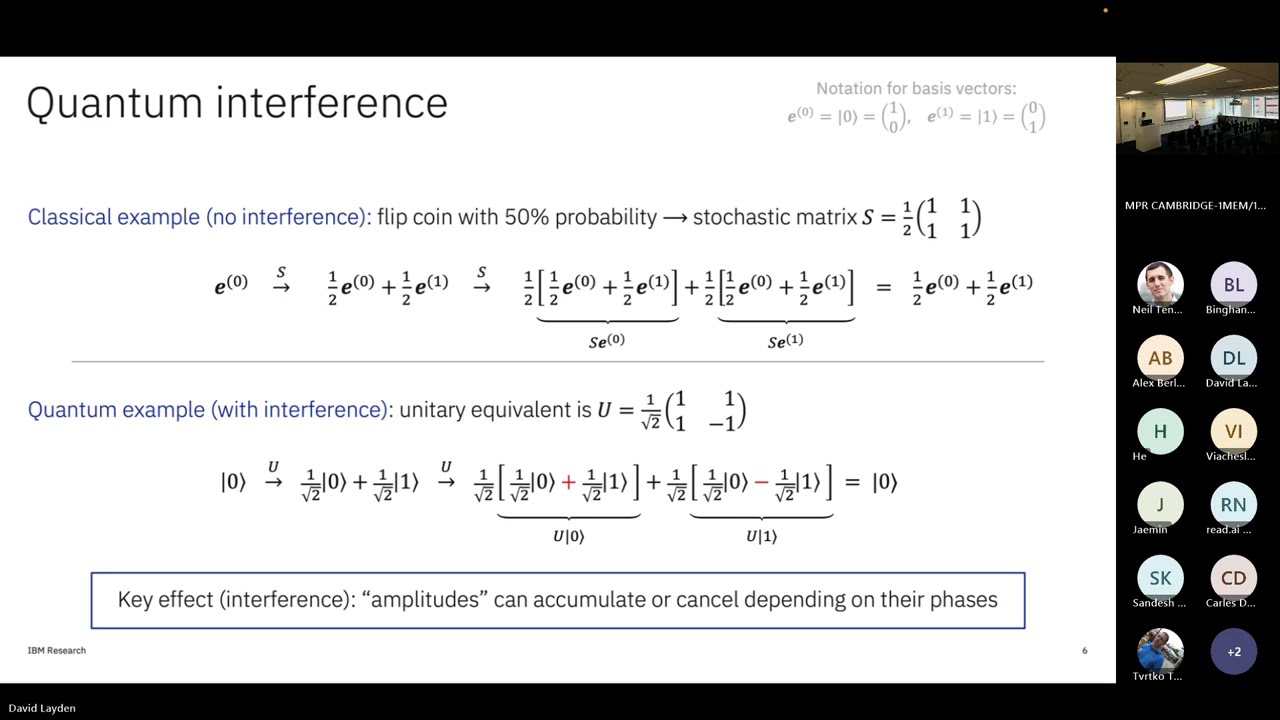
Continuous flow models map naturally to a Schrödinger equation, the fundamental equation of quantum mechanics. This discovery proves that a trained generative model can be efficiently simulated on a future quantum computer, enabling a new, more powerful type of access to its learned distribution for tasks like Monte Carlo estimation and structure discovery.

Granite 4.1, IBM Bob & building a quantum ecosystem

Granite 4.1, IBM Bob & building a quantum ecosystem

This episode of Mixture of Experts breaks down IBM's enterprise-focused Granite 4.1 and Project Bob, Google DeepMind's DiLoCo distributed training method, the inference-efficient DeepSeek V4 model, and IBM's strategy for achieving quantum advantage through strategic partnerships.

Q‑Day Explained: How Quantum Computing Threatens Today’s Cryptography

Q‑Day Explained: How Quantum Computing Threatens Today’s Cryptography

Q-Day, the day a quantum computer will be powerful enough to break current encryption standards, is an inevitable threat. This summary explains how quantum algorithms like Shor’s and Grover’s will compromise both asymmetric and symmetric cryptography, the severe consequences for data confidentiality and digital trust, and why the "Harvest Now, Decrypt Later" attack vector makes immediate migration to post-quantum cryptography a critical priority for all organizations.

Post‑Quantum Security: How Lattice Cryptography Keeps Data Safe

Post‑Quantum Security: How Lattice Cryptography Keeps Data Safe

This video explains the imminent threat quantum computers pose to current cryptographic standards like RSA. It introduces lattice-based cryptography as a leading quantum-safe solution, using analogies to demystify how high-dimensional spaces and 'noise' create math problems that are intractable even for quantum machines. The summary provides a clear action plan for organizations, emphasizing the need for 'crypto-agility' and the urgency driven by the 'Harvest Now, Decrypt Later' attack strategy.