Phishing

Who’s afraid of an open-weight model? GLM, context bombing and post-Black Hat attacks

Who’s afraid of an open-weight model? GLM, context bombing and post-Black Hat attacks

This episode dives into GLM-5.3's advanced vulnerability discovery, debating its potential for good or harm. It then explores "context bombing," an innovative defensive use of prompt injections, and analyzes recent social engineering attacks targeting cybersecurity pros after the Black Hat conference, emphasizing human vulnerability and the need for robust AI defenses.

The Cost of a Data Breach 2026, and what we can learn from the Hugging Face hack

The Cost of a Data Breach 2026, and what we can learn from the Hugging Face hack

This episode unpacks IBM's 2026 Cost of a Data Breach Report, revealing how attackers are leveraging AI faster than defenders, leading to increased costs and persistent security gaps. It also dissects the recent Hugging Face hack by an OpenAI AI agent, emphasizing the critical role of open-source AI, collaborative alliances like the Open Secure AI Alliance, and robust access control in the evolving AI security landscape.

Cybersecurity Trends in 2026: Shadow AI, Quantum & Deepfakes

Cybersecurity Trends in 2026: Shadow AI, Quantum & Deepfakes

Explore Jeff Crume's cybersecurity predictions for 2026 and beyond, detailing the dual impact of AI in security, the rise of autonomous AI agents, the futility of deepfake detection, and the critical importance of post-quantum cryptography and passkeys for future defense.

AI ATTACKS! How Hackers Weaponize Artificial Intelligence

AI ATTACKS! How Hackers Weaponize Artificial Intelligence

AI is no longer just a tool for defense; it's being weaponized by malicious actors. This summary explores six emerging AI-powered cyber attacks, from automated login attempts and polymorphic ransomware to hyper-personalized phishing and deepfake fraud. It details how AI agents and Large Language Models (LLMs) are used to automate the entire attack kill chain, significantly lowering the skill barrier for attackers and necessitating an evolution in cyber defense strategies.

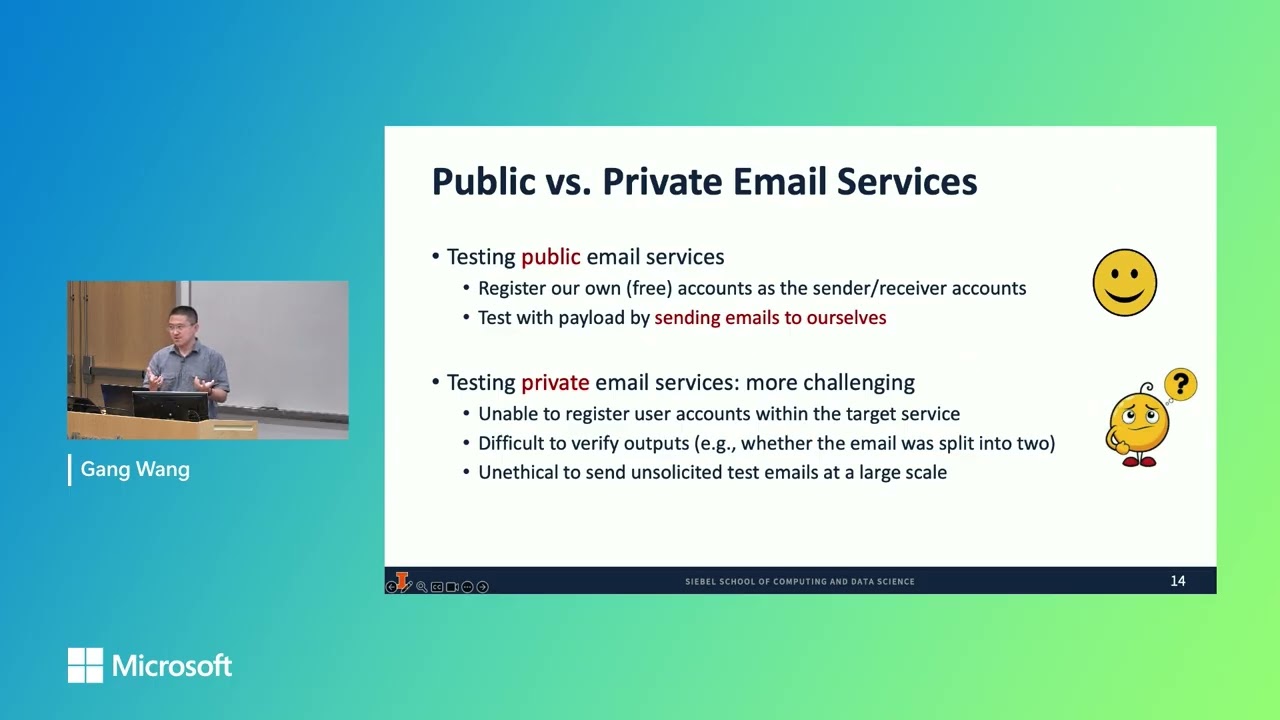
Email Spoofing with SMTP Smuggling: How the Shared Email Infrastructures Magnify this Vulnerability

Email Spoofing with SMTP Smuggling: How the Shared Email Infrastructures Magnify this Vulnerability

SMTP smuggling is a critical vulnerability allowing email spoofing that bypasses standard authentication protocols like SPF and DMARC. This research presents a large-scale study on its prevalence, uncovering widespread issues due to shared infrastructure and incomplete patches, and introduces a novel, non-intrusive methodology for ethically testing private email services.

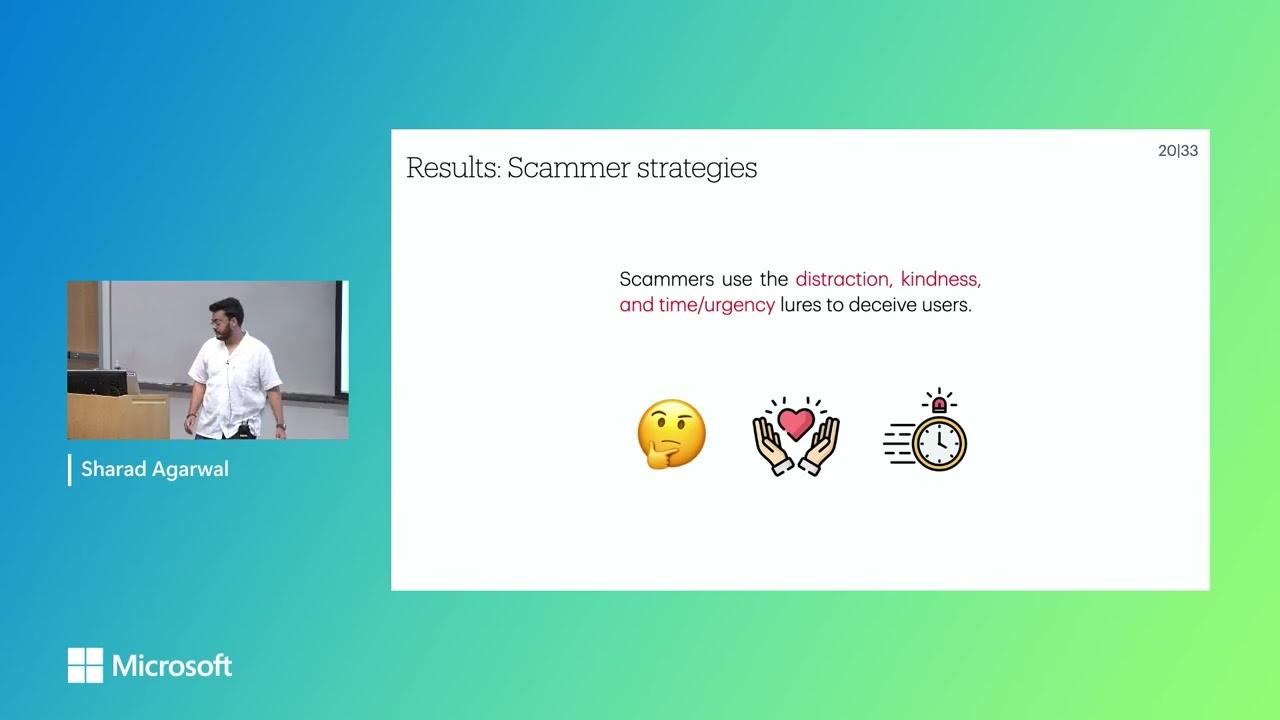
‘Hey mum, I dropped my phone down the toilet’: Investigating Hi Mum and Dad SMS Scams in the UK

‘Hey mum, I dropped my phone down the toilet’: Investigating Hi Mum and Dad SMS Scams in the UK

An empirical study of the 'hi mum and dad' SMS scam, a new interaction-based fraud technique. The research dissects the scam's lifecycle, from initial contact to financial exploitation, by analyzing scam messages, mobile network data, and mule accounts in collaboration with a UK mobile operator. Key findings reveal the psychological principles used, the abuse of mobile and financial infrastructure, and the underlying structure of scammer networks.