Feature

From Neural Networks to Digital Brains: The Next Leap in AI • Daniel Lütgehetmann • GOTO 2025

From Neural Networks to Digital Brains: The Next Leap in AI • Daniel Lütgehetmann • GOTO 2025

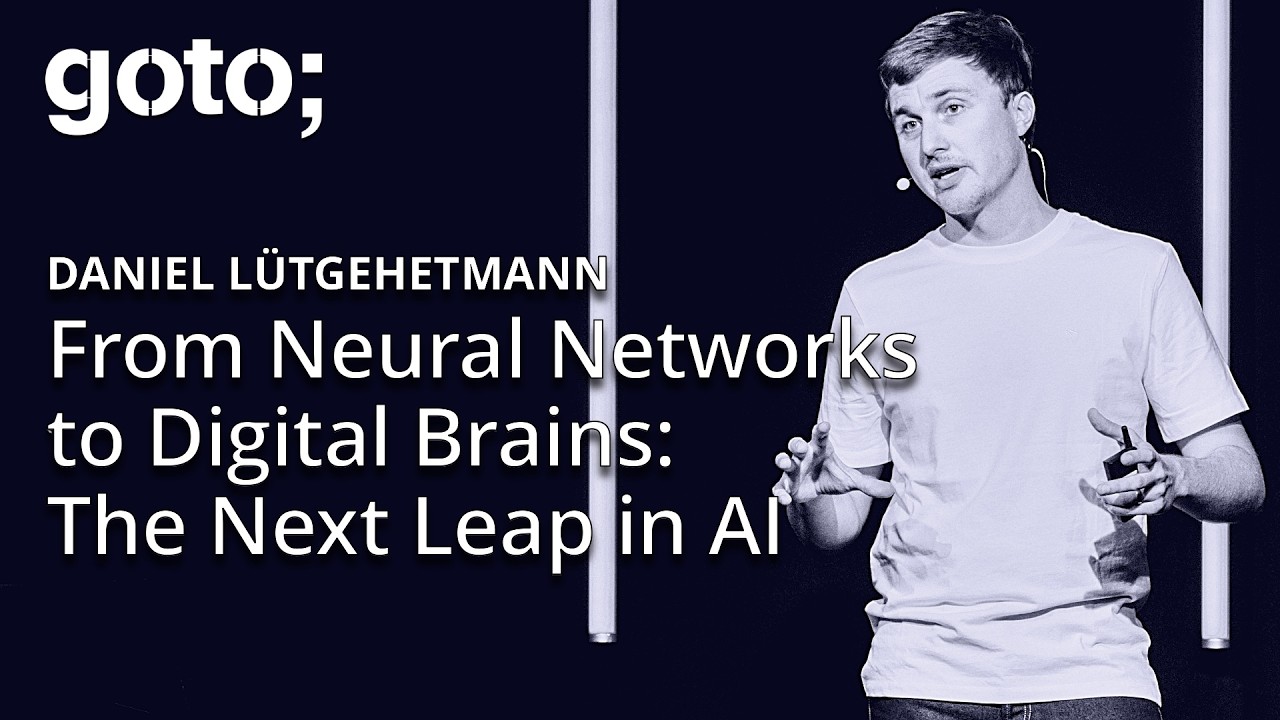
Daniel Lütgehetmann of inait introduces "digital brains," biologically accurate computational models of real brains, as a solution to current AI's limitations in physical world interaction. Unlike traditional AI that struggles with dynamic environments and skill accumulation, these digital brains leverage biologically inspired learning rules to achieve dramatically faster learning in robotics and complex systems, demonstrating potential for real-world adaptability and efficiency.
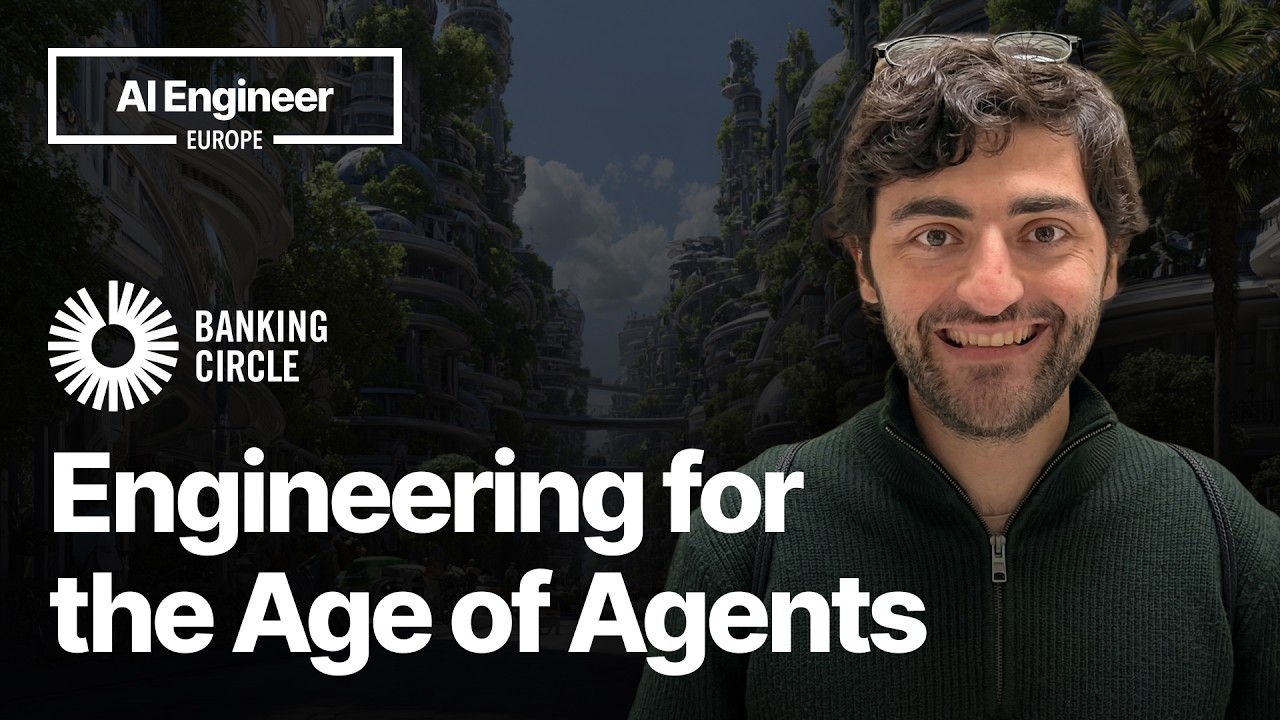
Platforms for Humans and Machines: Engineering for the Age of Agents — Juan Herreros Elorza

Platforms for Humans and Machines: Engineering for the Age of Agents — Juan Herreros Elorza

This talk by Juan Herreros Elorza explores how to design internal developer platforms for a future where AI coding agents are first-class users. It argues that the same best practices that make platforms accessible to humans—self-service interfaces, well-defined APIs, local-first workflows, and rich observability—are now critical prerequisites for agents to autonomously build, debug, and ship software. The session provides concrete principles for platform design, discusses how to manage AI-assisted contributions, and emphasizes the need to measure the impact of these changes on developer productivity and system reliability.

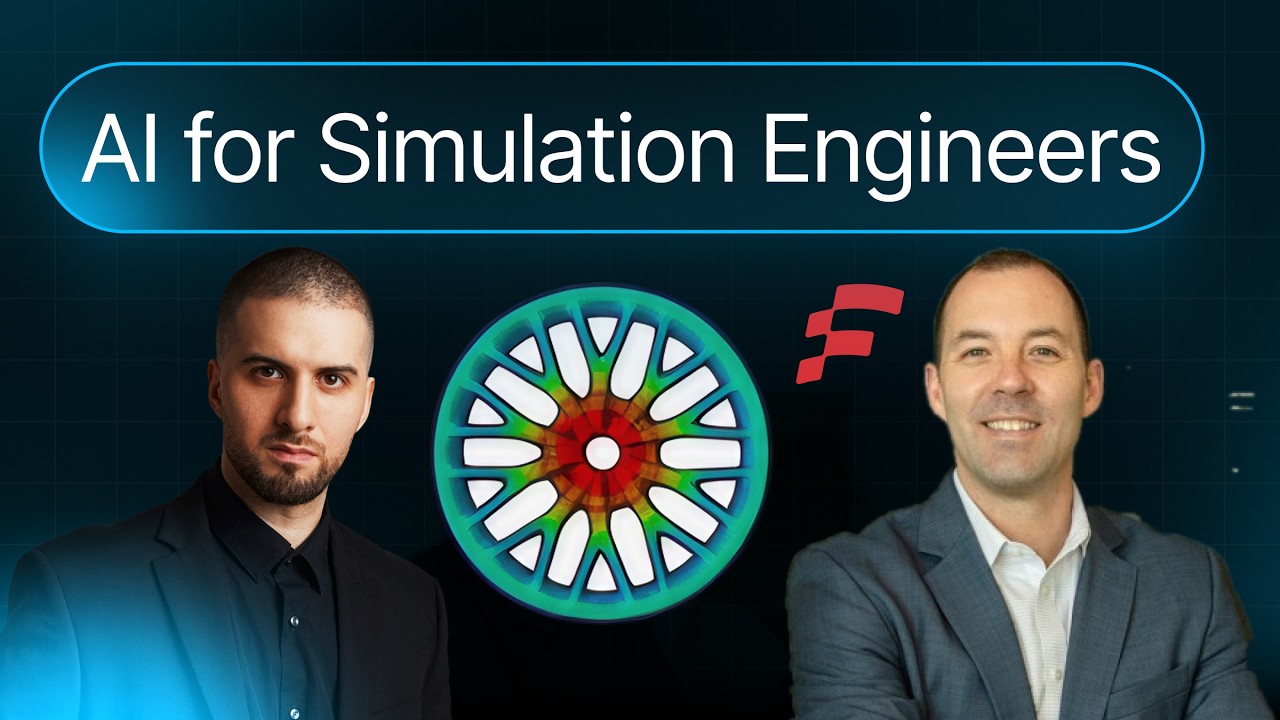
Agentic Engineering & PINNs: AI for Simulation Engineers - James Shaw | Podcast #172

Agentic Engineering & PINNs: AI for Simulation Engineers - James Shaw | Podcast #172

James Shaw, a mechanical engineer and Ansys channel partner, delves into the current and future impact of agentic AI and physics-informed neural networks (PINs) on simulation workflows. He explores how AI is revolutionizing aspects from tech support and model setup to the solver itself, particularly in CFD. The discussion also covers the implications for the engineering job market, the 'senior-junior inversion crisis', and the continued irreplaceability of skilled engineers due to the inherent physicality of the world, emphasizing the need for robust, trustworthy data to train AI.

AI Won't Take Your Job—It Will Make You the CEO | The a16z Show

AI Won't Take Your Job—It Will Make You the CEO | The a16z Show

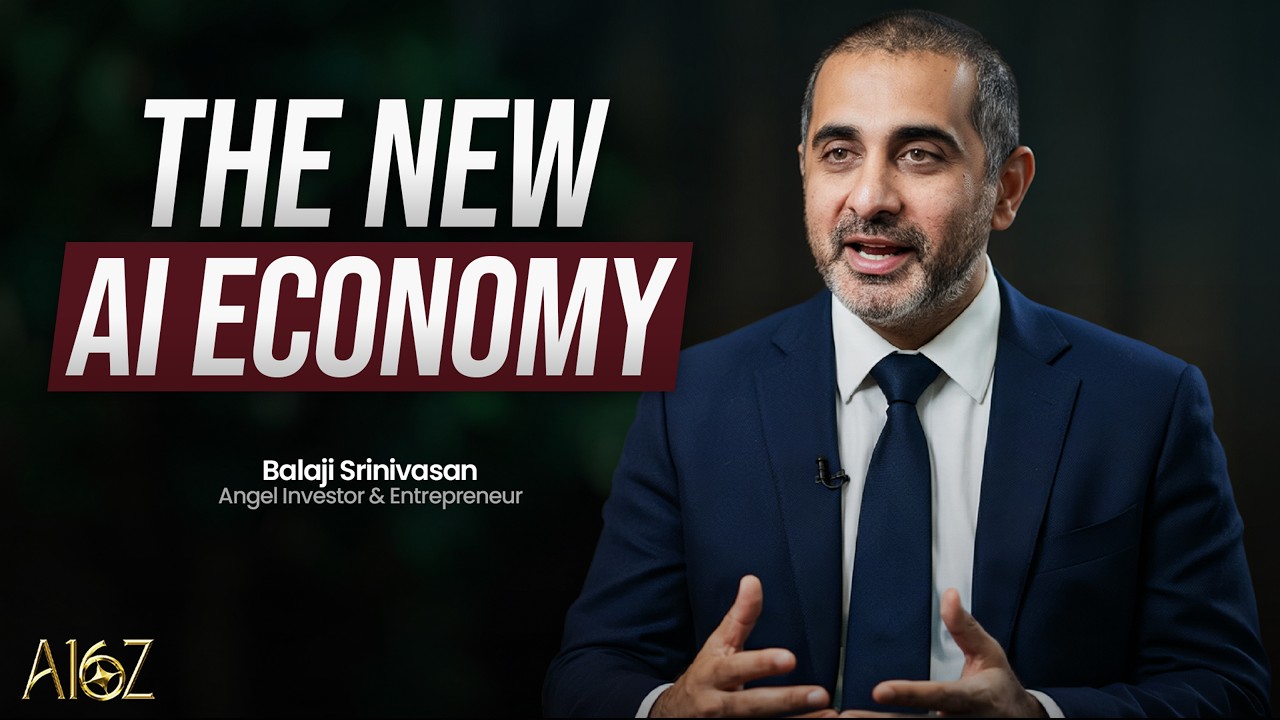
Balaji Srinivasan discusses the paradoxical nature of AI, which lowers creation costs while simultaneously raising verification costs. He argues this tension pushes society toward a "trusted tribe" model, similar to the Chinese internet, where AI excels within high-trust groups but struggles between them. The conversation covers why physical tasks are easier to automate than digital ones, how AI makes everyone a CEO rather than obsolete, and why crypto, particularly Zcash, serves as a necessary counterbalance for inter-tribe transactions in an AI-driven world.

SpaceX IPO & AI data centers in space

SpaceX IPO & AI data centers in space

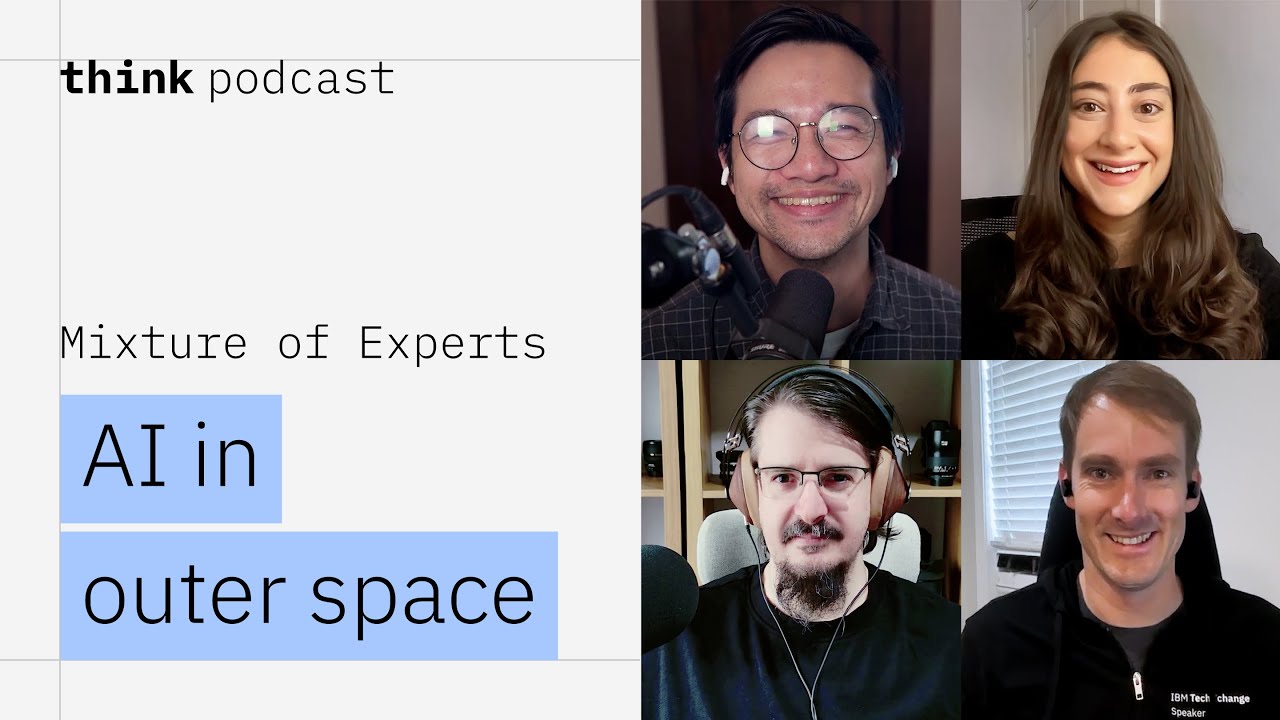
A discussion on the feasibility of AI data centers in space, the user backlash against Bluesky's AI assistant "Attie," and the fine line between using AI as a tool (cognitive offloading) and relinquishing thought (cognitive surrender).

Moonlake: Multimodal, Interactive, and Efficient World Models — with Fan-yun Sun and Chris Manning

Moonlake: Multimodal, Interactive, and Efficient World Models — with Fan-yun Sun and Chris Manning

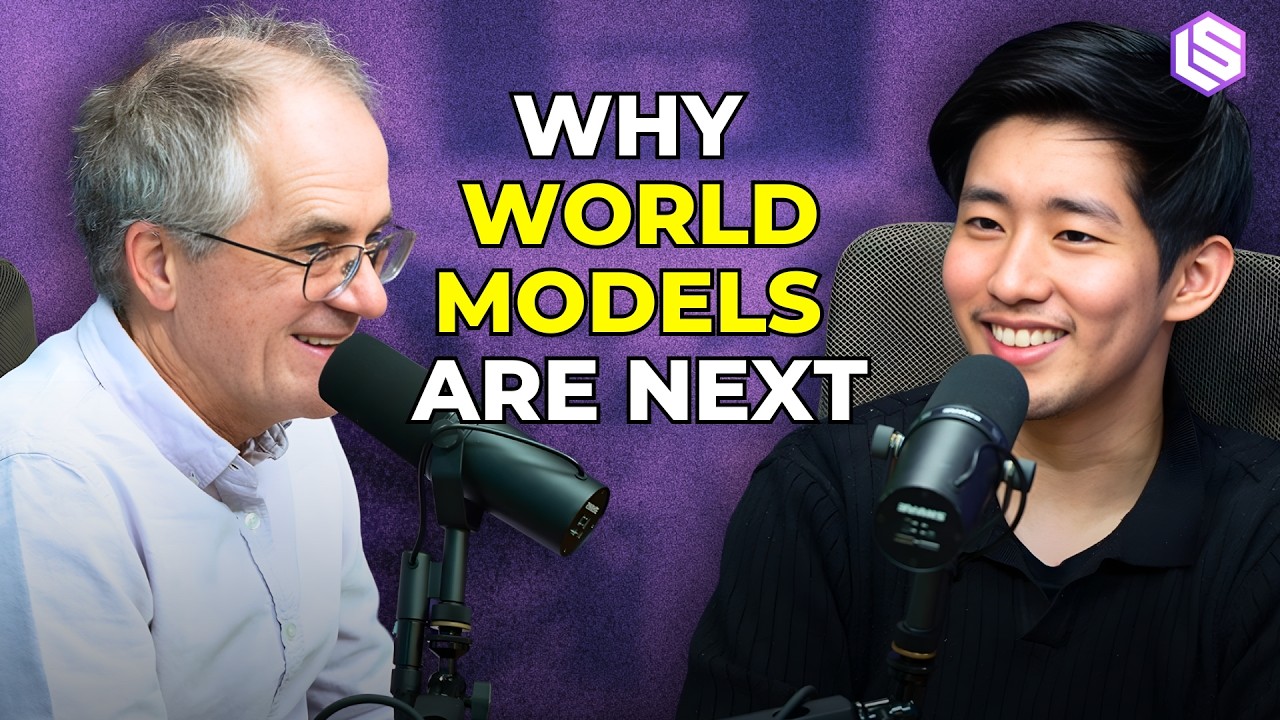
Moonlake AI presents a distinctive approach to world modeling, prioritizing interactive, action-conditioned environments built on symbolic representations and game engines over purely pixel-based generative models. This method focuses on causal reasoning, long-term consistency, and programmable rendering (via their 'Reverie' diffusion model) to create dynamic, multiplayer worlds, positioning itself as a platform for training embodied AI and revolutionizing game development.