Feature

Scaling and the Road to Human-Level AI | Anthropic Co-founder Jared Kaplan

Scaling and the Road to Human-Level AI | Anthropic Co-founder Jared Kaplan

Jared Kaplan, co-founder of Anthropic, explains how the discovery of predictable, physics-like scaling laws in AI training provides a clear roadmap for progress. He details the two main phases of model training (pre-training and RL), discusses how scaling compute predictably unlocks longer-horizon task capabilities, and outlines the remaining challenges—memory, nuanced oversight, and organizational knowledge—on the path to human-level AI.
Building a Smarter AI Agent with Neural RAG - Will Bryk, Exa.ai

Building a Smarter AI Agent with Neural RAG - Will Bryk, Exa.ai

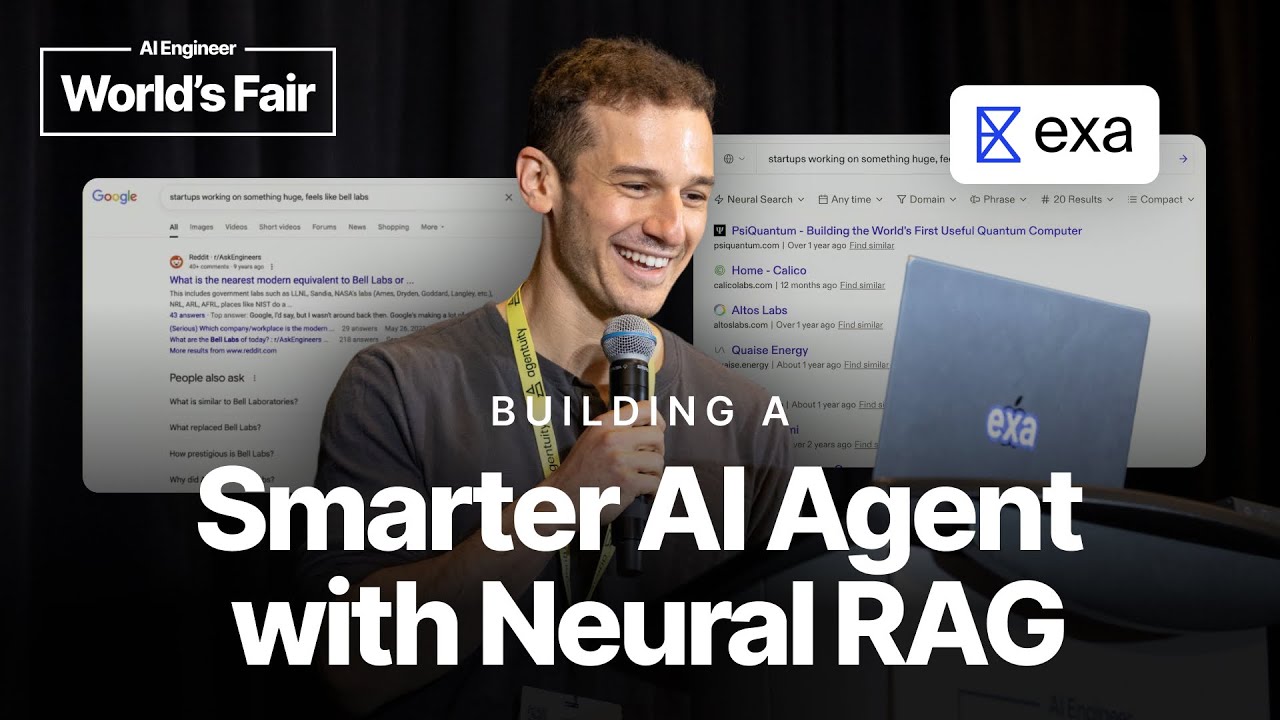
Will Bryk, CEO of Exa, explains why traditional keyword-based search is insufficient for AI agents and introduces a new paradigm of neural, semantic search. He demonstrates how a hybrid approach, combining neural for discovery and keyword for precision, enables AI agents to perform complex, multi-step information retrieval tasks that were previously impossible.

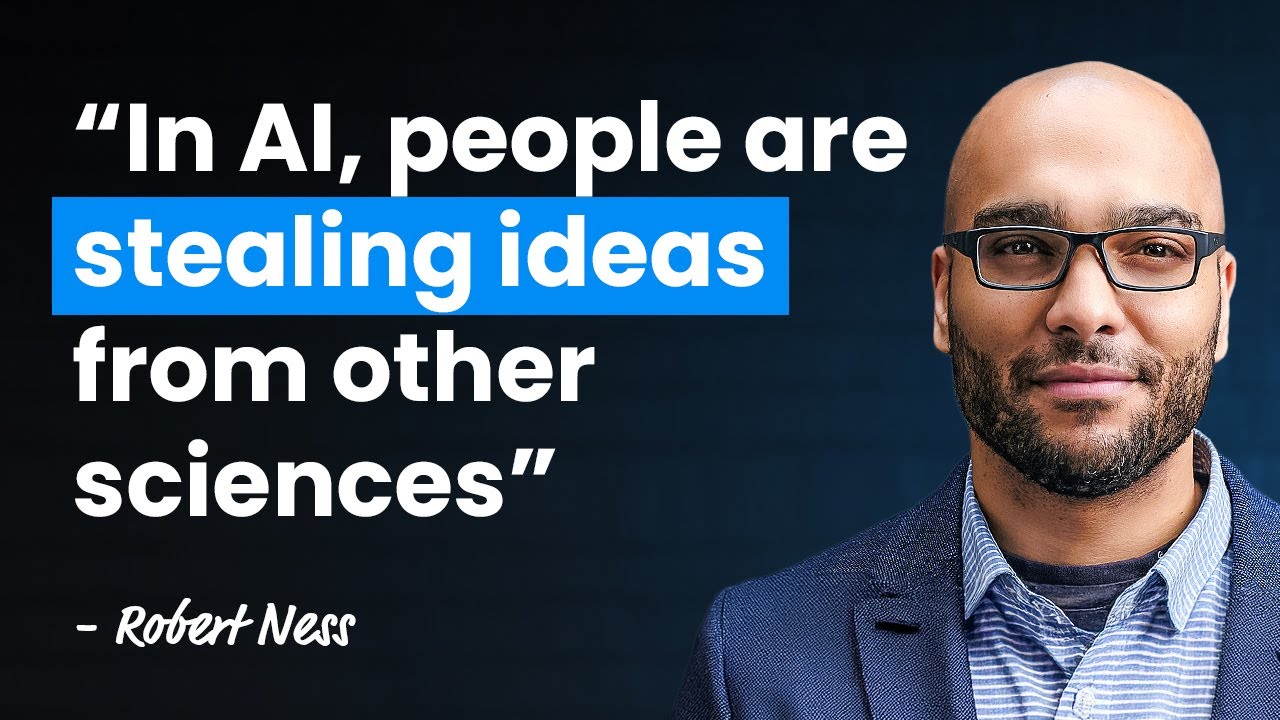
909: Causal AI — with Dr. Robert Usazuwa Ness

909: Causal AI — with Dr. Robert Usazuwa Ness

Researcher Robert Ness discusses the practical implementation of Causal AI, distinguishing it from correlation-based machine learning. He covers the essential role of assumptions about the data-generating process, key Python libraries like DoWhy and Pyro, the intersection with LLMs, and a step-by-step workflow for tackling causal problems.

Make some noise: Teaching the language of audio to an LLM using sound tokens

Make some noise: Teaching the language of audio to an LLM using sound tokens

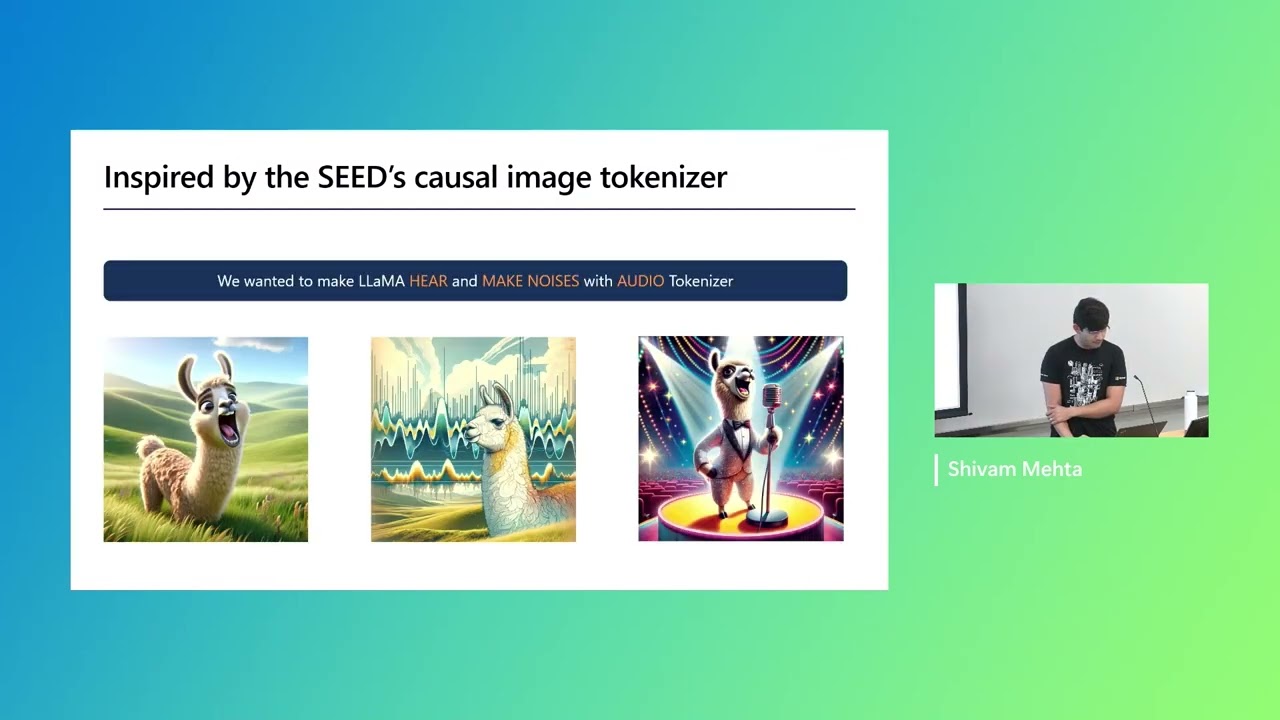
Shivam Mehta from KTH presents a method for teaching Large Language Models (LLMs) to understand and generate audio by treating it as a discrete language. The approach involves a two-step process: first, creating an ultra-low bitrate (0.293 kbps) audio representation using a causal variational autoencoder, and second, fine-tuning a Llama 7B model with these audio tokens using LoRA.

Building Better Language Models Through Global Understanding

Building Better Language Models Through Global Understanding

Dr. Mazi Fadai discusses the critical challenges in multilingual AI, including data imbalances and flawed evaluation methodologies. She argues that tackling these difficult multilingual problems is not only essential for global accessibility but also a catalyst for fundamental AI innovation, much like how machine translation research led to the Transformer architecture. The talk introduces new, more culturally aware evaluation benchmarks like Global MMLU and INCLUDE as a path toward building more robust and globally representative language models.

Balaji Srinivasan: How AI Will Change Politics, War, and Money

Balaji Srinivasan: How AI Will Change Politics, War, and Money

Technologist Balaji Srinivasan joins a16z's Erik Torenberg and Martin Casado to discuss the limitations and societal impact of AI, framing the conversation around the concept of "Polytheistic AGI"—multiple, culturally-specific AIs—versus a singular, god-like intelligence. They explore the practical system-level constraints on AI, its surprising evolution, the critical role of cryptography in grounding AI in reality, and the future of work and security in an AI-driven world.