Feature

The Next Medium: Why Real-Time Interactive Video Changes Everything — Ahmed Ahres, Reactor

The Next Medium: Why Real-Time Interactive Video Changes Everything — Ahmed Ahres, Reactor

Ahmed Ahres argues that real-time interaction fundamentally changes the medium, not just its speed, especially in generative AI. He defines "world models" as interactive, effectively infinite, and steerable video, drawing parallels with GPS and camera viewfinders. This paradigm shift unlocks new forms of control, intelligent advertising, programmable worlds for robotics and education, and advanced live avatars. He highlights the critical infrastructure challenges of streaming pixels, managing stateful sessions, and achieving global sub-100ms latency, emphasizing that batch infrastructure is unsuitable for real-time applications. Evaluation of consistency for these models remains an unsolved problem.

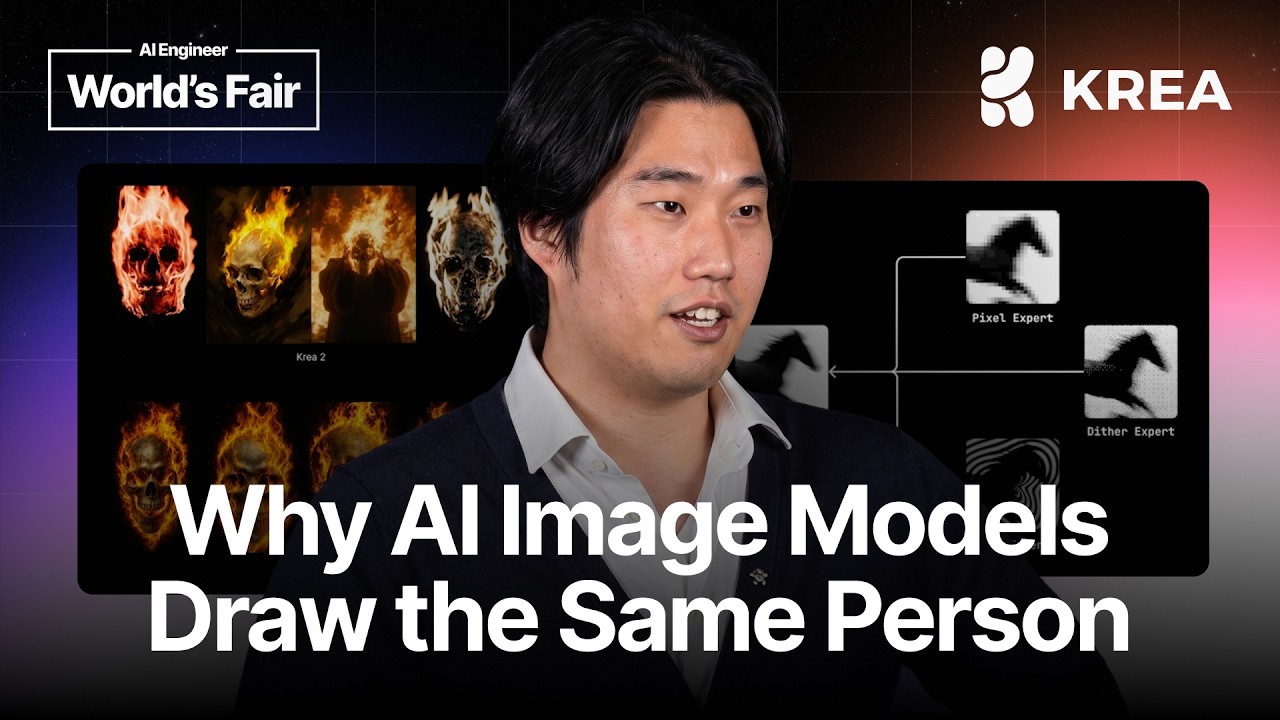
Infra behind Krea 2: How to train and serve at scale — Gabriel Jorge Menezes, Krea.ai

Infra behind Krea 2: How to train and serve at scale — Gabriel Jorge Menezes, Krea.ai

Krea's Gabriel Jorge Menezes shares critical insights into building the infrastructure for large-scale ML model training and serving. Key takeaways include the necessity of custom metrics beyond standard GPU utilization, aggressive checkpointing on ultra-fast storage to counter frequent cluster crashes, and a dynamic Kubernetes-based system using gang scheduling, virtual-kubelet, and taints to seamlessly shift inference workloads to external providers when training consumes on-prem GPUs. The approach highlights practical solutions for silent failures, thermal management, and optimizing resource utilization in a unified production and training environment.

Training Krea 2: What matters in generative model training — Sangwu Lee, Krea.ai

Training Krea 2: What matters in generative model training — Sangwu Lee, Krea.ai

The talk by Sangwha Lee discusses Krea 2's open-source medium variant, emphasizing stylistic diversity and rapid iteration over the consistency-focused approach of larger models. A significant portion details their robust data curation pipeline, including unique methods for deduplication, filtering out AI-generated images, utilizing sparse autoencoders for unsupervised tagging, and ensuring world knowledge coverage. He outlines an LLM-inspired multi-stage training process, culminating in a prompt expander, and shares insights on fast iteration and future directions for image generation, highlighting the increasing integration of VLM advancements.

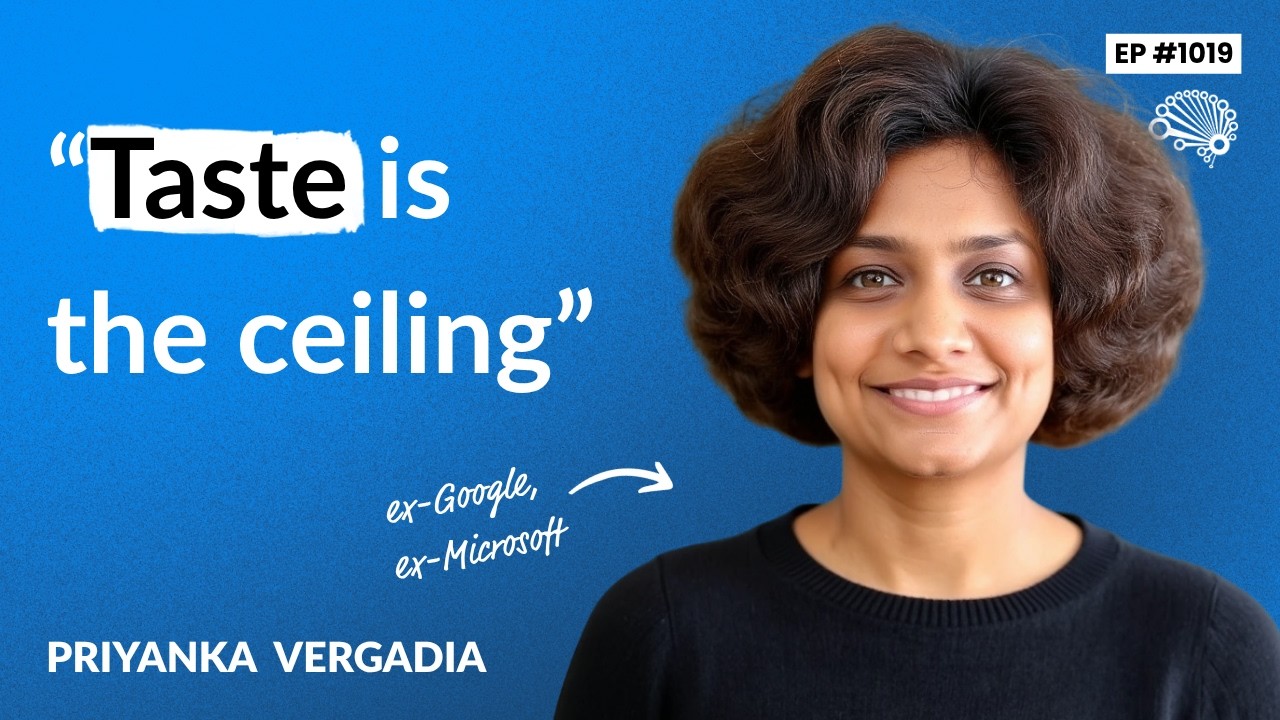
The Reason Your Claude Output Still Looks Like Slop (with Priyanka Vergadia)

The Reason Your Claude Output Still Looks Like Slop (with Priyanka Vergadia)

Priyanka Vergadia, The Cloud Girl, discusses why most companies see no ROI from AI tools, proposing a 7:1 budget split for training over tools. She explains how AI has made "taste" the new ceiling, detailing how to build effective Claude skills by breaking tasks into explicit subtasks with human-in-the-loop oversight. She introduces her 10-20-70 framework for AI budgets, emphasizing the long-term investment needed for employee skilling and community building. Priyanka also shares her transition to full-time entrepreneurship, focusing on product and career storytelling, and reveals her upcoming book on tech storytelling.

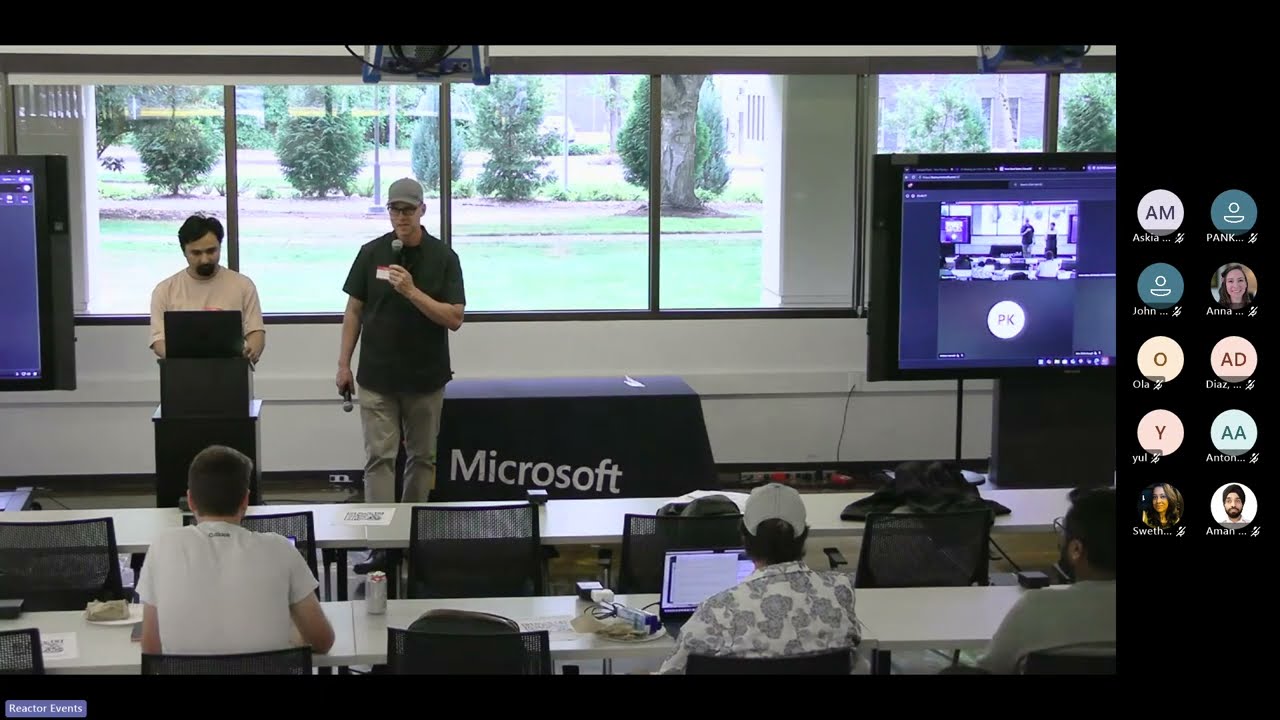
MCP Goes Stateless | ​John Dellenbaugh & Pankaj Kumar | MCP Release Party - Seattle

MCP Goes Stateless | ​John Dellenbaugh & Pankaj Kumar | MCP Release Party - Seattle

This session details the transformation of the MCP protocol to a stateless design, addressing previous scaling challenges by externalizing session state to a database and eliminating the need for sticky sessions and complex infrastructure. The presentation includes a live demo comparing stateful and stateless architectures, highlighting benefits in scalability and simplified deployment. It also covers considerations for security and data resiliency within this new paradigm.

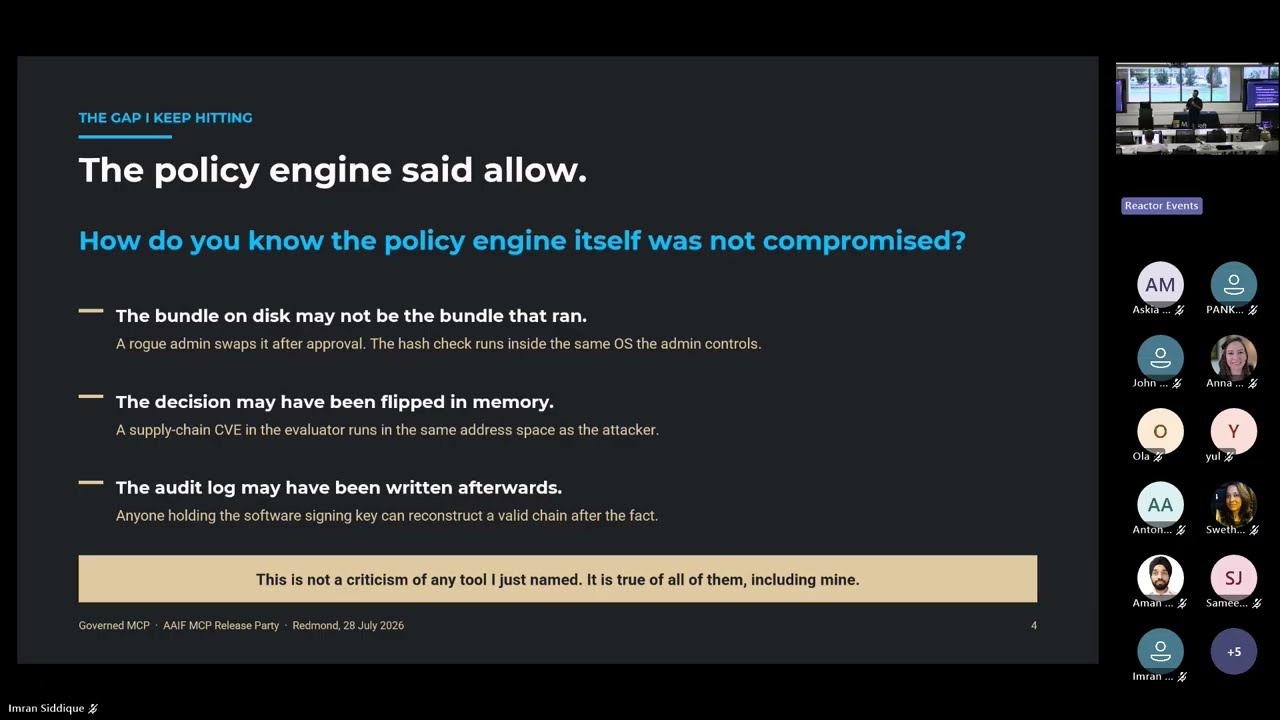
Policy Enforcement and Tamper-Evident Audit Chains | ​Imran Siddique | MCP Release Party - Seattle

Policy Enforcement and Tamper-Evident Audit Chains | ​Imran Siddique | MCP Release Party - Seattle

Imran Siddique introduces cMCP, an open-source gateway that enhances Modular Control Plane (MCP) servers with policy enforcement and tamper-evident audit trails. It achieves this by running Cedar policy evaluation within Trusted Execution Environments (TEEs), ensuring that agent actions are governed securely and verifiably. The talk delves into the concept of "beyond governance" towards verifiable AI, the 'trace' standard for auditable logging, and the importance of confidential computing for regulated industries.