Cybersecurity

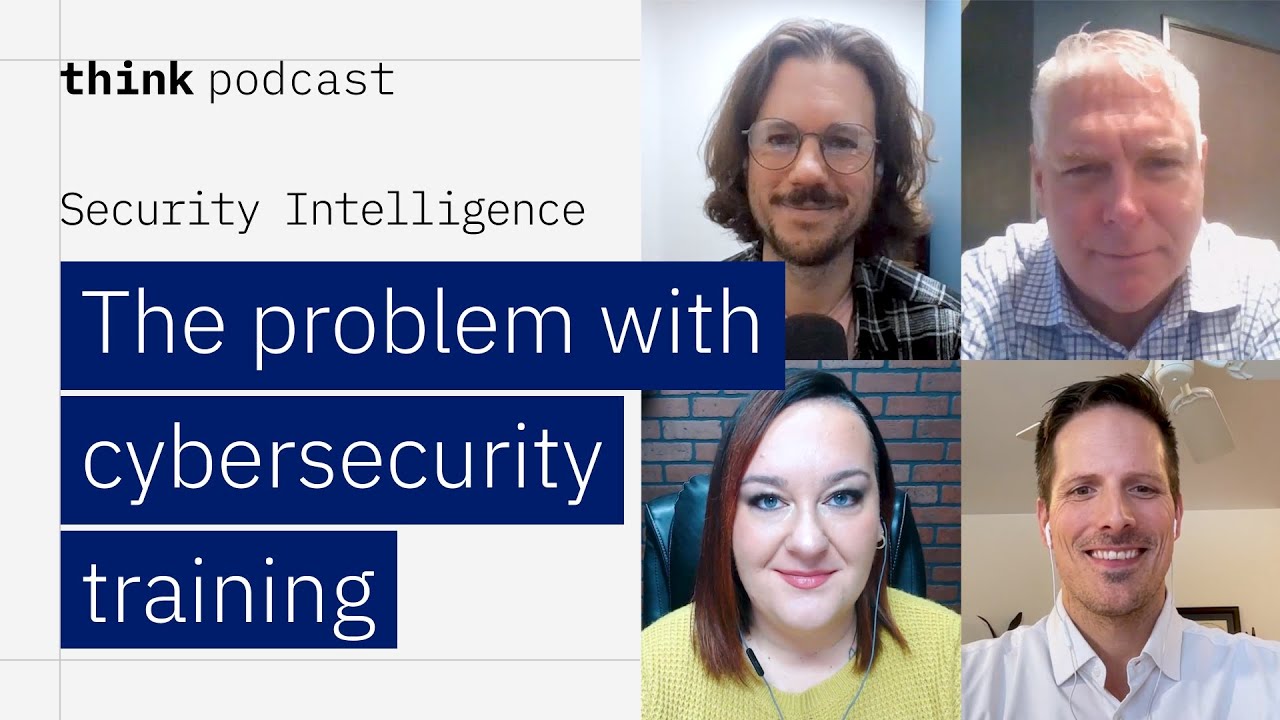
Part 2: Social engineering, malware, and the future of cybersecurity in AI

Part 2: Social engineering, malware, and the future of cybersecurity in AI

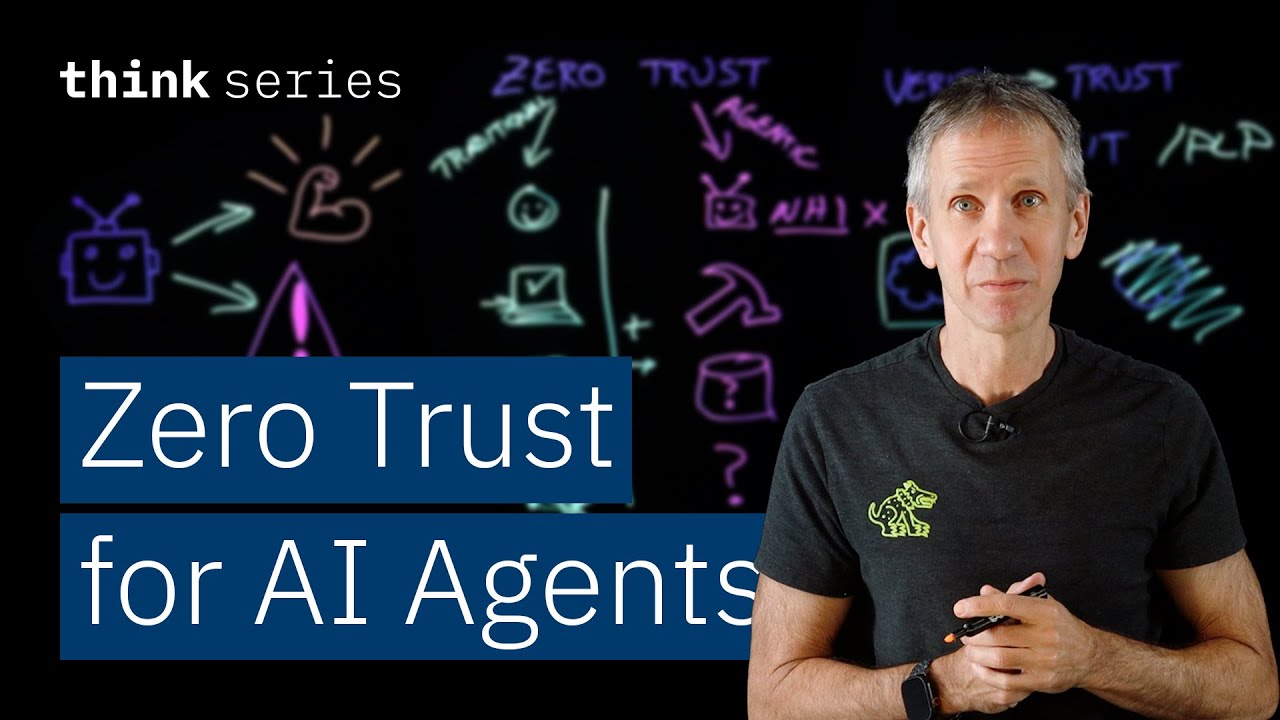
A deep dive into the human side of cybersecurity, exploring the motivations of bad actors, the evolution of social engineering in the age of AI, and the defensive strategies being developed. The discussion covers the move beyond passwords with passkeys and risk-based authentication, and confronts the complex security and privacy challenges introduced by autonomous agents.

Biometrics & Security: Privacy, Deepfakes, & Cyber Threats

Biometrics & Security: Privacy, Deepfakes, & Cyber Threats

An in-depth analysis of biometric authentication, exploring how the technology works, its applications in security, and the significant privacy risks involved. The summary covers biometric templates, threats like deepfakes, and mitigation strategies such as cancellable biometrics and multi-factor authentication.

Beyond phishing: Cyber threats in the age of AI with Four Flynn (pt. 1)

Beyond phishing: Cyber threats in the age of AI with Four Flynn (pt. 1)

VP of Security and Privacy at Google DeepMind, Four Flynn, discusses the landmark 'Operation Aurora' cyberattack, the 'defender's dilemma,' and how AI is now being used both to create novel threats and to build a new generation of defenses to find and automatically patch software vulnerabilities.

How to Become an Ethical Hacker: Skills, Certifications, & Advice

How to Become an Ethical Hacker: Skills, Certifications, & Advice

Cybersecurity experts Jeff Crume and Patrick Fussell outline the essential skills, mindset, certifications, and career paths for aspiring ethical hackers, offering practical advice for breaking into the field of penetration testing and red teaming.

No Priors Ep. 134 | With Palo Alto Networks CEO Nikesh Arora

No Priors Ep. 134 | With Palo Alto Networks CEO Nikesh Arora

Nikesh Arora, CEO of Palo Alto Networks, discusses the transformative impact of AI on search, enterprise business models, and cybersecurity. He explores the shift from search to agentic AI, the challenges and opportunities for enterprise adoption, and how AI is fundamentally compressing cyberattack timelines while enabling new, data-centric defense strategies.

Detecting Compromise of Passkey Storage on the Cloud

Detecting Compromise of Passkey Storage on the Cloud

Mazharul Islam from the University of Wisconsin—Madison introduces CASPER, a novel deception-based framework designed to detect the misuse of passkeys stolen from cloud storage providers. CASPER uses a system of decoy secrets and passkeys to enable relying parties (websites) to identify and flag unauthorized login attempts, effectively balancing security, usability, and deployability without disrupting the user experience.