Context engineering

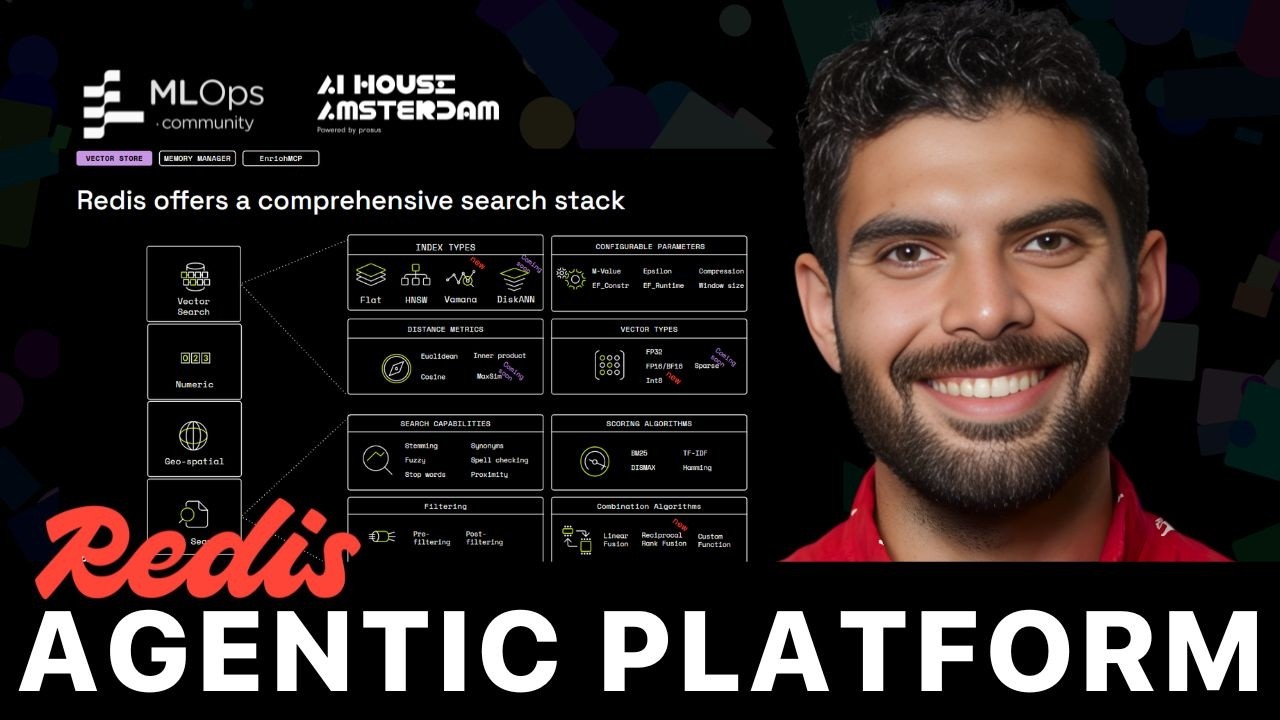
Context Engineering 2.0: MCP, Agentic RAG & Memory // Simba Khadder

Context Engineering 2.0: MCP, Agentic RAG & Memory // Simba Khadder

Simba Khadder of Redis introduces Context Engineering 2.0, a new paradigm for AI agents that unifies structured data, unstructured data (RAG), and memory into a single, schema-driven surface. He critiques current methods like Text-to-SQL and direct API wrapping, proposing a unified context engine to provide reliable, observable, and performant data access for agents.
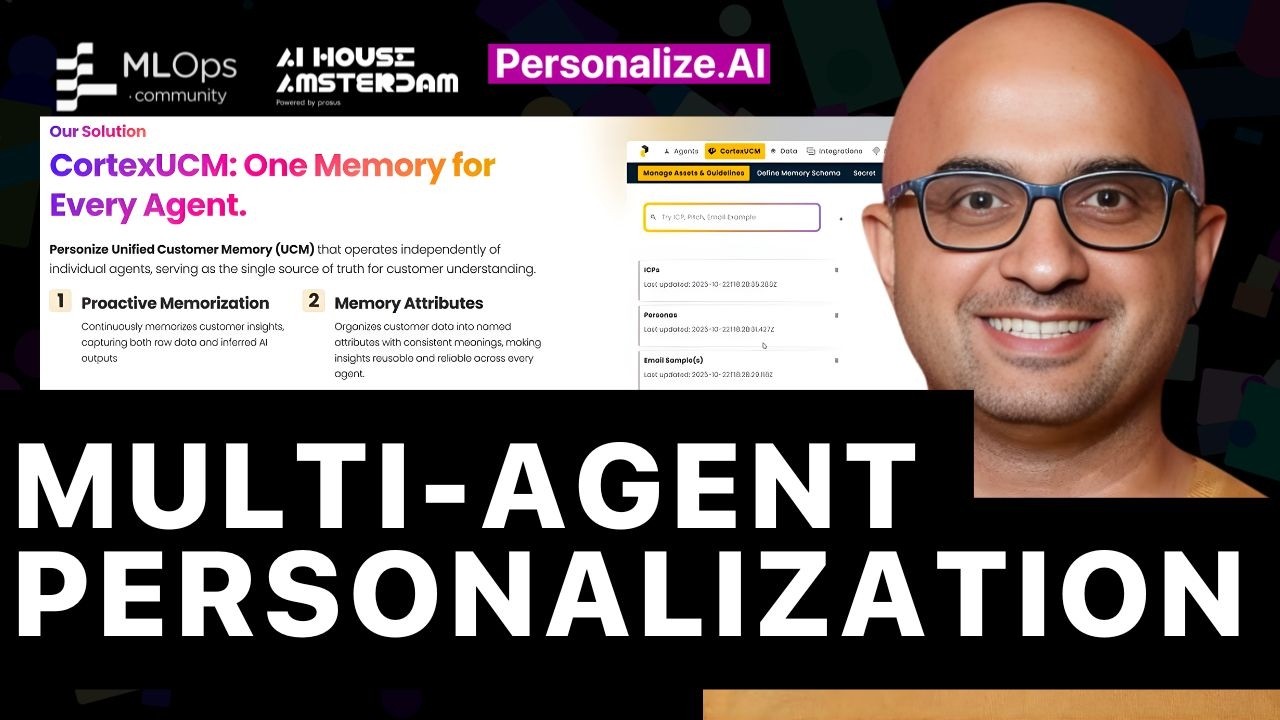
Multi-Agent Personalization with Shared Memory: From Email to Website to Proposal // Hamed Taheri

Multi-Agent Personalization with Shared Memory: From Email to Website to Proposal // Hamed Taheri

This talk explores the challenges of using multi-agent systems for mass personalization, highlighting the inconsistencies and inaccuracies that arise from traditional methods like RAG and function calling. The speaker introduces Cortex UCM, a unified customer memory system that proactively infers and standardizes customer insights. This shared, structured memory layer enables agents to achieve a deep, consistent understanding of customers, leading to high-quality, scalable generative personalization for emails, websites, and product pages.

Context Engineering Our Way to Long-Horizon Agents: LangChain’s Harrison Chase

Context Engineering Our Way to Long-Horizon Agents: LangChain’s Harrison Chase

Harrison Chase, co-founder of LangChain, explains the evolution of AI agents from early, rigid scaffolding to modern, flexible "harnesses." He argues that "context engineering"—managing what an LLM sees—is the key to building effective long-horizon agents. Chase also explores how agent development differs from traditional software, highlighting the critical role of traces as the new source of truth and memory systems that enable agents to improve themselves over time.

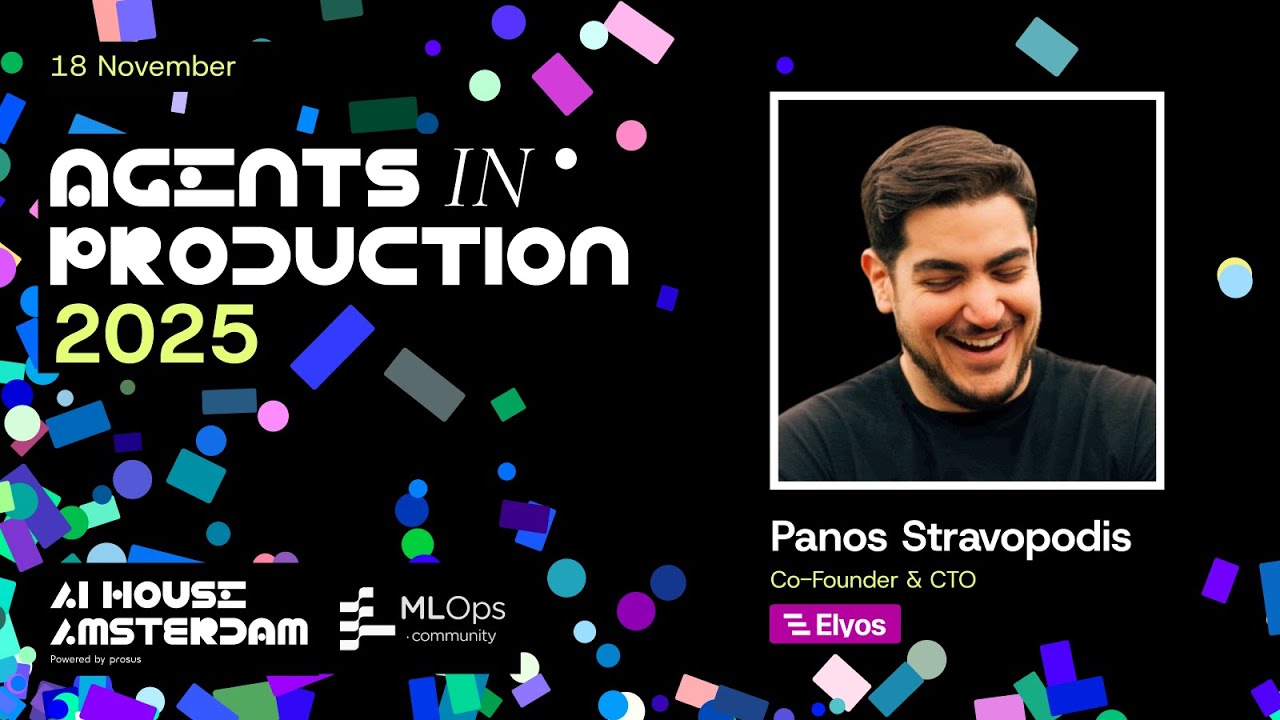
Real-Time Voice Agents in Production

Real-Time Voice Agents in Production

Panos Stravopodis, CTO of Elyos AI, shares the infrastructure and orchestration challenges of building production-ready voice AI agents. He details the four pillars for success—latency, consistency, context, and recovery—and provides engineering patterns for error handling, context management, and achieving conversational coherence in real-time systems.

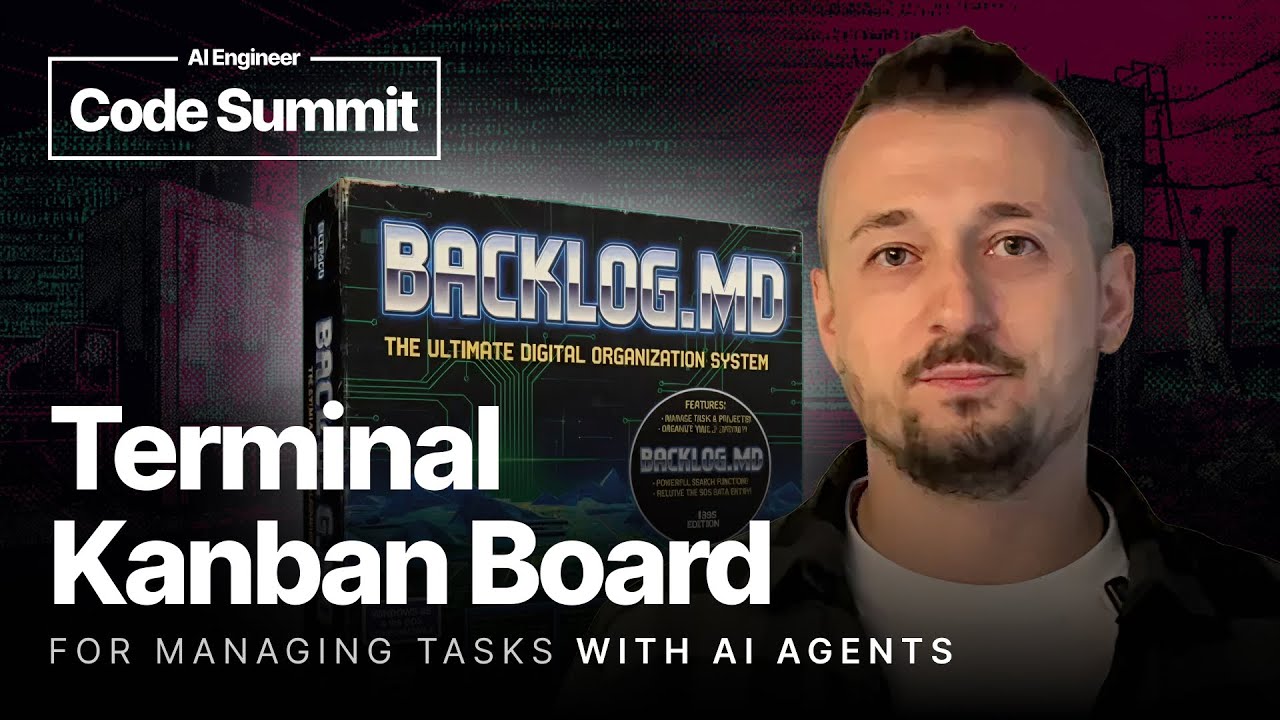
Backlog.md: Terminal Kanban Board for Managing Tasks with AI Agents — Alex Gavrilescu, Funstage

Backlog.md: Terminal Kanban Board for Managing Tasks with AI Agents — Alex Gavrilescu, Funstage

Alex Gavrilescu introduces Backlog.md, a Git-based project management tool designed to structure AI-driven development. By breaking down features into Markdown tasks and using a multi-step review process, it helps prevent AI agents from running out of context or deviating from requirements, enabling a more predictable and efficient workflow.

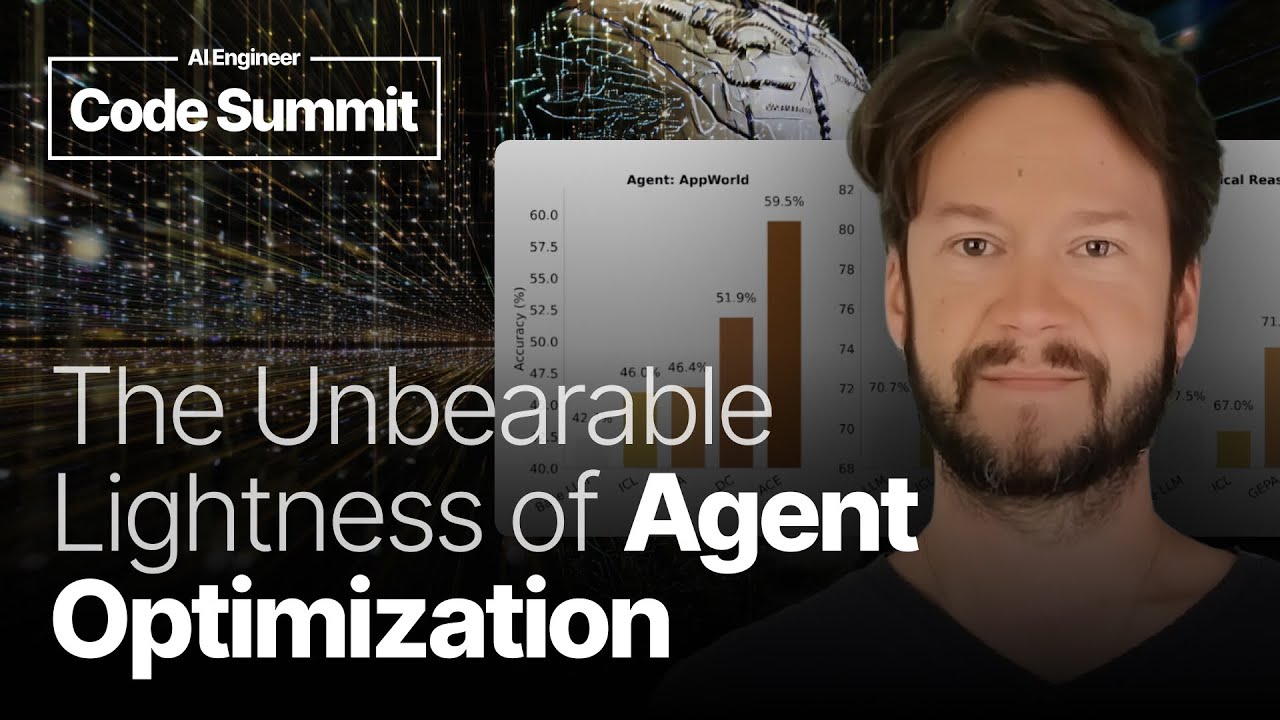
The Unbearable Lightness of Agent Optimization — Alberto Romero, Jointly

The Unbearable Lightness of Agent Optimization — Alberto Romero, Jointly

This talk introduces Meta-ACE, a learned meta-optimization framework that dynamically orchestrates multiple strategies (context evolution, adaptive compute, hierarchical verification, and more) to maximize AI agent performance. The framework profiles each task to select an optimal strategy bundle, overcoming the single-dimension limitations of previous methods.