Autonomous vehicles

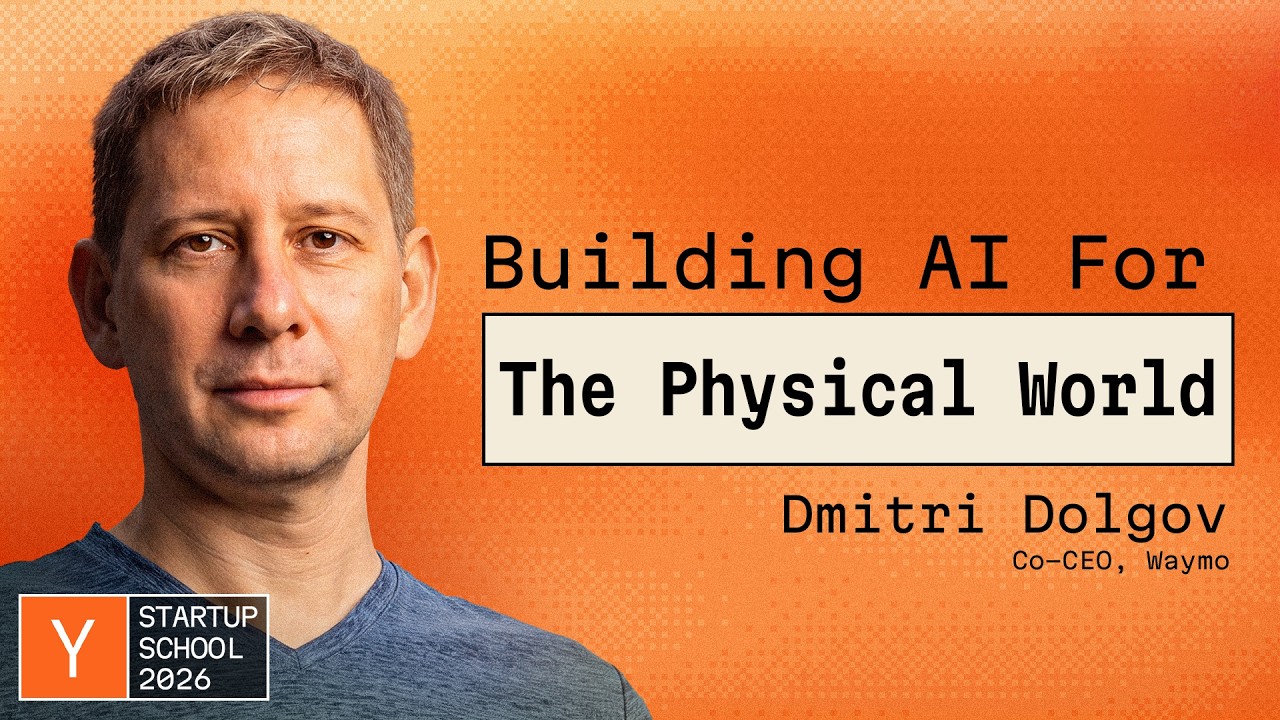
Waymo's Dmitri Dolgov: 20 Million Rides and the Road to Full Autonomy

Waymo's Dmitri Dolgov: 20 Million Rides and the Road to Full Autonomy

Dmitri Dolgov, co-CEO of Waymo, discusses the 20-year journey from the DARPA challenge to full autonomy. He explains the Waymo Foundation Model—a multimodal world action model powering the driver, simulator, and critic—and how their "end-to-end plus" architecture enables superhuman safety and exponential scaling.

The $15B Physical AI Company: Simulation, Autonomy OS, Neural Sim, & 1K Engineers—Applied Intuition

The $15B Physical AI Company: Simulation, Autonomy OS, Neural Sim, & 1K Engineers—Applied Intuition

Qasar Younis and Peter Ludwig, founders of Applied Intuition, discuss the shift from autonomy tooling to a comprehensive physical AI platform. They explain why physical AI is more than just LLMs on wheels, highlighting the critical bottleneck of deploying models onto constrained hardware. The conversation covers their three-pillar tech stack—simulation, operating systems, and AI models—and makes the case for an 'Android for every moving machine' to solve the fragmentation in safety-critical systems like cars, trucks, and robots.

The most successful AI company you’ve never heard of | Qasar Younis

The most successful AI company you’ve never heard of | Qasar Younis

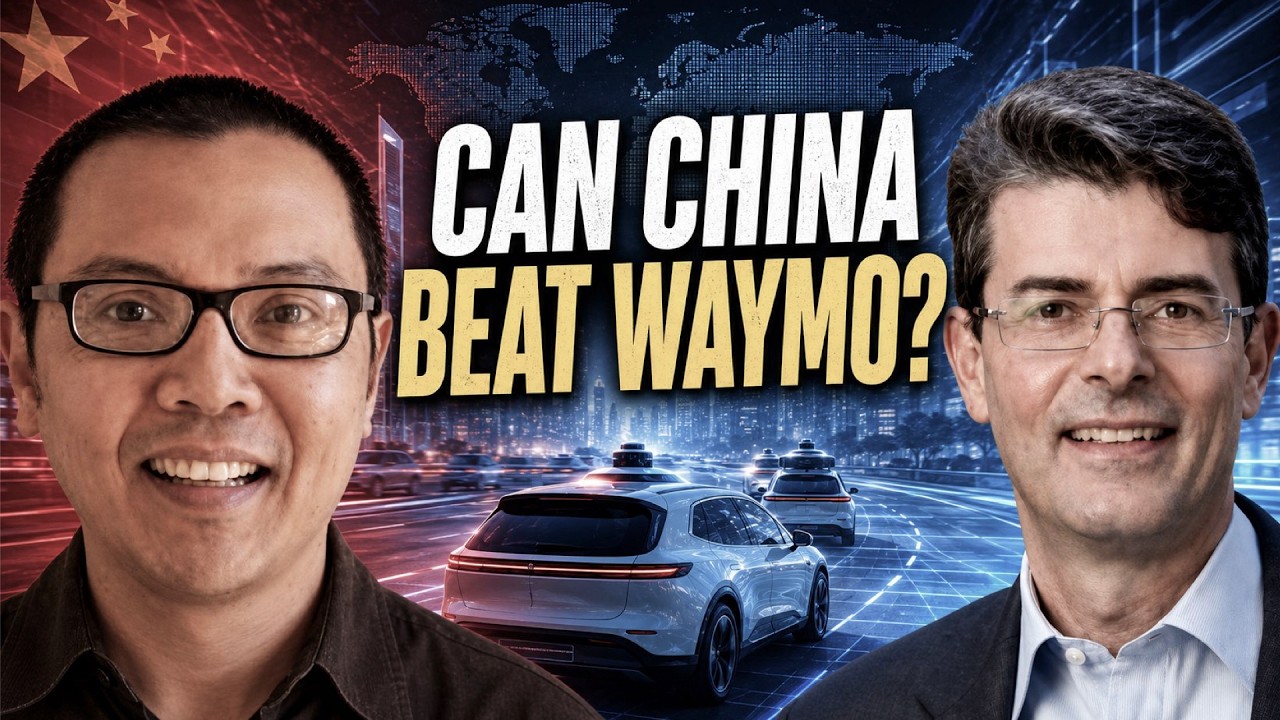
Qasar Younis, CEO of Applied Intuition, discusses the future of AI, arguing its most significant near-term impact will be in physical industries like farming, mining, and construction. He shares his philosophy on building a company quietly, the importance of early traction, and the core values that drive Applied Intuition, while also offering a nuanced perspective on China's AI capabilities and how to develop leadership taste.

Rivian’s Roadmap to AI Architecture and Autonomy with Founder and CEO RJ Scaringe

Rivian’s Roadmap to AI Architecture and Autonomy with Founder and CEO RJ Scaringe

Rivian CEO RJ Scaringe discusses the company's complete pivot from a rules-based '1.0' autonomy system to a vertically integrated, neural network-based architecture. He outlines the essential ingredients for success in autonomous driving—from custom inference chips to a robust data flywheel—and explains why a software-defined vehicle architecture is non-negotiable for survival. Scaringe also touches on the upcoming R2 model, the importance of market choice, and how superior, proprietary data will be the key differentiator in the age of AI-driven vehicles.

The Economics of Robotaxis: Are We There Yet?

The Economics of Robotaxis: Are We There Yet?

A discussion on the evolving economics of autonomous vehicles, driven by end-to-end AI, and the growing local opposition to AI data centers due to concerns over resources like water, electricity, and noise.

Humanoid Robots: Hype vs. Reality

Humanoid Robots: Hype vs. Reality

A deep dive into the key takeaways from CES 2026, covering the surge in humanoid robotics and the evolution of software-defined vehicles, followed by a nuanced analysis of the shifting US-China export controls on advanced AI chips.