Alpha fold

Faster Science, Better Drugs

Faster Science, Better Drugs

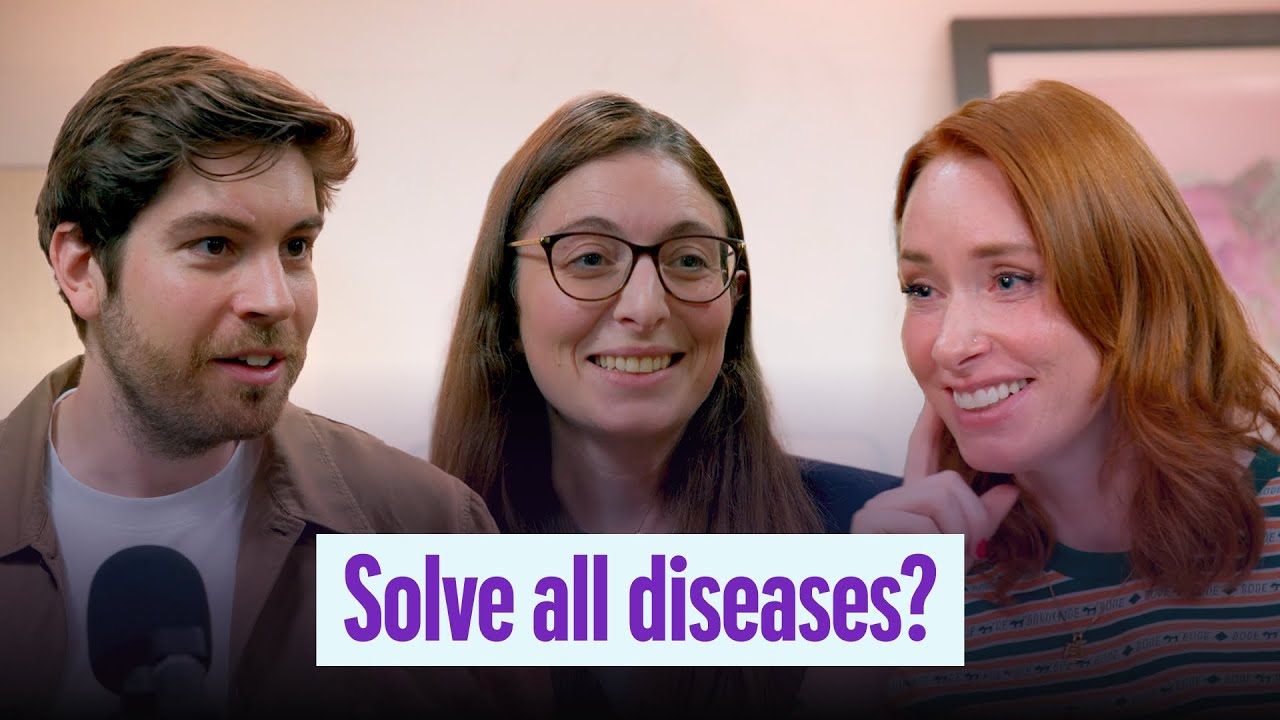
Erik Torenberg, Patrick Hsu (Arc Institute), and Jorge Conde (a16z) discuss Arc's moonshot to create 'virtual cells' using foundation models to simulate biology. They cover why science is slow, how AI can accelerate drug discovery by predicting cellular perturbations, and the remaining bottlenecks in clinical trials and capital intensity that the biotech industry faces.

AI is Revolutionizing Scientific Discovery Featuring Nobel Laureate John Jumper

AI is Revolutionizing Scientific Discovery Featuring Nobel Laureate John Jumper

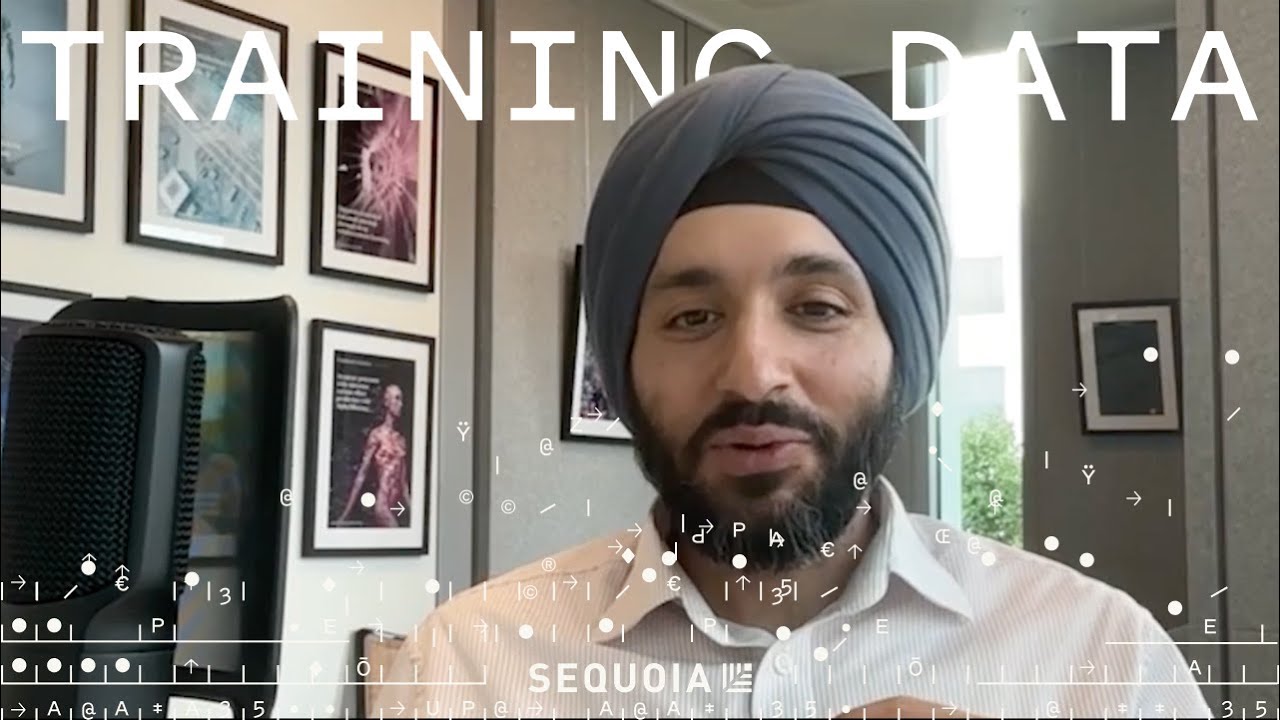
John Jumper, one of the creators of AlphaFold, discusses the journey of developing an AI system to solve the protein folding problem. He emphasizes that the breakthrough was driven more by novel research and a combination of "mid-scale ideas" than by raw data or compute scale alone. The talk covers the importance of blind-assessment benchmarks like CASP, the strategy of releasing a massive, accessible database to drive adoption and trust, and the unexpected ways the scientific community used the tool. He concludes by framing AI for science as a powerful amplifier for experimentalists, accelerating discovery by generating high-quality, testable hypotheses.

DeepMind's Pushmeet Kohli on AI's Scientific Revolution

DeepMind's Pushmeet Kohli on AI's Scientific Revolution

Pushmeet Kohli, head of AI for Science at DeepMind, discusses AlphaEvolve, an AI system that uses Large Language Models (LLMs) coupled with evolutionary search to discover novel, human-interpretable algorithms. He explains the architecture, from its predecessor FunSearch to the multi-agent "Co-scientist" system, and details breakthroughs in solving decades-old math problems and optimizing real-world systems like data center scheduling and chip design.

A quest for a cure: AI drug design with Isomorphic Labs

A quest for a cure: AI drug design with Isomorphic Labs

Experts from Isomorphic Labs discuss how AI, particularly models like AlphaFold3, is revolutionizing drug discovery. They explain the shift from the slow, iterative process of traditional methods to a new era where generative AI can design novel molecules, optimize for multiple biological properties simultaneously, and pave the way for personalized medicine.