Posts

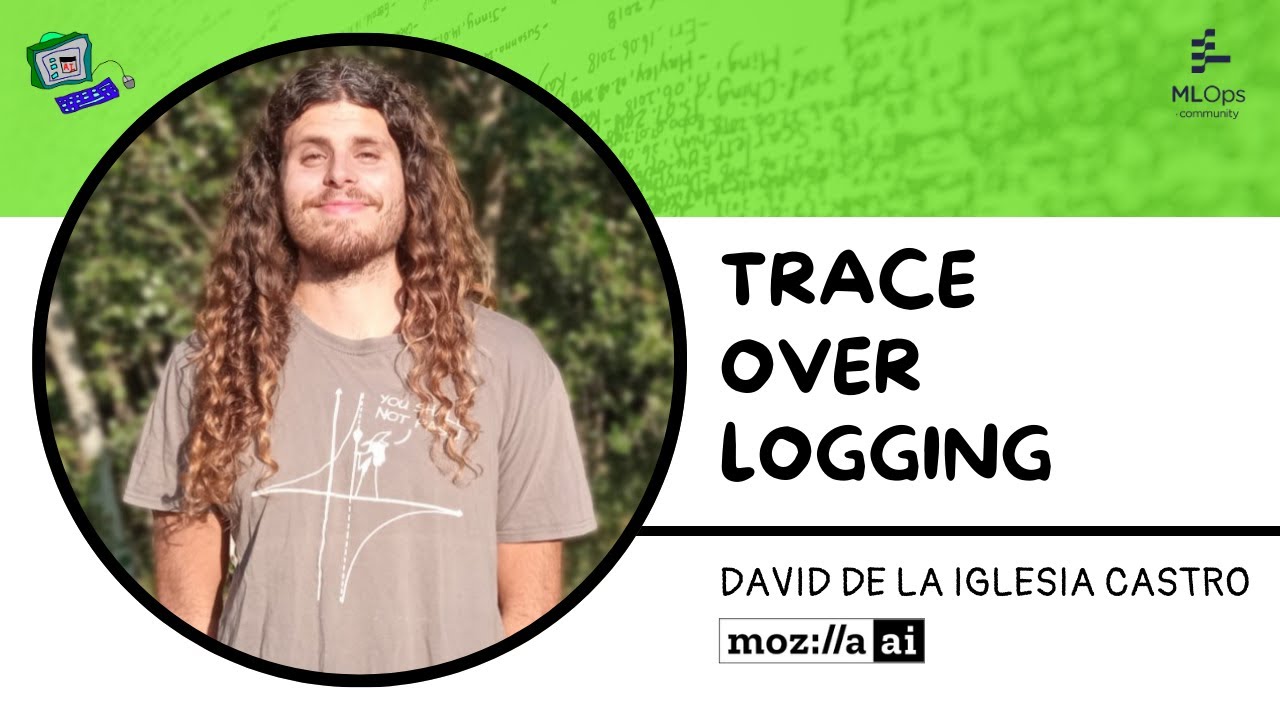
AI traces are worth a thousand logs

AI traces are worth a thousand logs

An exploration of how a single, structured trace, based on OpenTelemetry standards, offers a superior method for debugging, testing, and understanding AI agent behavior compared to traditional logging. Learn how programmatic access to traces enables robust evaluation and the creation of golden datasets for building more reliable autonomous systems.
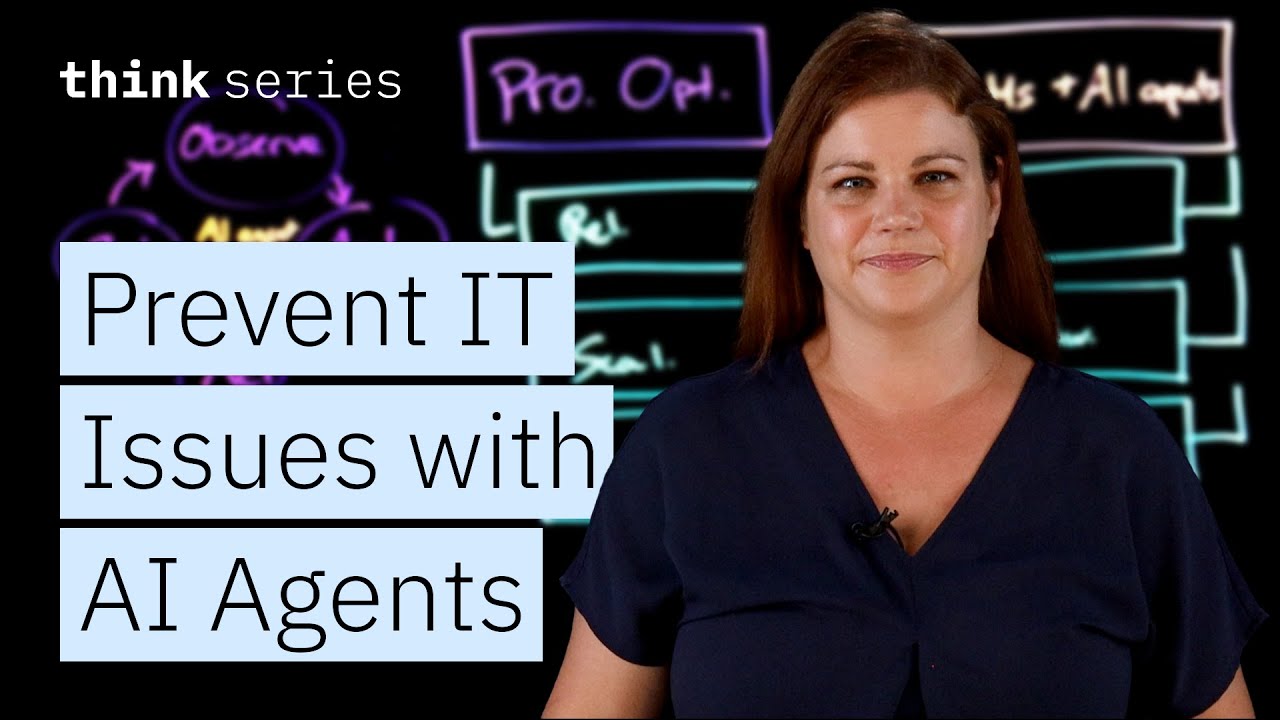
AI Agents & LLMs: Real-Time IT Issue Prediction & Prevention

AI Agents & LLMs: Real-Time IT Issue Prediction & Prevention

Amanda Downie explains the shift from reactive IT firefighting to proactive optimization, detailing how AI agents and LLMs use predictive analytics, topology mapping, and continuous learning loops to anticipate and prevent system issues before they occur.

Building the Universal AI Automation Layer ft n8n CEO Jan Oberhauser

Building the Universal AI Automation Layer ft n8n CEO Jan Oberhauser

Jan Oberhauser, founder of n8n, discusses the company's strategic pivot from a workflow tool to an AI automation platform. He explains how focusing on community, adopting a "connect everything to anything" philosophy, and enabling the creation of complex AI agents led to a 4x revenue increase in just eight months.

Sub-Population Identification of Multi-morbidity in Sub-Saharan African Populations

Sub-Population Identification of Multi-morbidity in Sub-Saharan African Populations

A discussion on refining patient questions for a study on diabetes, highlighting the contrast between simplified questions for scalable data collection and the complex, nuanced queries from long-term patients. The team explores how to test their AI-driven storytelling system with these specific, real-world scenarios to generate more grounded and relevant health narratives.

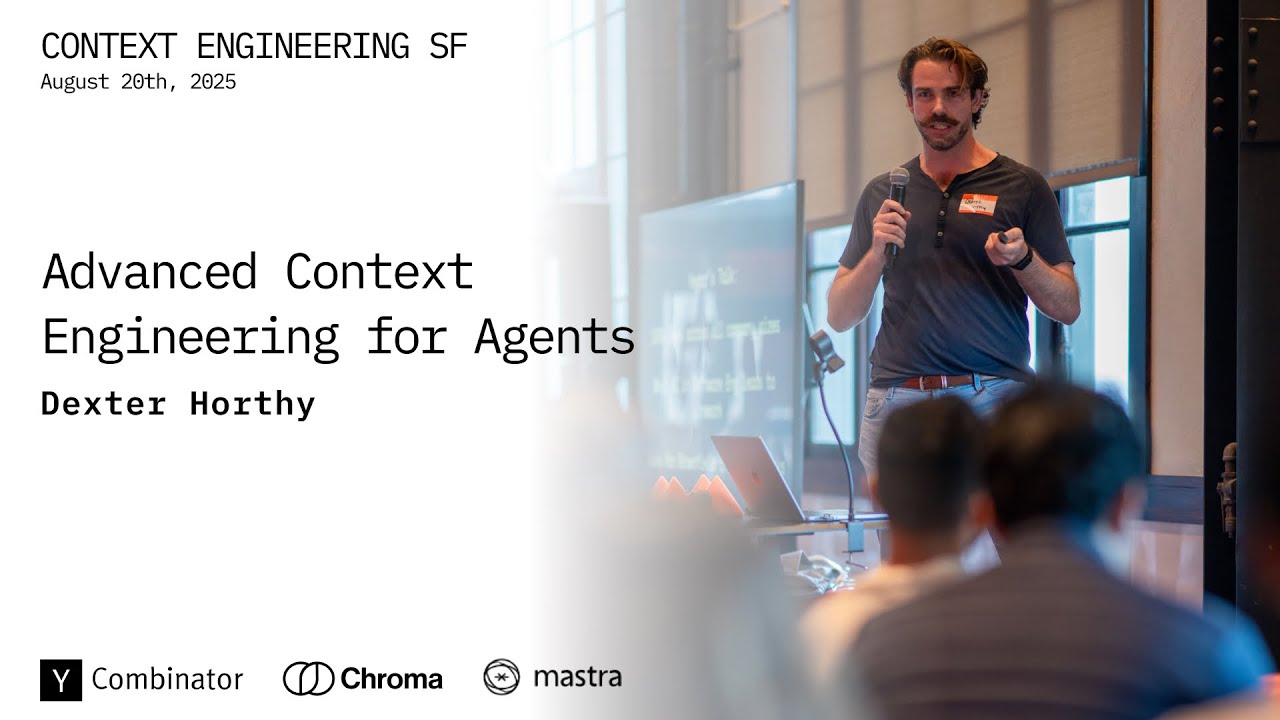
Advanced Context Engineering for Agents

Advanced Context Engineering for Agents

Dexter Horthy of Human Layer explains why naive AI coding agents fail in complex software projects and introduces 'Advanced Context Engineering.' He details a spec-first, three-phase workflow (Research, Plan, Implement) designed to manage context intentionally, keeping utilization below 40% to maximize model performance. This approach uses subagents and frequent compaction to turn AI from a prototyping tool into a production-ready system for large, brownfield codebases.

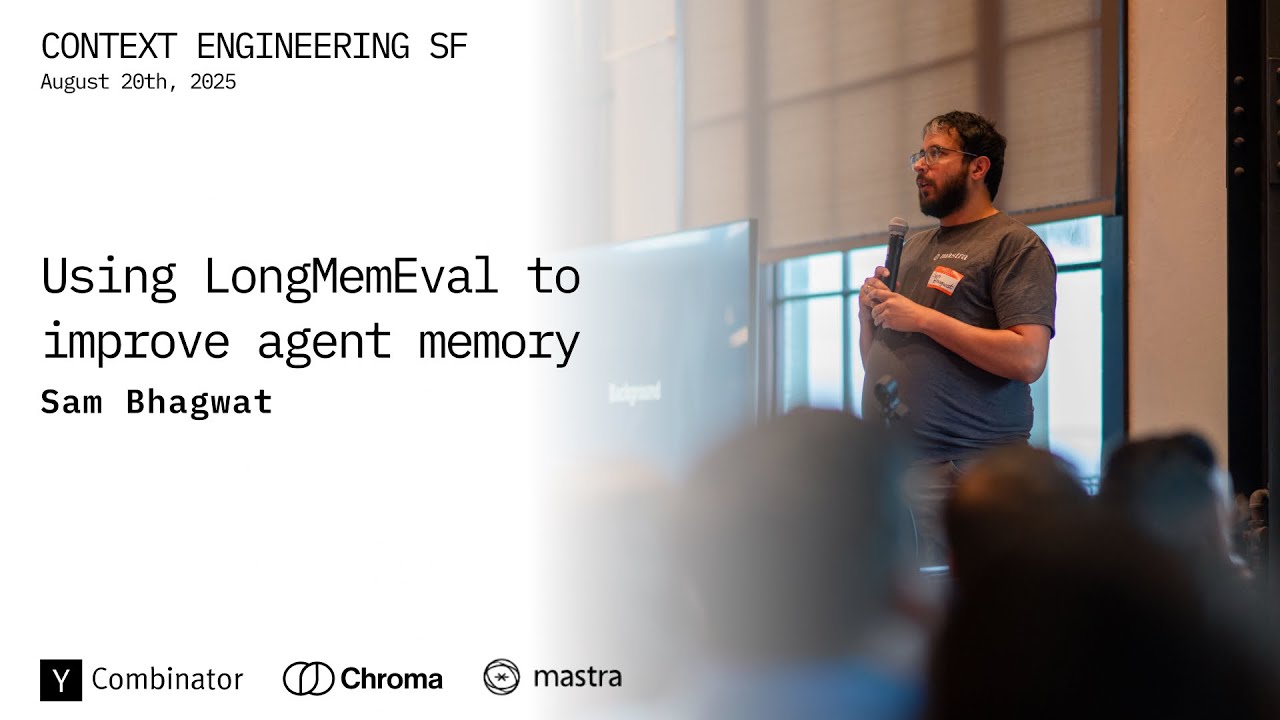
Using LongMemEval to Improve Agent Memory

Using LongMemEval to Improve Agent Memory

Sam Bhagwat of Mastra details their process for optimizing AI agent memory using the Long Mem Eval benchmark. He breaks down memory into subtasks like temporal reasoning and knowledge updates, and shares how targeted improvements—such as tailored templates, targeted data updates, and structured message formatting—led to state-of-the-art performance, emphasizing the importance of iterative evaluation.