Posts

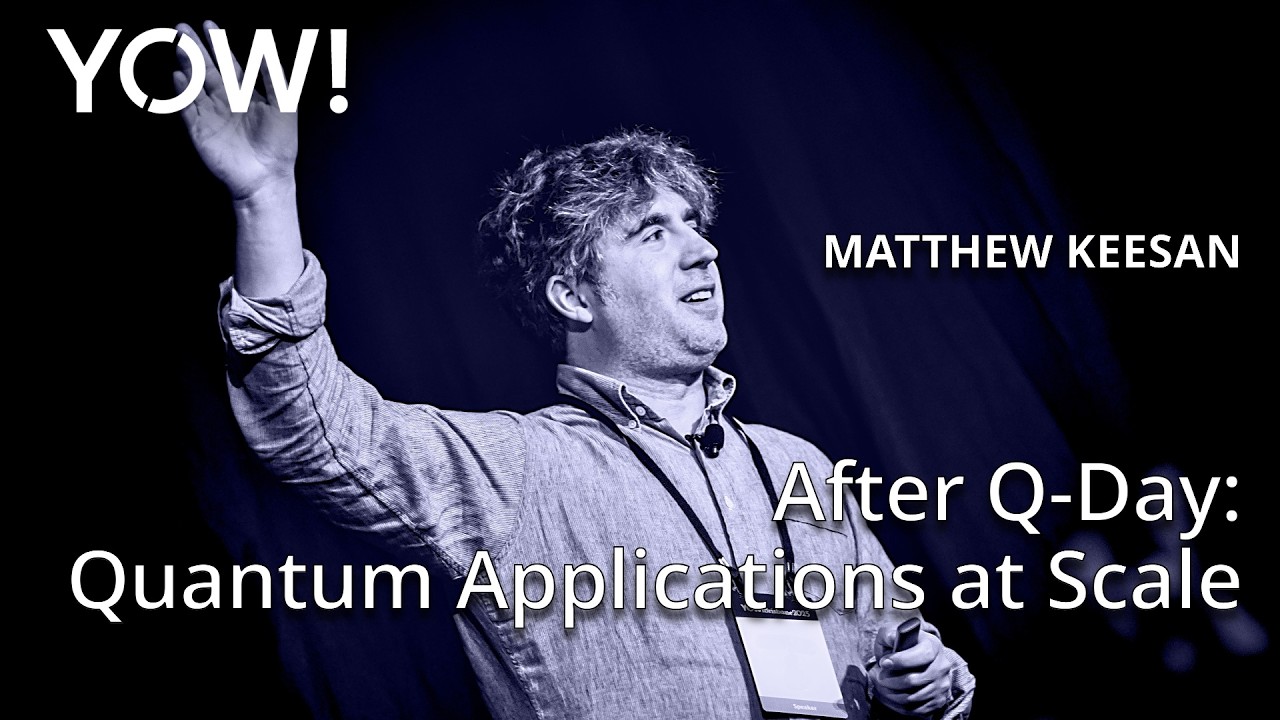
After Q-Day: Quantum Applications at Scale • Matthew Keesan • YOW! 2025

After Q-Day: Quantum Applications at Scale • Matthew Keesan • YOW! 2025

Matthew Keesan from IonQ discusses the imminent arrival of "Q-Day"—the moment quantum computers will break current public-key encryption. He explains the fundamentals of quantum computing, including superposition and entanglement, details the hardware roadmap that places this threat within the decade, and explores the promising applications of this new computing paradigm in AI, drug discovery, and materials science, issuing a call to action for software engineers to get involved.
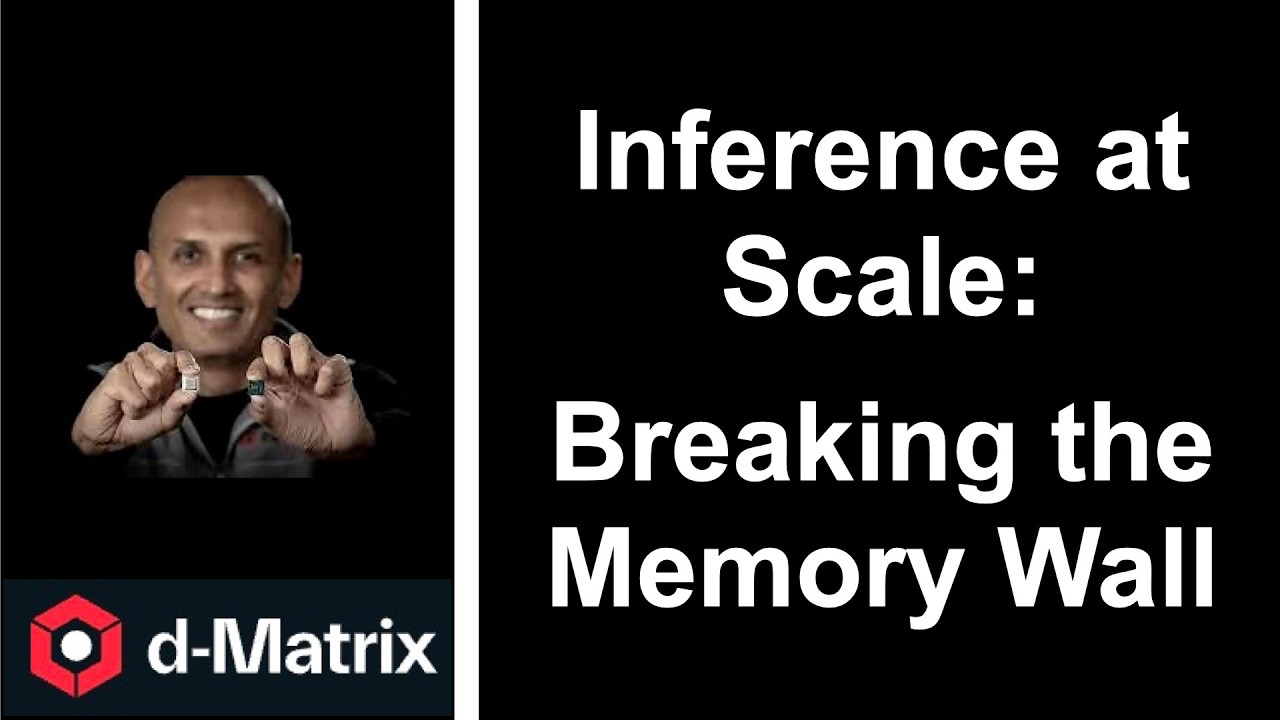

Inference at Scale:Breaking the Memory Wall

Inference at Scale:Breaking the Memory Wall

Sid Sheth, CEO of d-matrix, details their memory-centric approach to AI inference hardware, focusing on their Digital In-Memory Compute (DIMC) architecture. He explains how DIMC, an augmented SRAM technology, minimizes data movement to solve the memory bottleneck, delivering significant gains in latency and energy efficiency, particularly for the 'decode' phase of large language models.

Rivian’s Roadmap to AI Architecture and Autonomy with Founder and CEO RJ Scaringe

Rivian’s Roadmap to AI Architecture and Autonomy with Founder and CEO RJ Scaringe

Rivian CEO RJ Scaringe discusses the company's complete pivot from a rules-based '1.0' autonomy system to a vertically integrated, neural network-based architecture. He outlines the essential ingredients for success in autonomous driving—from custom inference chips to a robust data flywheel—and explains why a software-defined vehicle architecture is non-negotiable for survival. Scaringe also touches on the upcoming R2 model, the importance of market choice, and how superior, proprietary data will be the key differentiator in the age of AI-driven vehicles.

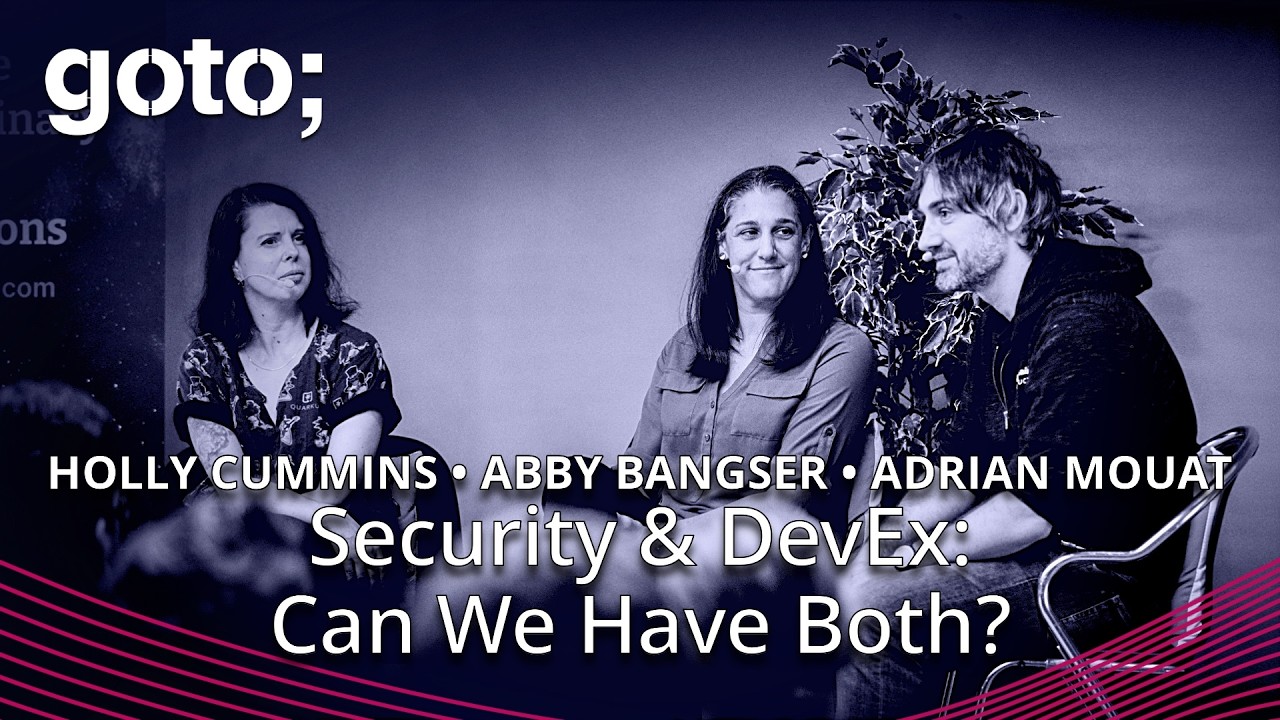
Security & DevEx: Can We Have Both? • Abby Bangser, Adrian Mouat & Holly Cummins • GOTO 2025

Security & DevEx: Can We Have Both? • Abby Bangser, Adrian Mouat & Holly Cummins • GOTO 2025

In this panel discussion, Holly Cummins, Abby Bangser, and Adrian Mouat explore the inherent conflict between security and developer experience. They argue that traditional security, often driven by fear and restrictive policies, can lead to 'Shadow IT' and greater insecurity. The solution proposed is a platform engineering approach, which centralizes security expertise to provide secure defaults, infrastructure guardrails, and a clear shared responsibility model, thus enabling development teams to deliver value quickly and safely without needing to become security experts themselves.

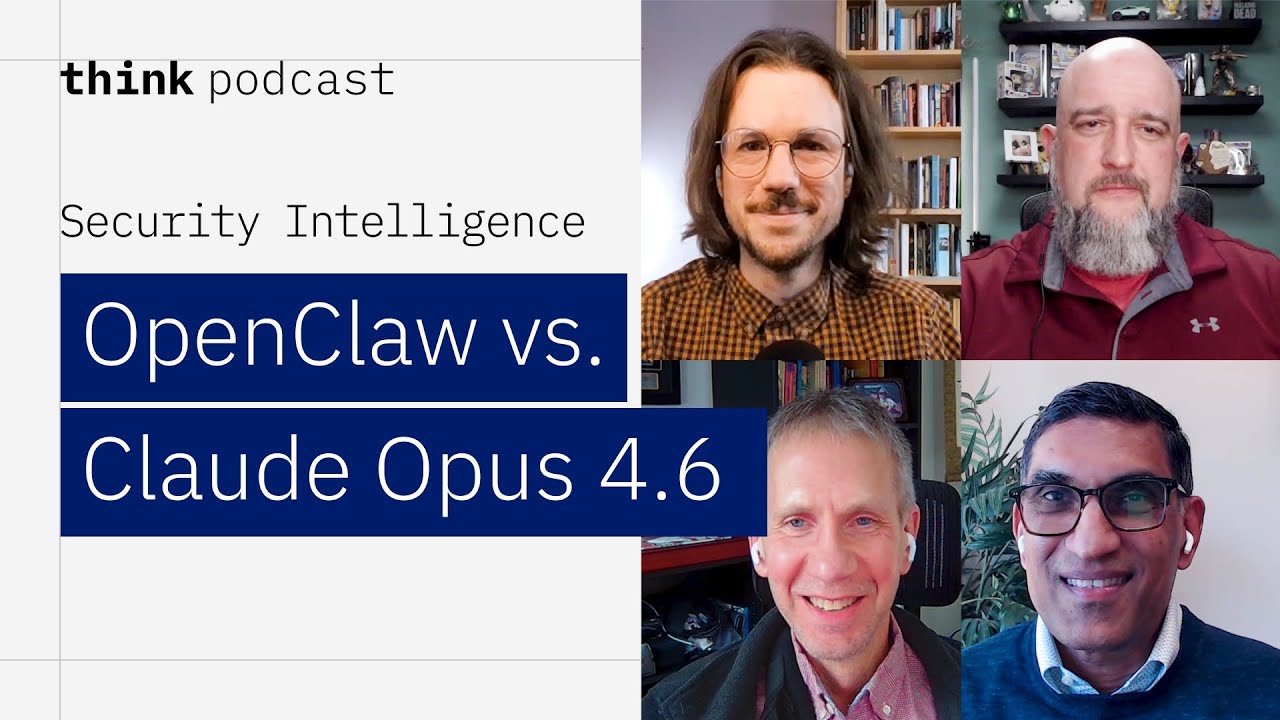
OpenClaw and Claude Opus 4.6: Where is AI agent security headed?

OpenClaw and Claude Opus 4.6: Where is AI agent security headed?

A panel of cybersecurity experts discusses the security risks of the rapid adoption of AI agents, the "move fast and break things" development culture, the lessons from the Notepad++ supply chain breach, and the professionalization of ransomware by groups like DragonForce.

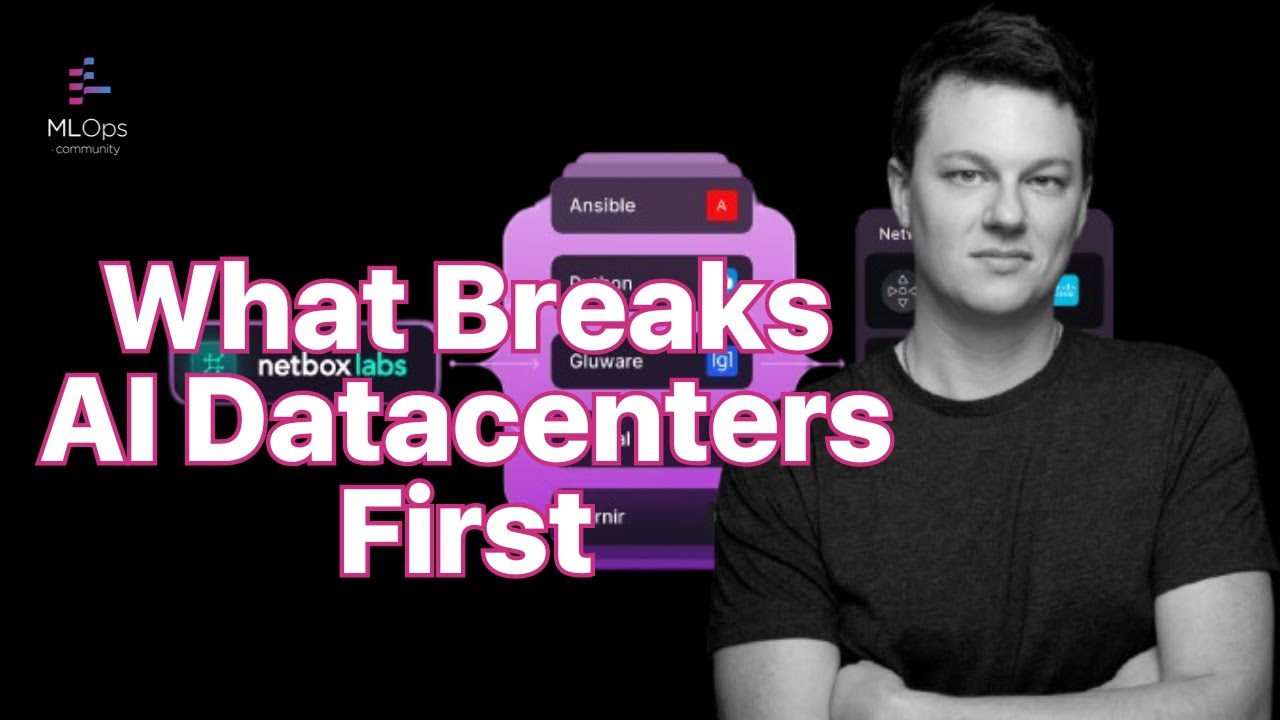
Speed and Scale: How Today's AI Datacenters Are Operating Through Hypergrowth

Speed and Scale: How Today's AI Datacenters Are Operating Through Hypergrowth

Kris Beevers, CEO of NetBox Labs, explores the hypergrowth in AI infrastructure, detailing how teams are compressing the design, build, and deployment cycle from years to months. The discussion covers the primary bottlenecks like power and logistics, the critical need for intent-driven automation, and the role of a standardized data model in managing the immense complexity from physical cabling to logical configuration.