Tokenless

Machine Learning

View All
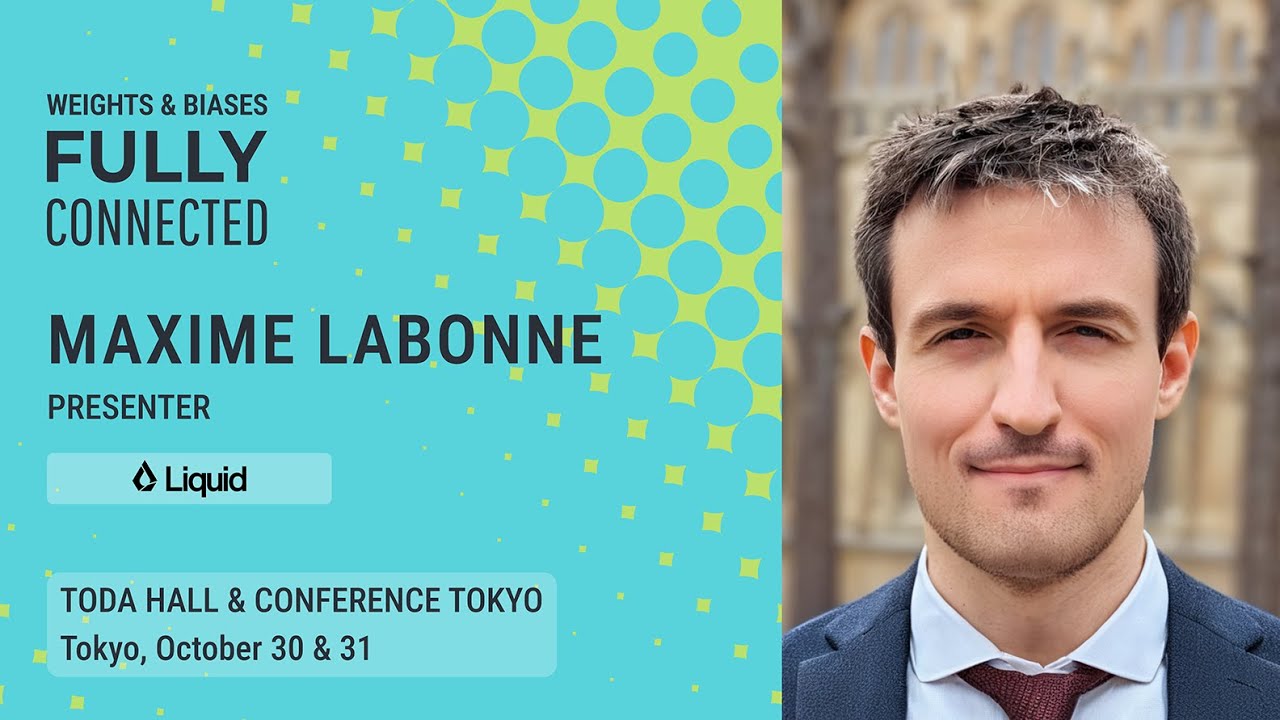
Post-training best-in-class models in 2025

Post-training best-in-class models in 2025

An expert overview of post-training techniques for language models, covering the entire workflow from data generation and curation to advanced algorithms like Supervised Fine-Tuning (SFT), Direct Preference Optimization (DPO), and Reinforcement Learning (RL), along with practical advice on evaluation and iteration.
Anaximander: Interactive Orchestration and Evaluation of Geospatial Foundation Models

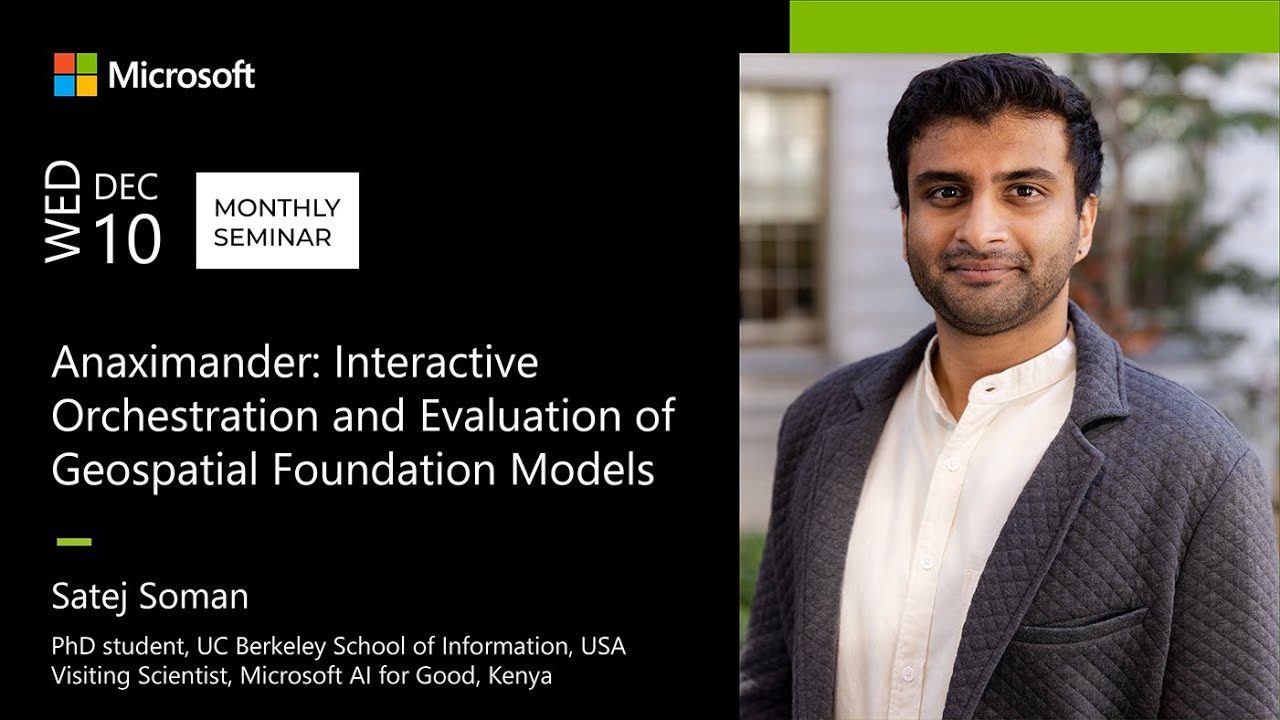
Anaximander: Interactive Orchestration and Evaluation of Geospatial Foundation Models

This talk introduces Anaximander, a system designed to bridge the gap between traditional, GUI-driven Geographic Information System (GIS) workflows and modern, code-heavy machine learning practices. Anaximander integrates geospatial foundation models directly into QGIS, allowing experts to interactively orchestrate, run, and evaluate models for tasks like semantic segmentation and object detection on satellite imagery.

Efficient Reinforcement Learning – Rhythm Garg & Linden Li, Applied Compute

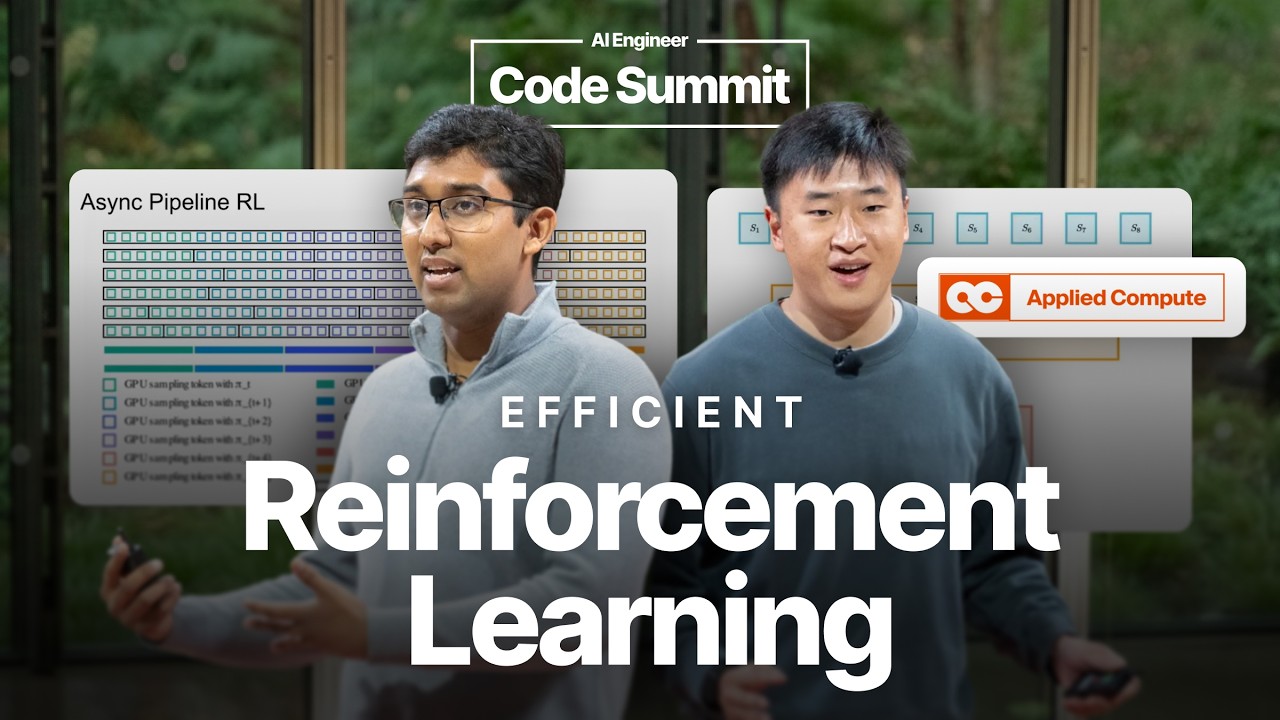
Efficient Reinforcement Learning – Rhythm Garg & Linden Li, Applied Compute

At Applied Compute, efficient Reinforcement Learning is critical for delivering business value. This talk explores the transition from inefficient synchronous RL to a high-throughput asynchronous 'Pipeline RL' system. The core challenge is managing 'staleness'—a side effect of in-flight weight updates that can destabilize training. The speakers detail their first-principles systems model, based on the Roofline model, used to simulate and find the optimal allocation of GPU resources between sampling and training, balancing throughput with algorithmic stability and achieving significant speedups.

Artificial Intelligence

View All
How a Meta PM ships products without ever writing code | Zevi Arnovitz

How a Meta PM ships products without ever writing code | Zevi Arnovitz

Zevi Arnovitz, a non-technical Product Manager at Meta, shares his complete workflow for building and shipping sophisticated applications using AI tools like Cursor. He details a structured, multi-step process that leverages different AI models for specific tasks, including a novel "peer review" technique where models critique each other's code.

Why Every Brain Metaphor in History Has Been Wrong [SPECIAL EDITION]

Why Every Brain Metaphor in History Has Been Wrong [SPECIAL EDITION]

An exploration of scientific simplification, questioning the metaphors we use to understand the brain and intelligence. This summary delves into the tension between creating useful models and mistaking them for reality, featuring insights on the mind-as-software debate, the limits of prediction versus understanding, and the philosophical underpinnings of our quest for AGI.

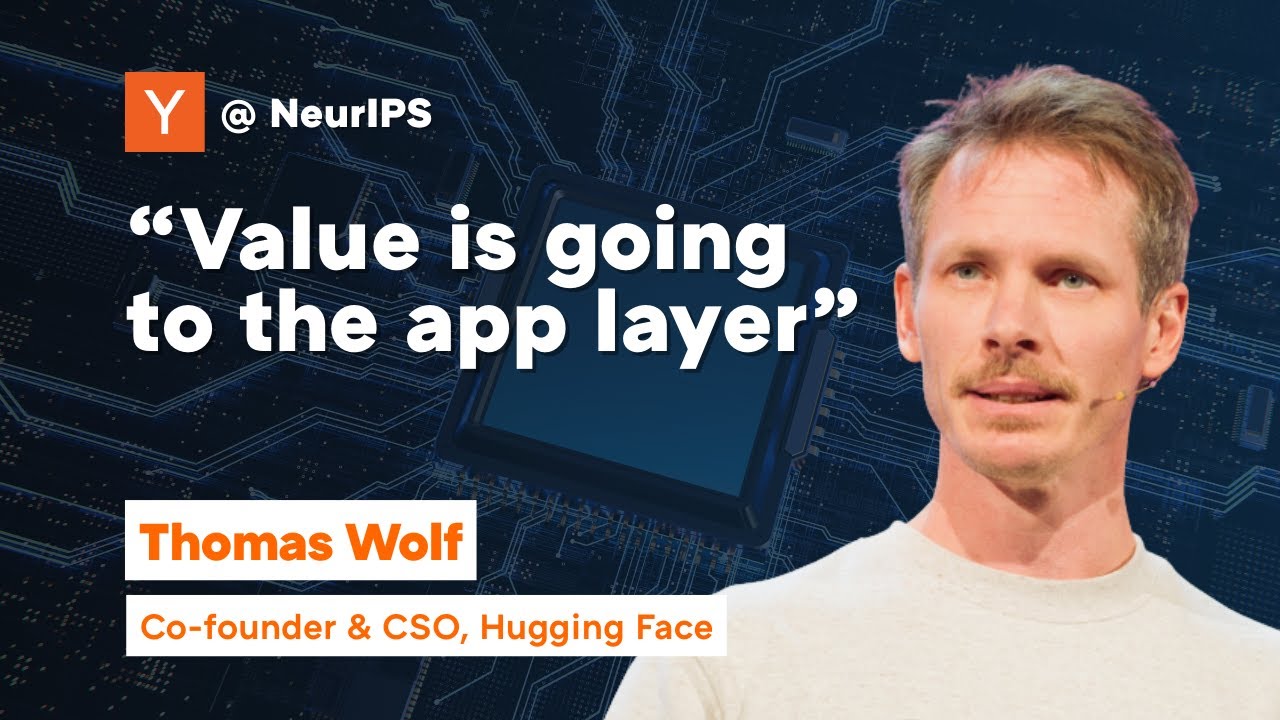
Lessons from Building Open Source Libraries

Lessons from Building Open Source Libraries

Thomas Wolf, co-founder of Hugging Face, discusses his journey from physics to AI, the power of open-source models to accelerate innovation, the practical challenges of productionalizing AI demos, and why the biggest opportunities for founders now lie in the application layer on top of powerful foundation models.

Technology

View All
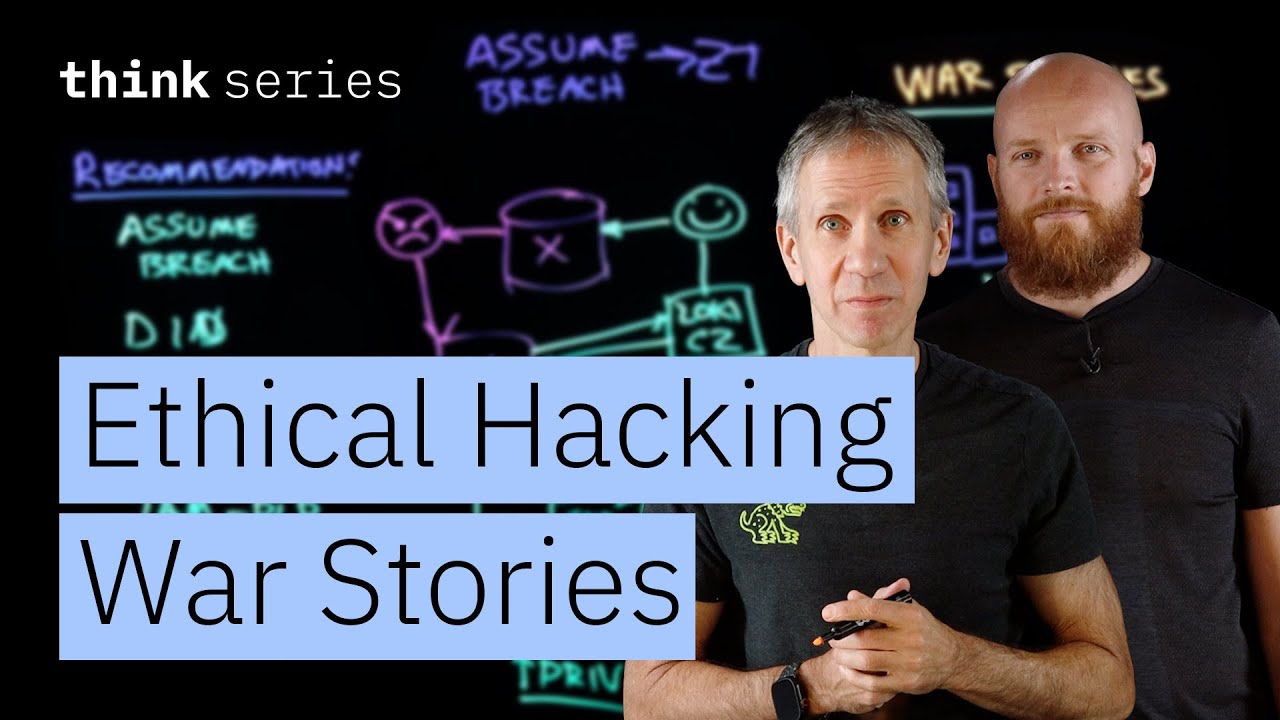
Ethical Hacking War Stories: Zero Trust, IAM & Advanced C2 Tactics

Ethical Hacking War Stories: Zero Trust, IAM & Advanced C2 Tactics

Jeff Crume and Patrick Fussell from IBM's X-Force team share a real-world ethical hacking war story, demonstrating an attack from an 'assume breach' perspective. They break down how vulnerabilities in Identity and Access Management (IAM) and legacy systems can lead to a full compromise, starting from an insider threat and escalating to domain administrator privileges through advanced C2 attacks and lateral movement.

Palo Alto Networks CEO Nikesh Arora on the Virtues of Being an Outsider

Palo Alto Networks CEO Nikesh Arora on the Virtues of Being an Outsider

Nikesh Arora, CEO of Palo Alto Networks, shares his unconventional journey and leadership philosophy. He provides a masterclass in building a multi-platform company through strategic M&A, explains why founders should sometimes ignore customers, and reveals how to lead with conviction while managing imposter syndrome.

Mental models for building products people love ft. Stewart Butterfield

Mental models for building products people love ft. Stewart Butterfield

Stewart Butterfield, co-founder of Slack and Flickr, shares the product frameworks and leadership principles that guided his success. He delves into concepts like "utility curves" for feature investment, the "owner's delusion" in product design, and why focusing on "comprehension" is often more important than reducing friction. He also introduces powerful mental models for organizational effectiveness, such as combating "hyper-realistic work-like activities" and applying Parkinson's Law to team growth.


Recent Post

LLMOps for eval-driven development at scale

LLMOps for eval-driven development at scale

Mercari's engineering team shares their practical, evaluation-centric approach to LLMOps. Learn how they leverage tiered evaluations, strategic tooling for observability, and rapid iteration to productionize LLM features for over 23 million users, emphasizing that good 'evals' are often more critical than model fine-tuning or RAG.

Mapping the Mind of a Neural Net: Goodfire’s Eric Ho on the Future of Interpretability

Mapping the Mind of a Neural Net: Goodfire’s Eric Ho on the Future of Interpretability

Eric Ho, founder of Goodfire, discusses the critical challenge of AI interpretability. He shares how his team is developing techniques to understand, audit, and edit neural networks at the feature level, including breakthrough results in resolving superposition with sparse autoencoders, successful model editing demonstrations, and real-world applications in genomics with Arc Institute's DNA foundation models. Ho argues that these white-box approaches are essential for building safe, reliable, and intentionally designed AI systems.

The AI that solves the market: A new era in forecasting with natural language explainability

The AI that solves the market: A new era in forecasting with natural language explainability

LG AI Research introduces its advanced financial forecasting framework, which powers a US equities market ETF (LQAI) and a new "Master Score with Commentary" product with LSEG. The system uniquely combines structured financial data with unstructured text from news and reports, using the proprietary Exaone LLM and a multi-agent architecture to deliver explainable, accurate, and actionable market predictions across the entire US stock market.

AI doesn't work the way you think it does

AI doesn't work the way you think it does

Today's AI, despite its impressive capabilities, may be an "impostor" with a messy, unstructured internal understanding—a "spaghetti" representation. This summary explores an alternative, open-ended approach to building AI that fosters a deep, modular, and truly intelligent foundation, moving beyond brute-force optimization to embrace serendipitous discovery and "evolvability."

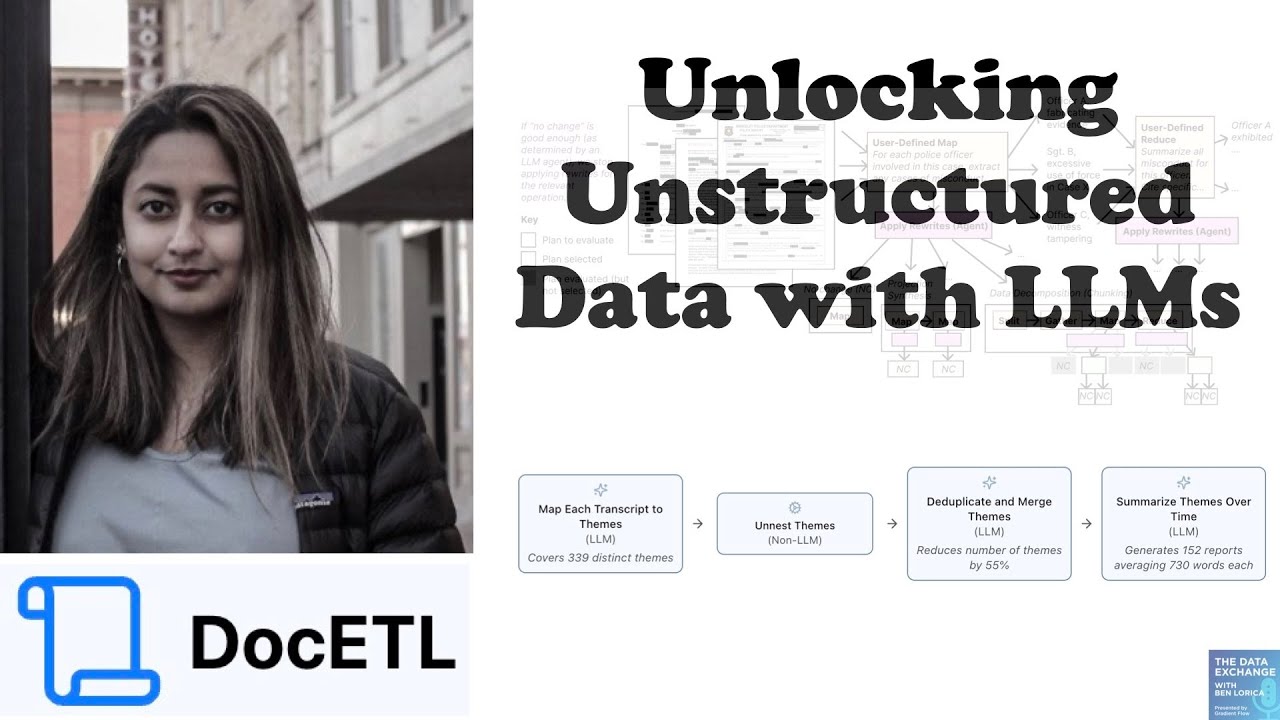
Unlocking Unstructured Data with LLMs

Unlocking Unstructured Data with LLMs

Shreya Shankar of UC Berkeley discusses DocETL, a MapReduce-style framework that leverages LLMs to extract, analyze, and structure insights from unstructured enterprise data. The conversation covers practical architecture patterns, the role of non-determinism, strategies for model selection (including fine-tuning and multi-LLM pipelines), and the importance of user experience in this emerging field.

No Priors Ep. 121 | With Chai Discovery Co-Founders Jack Dent and Joshua Meier

No Priors Ep. 121 | With Chai Discovery Co-Founders Jack Dent and Joshua Meier

Chai Discovery's co-founders discuss Chai 2, their new generative AI platform for antibody design. It achieves a nearly 20% hit rate from just 20 computational attempts, a 100-fold improvement over previous methods, signaling a shift from drug discovery to drug engineering.

Stay In The Loop! Subscribe to Our Newsletter.

Get updates straight to your inbox. No spam, just useful content.