Tokenless

Machine Learning

View All
Post-training best-in-class models in 2025

Post-training best-in-class models in 2025

An expert overview of post-training techniques for language models, covering the entire workflow from data generation and curation to advanced algorithms like Supervised Fine-Tuning (SFT), Direct Preference Optimization (DPO), and Reinforcement Learning (RL), along with practical advice on evaluation and iteration.
Anaximander: Interactive Orchestration and Evaluation of Geospatial Foundation Models

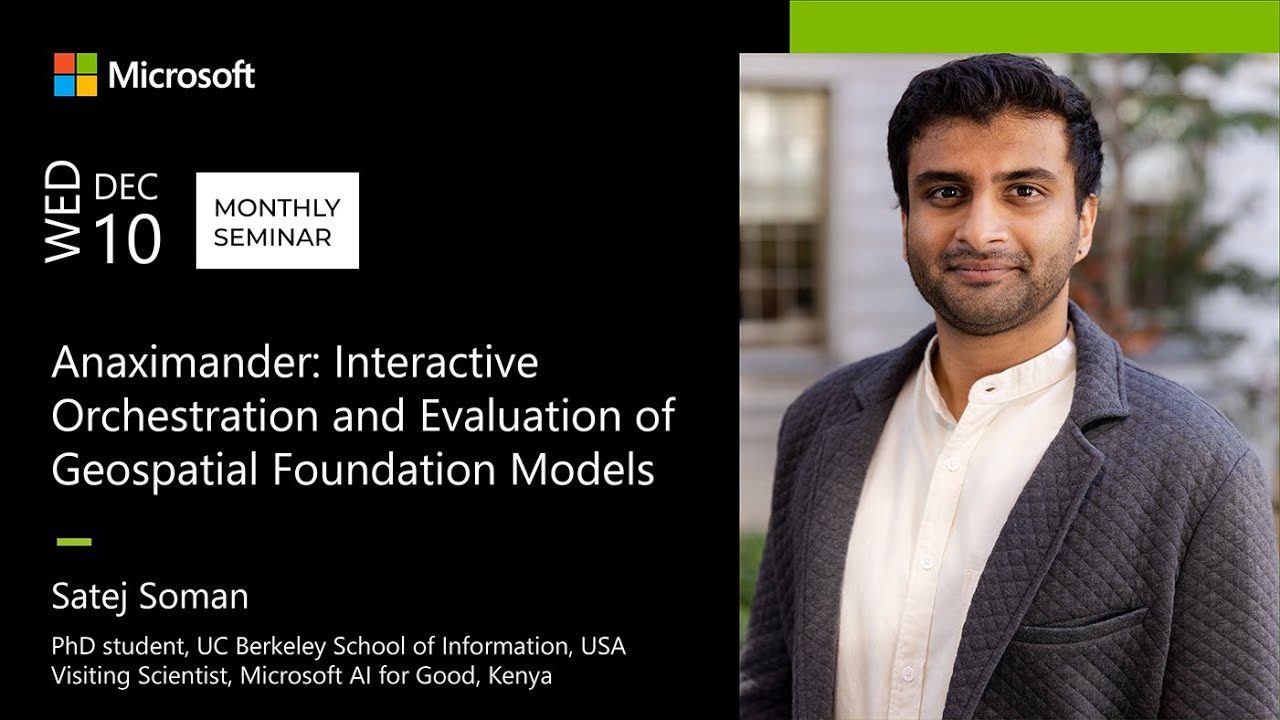
Anaximander: Interactive Orchestration and Evaluation of Geospatial Foundation Models

This talk introduces Anaximander, a system designed to bridge the gap between traditional, GUI-driven Geographic Information System (GIS) workflows and modern, code-heavy machine learning practices. Anaximander integrates geospatial foundation models directly into QGIS, allowing experts to interactively orchestrate, run, and evaluate models for tasks like semantic segmentation and object detection on satellite imagery.

Efficient Reinforcement Learning – Rhythm Garg & Linden Li, Applied Compute

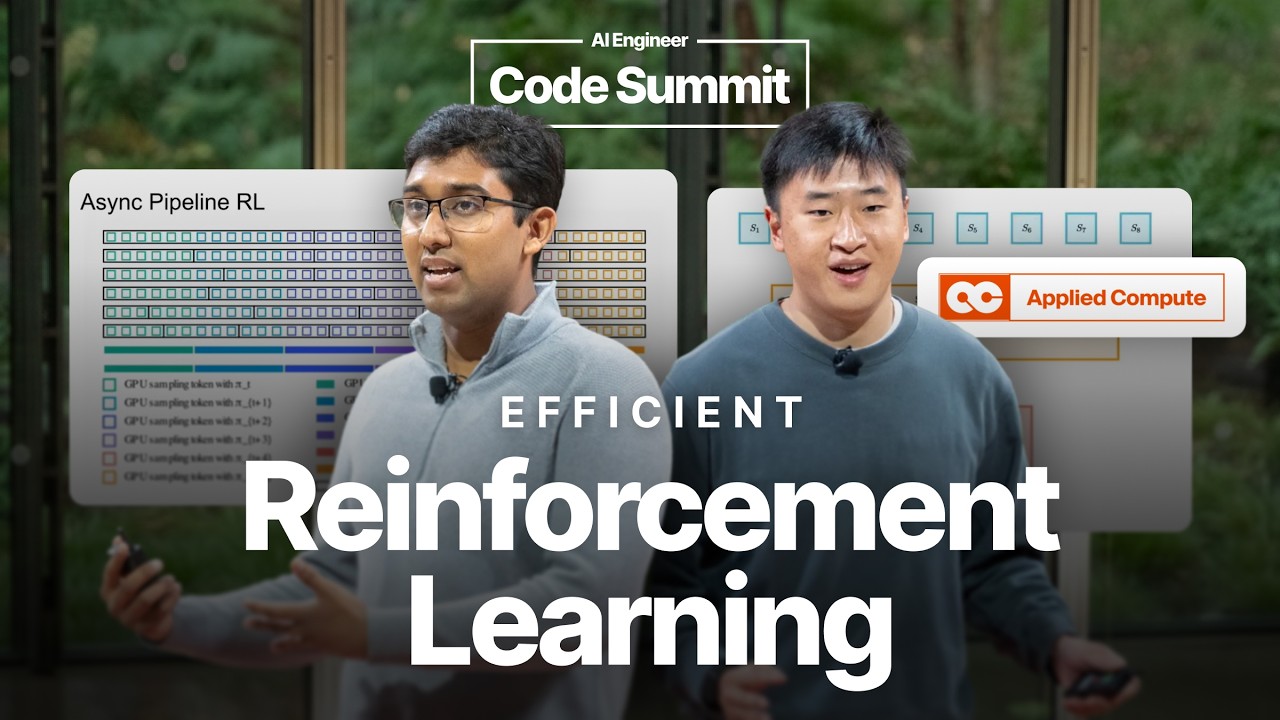
Efficient Reinforcement Learning – Rhythm Garg & Linden Li, Applied Compute

At Applied Compute, efficient Reinforcement Learning is critical for delivering business value. This talk explores the transition from inefficient synchronous RL to a high-throughput asynchronous 'Pipeline RL' system. The core challenge is managing 'staleness'—a side effect of in-flight weight updates that can destabilize training. The speakers detail their first-principles systems model, based on the Roofline model, used to simulate and find the optimal allocation of GPU resources between sampling and training, balancing throughput with algorithmic stability and achieving significant speedups.

Artificial Intelligence

View All
How a Meta PM ships products without ever writing code | Zevi Arnovitz

How a Meta PM ships products without ever writing code | Zevi Arnovitz

Zevi Arnovitz, a non-technical Product Manager at Meta, shares his complete workflow for building and shipping sophisticated applications using AI tools like Cursor. He details a structured, multi-step process that leverages different AI models for specific tasks, including a novel "peer review" technique where models critique each other's code.

Why Every Brain Metaphor in History Has Been Wrong [SPECIAL EDITION]

Why Every Brain Metaphor in History Has Been Wrong [SPECIAL EDITION]

An exploration of scientific simplification, questioning the metaphors we use to understand the brain and intelligence. This summary delves into the tension between creating useful models and mistaking them for reality, featuring insights on the mind-as-software debate, the limits of prediction versus understanding, and the philosophical underpinnings of our quest for AGI.

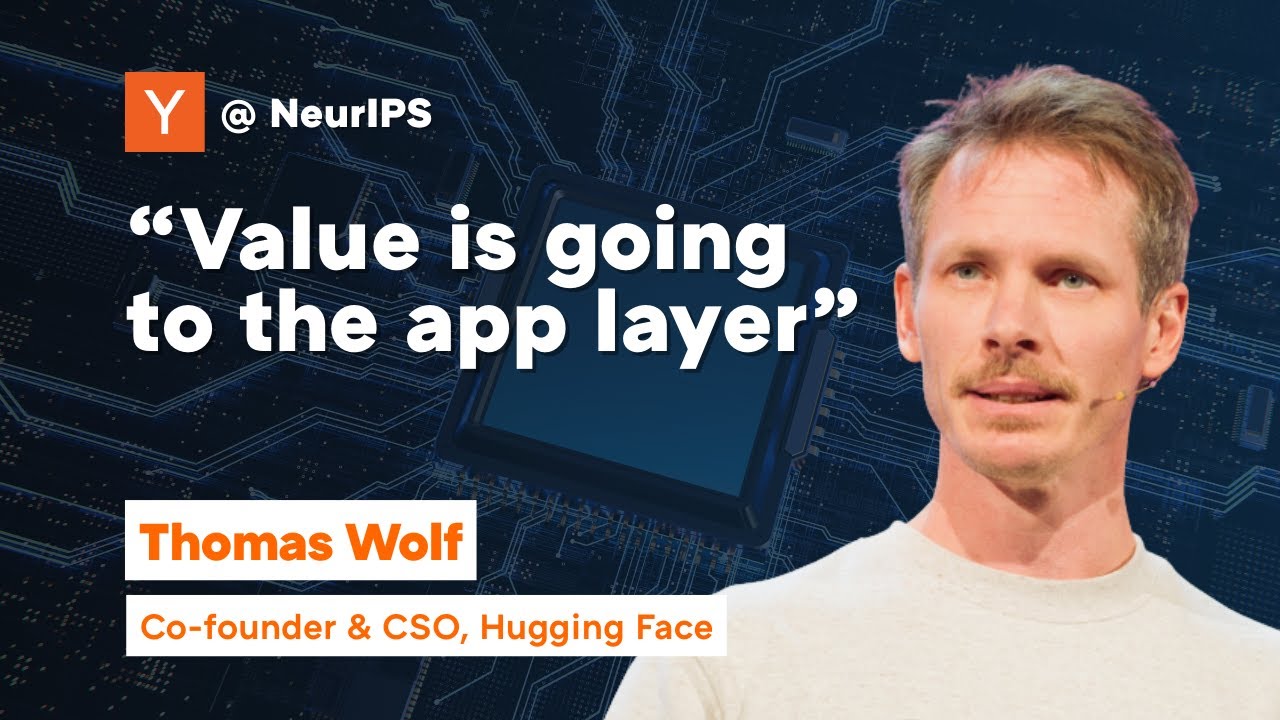
Lessons from Building Open Source Libraries

Lessons from Building Open Source Libraries

Thomas Wolf, co-founder of Hugging Face, discusses his journey from physics to AI, the power of open-source models to accelerate innovation, the practical challenges of productionalizing AI demos, and why the biggest opportunities for founders now lie in the application layer on top of powerful foundation models.

Technology

View All
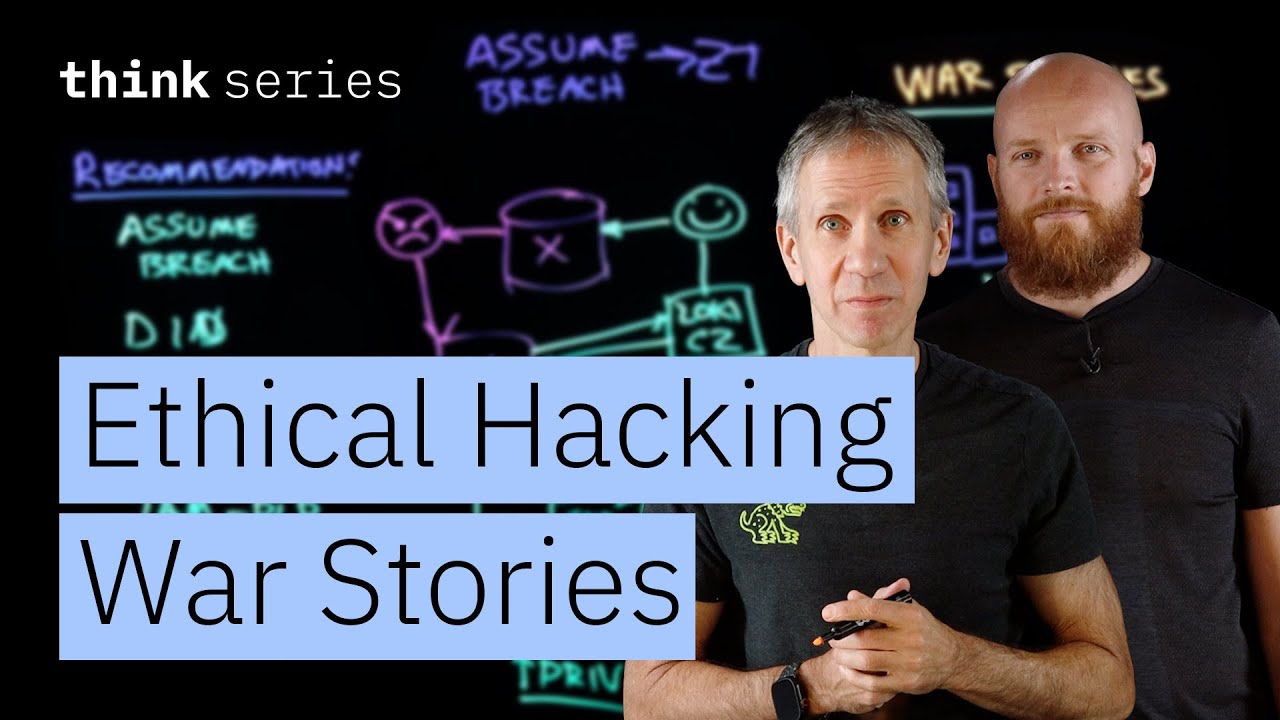
Ethical Hacking War Stories: Zero Trust, IAM & Advanced C2 Tactics

Ethical Hacking War Stories: Zero Trust, IAM & Advanced C2 Tactics

Jeff Crume and Patrick Fussell from IBM's X-Force team share a real-world ethical hacking war story, demonstrating an attack from an 'assume breach' perspective. They break down how vulnerabilities in Identity and Access Management (IAM) and legacy systems can lead to a full compromise, starting from an insider threat and escalating to domain administrator privileges through advanced C2 attacks and lateral movement.

Palo Alto Networks CEO Nikesh Arora on the Virtues of Being an Outsider

Palo Alto Networks CEO Nikesh Arora on the Virtues of Being an Outsider

Nikesh Arora, CEO of Palo Alto Networks, shares his unconventional journey and leadership philosophy. He provides a masterclass in building a multi-platform company through strategic M&A, explains why founders should sometimes ignore customers, and reveals how to lead with conviction while managing imposter syndrome.

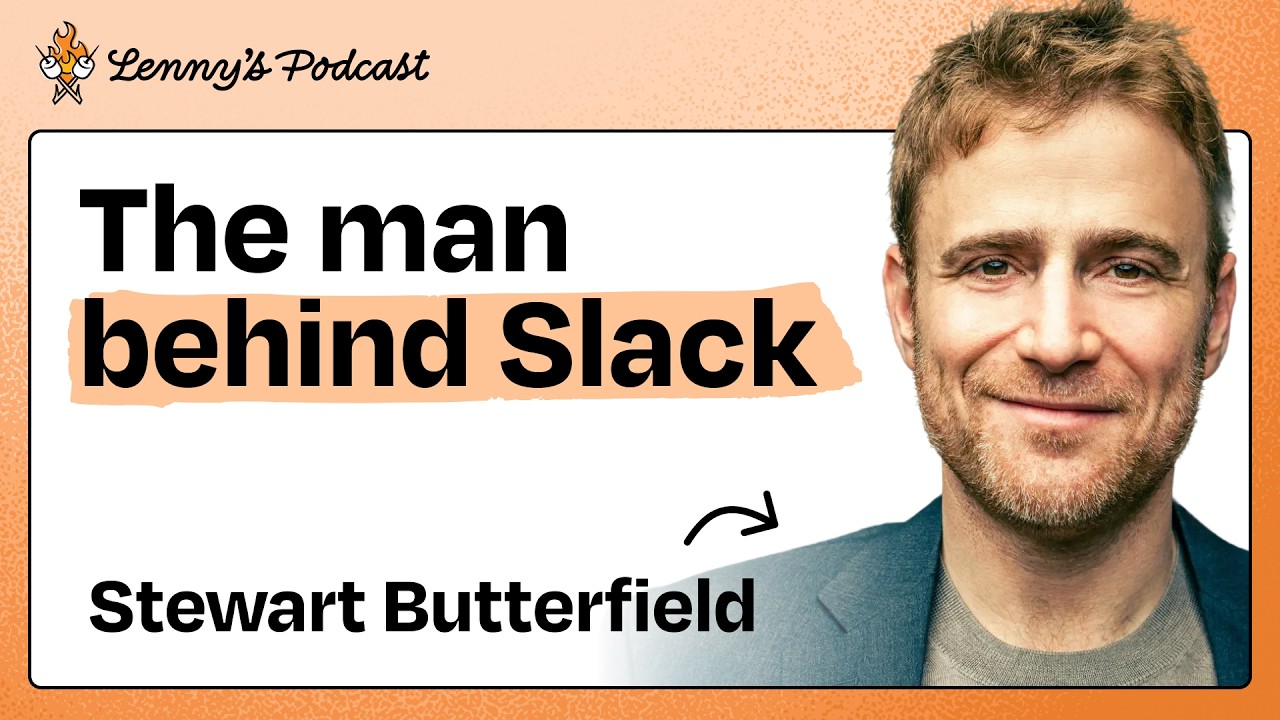
Mental models for building products people love ft. Stewart Butterfield

Mental models for building products people love ft. Stewart Butterfield

Stewart Butterfield, co-founder of Slack and Flickr, shares the product frameworks and leadership principles that guided his success. He delves into concepts like "utility curves" for feature investment, the "owner's delusion" in product design, and why focusing on "comprehension" is often more important than reducing friction. He also introduces powerful mental models for organizational effectiveness, such as combating "hyper-realistic work-like activities" and applying Parkinson's Law to team growth.


Recent Post

A2A & MCP Workshop: Automating Business Processes with LLMs — Damien Murphy, Bench

A2A & MCP Workshop: Automating Business Processes with LLMs — Damien Murphy, Bench

A deep dive into using Google's A2A (Agent-to-Agent) framework and MCP (Model Context Protocol) to build intelligent, automated workflows. This summary covers the core concepts, strategic implementation, a practical multi-agent architecture, and critical insights on lean context management to control costs and latency.

Piloting agents in GitHub Copilot - Christopher Harrison, Microsoft

Piloting agents in GitHub Copilot - Christopher Harrison, Microsoft

GitHub's Christopher Harrison explains how to leverage GitHub Copilot's agent capabilities. This summary covers using Copilot as an AI pair programmer, the importance of providing context, its different workloads, and how to use the new Copilot Coding Agent with the Model Context Protocol (MCP) to accelerate development responsibly.

Ship Production Software in Minutes, Not Months — Eno Reyes, Factory

Ship Production Software in Minutes, Not Months — Eno Reyes, Factory

Explore the shift from traditional, human-driven software development to an agent-native lifecycle. Learn how AI agents, powered by centralized context, can orchestrate the entire SDLC, from planning and coding to incident response, transforming developers into orchestrators of AI systems.

Beyond the Prototype: Using AI to Write High-Quality Code - Josh Albrecht, Imbue

Beyond the Prototype: Using AI to Write High-Quality Code - Josh Albrecht, Imbue

Josh Albrecht, CTO of Imbue, discusses the engineering challenges in building reliable AI coding agents. He introduces Sculptor, an experimental environment designed to build trust in AI-generated code by focusing on preventing and detecting problems through structured workflows, automated testing, and AI-driven analysis, moving beyond simple code generation to create maintainable software.

Software Development Agents: What Works and What Doesn't - Robert Brennan, AllHands/OpenHands

Software Development Agents: What Works and What Doesn't - Robert Brennan, AllHands/OpenHands

Explore the shift from manual coding to AI-driven development. This session covers the mechanics of AI coding agents like OpenHands, best practices for using them effectively without accumulating tech debt, and practical use cases, emphasizing the continued importance of human oversight and critical thinking in software engineering.

Devin 2.0 and the Future of SWE - Scott Wu, Cognition

Devin 2.0 and the Future of SWE - Scott Wu, Cognition

Scott Wu, CEO of Cognition AI, discusses the exponential growth of AI capabilities in software engineering, likening it to a "Moore's Law for AI agents" with a doubling time of every 70 days. He chronicles the evolution of their AI agent, Devin, from handling repetitive code migrations to autonomously managing entire backlogs, highlighting the key technical challenges and paradigm shifts at each stage.

Stay In The Loop! Subscribe to Our Newsletter.

Get updates straight to your inbox. No spam, just useful content.