
Tokenless

Machine Learning

View All
Post-training best-in-class models in 2025

Post-training best-in-class models in 2025

An expert overview of post-training techniques for language models, covering the entire workflow from data generation and curation to advanced algorithms like Supervised Fine-Tuning (SFT), Direct Preference Optimization (DPO), and Reinforcement Learning (RL), along with practical advice on evaluation and iteration.
Anaximander: Interactive Orchestration and Evaluation of Geospatial Foundation Models

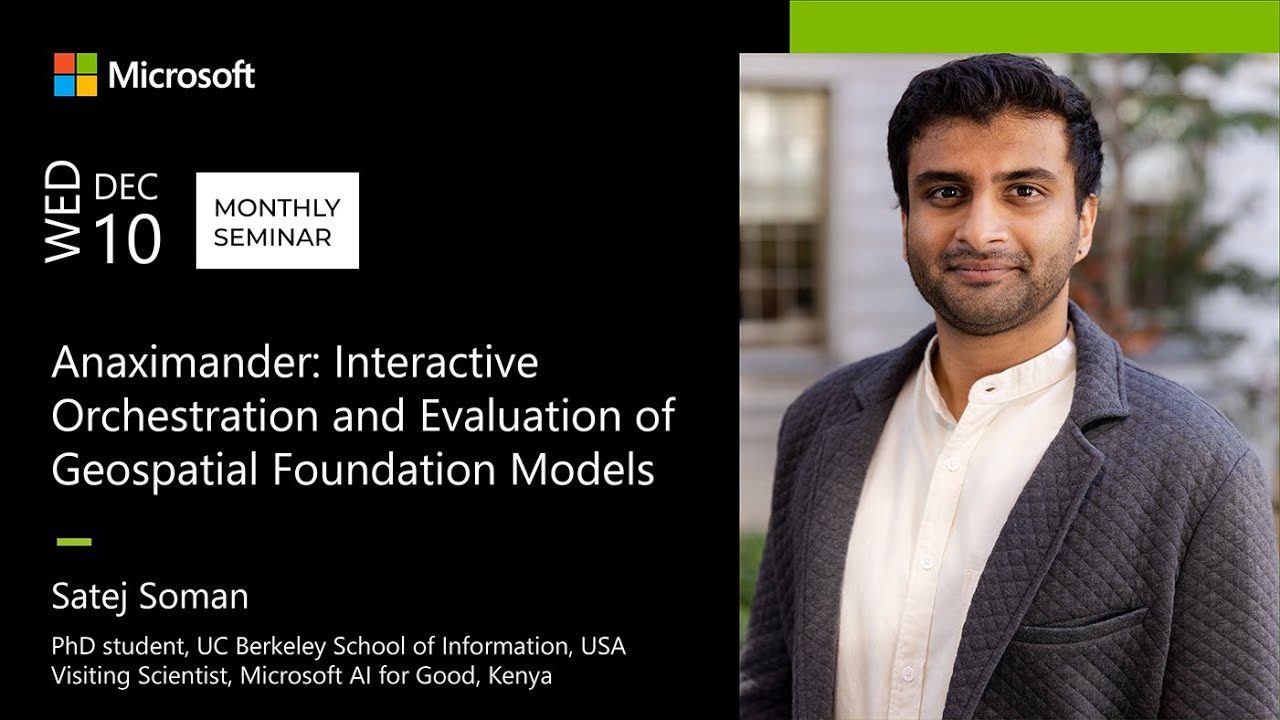
Anaximander: Interactive Orchestration and Evaluation of Geospatial Foundation Models

This talk introduces Anaximander, a system designed to bridge the gap between traditional, GUI-driven Geographic Information System (GIS) workflows and modern, code-heavy machine learning practices. Anaximander integrates geospatial foundation models directly into QGIS, allowing experts to interactively orchestrate, run, and evaluate models for tasks like semantic segmentation and object detection on satellite imagery.

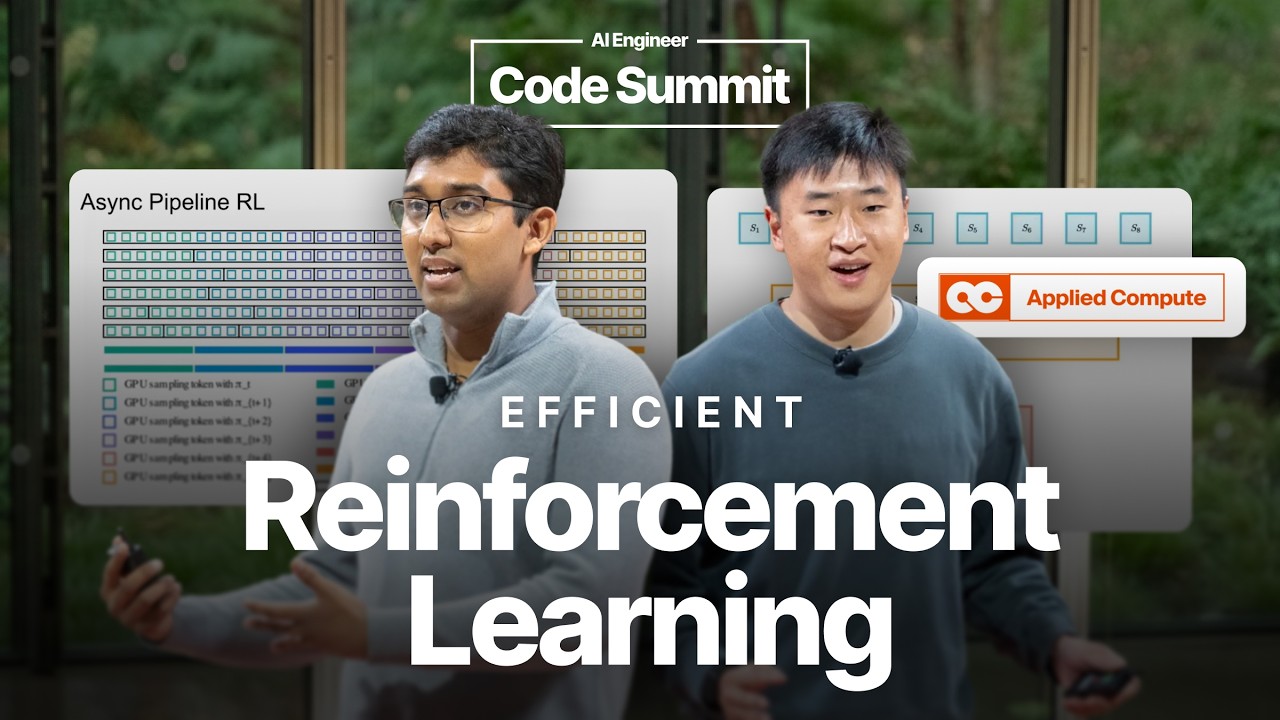
Efficient Reinforcement Learning – Rhythm Garg & Linden Li, Applied Compute

Efficient Reinforcement Learning – Rhythm Garg & Linden Li, Applied Compute

At Applied Compute, efficient Reinforcement Learning is critical for delivering business value. This talk explores the transition from inefficient synchronous RL to a high-throughput asynchronous 'Pipeline RL' system. The core challenge is managing 'staleness'—a side effect of in-flight weight updates that can destabilize training. The speakers detail their first-principles systems model, based on the Roofline model, used to simulate and find the optimal allocation of GPU resources between sampling and training, balancing throughput with algorithmic stability and achieving significant speedups.

Artificial Intelligence

View All
Lessons from Building Open Source Libraries

Lessons from Building Open Source Libraries

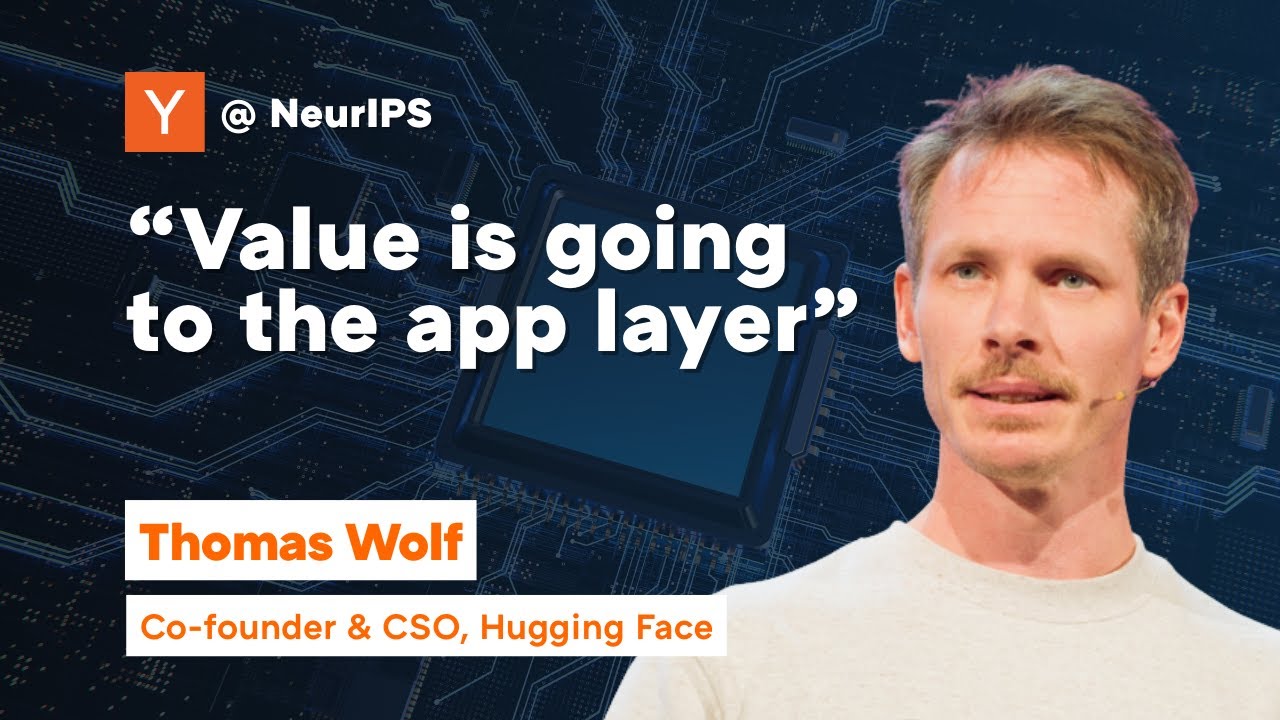
Thomas Wolf, co-founder of Hugging Face, discusses his journey from physics to AI, the power of open-source models to accelerate innovation, the practical challenges of productionalizing AI demos, and why the biggest opportunities for founders now lie in the application layer on top of powerful foundation models.

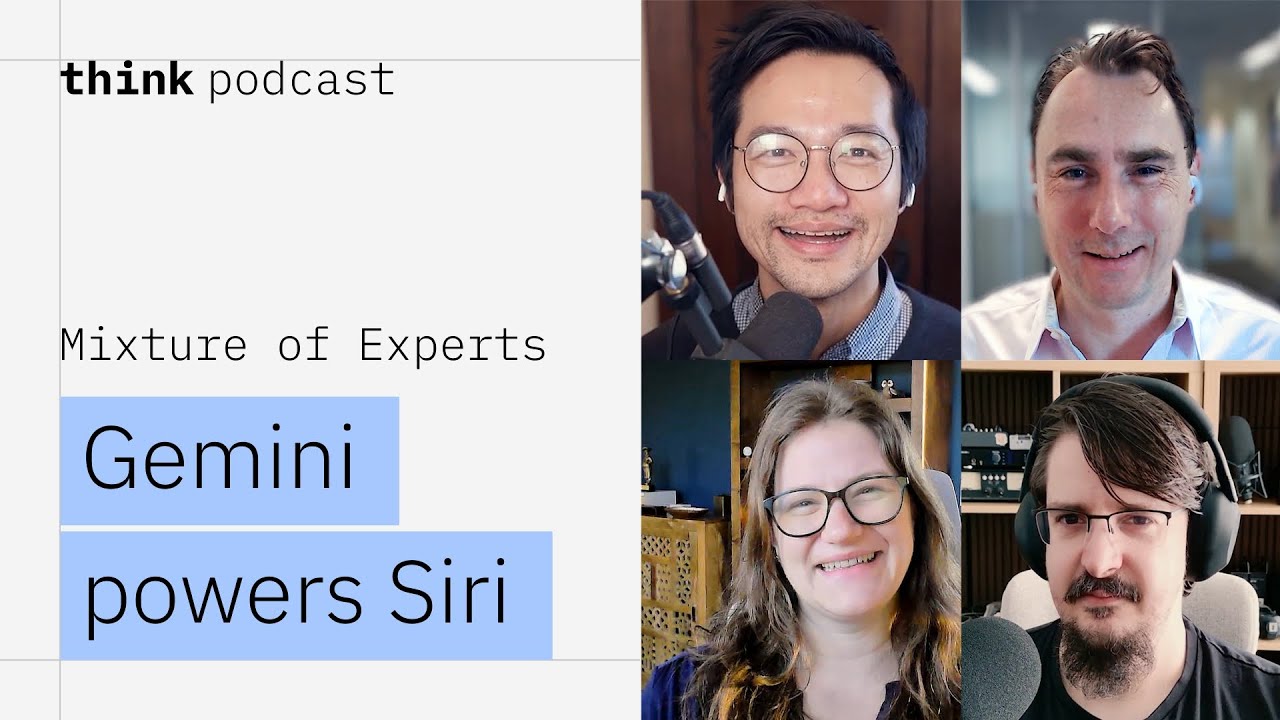
Claude Cowork analysis & Apple picks Gemini

Claude Cowork analysis & Apple picks Gemini

The panel discusses Anthropic's Claude Cowork and the challenge of user trust in AI agents for everyday tasks. They then analyze the Apple-Google partnership to integrate Gemini into Siri, debating its implications for edge AI, privacy, and hardware limitations. Finally, they explore Linus Torvalds' use of AI for "vibe coding," considering its impact on hobbyist programming and entrepreneurship versus the current limitations in producing production-ready software.

Graph Neural Networks Just Solved Enterprise AI?

Graph Neural Networks Just Solved Enterprise AI?

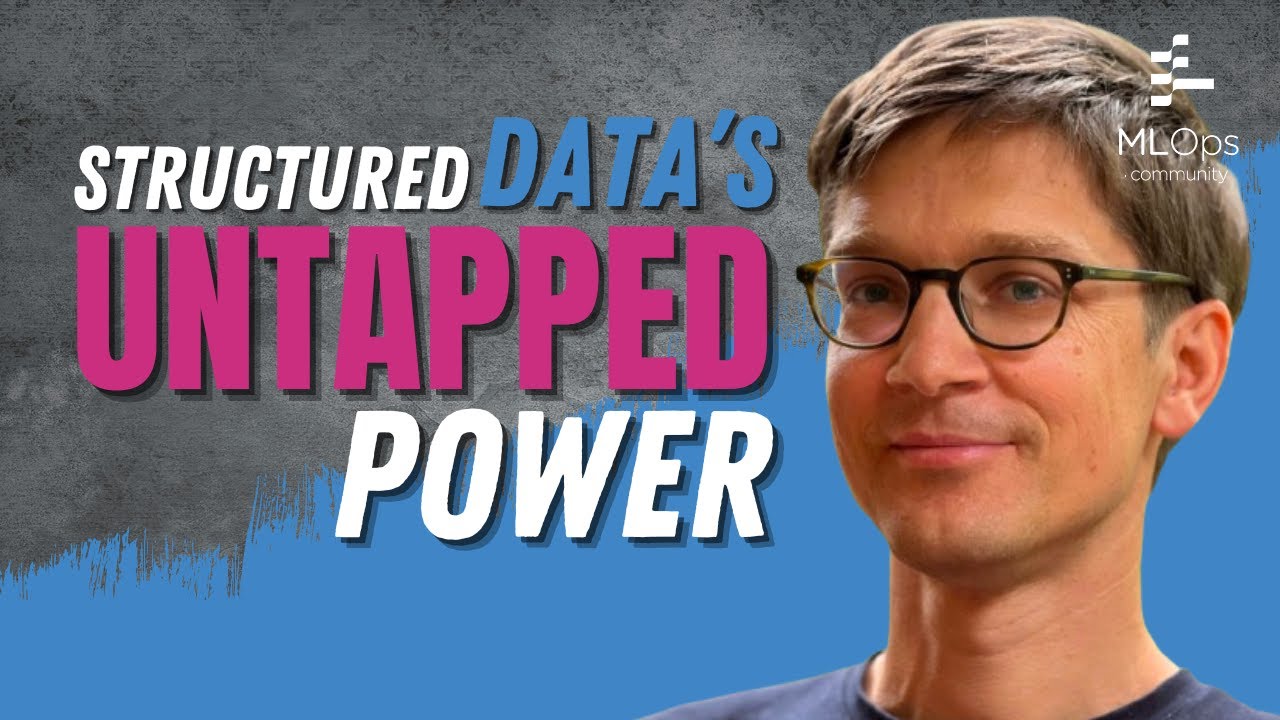
Jure Leskovec introduces Relational Foundation Models (RFMs), a new class of models based on graph neural networks that learn directly from raw, multi-table enterprise data. This approach bypasses manual feature engineering, leading to more accurate, faster-to-deploy, and easier-to-maintain predictive models for tasks like churn prediction, fraud detection, and recommendation systems.

Technology

View All
Palo Alto Networks CEO Nikesh Arora on the Virtues of Being an Outsider

Palo Alto Networks CEO Nikesh Arora on the Virtues of Being an Outsider

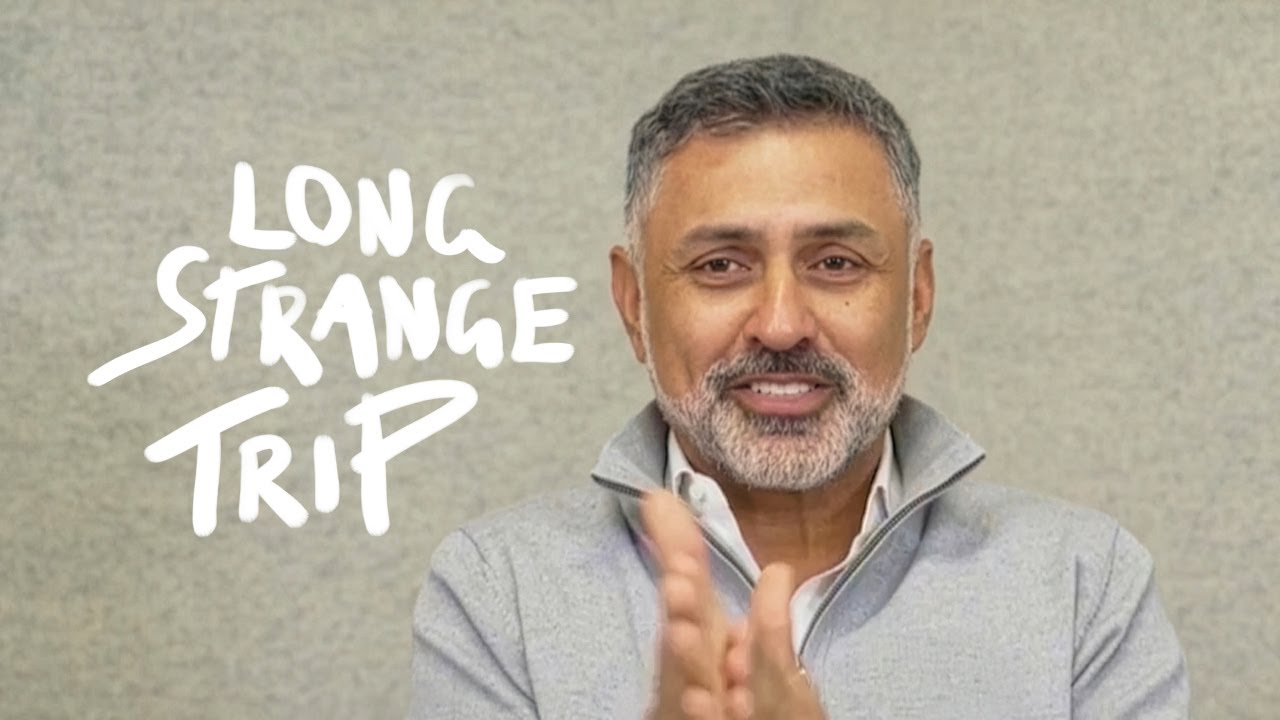
Nikesh Arora, CEO of Palo Alto Networks, shares his unconventional journey and leadership philosophy. He provides a masterclass in building a multi-platform company through strategic M&A, explains why founders should sometimes ignore customers, and reveals how to lead with conviction while managing imposter syndrome.

Mental models for building products people love ft. Stewart Butterfield

Mental models for building products people love ft. Stewart Butterfield

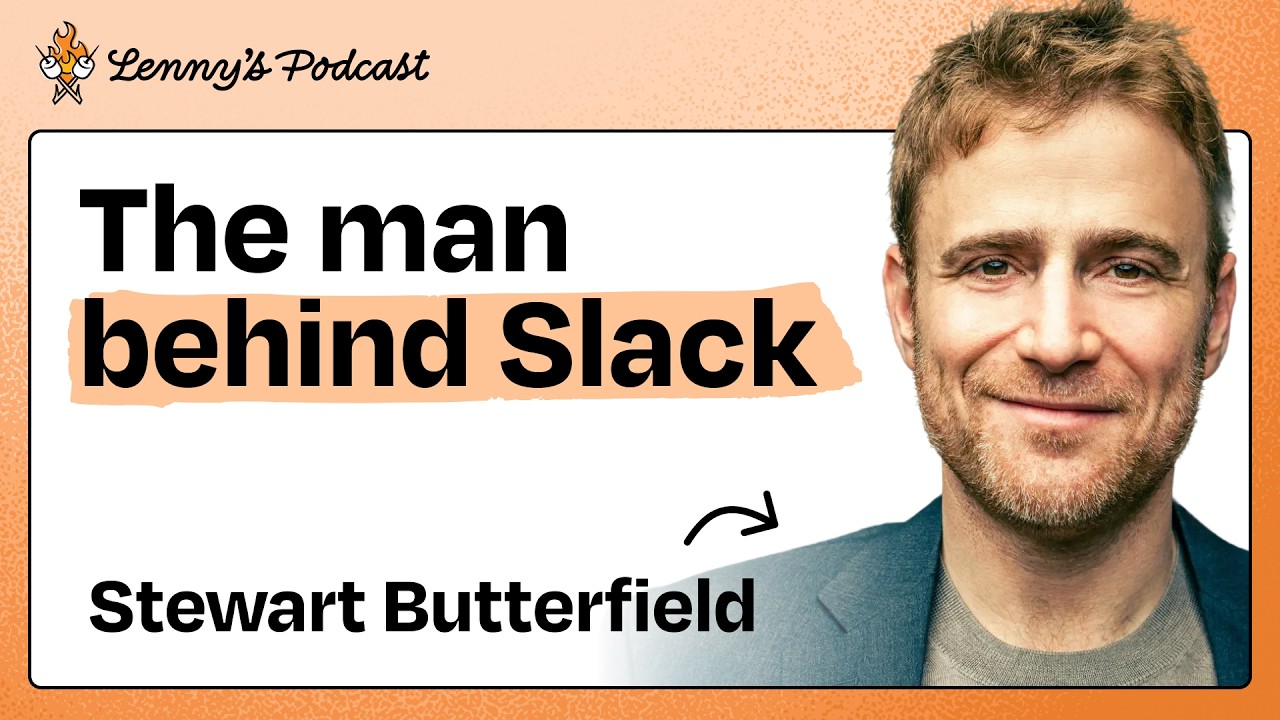
Stewart Butterfield, co-founder of Slack and Flickr, shares the product frameworks and leadership principles that guided his success. He delves into concepts like "utility curves" for feature investment, the "owner's delusion" in product design, and why focusing on "comprehension" is often more important than reducing friction. He also introduces powerful mental models for organizational effectiveness, such as combating "hyper-realistic work-like activities" and applying Parkinson's Law to team growth.

Intuit CEO Sasan Goodarzi’s Grown-Up CEO Playbook

Intuit CEO Sasan Goodarzi’s Grown-Up CEO Playbook

Intuit CEO Sasan Goodarzi discusses the operational playbook for reinventing a 40-year-old company, from its slow transition to SaaS to its early adoption of AI. He shares insights on winning the SMB market by treating small businesses like consumers, building effective channel partnerships, and developing a platform strategy. Goodarzi also details his leadership philosophy, emphasizing that grit and curiosity are more critical than raw talent.


Recent Post

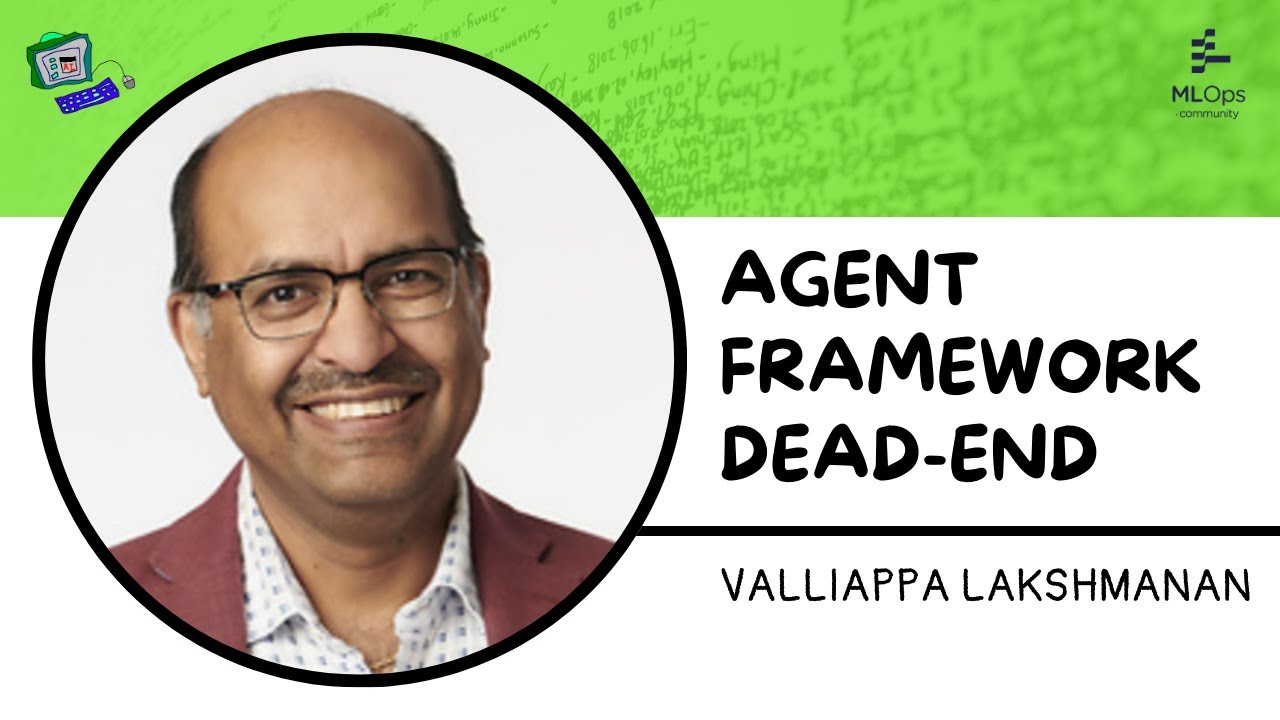
Too much lock-in for too little gain: agent frameworks are a dead-end // Valliappa Lakshmanan

Too much lock-in for too little gain: agent frameworks are a dead-end // Valliappa Lakshmanan

Lak Lakshmanan presents a robust architecture for building production-quality, framework-agnostic agentic systems. He advocates for using simple, composable GenAI patterns, off-the-shelf tools for governance, and a strong emphasis on a human-in-the-loop design to create continuously learning systems that avoid vendor lock-in.

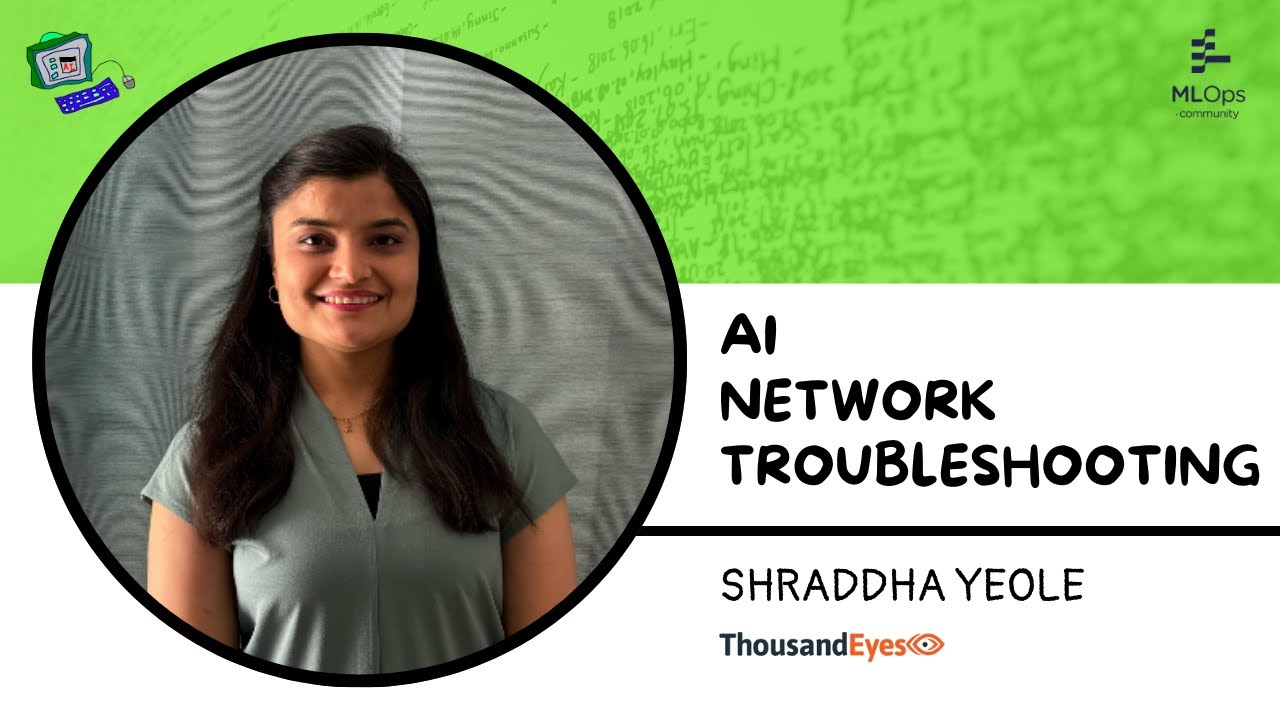
From Spikes to Stories: AI-Augmented Troubleshooting in the Network Wild // Shraddha Yeole

From Spikes to Stories: AI-Augmented Troubleshooting in the Network Wild // Shraddha Yeole

Shraddha Yeole from Cisco ThousandEyes explains how they are transforming network observability by moving from complex dashboards to AI-augmented storytelling. The session details their use of an LLM-powered agent to interpret vast telemetry data, accelerate fault isolation, and improve MTTR, covering the technical architecture, advanced prompt engineering techniques, evaluation strategies, and key challenges.

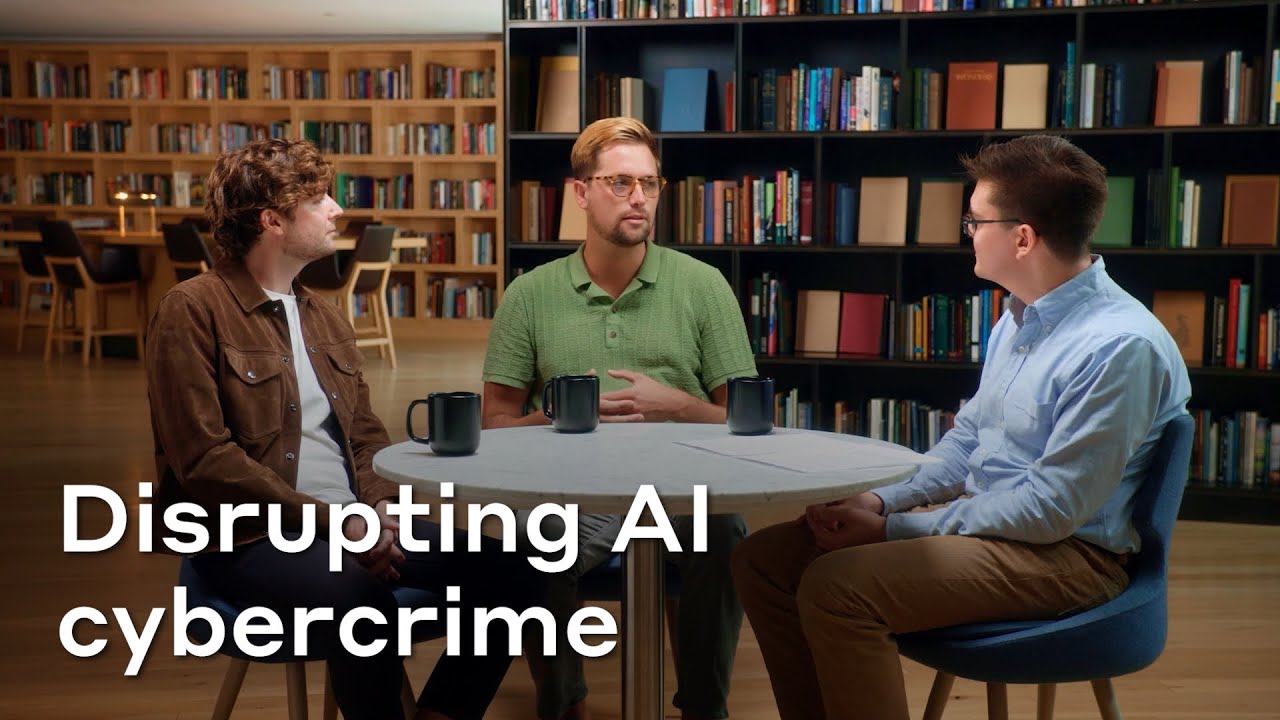
Threat Intelligence: How Anthropic stops AI cybercrime

Threat Intelligence: How Anthropic stops AI cybercrime

Anthropic's Threat Intelligence team discusses their new report on how AI models are being used in sophisticated cybercrime operations. They cover the concept of "vibe hacking," a large-scale employment scam run by North Korea, and Anthropic’s multi-layered strategy to detect and counteract these threats.

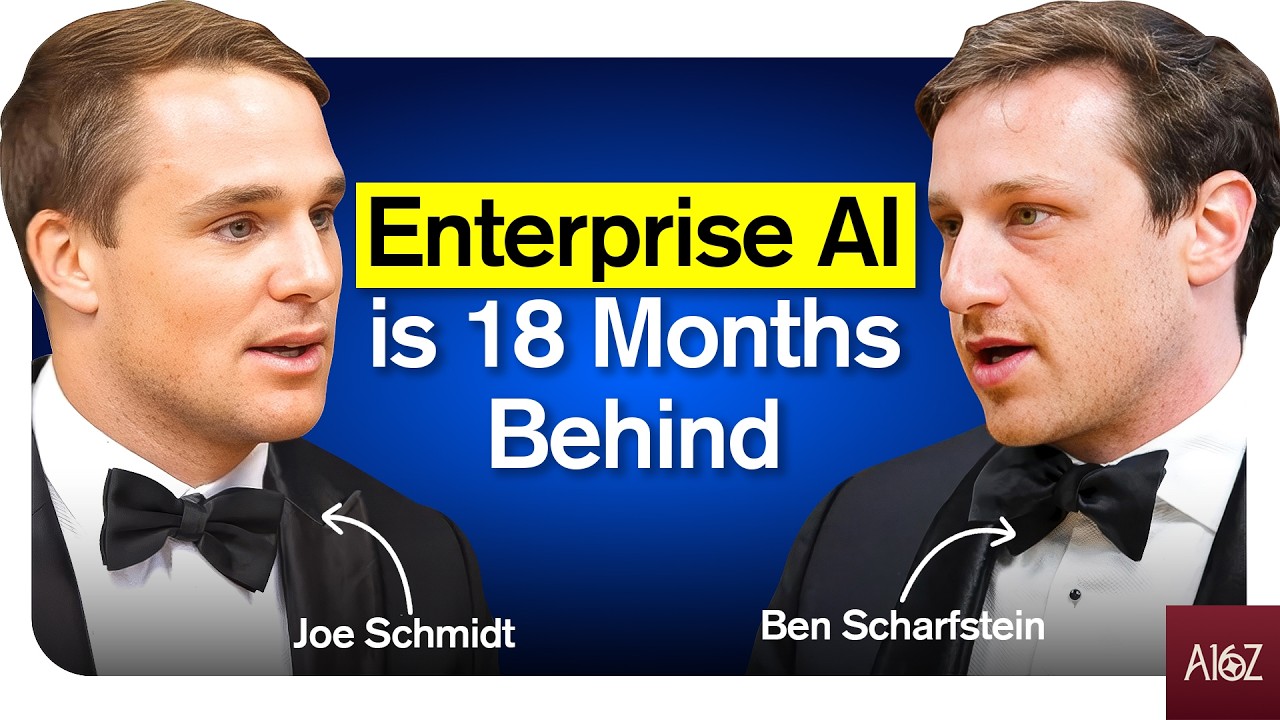
How Scale AI is Pioneering the Future of Work

How Scale AI is Pioneering the Future of Work

Ben Scharfstein from Scale AI and a16z's Joe Schmidt discuss the nuances of enterprise AI adoption, contrasting vertical AI products with custom solutions. They delve into the 'forward-deployed engineering' model as a strategy to build durable moats by solving complex, specific enterprise problems, effectively 'trading margin for moat' in the new AI paradigm.

How This 25-Year-Old Built A $675M Legal AI Startup (With No Legal Experience)

How This 25-Year-Old Built A $675M Legal AI Startup (With No Legal Experience)

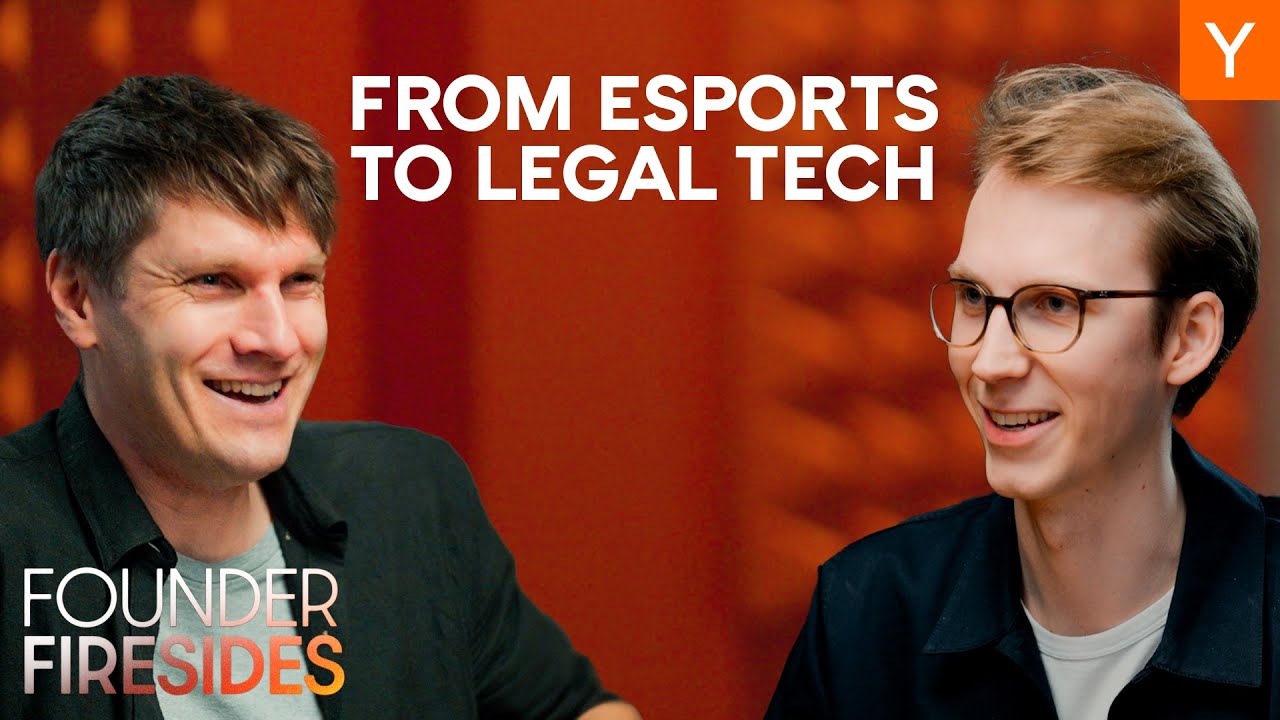
Max Junestrand, co-founder and CEO of Legora, shares insights on building a successful vertical AI company for the legal industry. He discusses their product strategy, the technical stack designed for a multi-model future, the go-to-market motion for conservative industries, and the challenges of scaling from 10 to 100 people in 13 months.

AI traces are worth a thousand logs

AI traces are worth a thousand logs

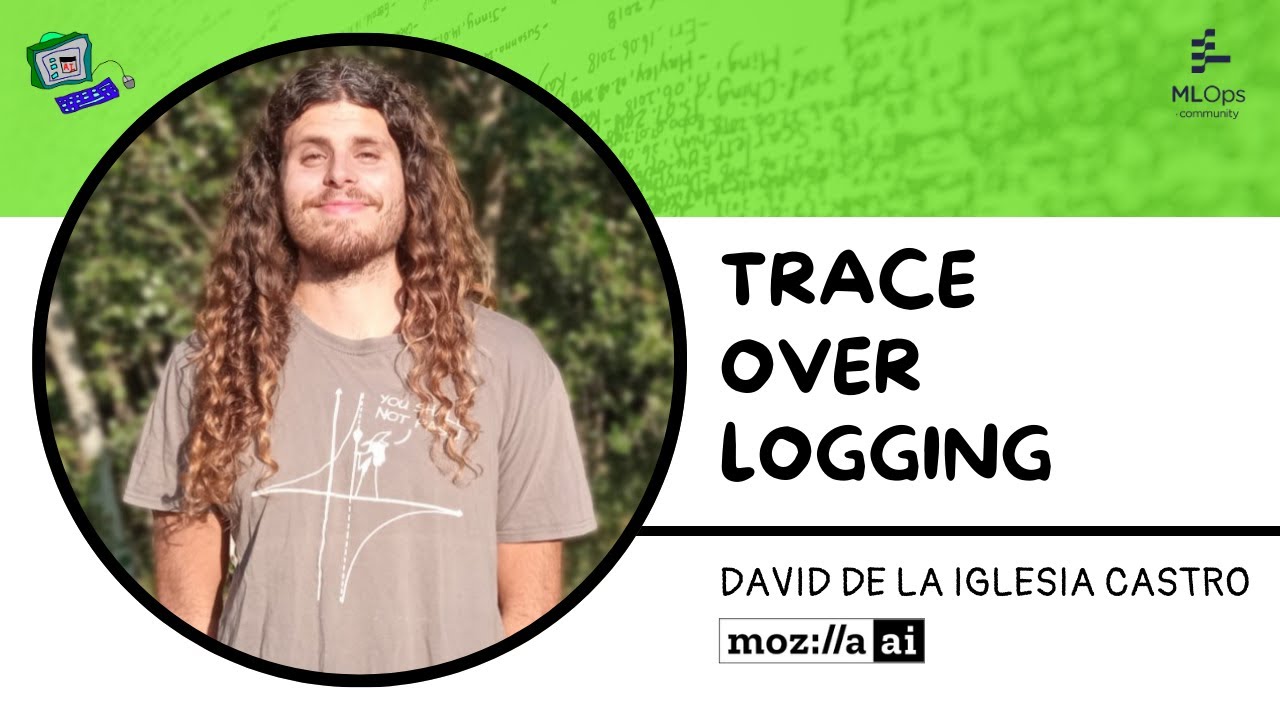
An exploration of how a single, structured trace, based on OpenTelemetry standards, offers a superior method for debugging, testing, and understanding AI agent behavior compared to traditional logging. Learn how programmatic access to traces enables robust evaluation and the creation of golden datasets for building more reliable autonomous systems.

Stay In The Loop! Subscribe to Our Newsletter.

Get updates straight to your inbox. No spam, just useful content.