Tokenless

Machine Learning

View All
Post-training best-in-class models in 2025

Post-training best-in-class models in 2025

An expert overview of post-training techniques for language models, covering the entire workflow from data generation and curation to advanced algorithms like Supervised Fine-Tuning (SFT), Direct Preference Optimization (DPO), and Reinforcement Learning (RL), along with practical advice on evaluation and iteration.
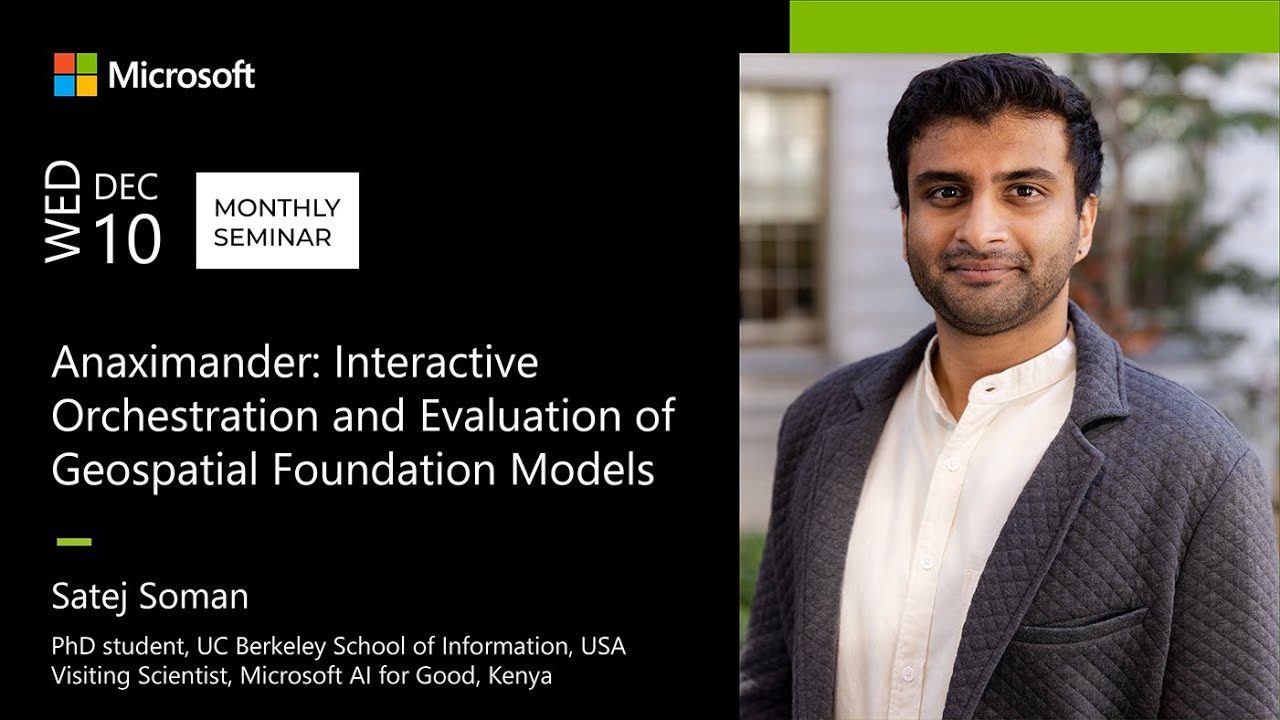
Anaximander: Interactive Orchestration and Evaluation of Geospatial Foundation Models

Anaximander: Interactive Orchestration and Evaluation of Geospatial Foundation Models

This talk introduces Anaximander, a system designed to bridge the gap between traditional, GUI-driven Geographic Information System (GIS) workflows and modern, code-heavy machine learning practices. Anaximander integrates geospatial foundation models directly into QGIS, allowing experts to interactively orchestrate, run, and evaluate models for tasks like semantic segmentation and object detection on satellite imagery.

Efficient Reinforcement Learning – Rhythm Garg & Linden Li, Applied Compute

Efficient Reinforcement Learning – Rhythm Garg & Linden Li, Applied Compute

At Applied Compute, efficient Reinforcement Learning is critical for delivering business value. This talk explores the transition from inefficient synchronous RL to a high-throughput asynchronous 'Pipeline RL' system. The core challenge is managing 'staleness'—a side effect of in-flight weight updates that can destabilize training. The speakers detail their first-principles systems model, based on the Roofline model, used to simulate and find the optimal allocation of GPU resources between sampling and training, balancing throughput with algorithmic stability and achieving significant speedups.

Artificial Intelligence

View All
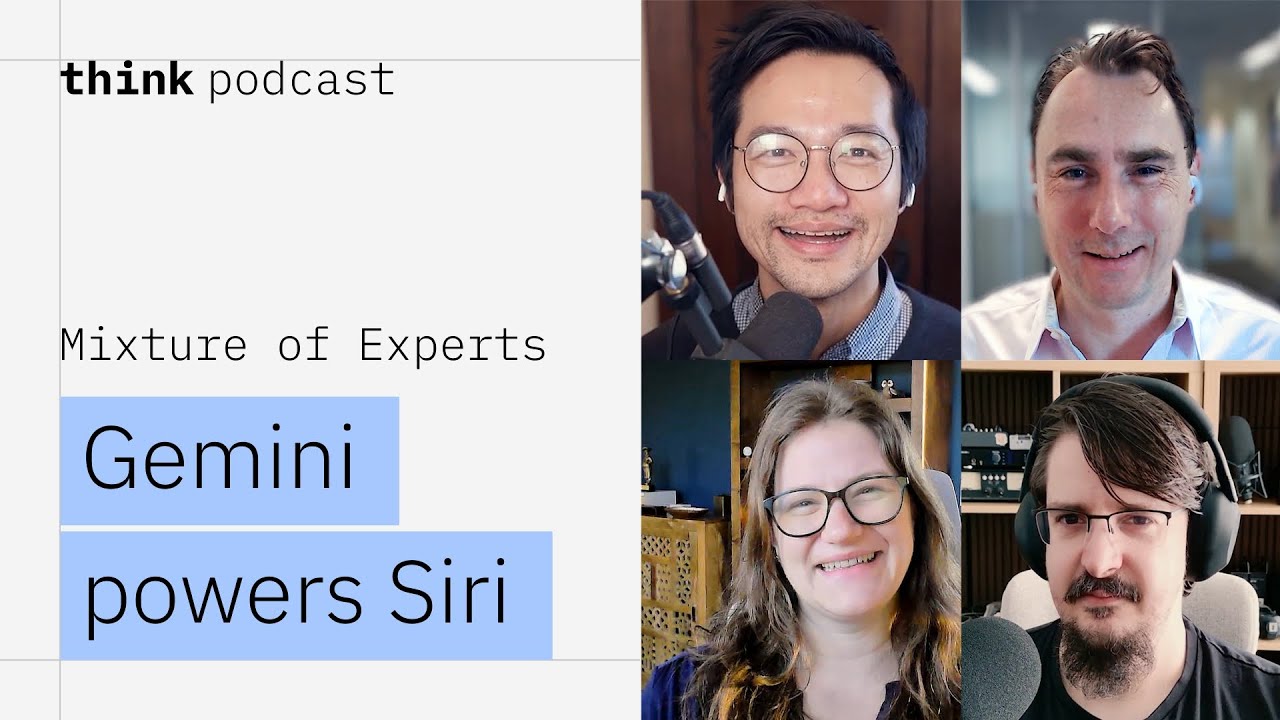
Claude Cowork analysis & Apple picks Gemini

Claude Cowork analysis & Apple picks Gemini

The panel discusses Anthropic's Claude Cowork and the challenge of user trust in AI agents for everyday tasks. They then analyze the Apple-Google partnership to integrate Gemini into Siri, debating its implications for edge AI, privacy, and hardware limitations. Finally, they explore Linus Torvalds' use of AI for "vibe coding," considering its impact on hobbyist programming and entrepreneurship versus the current limitations in producing production-ready software.

Graph Neural Networks Just Solved Enterprise AI?

Graph Neural Networks Just Solved Enterprise AI?

Jure Leskovec introduces Relational Foundation Models (RFMs), a new class of models based on graph neural networks that learn directly from raw, multi-table enterprise data. This approach bypasses manual feature engineering, leading to more accurate, faster-to-deploy, and easier-to-maintain predictive models for tasks like churn prediction, fraud detection, and recommendation systems.

Ben & Marc: Why Everything Is About to Get 10x Bigger

Ben & Marc: Why Everything Is About to Get 10x Bigger

a16z co-founders Marc Andreessen and Ben Horowitz discuss the shift to a decentralized media ecosystem, their investment thesis on supply-driven markets, and the transformative impact of AI. They detail the a16z model of leveraging reputation as a core asset to turn inventors into CEOs and explain why AI represents a fundamental reinvention of computing that will unlock unprecedented growth.

Technology

View All
Palo Alto Networks CEO Nikesh Arora on the Virtues of Being an Outsider

Palo Alto Networks CEO Nikesh Arora on the Virtues of Being an Outsider

Nikesh Arora, CEO of Palo Alto Networks, shares his unconventional journey and leadership philosophy. He provides a masterclass in building a multi-platform company through strategic M&A, explains why founders should sometimes ignore customers, and reveals how to lead with conviction while managing imposter syndrome.

Mental models for building products people love ft. Stewart Butterfield

Mental models for building products people love ft. Stewart Butterfield

Stewart Butterfield, co-founder of Slack and Flickr, shares the product frameworks and leadership principles that guided his success. He delves into concepts like "utility curves" for feature investment, the "owner's delusion" in product design, and why focusing on "comprehension" is often more important than reducing friction. He also introduces powerful mental models for organizational effectiveness, such as combating "hyper-realistic work-like activities" and applying Parkinson's Law to team growth.

Intuit CEO Sasan Goodarzi’s Grown-Up CEO Playbook

Intuit CEO Sasan Goodarzi’s Grown-Up CEO Playbook

Intuit CEO Sasan Goodarzi discusses the operational playbook for reinventing a 40-year-old company, from its slow transition to SaaS to its early adoption of AI. He shares insights on winning the SMB market by treating small businesses like consumers, building effective channel partnerships, and developing a platform strategy. Goodarzi also details his leadership philosophy, emphasizing that grit and curiosity are more critical than raw talent.


Recent Post

Monster prompt, OpenAI’s business play, nano-banana and US Open experimentations

Monster prompt, OpenAI’s business play, nano-banana and US Open experimentations

The panel discusses KPMG's 100-page prompt for its TaxBot, debating the future of prompt engineering versus fine-tuning. They also analyze OpenAI's potential move into selling cloud infrastructure, the impressive capabilities of Google's new image model, Nano-Banana, and new AI-powered fan experiences at the US Open.

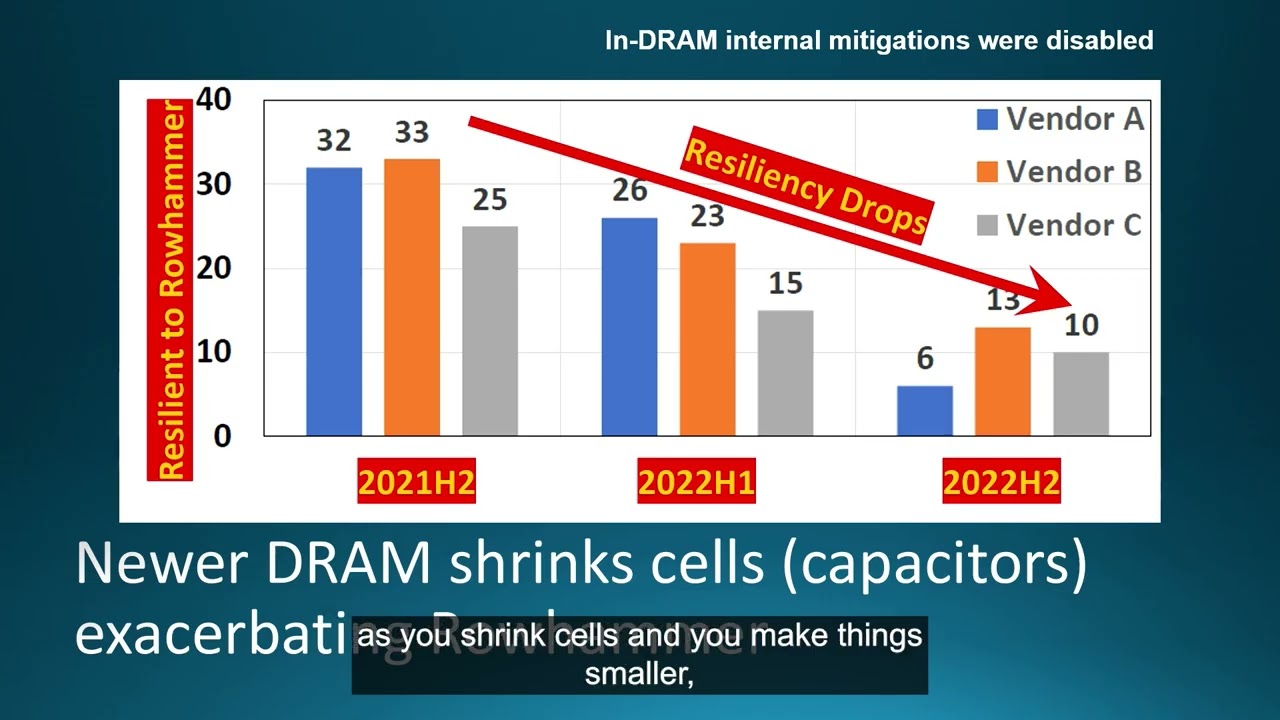
Six Years of Rowhammer: Breakthroughs and Future Directions

Six Years of Rowhammer: Breakthroughs and Future Directions

Stefan Saroiu from Microsoft Research details Project STEMA's six-year journey tackling the DRAM security flaw, Rowhammer. He discusses how academic research kept the industry honest about DDR4 vulnerabilities, the development of their in-DRAM defense, Panopticon, and its evolution into the industry standard PRAC for DDR5, while highlighting that significant challenges and research opportunities remain.

Introducing gpt-realtime in the API

Introducing gpt-realtime in the API

An overview of the new GPT-realtime speech-to-speech model and the general availability of the Real-Time API, detailing its architecture, advanced capabilities like image input and multilingualism, training methodology, and new enterprise-ready features.

Intelligence Isn't What You Think

Intelligence Isn't What You Think

Dr. Michael Timothy Bennett challenges conventional AI paradigms, arguing for a new approach inspired by the principles of living systems. He critiques the separation of software and hardware ("computational dualism"), redefines intelligence as efficient adaptation, and offers a novel theory of consciousness as a "tapestry of valence" essential for genuine intelligence.

Why 70% of Companies Are FAILING at AI Safety (Shocking Survey Data): 2025 AI Governance Survey:

Why 70% of Companies Are FAILING at AI Safety (Shocking Survey Data): 2025 AI Governance Survey:

Ben Lorica and David Talby of 'The Data Exchange' podcast analyze the 2025 AI Governance Survey, revealing a significant gap between AI adoption and mature risk management. While 30% of organizations have models in production, many lack robust governance frameworks, incident response plans, and comprehensive monitoring, often prioritizing speed-to-market over safety and compliance.

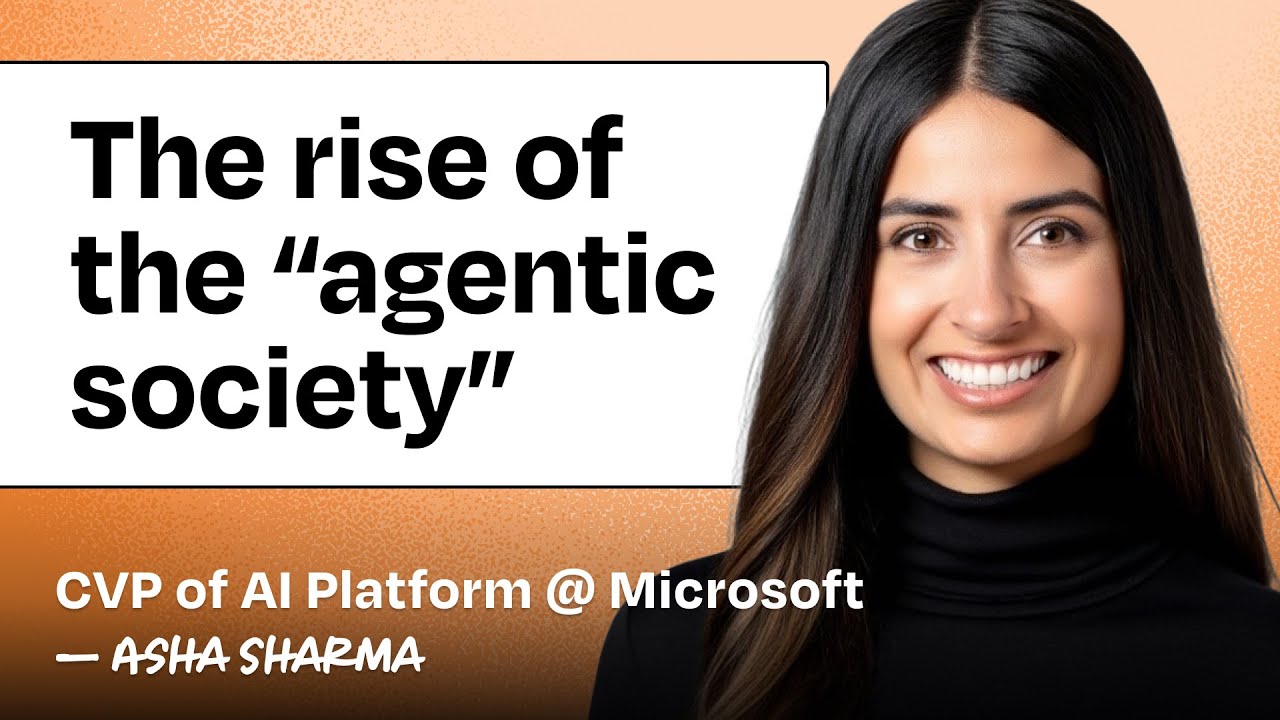
How 80,000 companies build with AI: Products as organisms and the death of org charts | Asha Sharma

How 80,000 companies build with AI: Products as organisms and the death of org charts | Asha Sharma

Asha Sharma, CVP of Product for Microsoft's AI Platform, shares insights from working with over 15,000 companies building AI. She discusses the shift from "product as artifact" to "product as organism," the rise of post-training as the new competitive moat, and how agents are transforming organizational structures from hierarchies ("org charts") into task-based networks ("work charts").

Stay In The Loop! Subscribe to Our Newsletter.

Get updates straight to your inbox. No spam, just useful content.